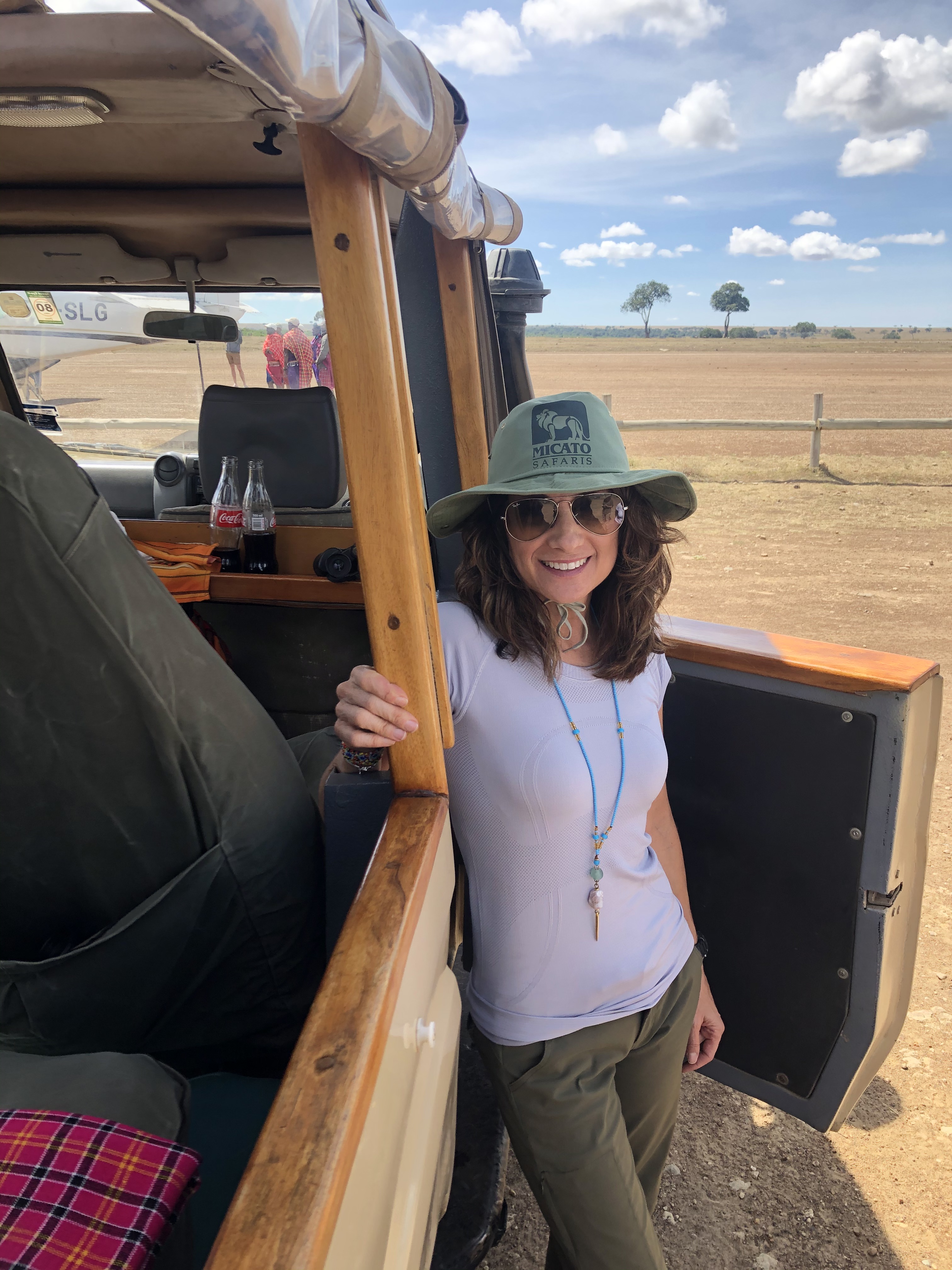
Now that we have turned the calendar page and put 2020 behind us, it’s time to think positive, look forward and plan for future travel. It’s the perfect time to put some serious thought into a bucket list trip: an African Safari. A safari is a magical and unique experience that envelopes you in nature, culture, and history. Safaris enrich the mind, stretch the imagination, calm the soul, and encourage self-reflection. Out of the many countries our two sons have visited with us, our Micato Safari experience definitely stand out as most memorable. This is an itinerary that requires advance planning to ensure availability in the more intimate and authentic tented camps and lodges, arrange for visas, as well as inquire about any necessary inoculations. As a travel agent, I can help ensure the entire process runs smoothly from initial inquiry, to your safe return home.
LOCATION
A relatively small country in East Africa, Kenya’s capital and central transportation hub is Nairobi. Travelers fly into the international airport Jomo Kenyatta, while connecting flights within Kenya or to neighboring countries are booked from Wilson, the domestic airport just next door. After a short stay in Nairobi (most international flights arrive in the evening), you will reach the other areas of the country primarily by bush plane. There’s plenty to explore within Kenya, but if you have more time, a Kenya safari can be booked in conjunction with a visit to Tanzania (to the south), Uganda (to the west) or Rwanda (to the south west). These countries, plus 15 others, comprise what is known as East Africa.

LANDSCAPE
When compared with popular safari destination South Africa (located in the southernmost point on the African continent,) Kenya has a more temperate climate. To learn more, check out my previous articles on South Africa Safaris: here. The further north in Kenya you travel, the drier and hillier the landscape becomes as the area doesn’t benefit as much from the rains received in the south-west of Kenya. Because it shares its longest border with Tanzania, Southern Kenya is the best place to see glacier-capped Mount Kilimanjaro, the highest peak in Africa and the tallest free-standing mountain in the world.


GAME VIEWING
Fantastic year-round game viewing makes Kenya a TOP safari location. Although it is a “Big 5” destination in the sense that lion, leopard, buffalo, elephant and rhino are found here, it’s difficult to see them all in the same place. Rhinos are the rarest and most difficult to find and unfortunately, due to poachers, have become a critically endangered species. Safari itineraries will often include overnight stays in Maasai Mara, Amboseli, Samburu, Mt. Kenya, or the Laikipia Reserve in order to increase the variety of game viewing.
Kenya is the perfect place for first-time safari goers – because the land is so flat and open, it’s easy to enjoy 360-degree views and spot game throughout the year. Roads are well-maintained and English is widely spoken throughout the country. Long-standing conservation projects in Kenya also means that animals are generally plentiful and in good condition. Special relationships between tribal landowners, the government, conservationists, and safari operators mean that the needs of humans, nature, and agriculture are carefully balanced.

MAASAI MARA
Kenya’s most well known wildlife gem is the Great Migration: the 1,900-mile journey of over two million wildebeest (and zebra and gazelle) as they follow the rains over the Mara River into the Maasai Mara National Reserve where they feast on thousands of hectares of fresh grazing land. They stay for about four to five months, slowly mowing the Mara between approximately July and November when they cross back into Tanzania’s Serengeti region. (Only humans require a passport to cross this border!) The massive herds also attract large predators including lion, leopard, hyena and the occasional cheetah, therefore witnessing a “kill” on safari is most likely to occur during this time period.

The main reason the Maasai Mara attracts the Migration is because its open, flat savannah dotted with flat-topped acacia trees, provides superb grazing. The wide landscape gives you that classic “safari look” with green grass turning golden as the seasons change. It’s impossible to know exactly when wildebeest will cross the Mara River – they don’t all cross in one place at the same time. Large groups can be viewed at different points and on different days. This unpredictability and sense of exploration is what makes safaris so exciting.
Subscribe to my blog to read my upcoming articles on Kenya including Safari Packing Tips, Weekend in Nairobi, and specifics on Maasai Mara, Mt. Kenya, and the Laikipia Reserve.

Need help planning your Bucket-list Trip?
It’s never TOO early to plan. Would you like to maximize the redemption of your American Express Points? Email me: mollie@herrickstravel.com, and find out about upgrades, special amenities, and VIP service for all Herricks Travel customers.
Become a SUBSCRIBER and receive all my latest articles right to your inbox: look for the “subscribe to this blog by email” box and then respond to the follow-up email. For more information on my trip planning services, please click HERE





 Our travel agent group was brought to the Harambee Center – it means “Let’s Pull Together” in Swahili. The center is a multi-purpose facility – a bright and beautiful oasis of hope and green space in the middle of the Mukuru slum. A vital community center, it allows residents to gather for lectures, educational sessions, and meetings. Our visit (pre-pandemic) included a tour of the classrooms, lending library, and computer resource building. Students of all ages were seated shoulder to shoulder at tables, quietly doing homework, studying for exams, and forming study groups. The library is stocked with over twenty thousand books, including novels, textbooks, and study guides. Books are a rare gift in Mukuru; many schools do not have adequate textbooks, and novels are a luxury most cannot afford.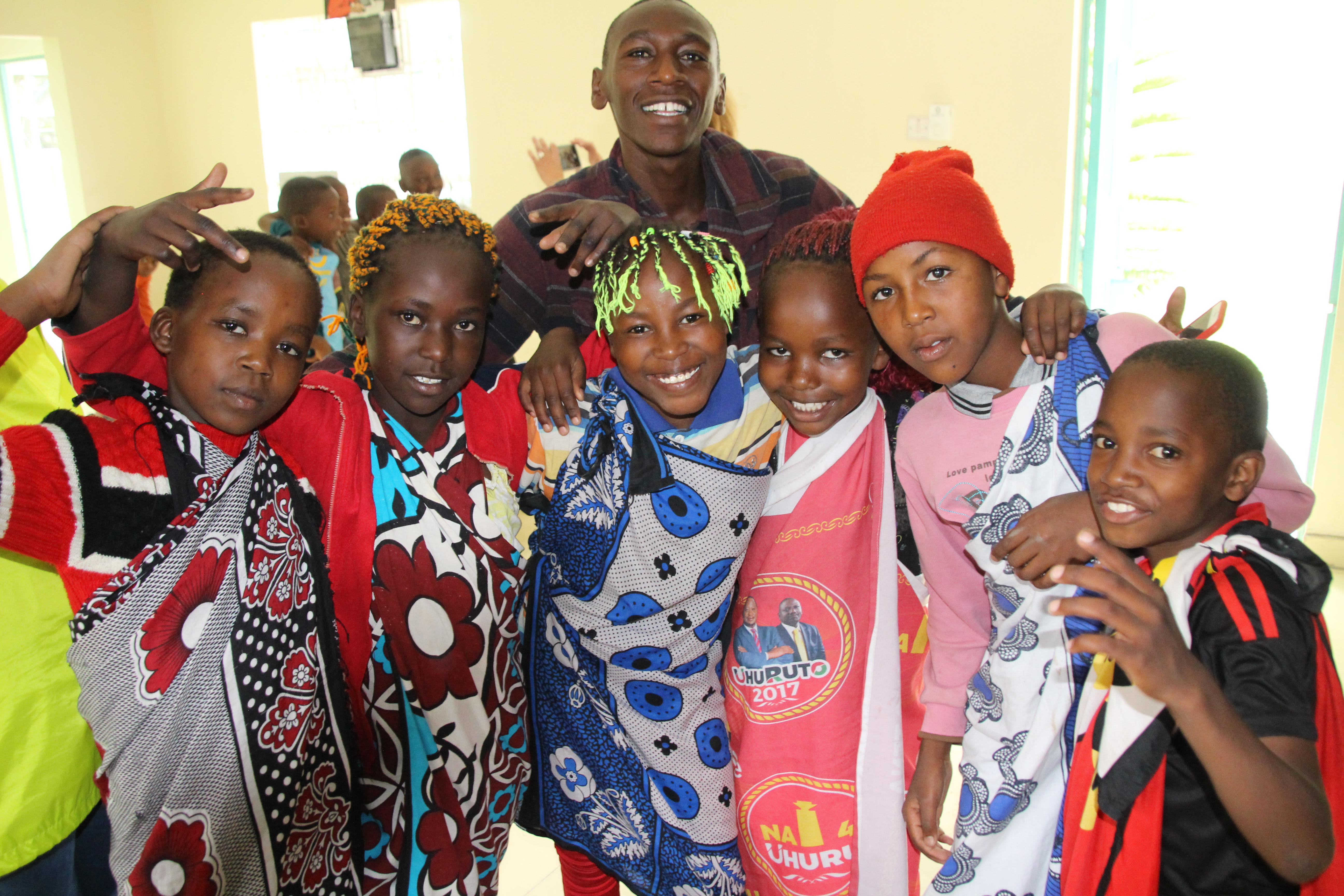
 I was grateful for the opportunity to see this organization’s efforts in action and help shine a light on their mission. Although the residents are faced with the daily challenge of survival, our visit to Harambee included an opportunity to see the children’s commitment to education, positivity, and kinship.


 Private Camp locations include:

 Brandenburg Gate:
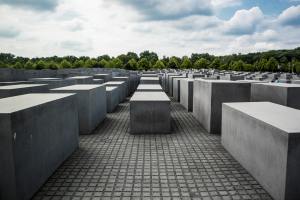 In the middle of the city stands this imposing monument which serves as a place of contemplation and a symbol to never forget the six million Jews murdered by the Nazis during WWII. Architect Peter Eisenman placed 2711 concrete slabs (reminiscent of coffins) of varying heights in a site encompassing 19,000 meters — an area that evokes a graveyard. The memorial is positioned on a slight slope and the uneven flooring gives you a sense of uncertainty and uneasiness.
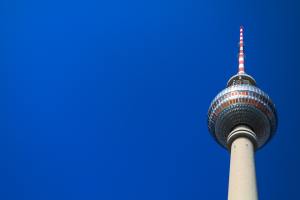 Berlin TV Tower:
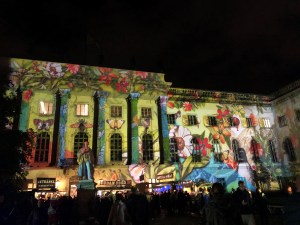 Festival of Lights:
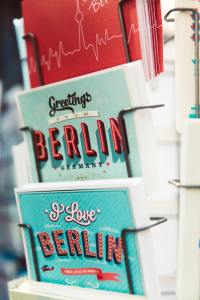 SHOP
SHOP
 “The struggle is real,” notes Travel Market Report; “the sheer volume of information consumers must sift through if they’re booking online has turned trip planning into an ordeal!” But, not for an experienced travel agent!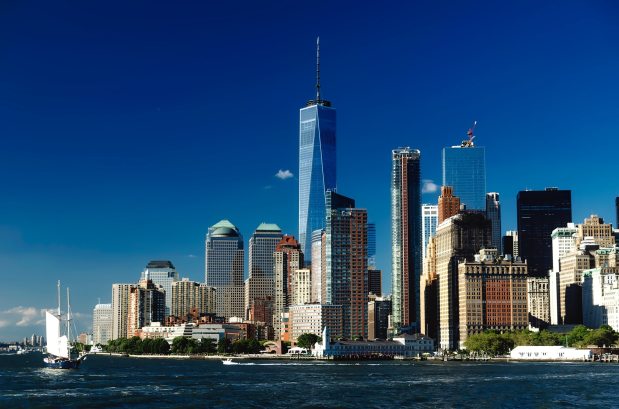
 9/11 Memorial and Museum:
 Brookfield Place and Battery Park:
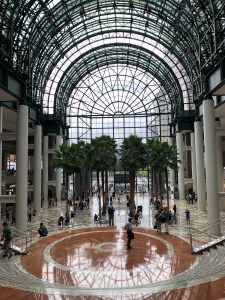 Jewish Heritage Museum:
 One World Trade Center:
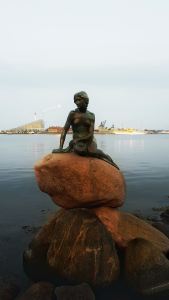 The Little Mermaid Statue:
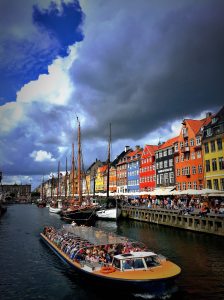 Nyhavn:
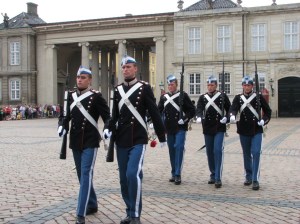 Christiansborg Palace:
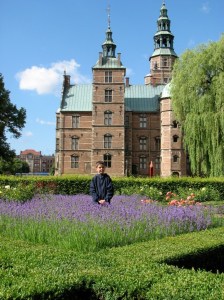 Rosenborg Castle: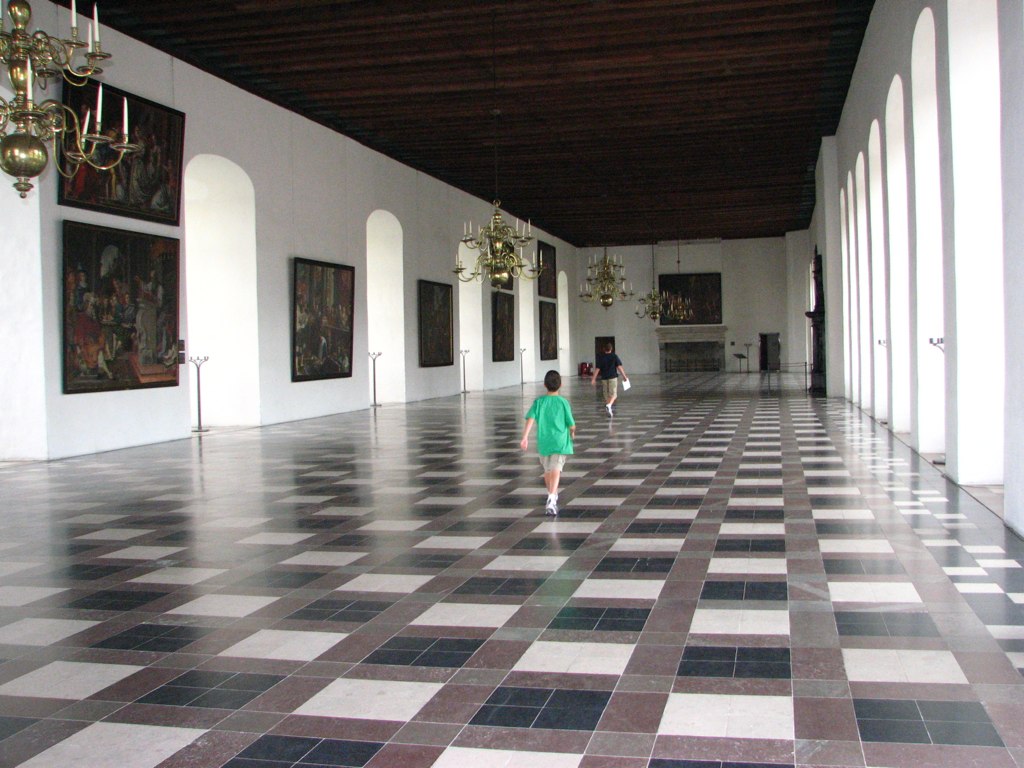
 Need help putting together your bucket-list trip or dream vacation?
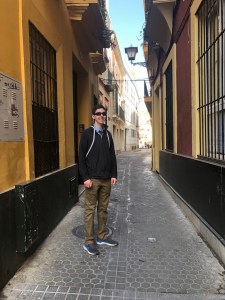
 Santa Cruz District & San Bartolomé District:
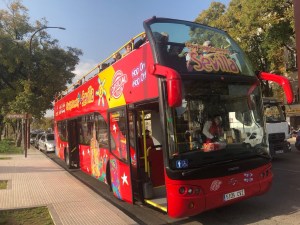
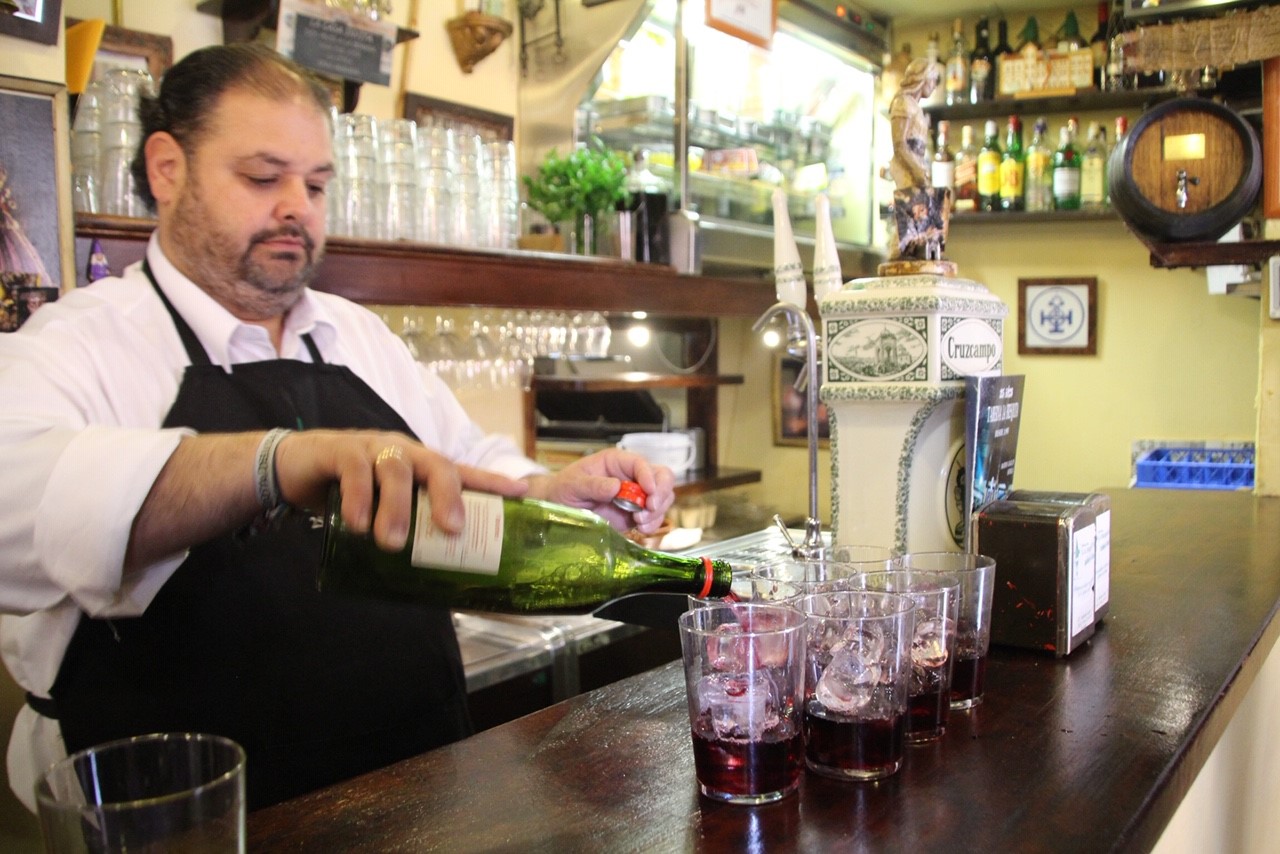
 El Galante: