Top Attractions in Muscat: Your Oman Travel Guide

Top Attractions in Muscat: Your Oman Travel Guide

Planning a trip to Dubai? I highly recommend a side trip to Oman, the under the radar destination, just a short one-hour flight or four-hour drive from Dubai International Airport.

Having recently re-watched prolific chef and traveler, Anthony Bourdain’s, CNN “Parts Unknown” Oman Episode, I jumped at the opportunity to spend a few days in this very distinct, Arabian Peninsula country prior to our stays in Dubai and the Maldives.

Capital city, Muscat, is a great base for a relatively crowd-free (for now) exploration of this 2,000-year-old country with a rich and layered history. Nestled between the rugged Hajar Mountains and the marine life-rich Gulf of Oman, Muscat has served as a strategic port due to its natural harbor – a vital trade route between East and West. Inhabited over the centuries by Persians, Portuguese, and Ottomans, the mix of cultures have all left their mark on the city’s architecture and heritage.
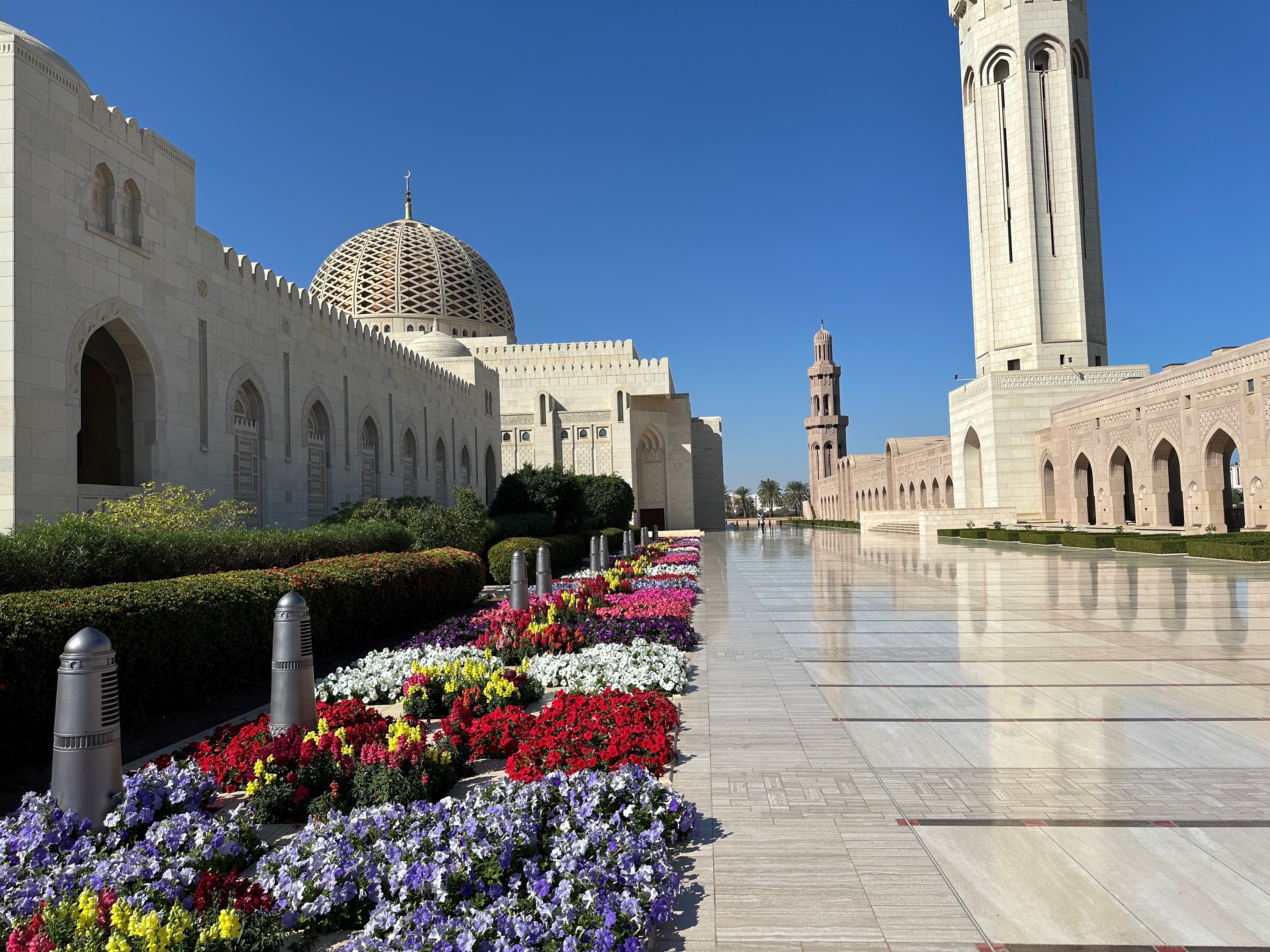
In the late 20th century, Muscat underwent a rapid modernization while still preserving its authentic identity – white-washed buildings, grand mosques, and bustling souqs sit alongside low-rise modern structures and international cultural centers. Cooler months November through April are an ideal time to visit. There are plenty of top-notch hotels: Mandarin Oriental, The Chedi, and St. Regis, where we enjoyed beach front accommodations and plenty of indoor and outdoor international dining choices. We spent a day with our extremely hospitable local Omani guide who gave us an insider view of this distinctive city with a significant expat population and a culture that is welcoming to visitors from countries and religions around the globe.
WHAT TO SEE:
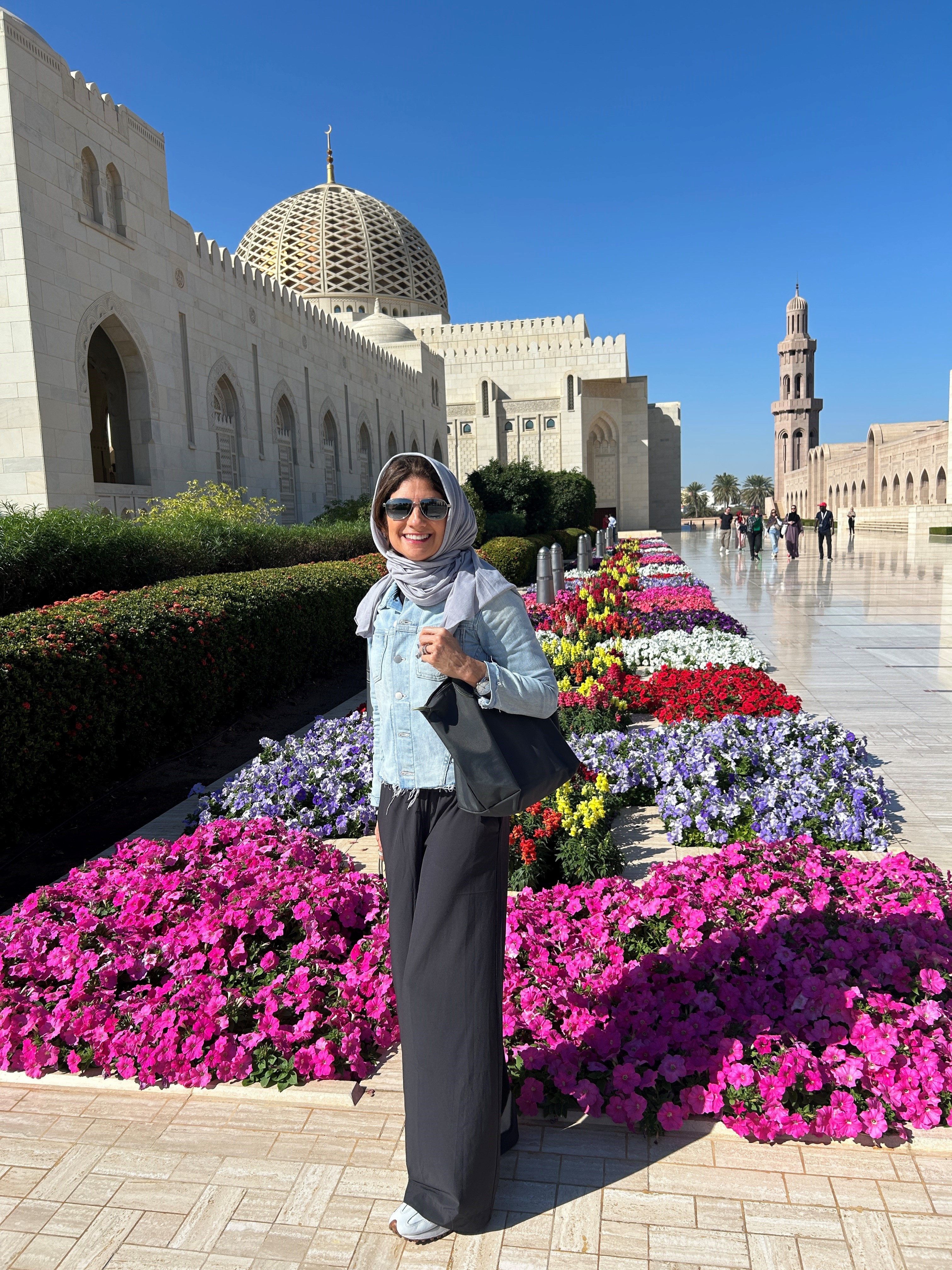
Sultan Qaboos Grand Mosque: A stunning architectural masterpiece, this iconic landmark showcases a harmonious blend of Islamic, Middle Eastern, and Omani design elements. The white and honey-tone Indian sandstone, luminous Carrera marble facade, 50-meter-high dome, and 90-meter minarets reflect the fusion of traditional design with modern craftsmanship. Inside is the world’s largest hand-woven Persian carpet and above you hangs an immense eight-ton, 600,000 crystal Swarovski chandelier. Get there early to enjoy a more crowd free experience. Appropriate dress code should be observed at this site.
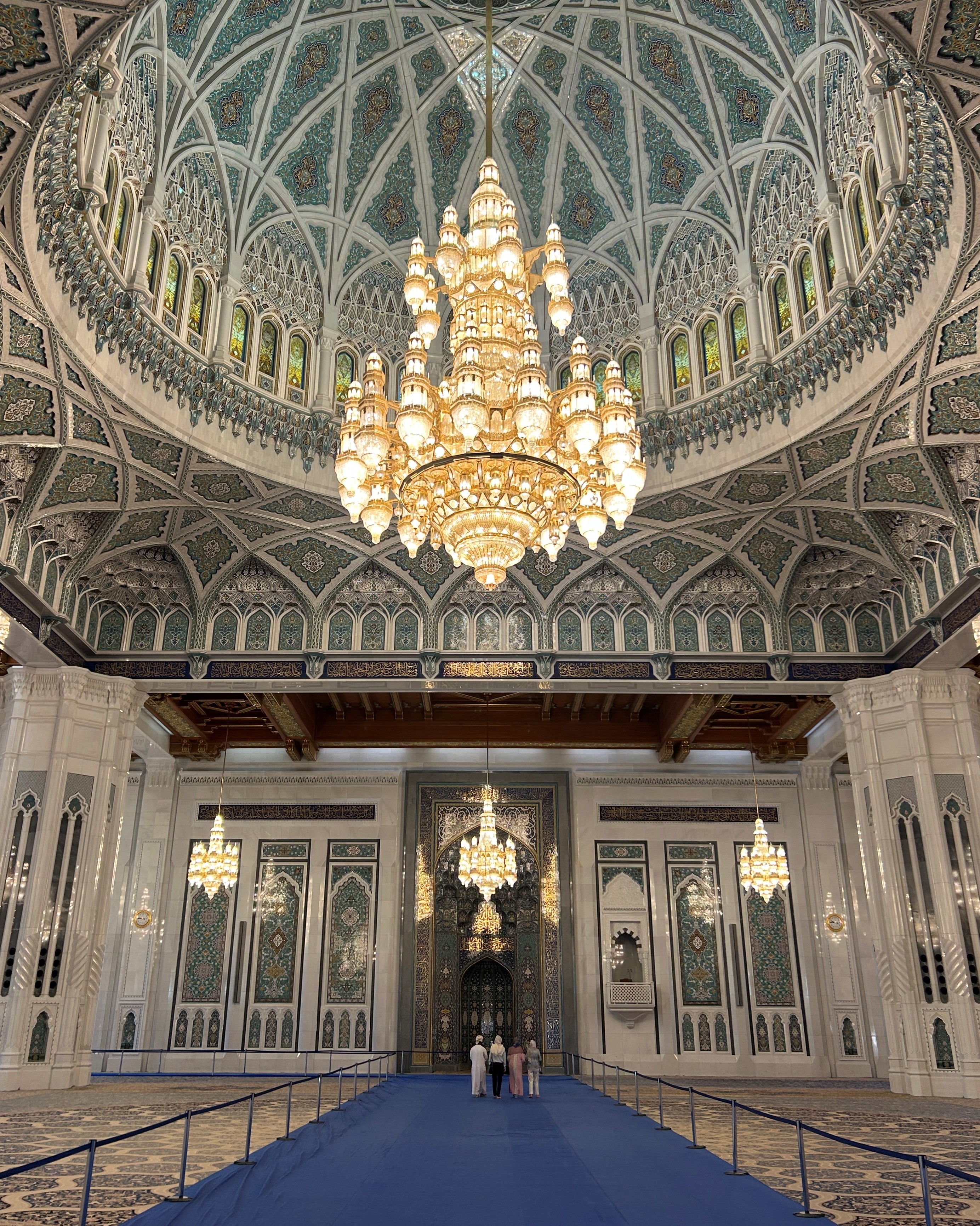
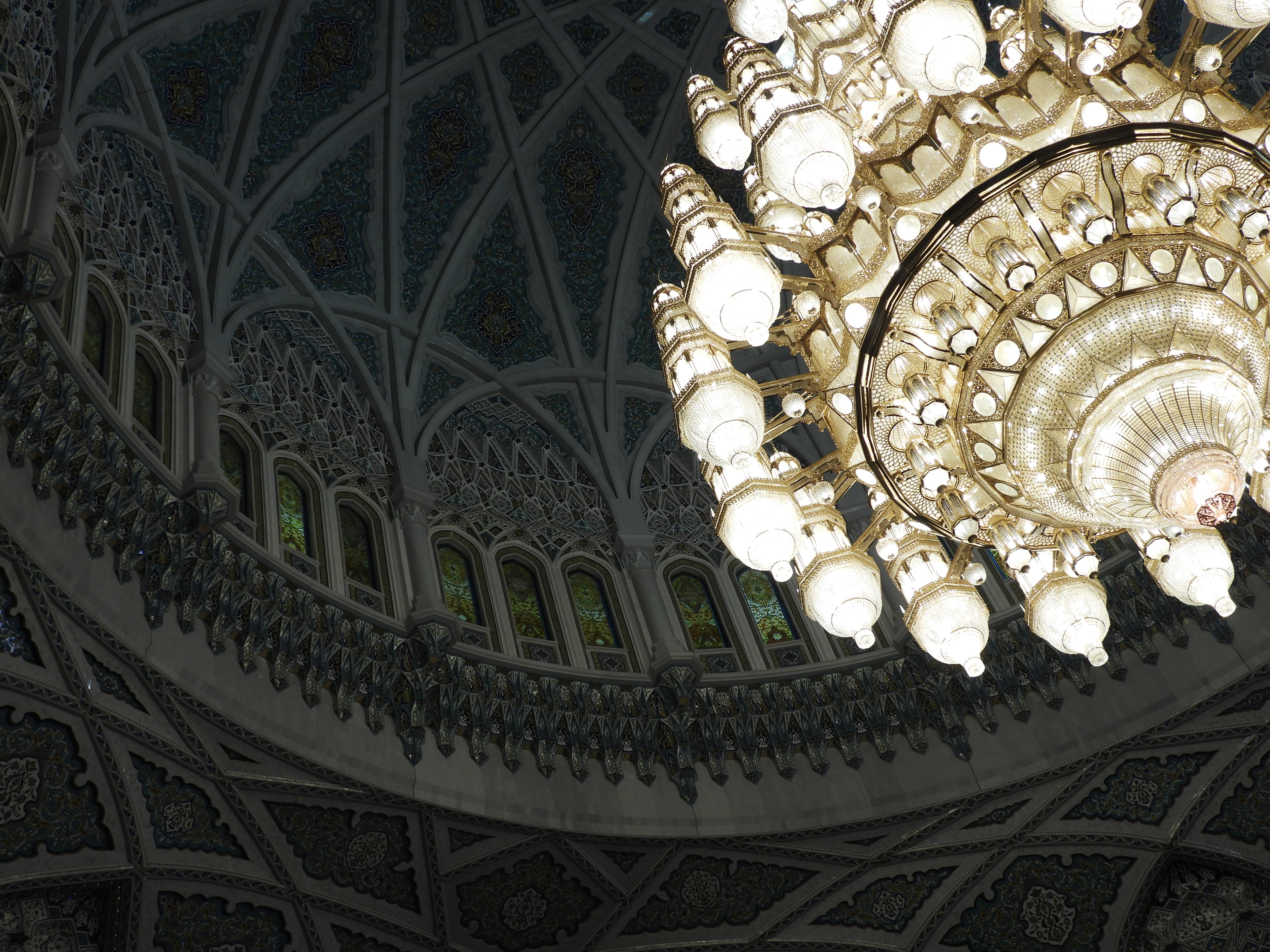
Appropriate dress was required when visiting the Mosque

Royal Opera House: This premier venue was the first modern opera house built on the Arabian Peninsula. Traditional pink desert limestone facades and intricate carved mahogany screens blend with European design influences and modern theatre technology. Ringed by sprawling plazas and colorful formal gardens filled with clipped hedge mazes, tree lined promenades, and dense carpets of vibrant purple petunias, the exterior is as dramatic as the marble and gold-leaf inlayed interiors.

Outside the stately Opera House

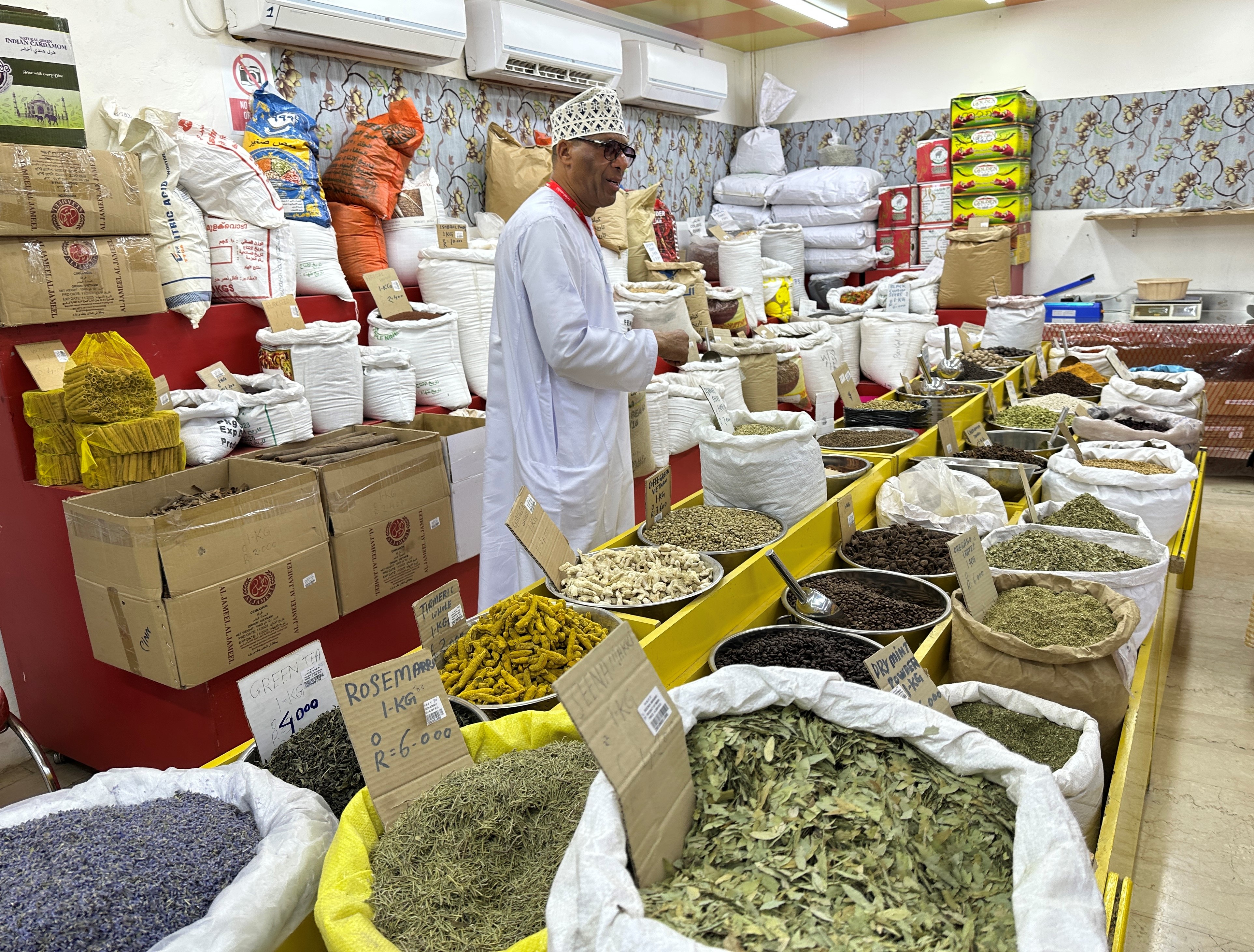
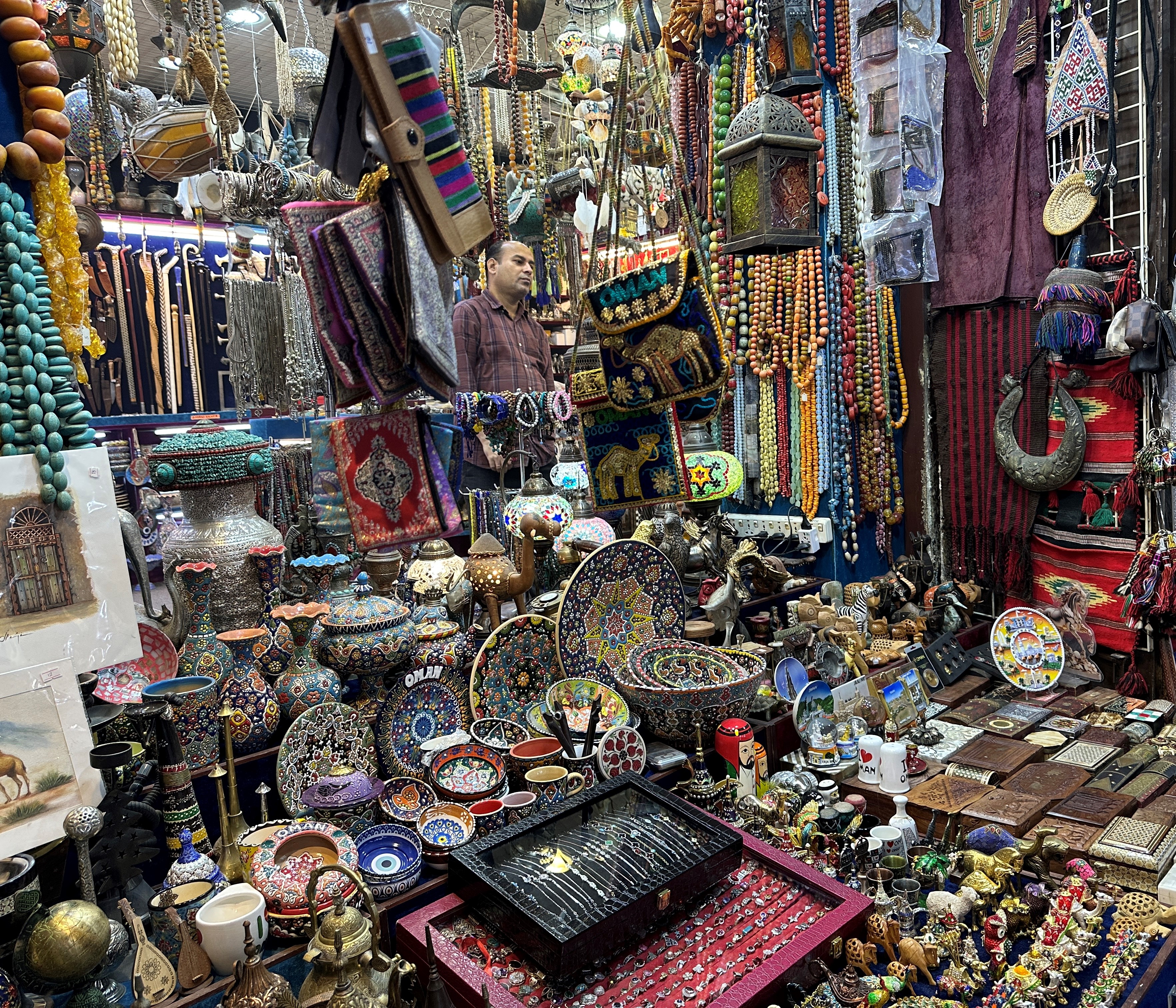
Mutrah Souq: Explore the narrow lanes of this traditional bazaar (one of the world’s oldest) filled with the scent of frankincense, the shimmer of gold jewelry, the glint of handcrafted silver, and textiles in every vivid hue. Everything from perfumes to pashminas can be found with modern shops and cafes rounding out the experience. Bargaining is welcomed!

Corniche Walk: A walk on this seaside four-mile waterfront promenade on the Gulf of Oman will lead you to the centuries old Portuguese Fort. Along the way explore palm tree shaded cafes, bustling seafood stalls, marble tiled pathways, and panoramic views of the luxury cruise ships and traditional masted dhows that dot the bustling port.

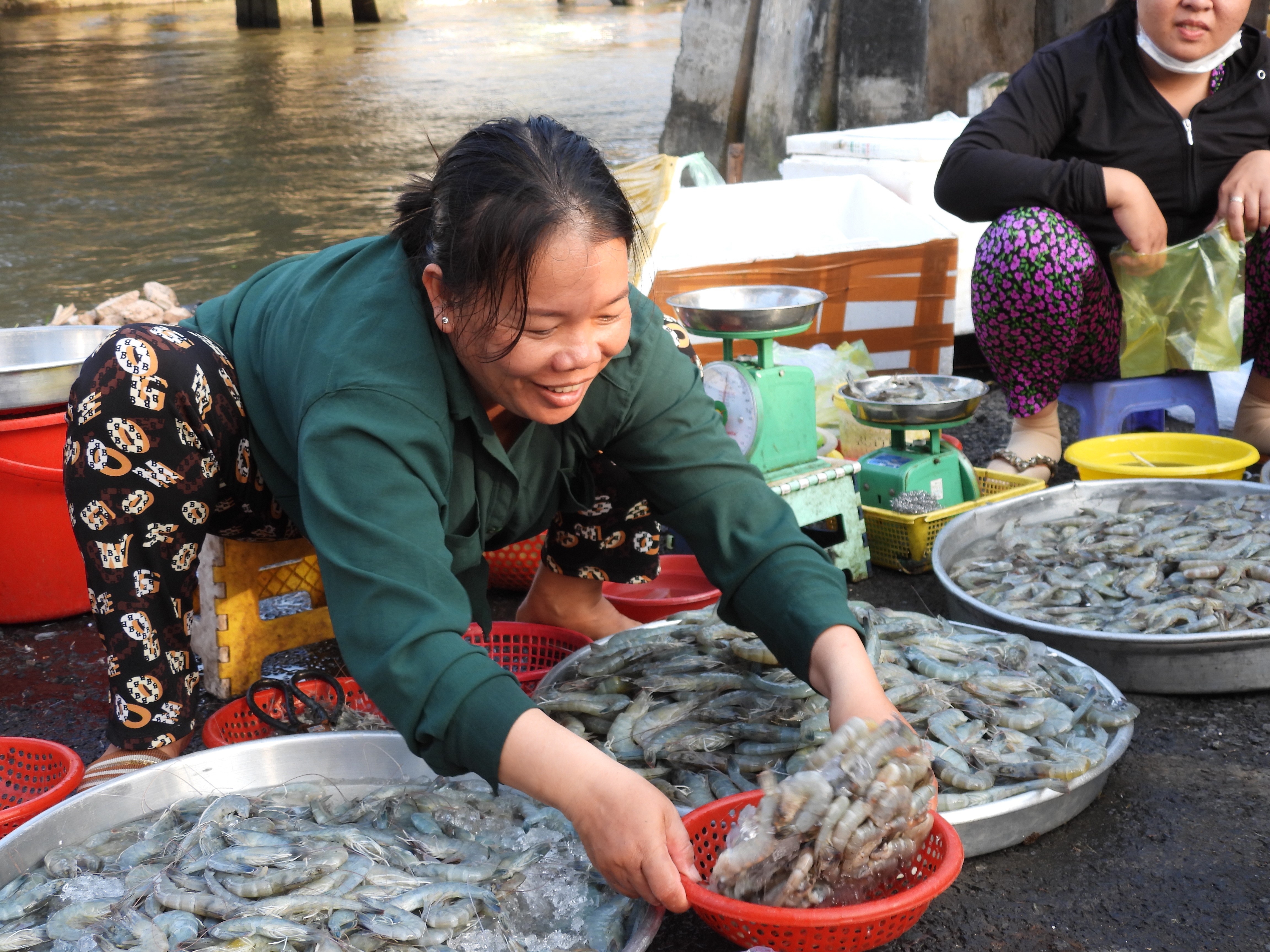
Mutrah Fish Market: Since my sons have been avid fisherman since they were small, a visit to a fish market is included on many of our travels. Nestled on the northern end of the Corniche, this market is a must-see for all things piscine. A hive of local activity, over 100 fish selling merchants come together alongside dozens of fruit and vegetable sellers in an adjacent building. Visit in the morning when the fishermen unload their bounty and vendors meticulously clean and proudly display their catch of the day: tuna, prawns, lobster, dorados, and king fish to name just a few.

Al Alam Palace: Nestled in the heart of Old Muscat, this ceremonial residence of the Sultan of Oman, is a dazzling example of contemporary Islamic architecture. Its bold gold and royal blue façade, flanked by elegant and tapered columns creates a regal impression. While the interior remains off limits to visitors, the grand ornamental gates and landscaped gardens are worth a visit to get a glimpse of Oman’s royal heritage.

Al Mouj Muscat: Our hotel, the St. Regis Al Mouj was conveniently located adjacent to this vibrant waterfront destination. The Walk is a lively marina promenade lined with stylish cafes, bustling plazas, boutiques, and waterfront restaurants. The Marina is home to over 400 berths, and the launching point for water-themed adventures: dolphin watching cruises, snorkel trips, jet skiing, fishing and scuba charters.
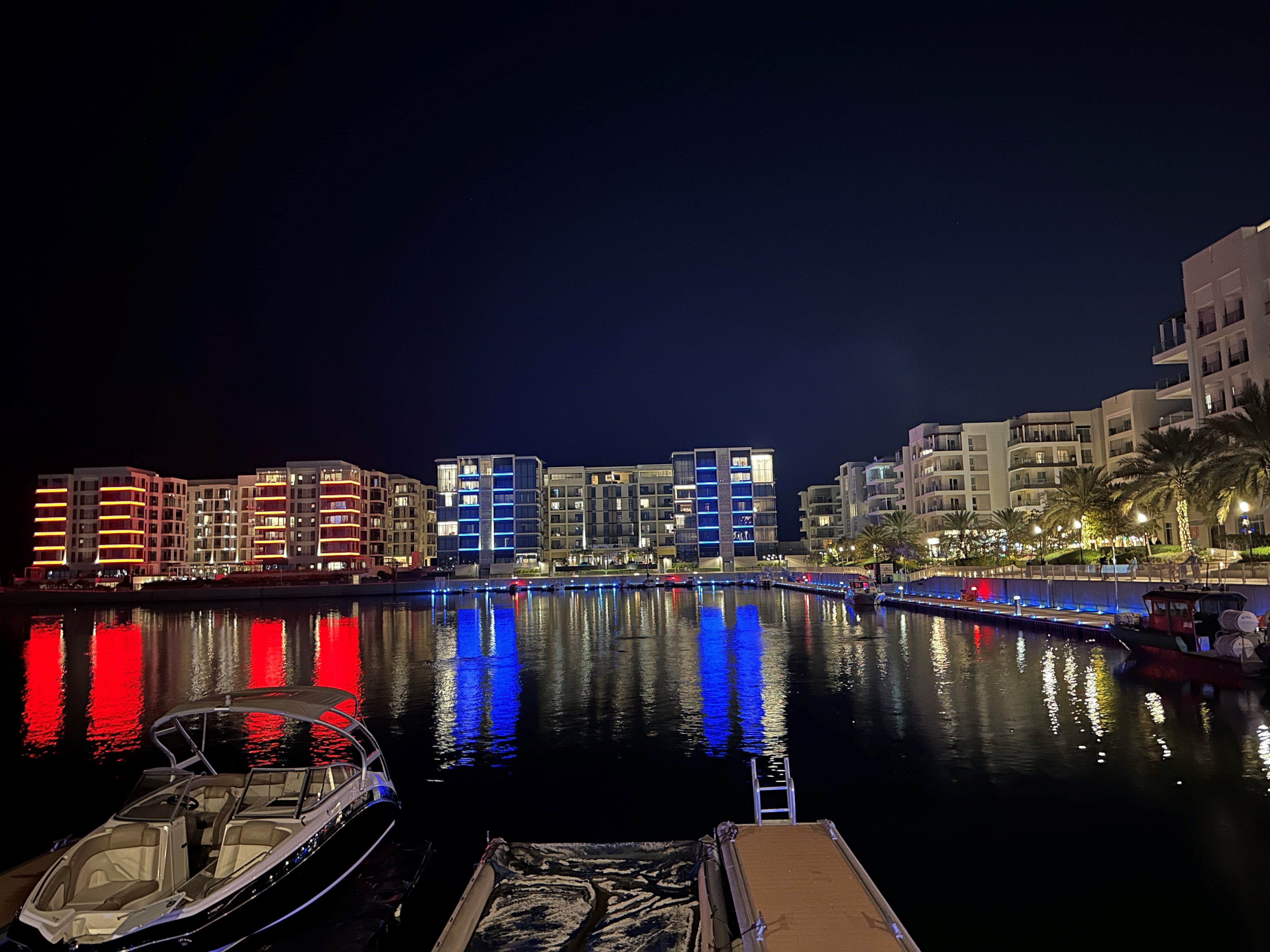
Al Mouj Marina, Muscat

Day trip outside the city: Include a full-day excursion outside the city to the rugged Hajar Mountains and the sweeping sands of the Wahiba Desert for a taste of Oman’s natural beauty and traditional Bedouin hospitality. Book a 4×4 adventure through the winding mountain passes, explore picturesque villages, or Wadi Ghul, known as the “Grand Canyon of Arabia.” Head south to the golden dunes of the Sharqiya Sands and ride a camel, sandboard, or watch the sunset. Visit a hidden wadi and take a refreshing dip in an emerald pool ringed by date palms.

Click here to check out all my destination articles, Mollie Mandell, Travel Agent, Herricks Travel.

It’s never TOO early to plan your next adventure. Email me, mollie@herrickstravel.com to inquire about upgrades, complimentary breakfast, special amenities, and VIP service for all Herricks Travel customers. To receive my blogs to your inbox, please enter your email address in the subscriber box, and respond to the confirmation email.

Vietnam and Cambodia: Discover the Mekong River Journey

Vietnam and Cambodia: Discover the Mekong River Journey

You can easily spend several weeks traveling throughout Vietnam and Cambodia. There is so much to discover. For first time travelers to this corner of Southeast Asia, I highly recommend a Mekong River cruise –it combines luxury accommodations, cultural immersion, and seamless travel.

Click here, to read all of my recent travel articles online on my travel blog. Mollie Mandell, Travel Agent with Herricks Travel

The Mekong River, one of Southeast Asia’s most vital waterways, flows through Vietnam and Cambodia and shapes the culture, economy, and daily life of millions. Originating in Tibet, the river travels over 2,700 miles before reaching the South China Sea. In Cambodia it passes through capital city, Phnom Penh, and winds through Vietnam, creating a vast network of tributaries, rice paddies, and floating villages which serve as the “Rice Bowl” of Vietnam. This region, known for its vibrant markets, lush landscapes, and biodiversity, provides a glimpse of traditional river life. All along the Mekong you will experience bustling modern cities, colorful temples, and authentic rural villages – it is a lifeline for trade and cultural exchange between the two countries.

A small ship river cruise allows you to journey through these fascinating countries without the hassle of unpacking and packing. Breathtaking views of lush landscapes and floating markets, the scent of jasmine blossoms filling the air of a Buddhist Monastery, the rich taste of locally made pho, and the laughter of curious children greeting you in traditional villages are experiences easily encountered on a river boat cruise. Each day brings new adventures in places untouched by mass tourism allowing you to engage with local artisans and learn centuries-old traditions.

Our recent itinerary with AmaWaterways included intimate and immersive experiences, providing us with opportunities to connect with local people, and create meaningful vacation memories.

A brief summary of the stops on a Mekong River itinerary:

Ho Chi Minh City: After a pre trip to Singapore, we flew into Ho Chi Minh City, Vietnam, formerly known as Saigon, and home to the infamous Chu Chi Tunnels. We enjoyed a three day pre-cruise hotel stay prior to our transfer to port city, My Tho, about an hour from the downtown area.


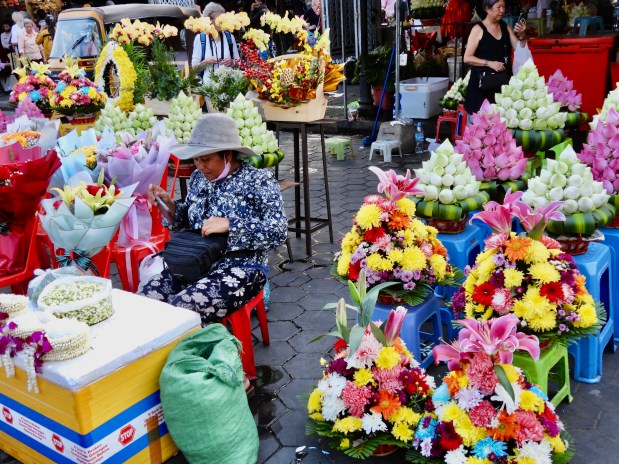
Cai Be: our first port, this town presented a colorful array of fruit sellers, river fishermen, and vibrant riverside commerce. Our excursion included a visit to local workshops to witness their handiwork first hand.

Sa Dec: the highlight of this picturesque town is a visit to their beyond bustling market.

Tan Chau: known for its exceptional silk production in centuries-old workshops.

Smiling faces will welcome you to idyllic Evergreen Island, a hidden-away rural community.

Phnom Penh: Capital city of Cambodia, a modern and lively city and home to the Oudon Buddhis Monastery and Royal Palace. Sadly, also the site of the Tuol Sleng Prison and the Killing Fields.

The Tuol Sleng Prison and the Killing Fields: where two to three million people were killed by the Communist Party of Kampuchea during the Khmer Rouge rule from 1975 to 1979.
This gentleman, a survivor of the grim S21 Detention Center and the Khmer Rouge, told his personal story and signed copies of his autobiography.
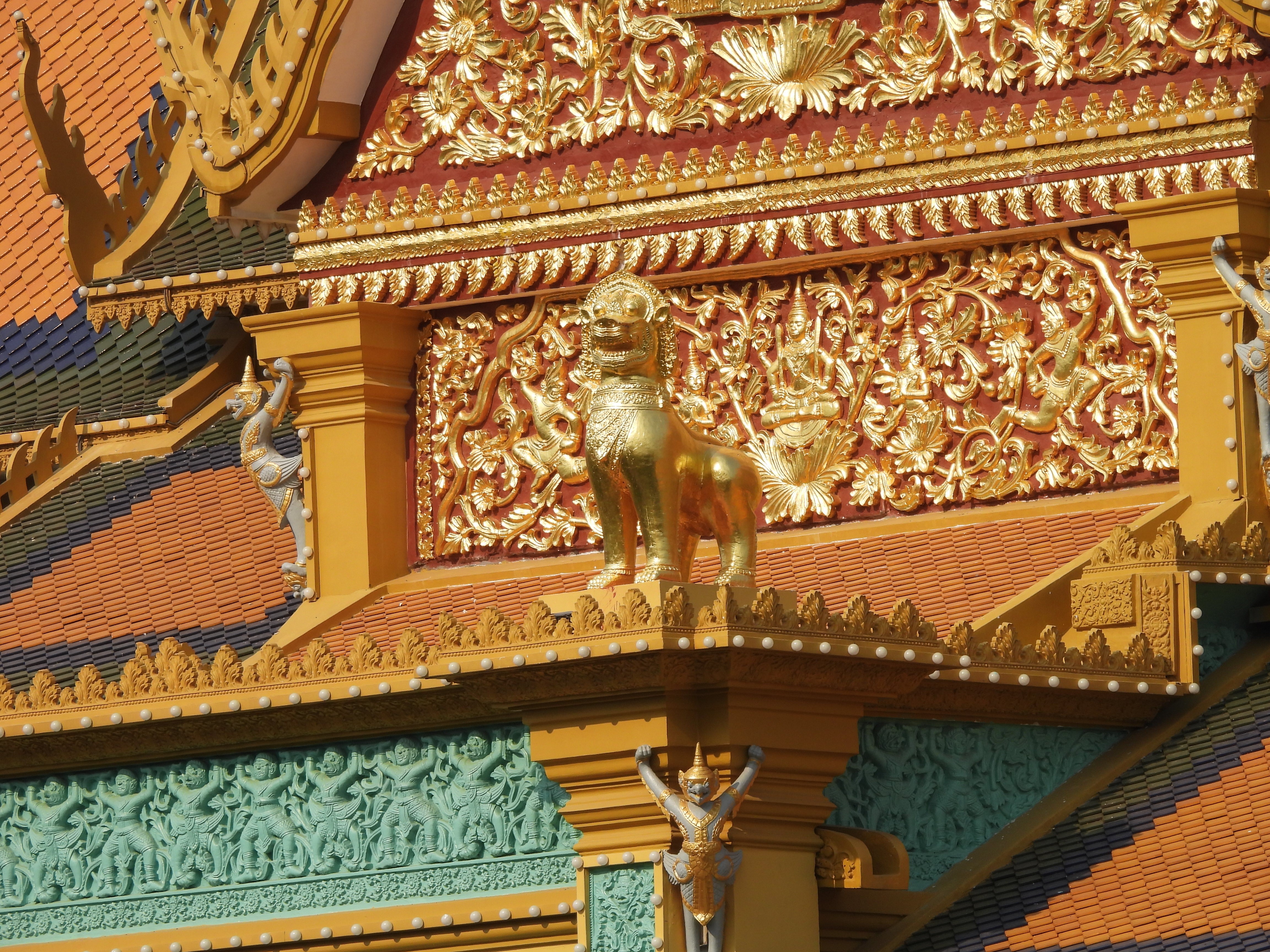
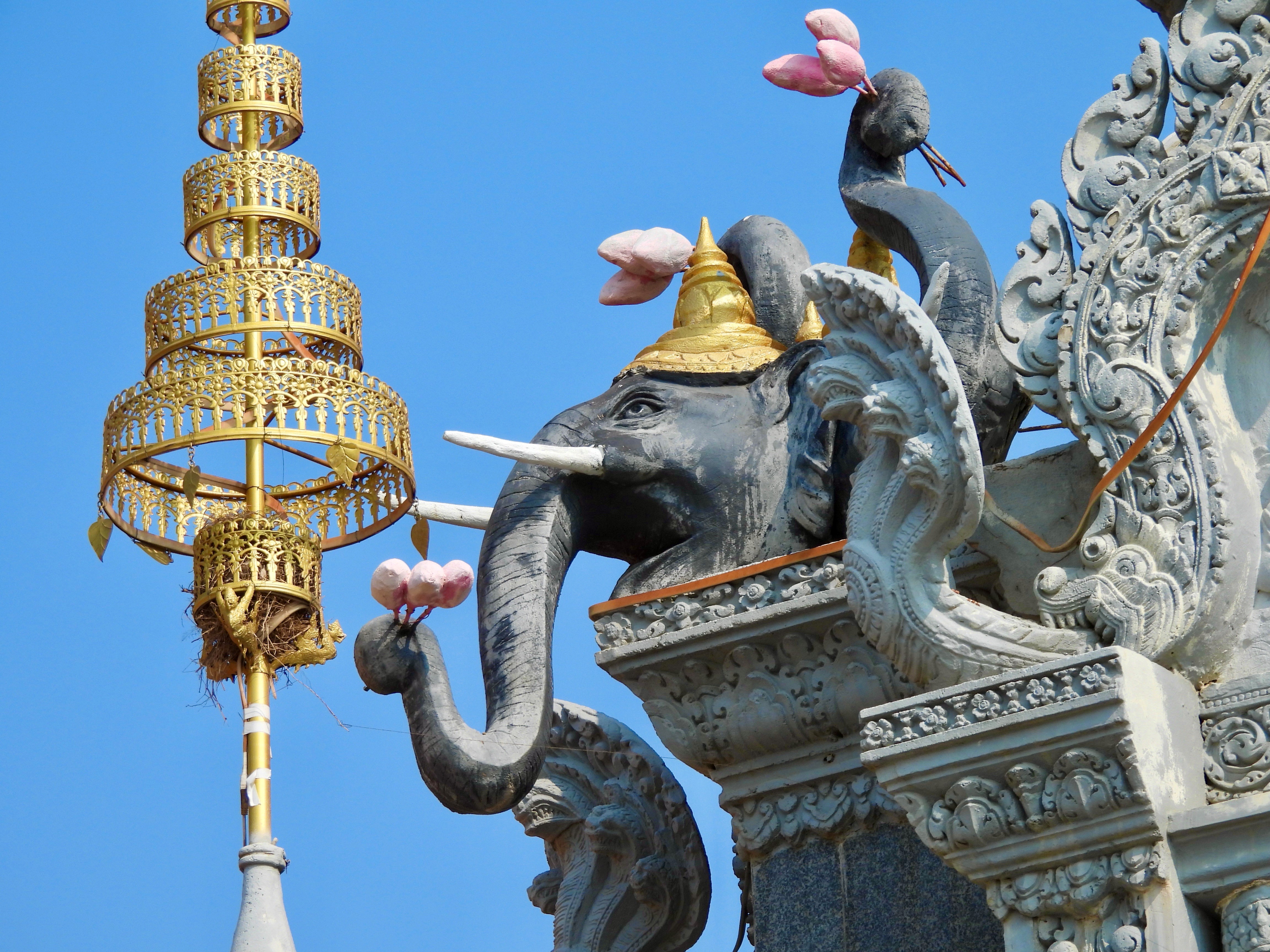
Silver Pagoda, Phnom Penh
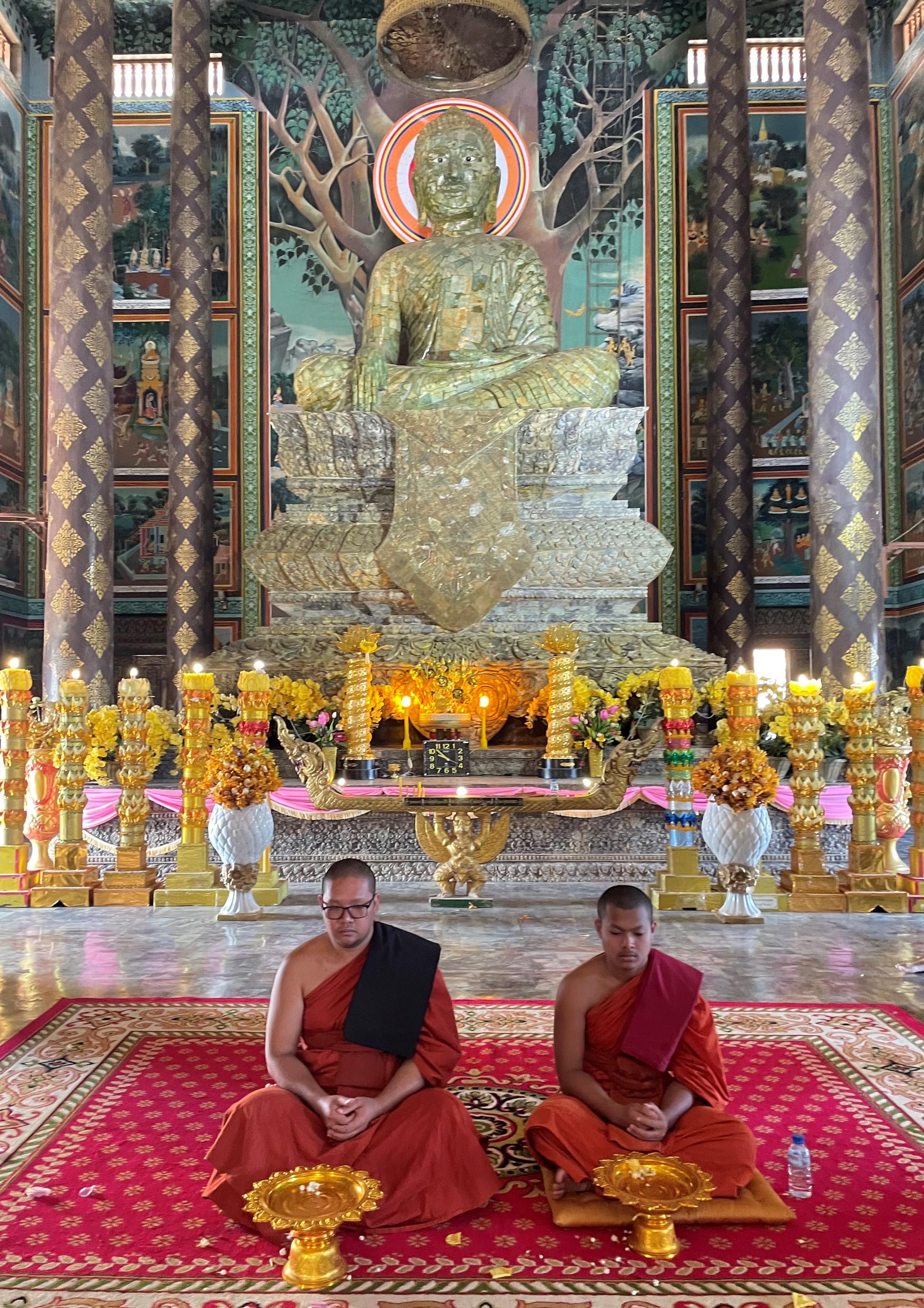
At the Oudong Monastery, we were treated to a a memorable Buddhist Blessing Ceremony.
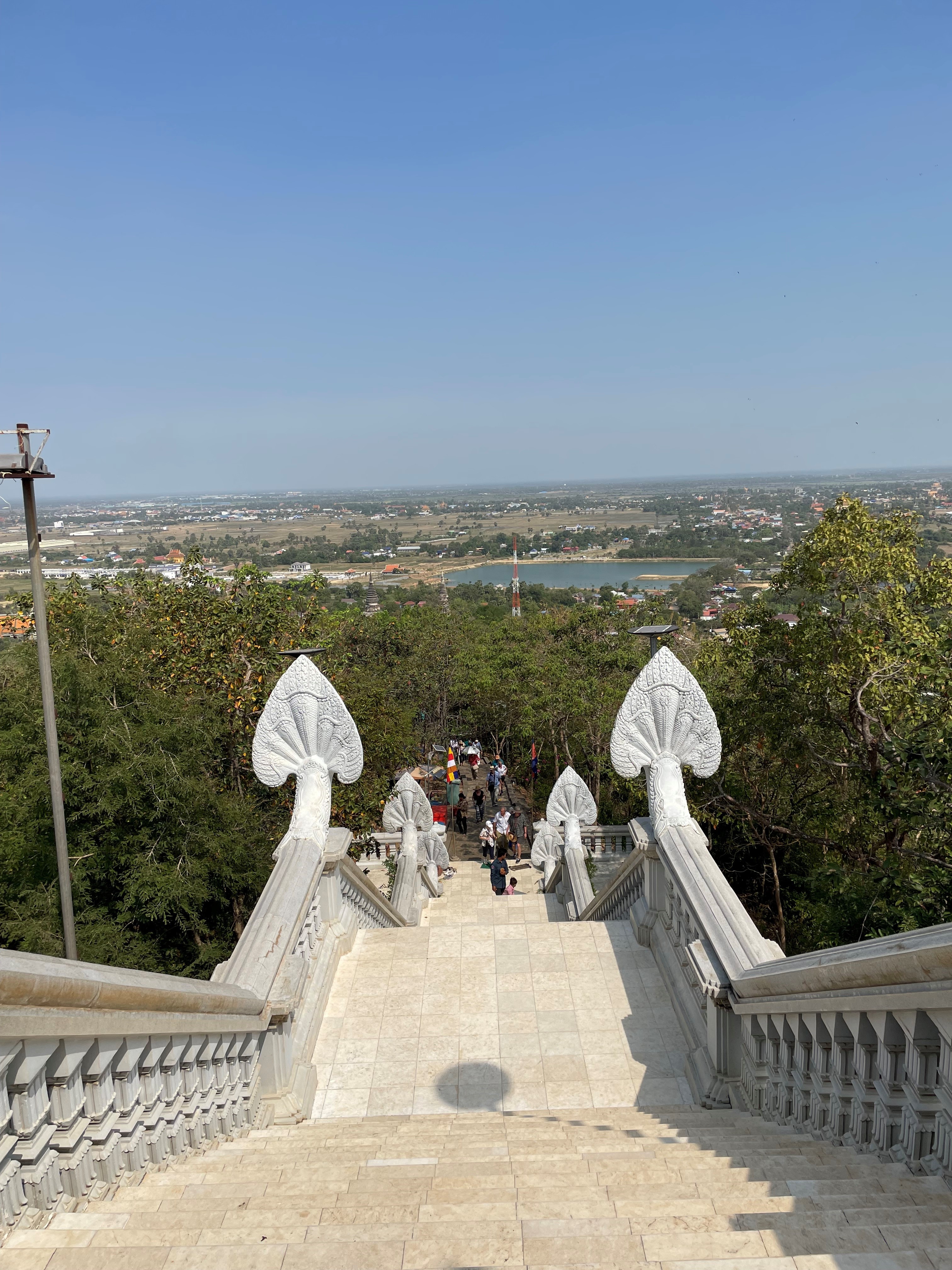
509 steps will take you to the top of Oudong Mountain to see the Preah Sakyamoni Chedi, which is said to house relics from the Buddha himself.


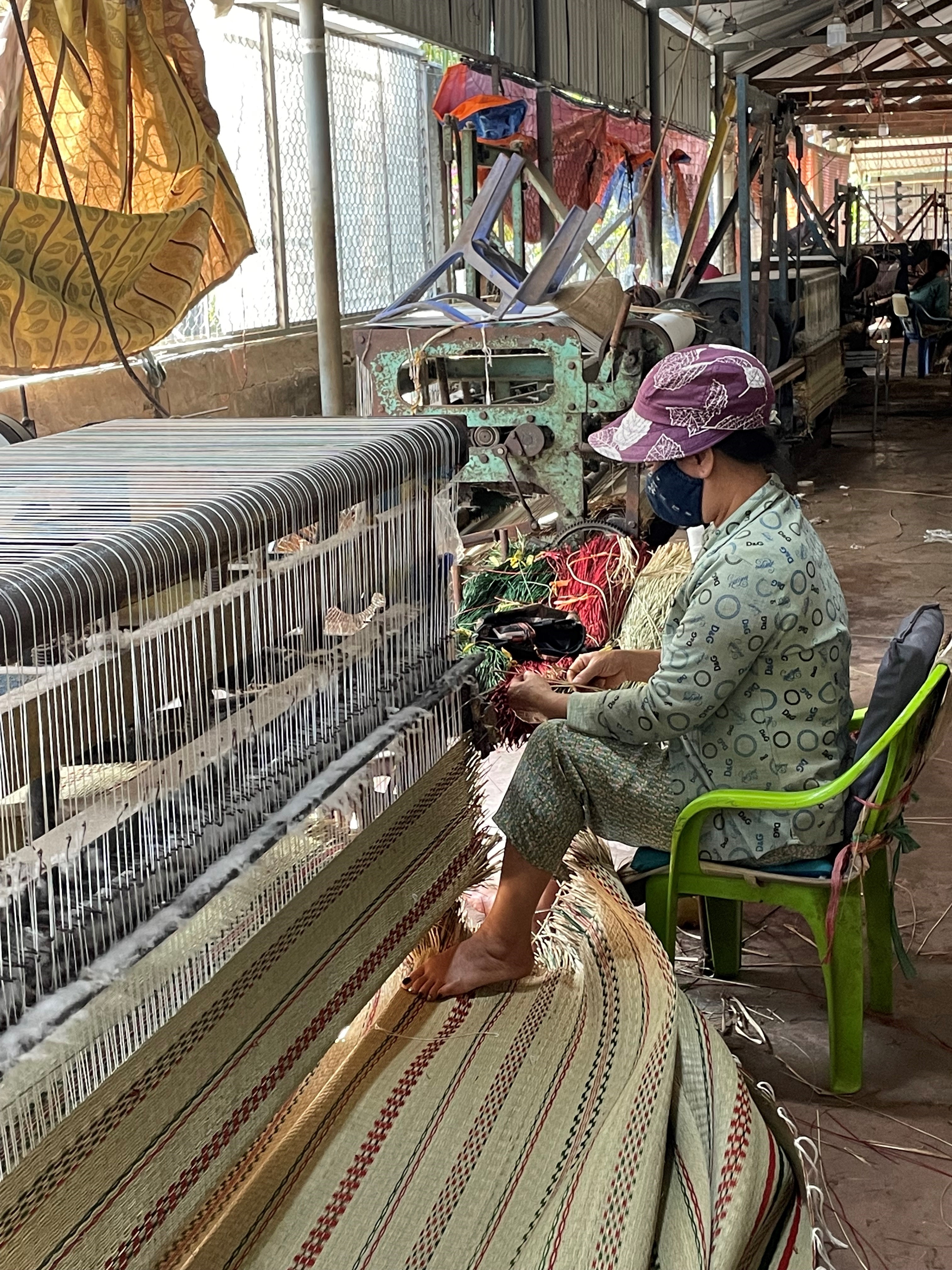
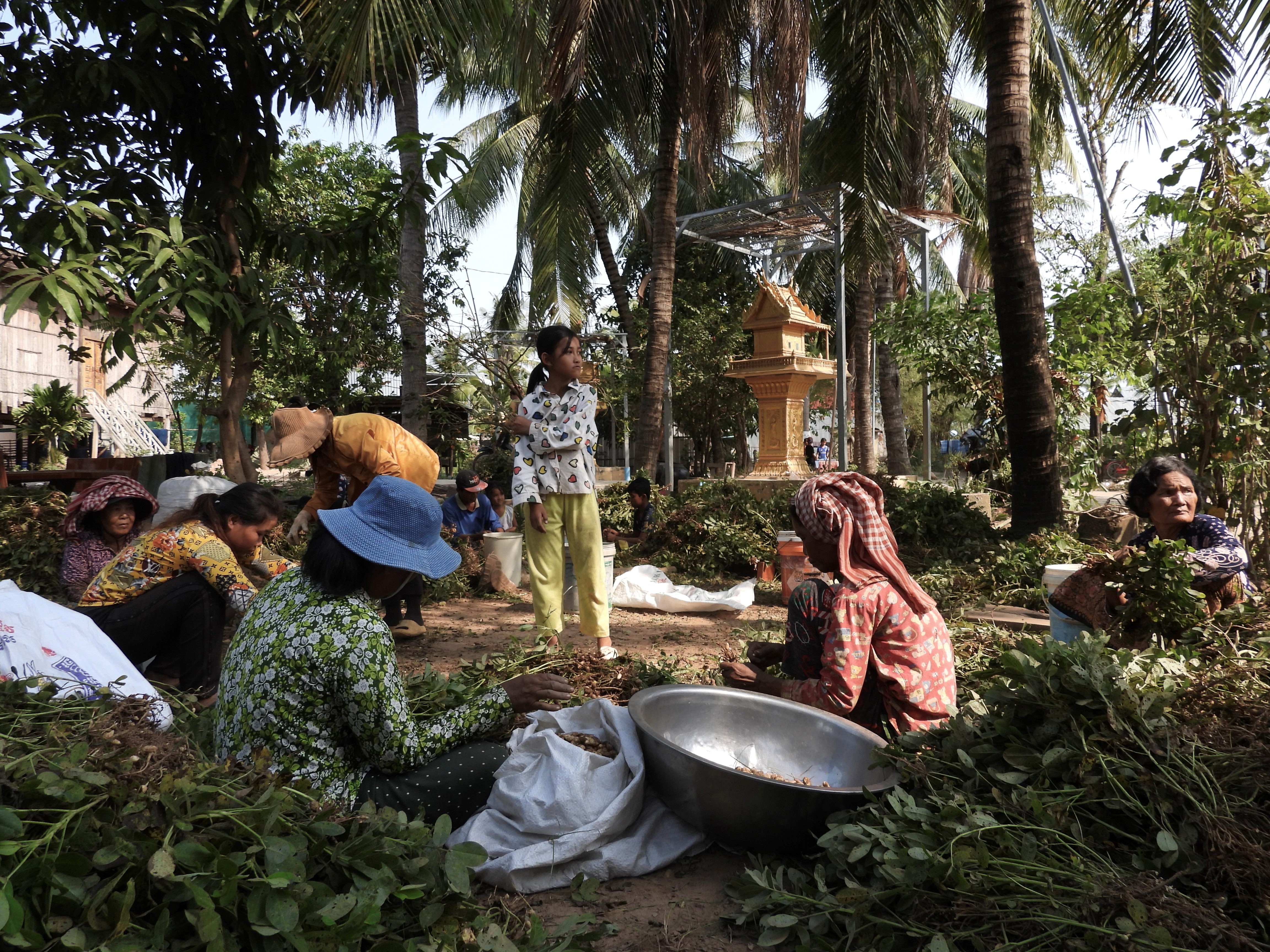
Oknhatey Village: a beautiful island well known for its Silk Weaving.


Angkor Ban: Angkor Ban a village of colorful wooden homes.


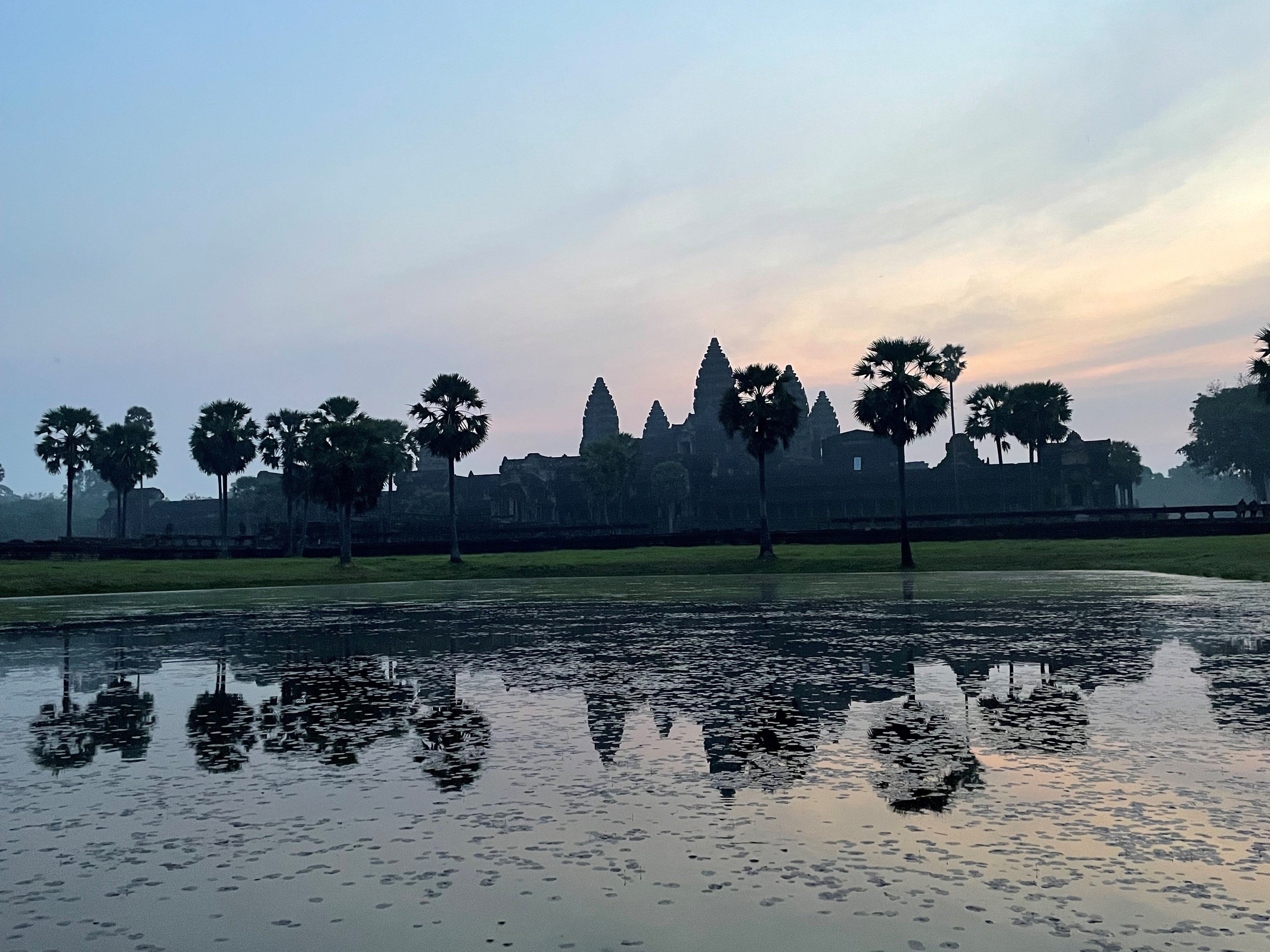
Siem Reap: Sunrise excursion to Angkor Wat Archaeological Park and UNESCO World Heritage site.

It’s never TOO early to plan your next adventure. Email me, mollie@herrickstravel.com to inquire about upgrades, complimentary breakfast, special amenities, and VIP service for all Herricks Travel customers. To receive my blogs to your inbox, please enter your email address in the subscriber box, and respond to the confirmation email.
Click here, to see all of my recent travel articles.

Discover the Beauty of Namibia’s Namib Desert at &Beyond Sossusvlei Desert Lodge

Discover the Beauty of Namibia’s Namib Desert at &Beyond Sossusvlei Desert Lodge

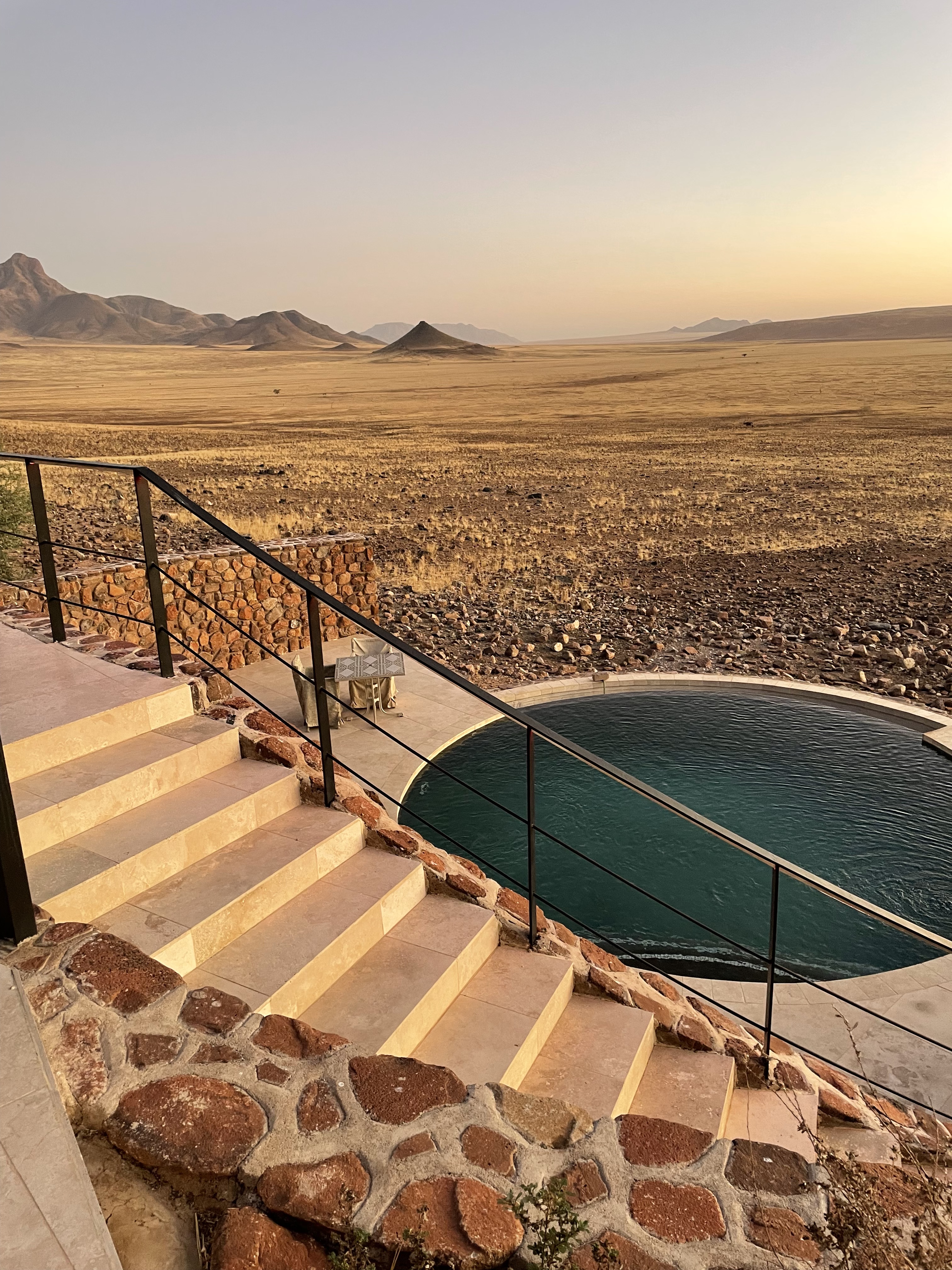
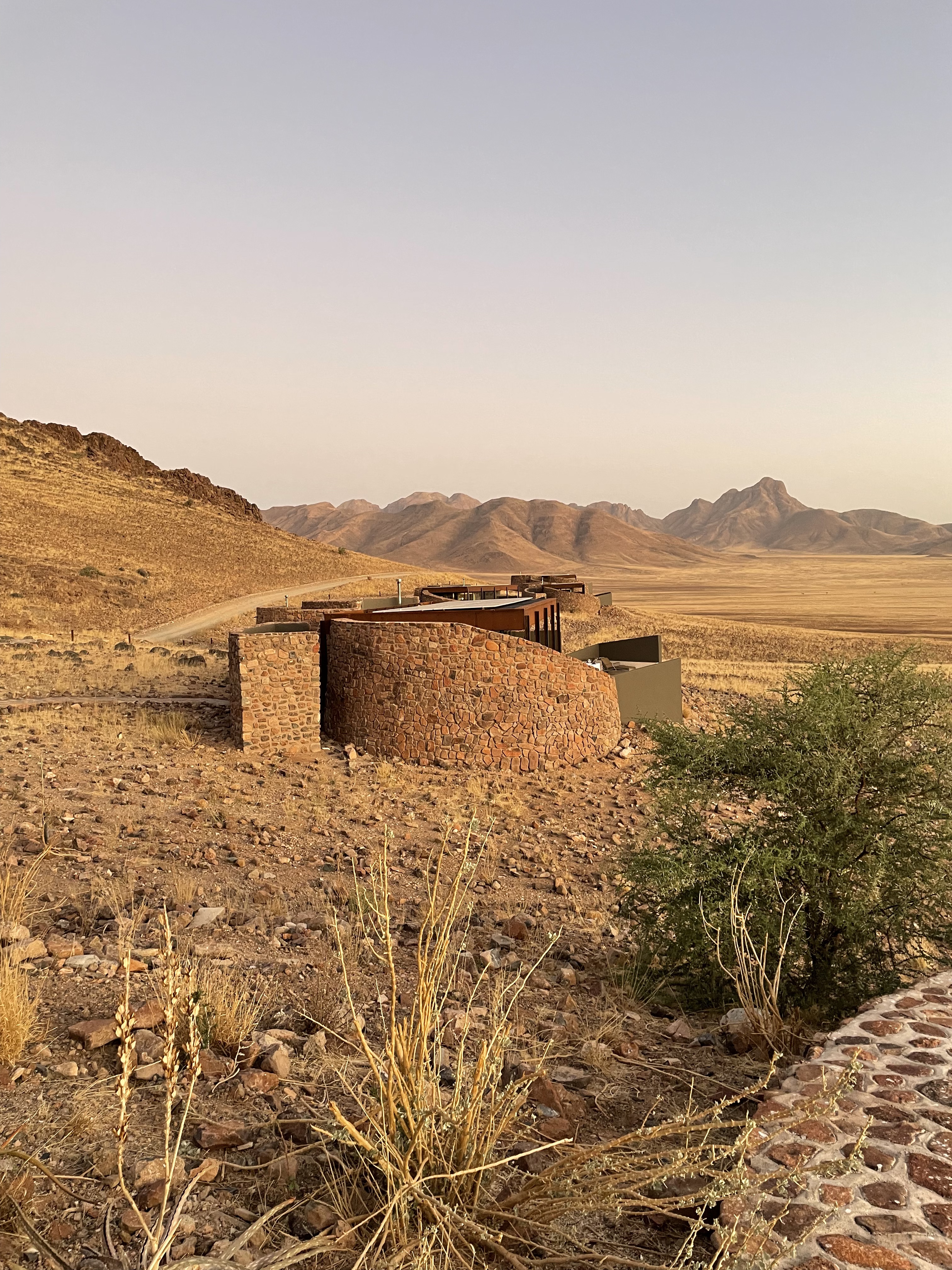
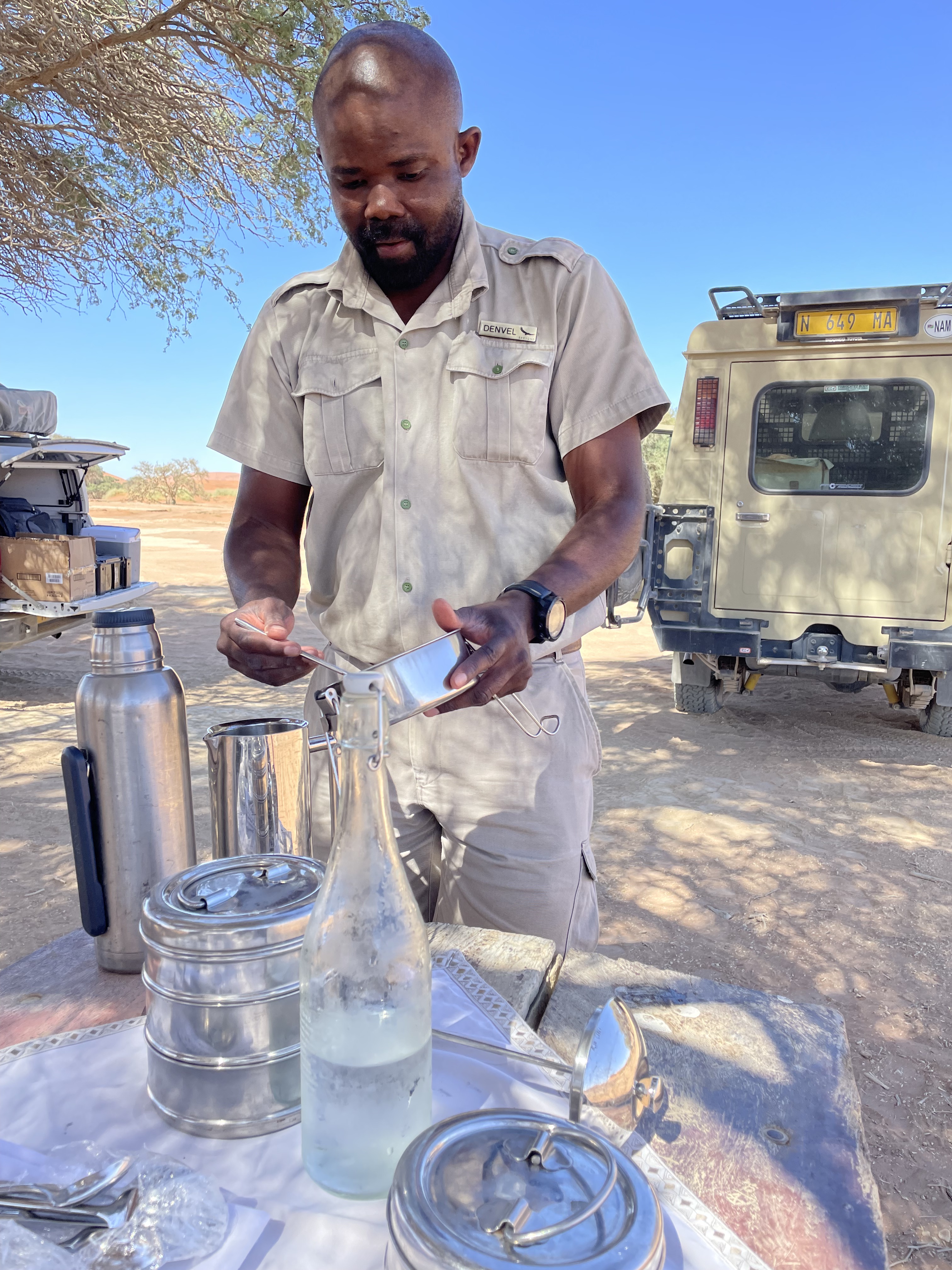
Hidden within Namibia’s Namib Desert, &Beyond Sossusvlei Desert Lodge offers an exclusive retreat amidst one of Africa’s and the world’s most striking landscapes. For an authentic African Safari experience, include a stay here. This luxury lodge blends seamlessly with its surroundings, providing an unparalleled experience of the desert’s serene beauty. Wake up to breathtaking views of the vast dunes and mountains. Explore the region’s unique flora and fauna, or simply relax by the lodge’s infinity pool, which overlooks the expansive desert plains. As night falls, the lodge’s state-of-the-art observatory opens, offering mesmerizing stargazing opportunities under some of the clearest skies on Earth. Combining luxurious accommodations with a deep respect for the natural environment, &Beyond Sossusvlei Desert Lodge promises an unforgettable journey into the heart of Namibia’s desert wonderland.

Our amazing Micato Safari started in Namibia’s capital city Windhoek, then continued on with overnight stays and game drives in Etosha National Park and the Skeleton Coast (click the links to see my previous articles). After departing Shipwreck Lodge and a quick refuel stop, we landed at &Beyond’s private lodge airstrip. Our first glimpse revealed the resort’s dramatic setting among an expanse of dunes, rocky outcrops, and plains. Ten beautifully appointed stone and glass suites, along the curve of the escarpment, look out on the ever-changing desert landscape. All suites are air conditioned with shaded veranda, private plunge pool, living room with fireplace, and glass enclosed rain shower with 180-degree views. The main, split level, lodge area was the perfect spot to enjoy a drink and watch nature unfold before us.

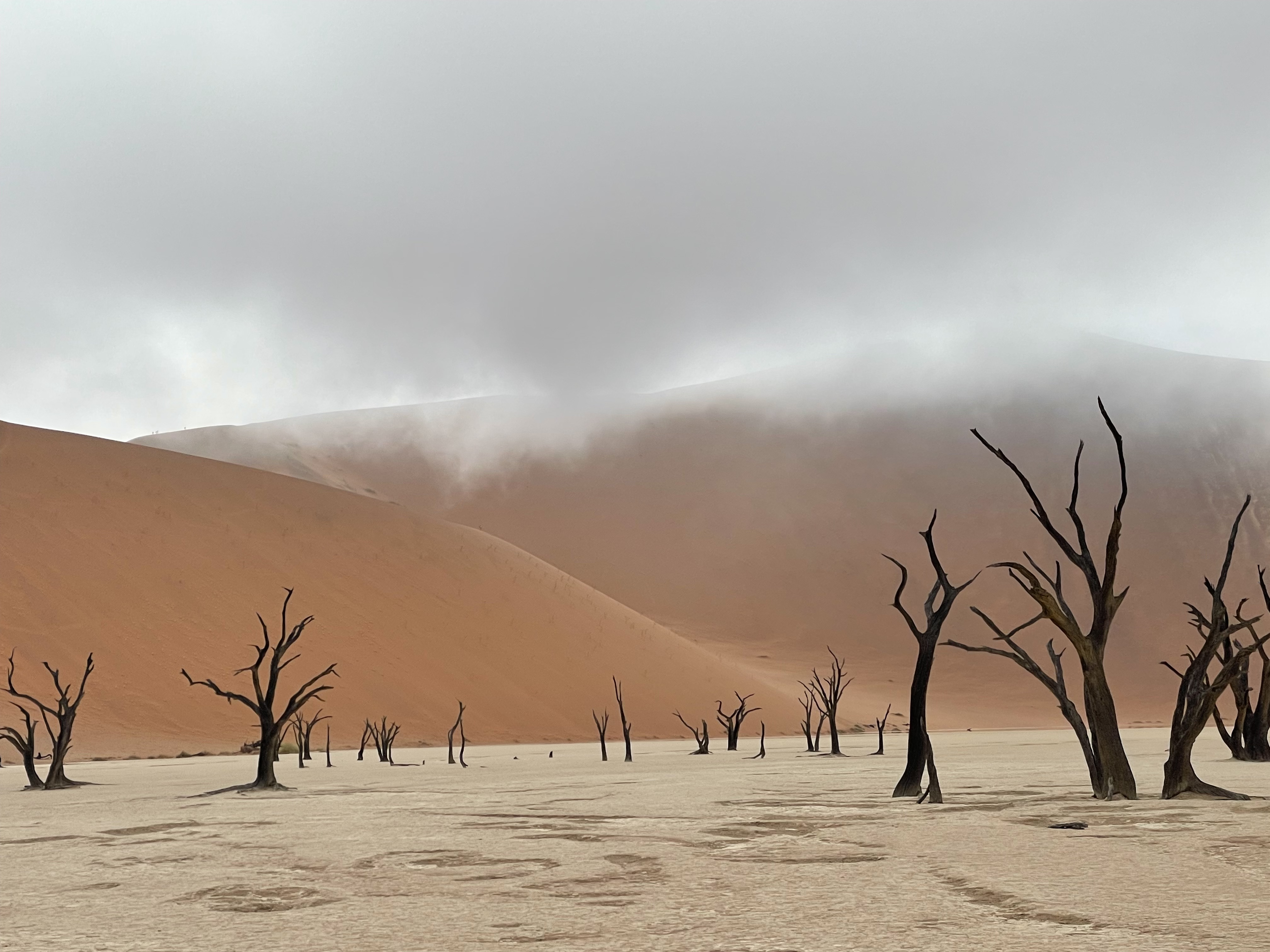
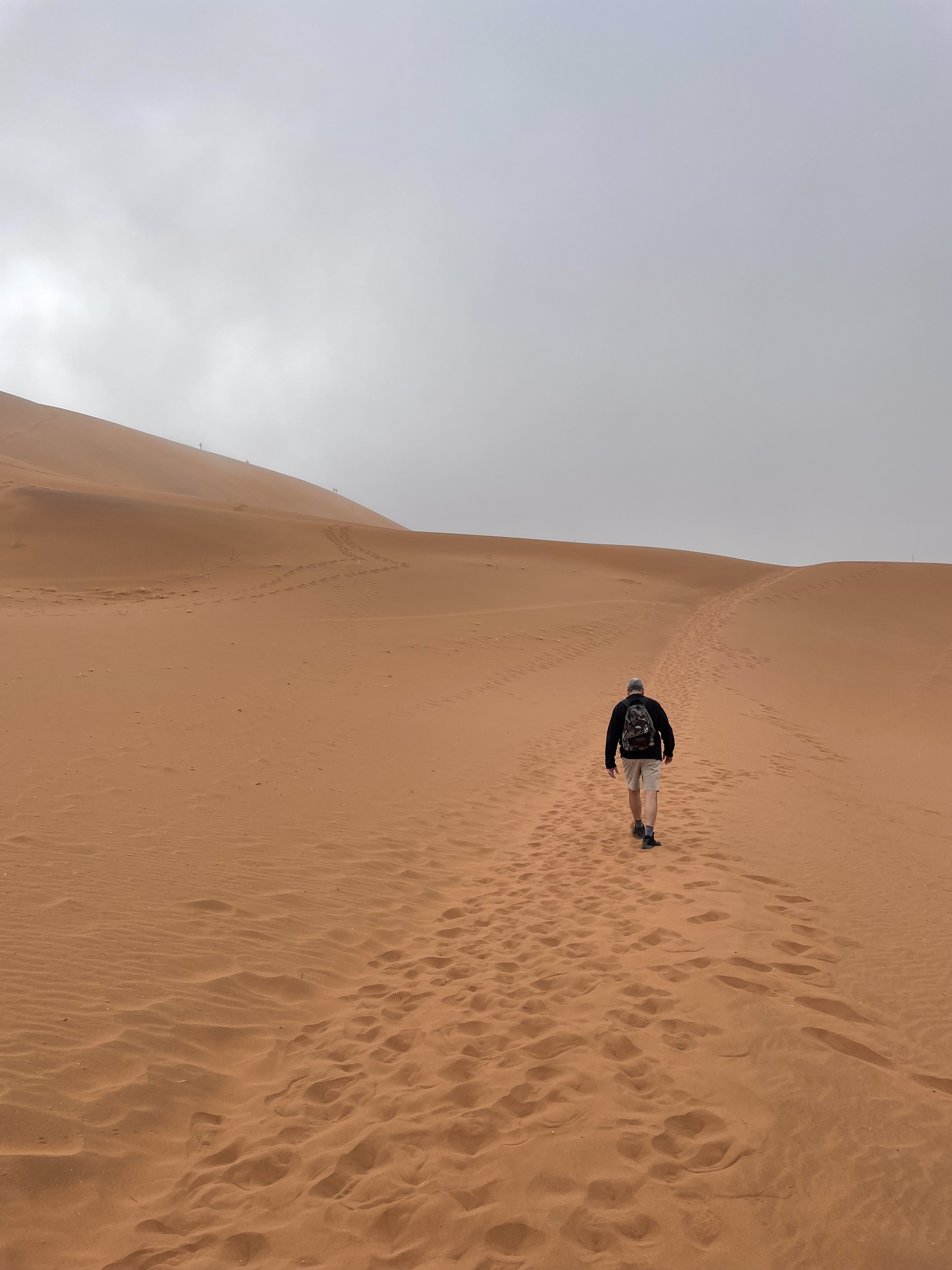
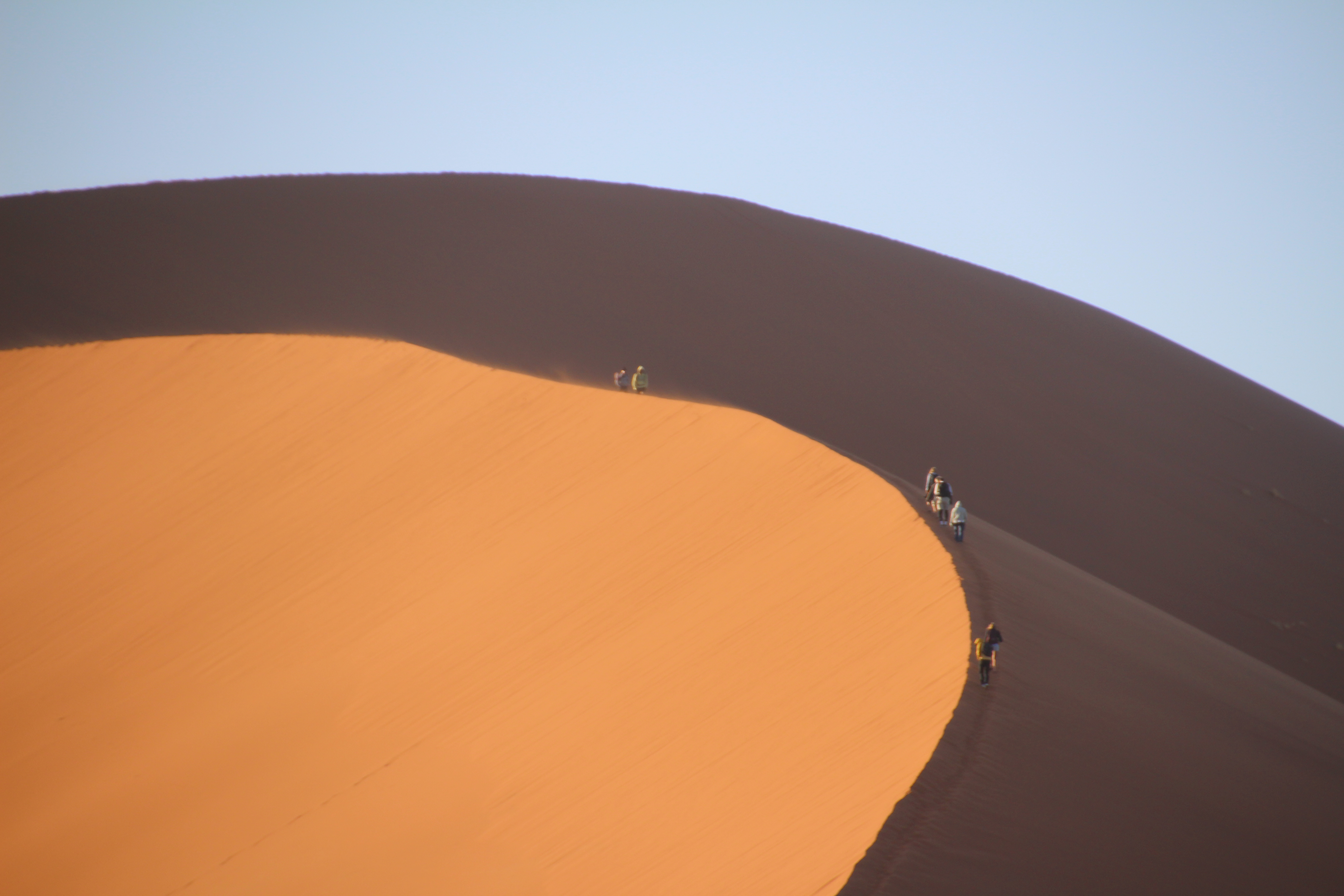
&Beyond Sossusvlei Desert Lodge put us in the perfect position to embark on a safari game drive in the vast Namib-Naukluft National Park. Sossusvlei is a surreal desert landscape – its towering red dunes meet stark white salt pans, creating an otherworldly spectacle. Climbing the iconic Dune 45 (not for the faint of heart!) offers panoramic views that stretch to the horizon, while the hauntingly beautiful Deadvlei, with its ancient, desiccated trees standing in stark contrast to the white clay pan and red dunes, is a photographer’s dream. The tranquility and raw beauty of Sossusvlei make it a must-visit for those seeking to immerse themselves in one of the world’s most unique desert environments.

We could not tear ourselves away from this mystical landscape, furiously taking pictures as the early morning mist slowly lifted to reveal colors that our eyes could not comprehend. The musky desert fragrance, the cool breeze transformed into desert heat, and the silent setting created a vivid full sensory memory of this magical place and left us grateful that places like this still exist on our fragile planet.

It’s never TOO early to plan your next adventure. Our safari was organized with Micato Safaris, voted top safari outfitter year after year. They ensured our trip went off with out a hitch, with the best guides, accommodations, transportation, and amenities. Email me, mollie@herrickstravel.com and find out about upgrades, complimentary breakfast, special amenities, and VIP service for all Herricks Travel customers. To receive my blogs to your inbox, please enter your email address in the subscriber box, and respond to the confirmation email.
Top Thailand Resort – Anantara Golden Triangle Elephant Camp

Top Thailand Resort – Anantara Golden Triangle Elephant Camp

Any first-time trip to Thailand will feature visits to Bangkok, Chiang Mai, and most definitely some beach time on the islands including Phuket or Koh Samui. For an unforgettable adventure, include a worthwhile detour to Chiang Rai in Northern Thailand’s Golden Triangle, named for the mountainous region where three countries meet: Thailand, Myanmar, and Laos.

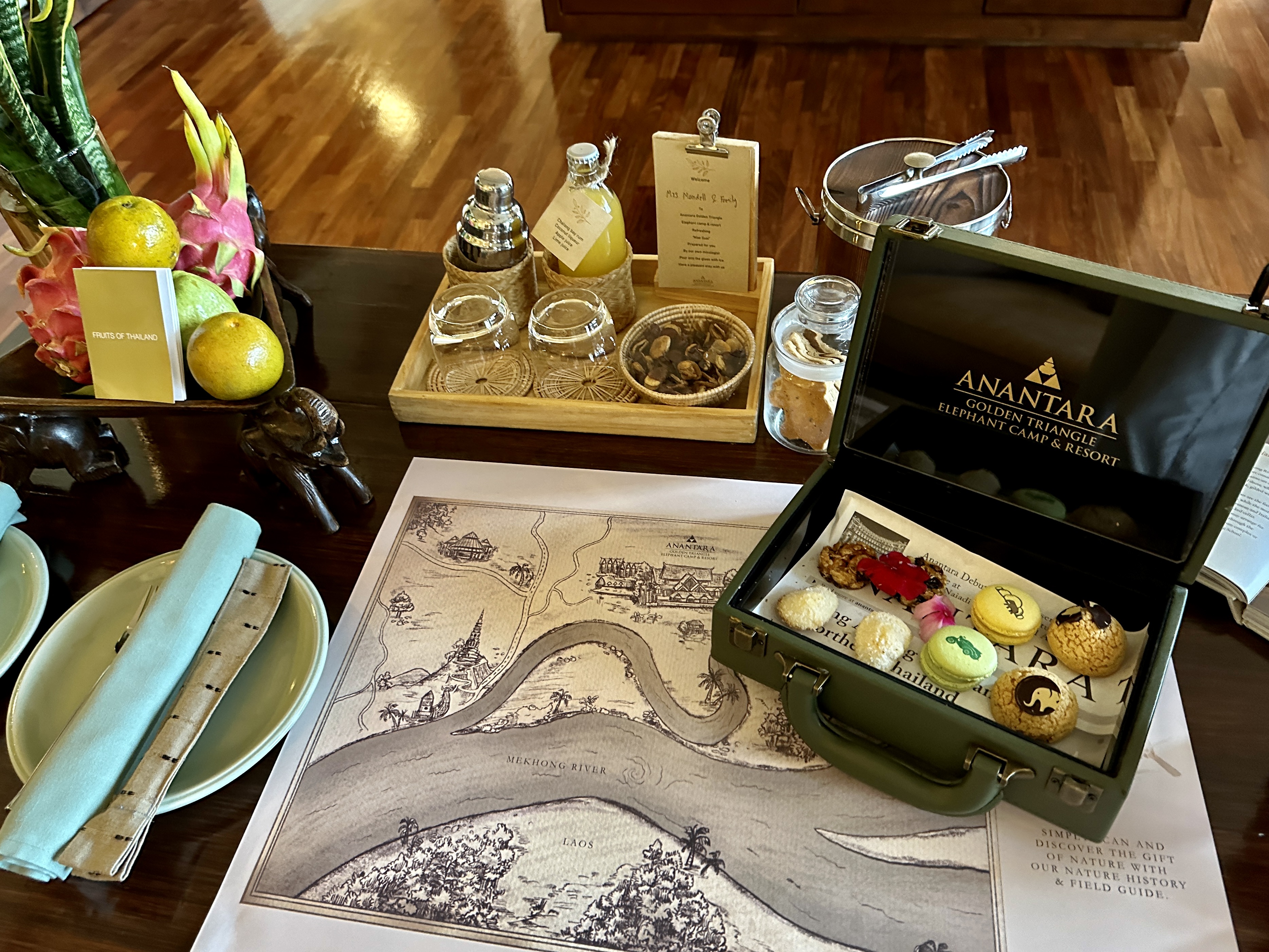
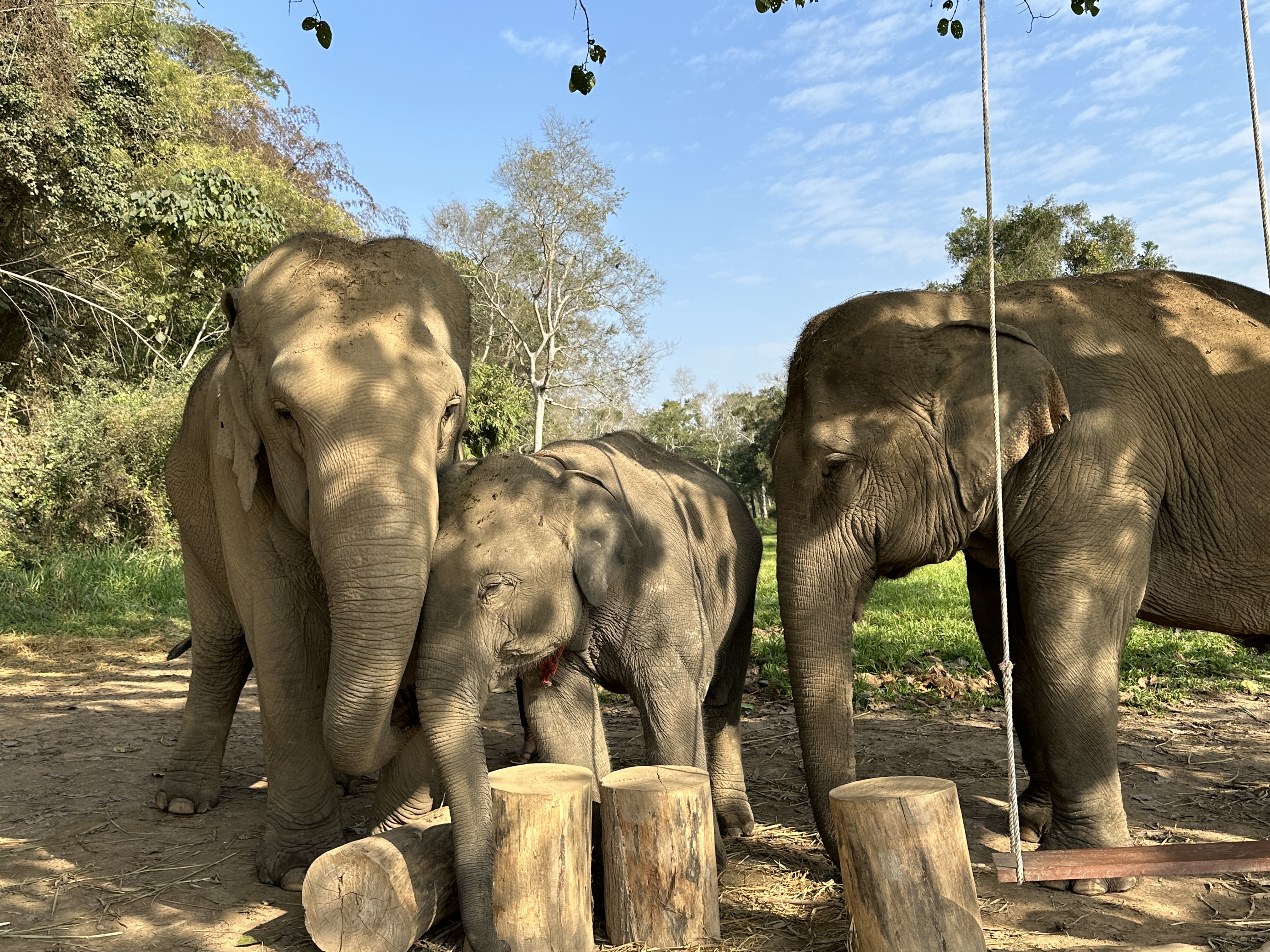
During our recent trip to Thailand, after a few days in Bangkok, we flew to Chiang Rai airport and spent an unforgettable three days at one of Thailand’s top resorts, Anantara Golden Triangle Elephant Camp, just a one-hour drive from the local airport. Nestled among bamboo forests, lush gardens, and rice paddies, a highlight of the stay is the opportunity to bond with the elephants that reside in the sanctuary adjacent to the property. Besides food and beverage, each night of your stay includes a choice of resort activities including spa services and elephant experiences.

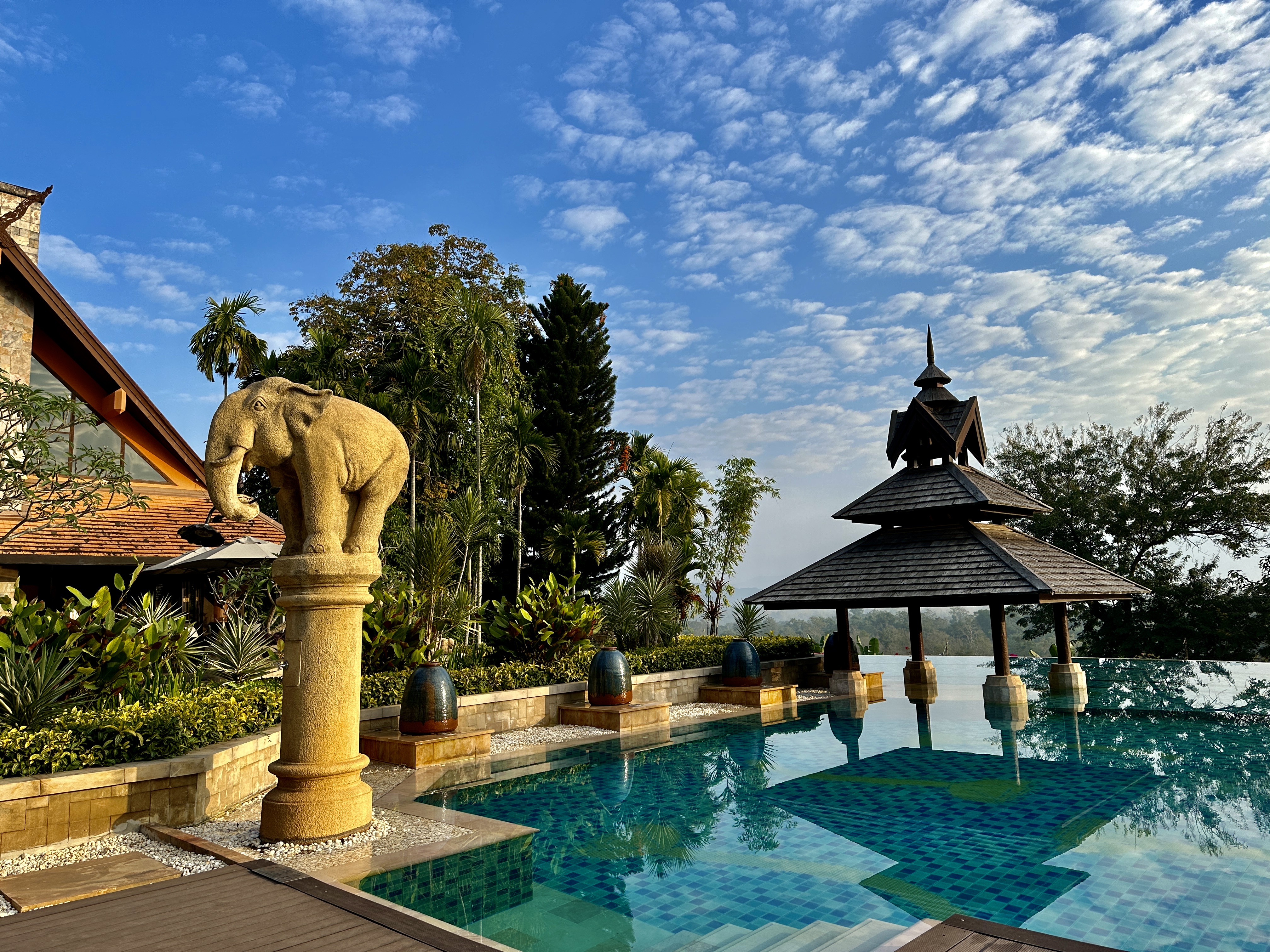
This tranquil resort features modern and spacious rooms with indigenous artwork, traditional teak furnishings, and private balconies with day beds where we lounged in the afternoons taking in the tri-country views. We enjoyed excellent meals with Thai and international favorites served in the double story open-air pavilion resort restaurant with views of the mountains and Mekong River below. The resort infinity pool is ringed by cozy cushioned chaise lounges and was a great spot to relax and take in the colorful gardens that surround the property. One afternoon, we indulged in the resort spa which offers traditional Thai massage, yoga sessions, and healing treatments that soothe with the scent of lemongrass and the sounds of birdsong.

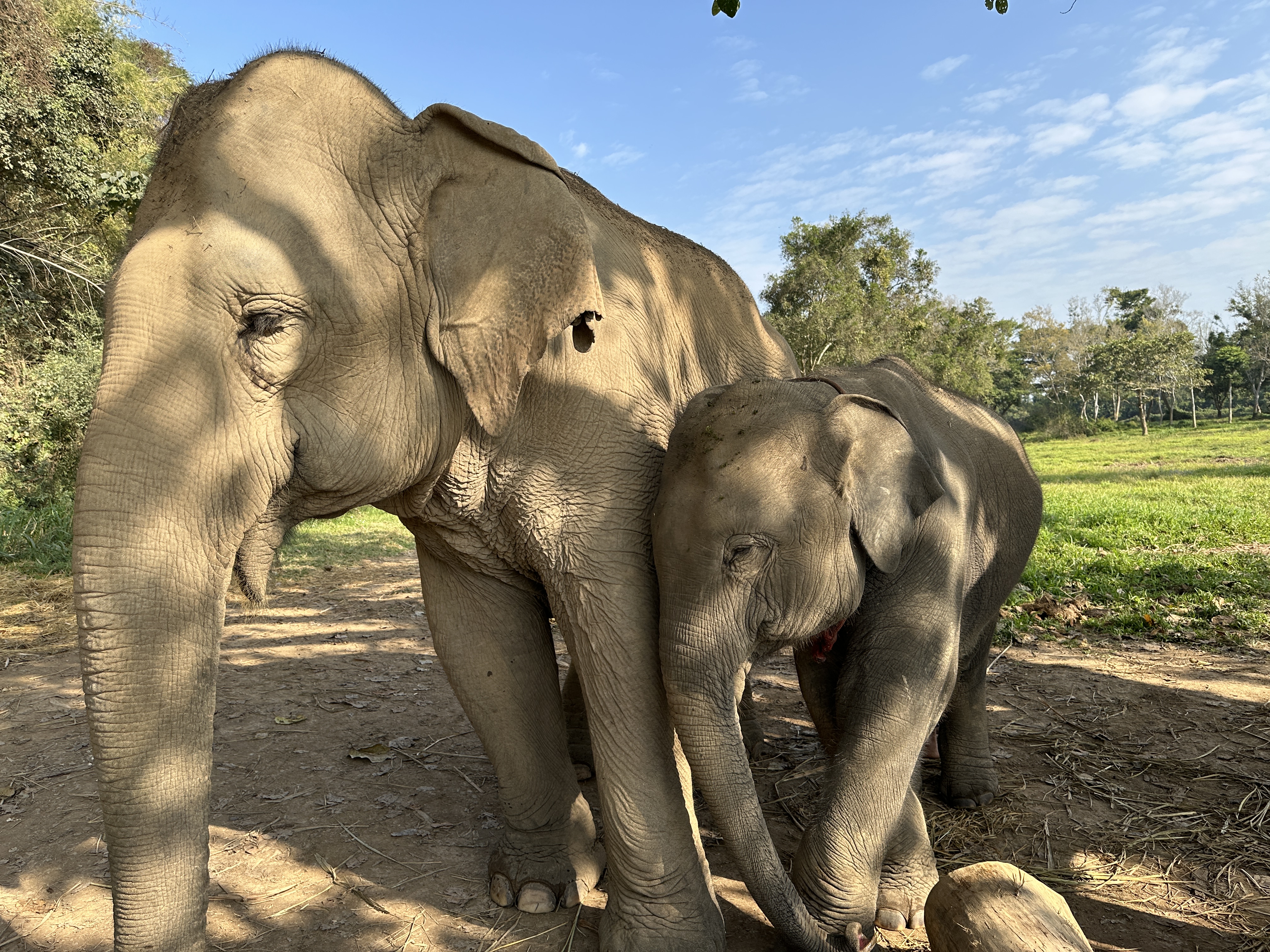
We chose “Walking with Giants” as our elephant experiencean opportunity to bond with these gentle giants in the caretaker village. We learned about the cultural customs of mahouts, the keepers who have for generations worked and lived side by side with these animals throughout South-eastern Asia. Our three-hour adventure included a walk through the jungle in the elephants’ footsteps observing them in their natural environment as they played in the mud, splashed in the river, snacked on leaves and figs they plucked from our palms, and socialized with their fellow elephants… and us! Our excellent guide was one of the veterinarians tasked with keeping the herd of 26 healthy and happy.

Looking for something extra special? Book a night in one of the resort’s Jungle Bubbles. Spend an unforgettable night observing the majestic creatures in their natural habitat from the comfort of an airconditioned, transparent one or two-bedroom fully furnished Jungle Bubble.

It’s never TOO early to plan your next adventure. Email me, mollie@herrickstravel.com and find out about upgrades, complimentary breakfast, special amenities, and VIP service for all Herricks Travel customers. To receive my blogs to your inbox, please enter your email address in the subscriber box, and respond to the confirmation email.

Namibia’s Etosha National Park

Namibia’s Etosha National Park

Namibia takes its name from the world’s oldest and most impressive deserts — The Namib. Along with the famous Skeleton Coast, (check out my previous article here), Etosha National Park must be included on your Namibia safari itinerary. This southwestern African nation is bordered by South Africa, Zambia, and Botswana. A wildlife haven nestled in the heart of Namibia, the expansive park, covering over 22,000 square kilometers, is a paradise for nature enthusiasts and safari lovers. The park is not only a wildlife hotspot but also a place that reflects Namibia’s rich cultural tapestry — the local communities surrounding Etosha, including the Ovambo, Himba, and Herero people, contribute to the park’s cultural diversity.

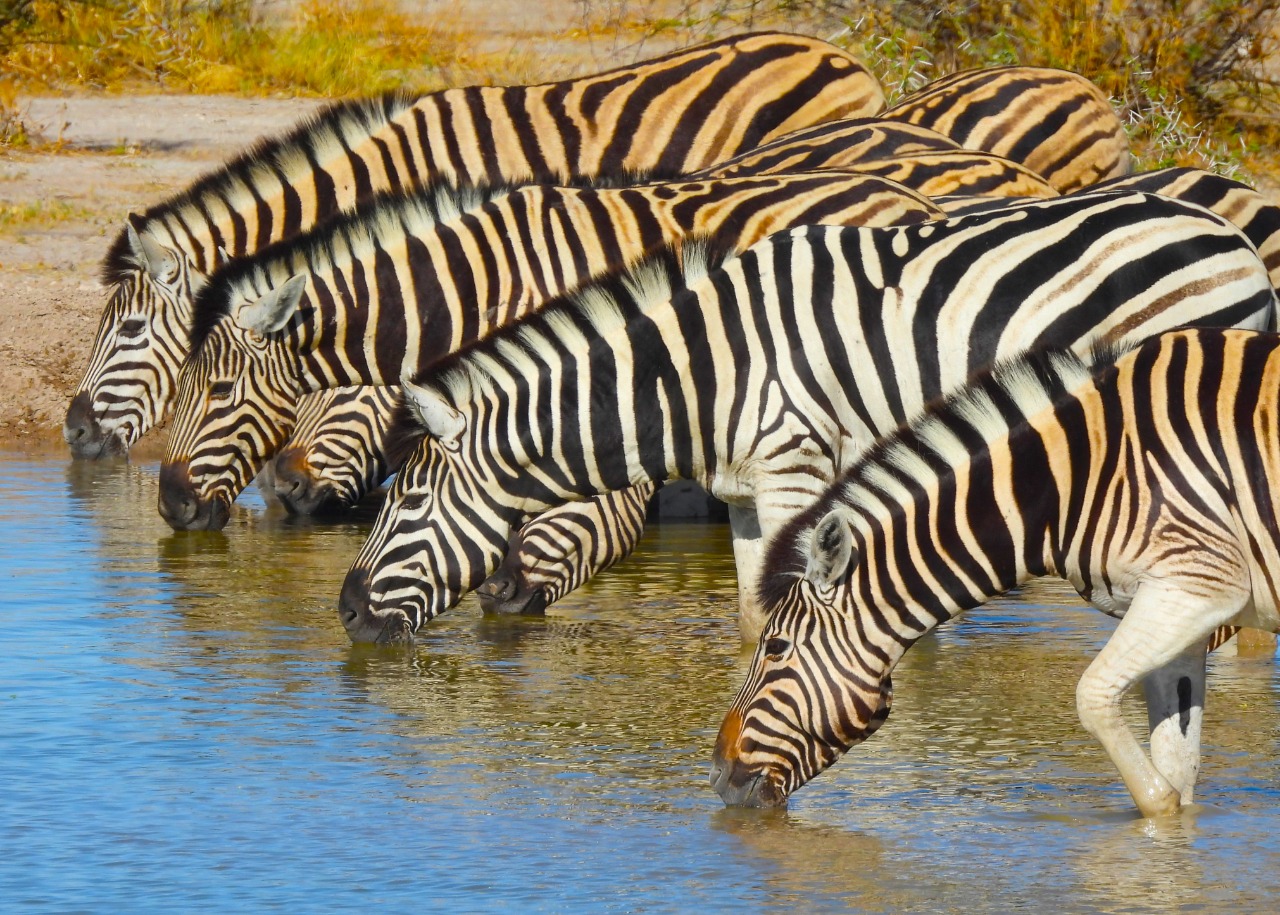
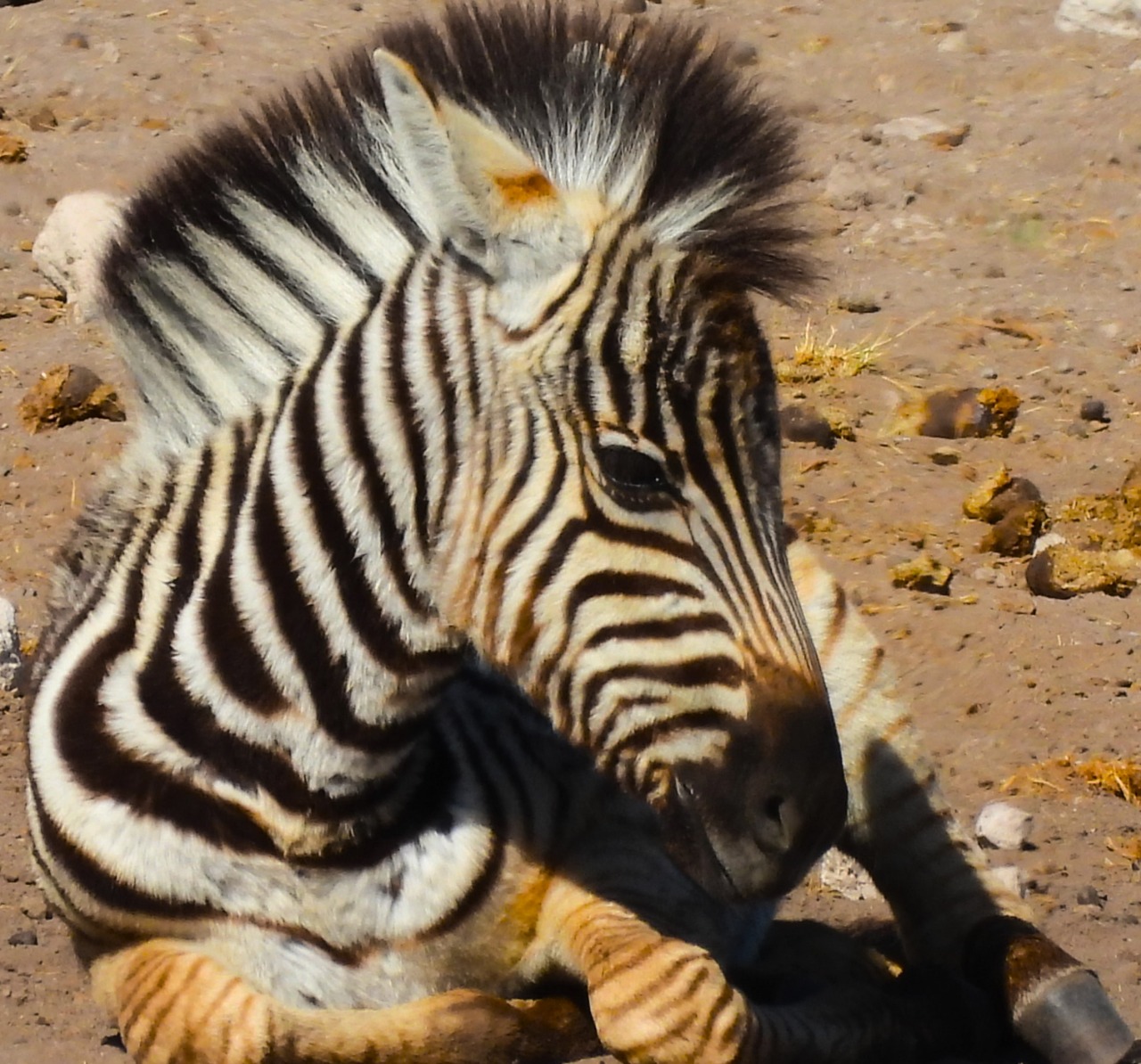
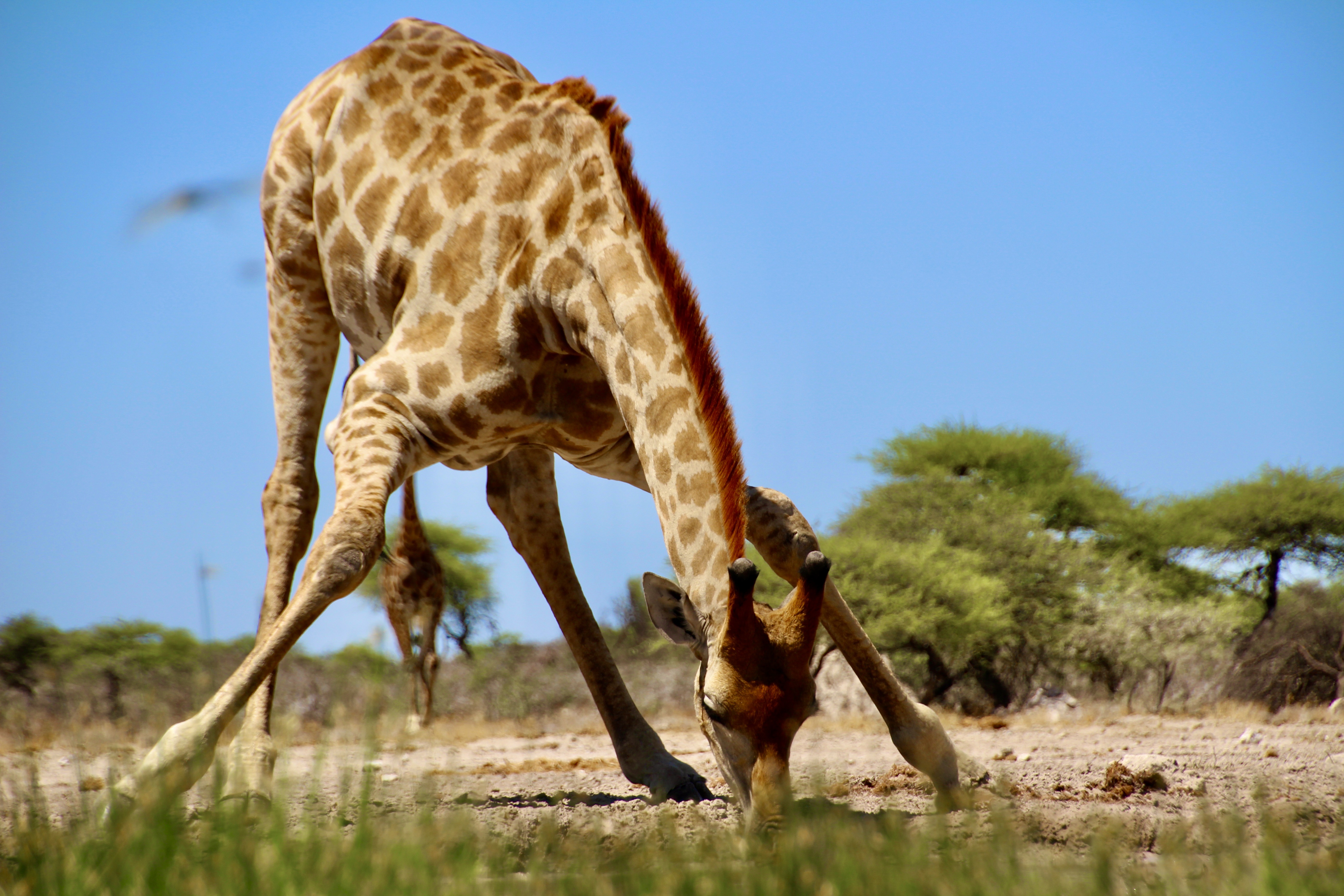
Etosha is renowned for its incredible wildlife and is home to four of the Big Five – elephants, lions, leopards, and rhinos – plus, plenty of giraffes, zebras, wildebeests, and numerous antelope and bird species. Etosha’s waterholes are a prime location for observing the animals as they gather to quench their thirst, providing unparalleled opportunities for wildlife photography.

To reach Etosha National Park, we flew on Scenic Air in a Kodiak Turbo Prop from capital city Windhoek, having spent the night after arriving via a short commercial flight from Johannesburg.

At the heart of the park lies the vast Etosha Pan, an otherworldly expanse of shimmering white salt. During the dry season, the pan is a striking contrast to the arid savannah, creating a surreal landscape that stretches as far as the eye can see and functions as the focal point for both wildlife and visitors alike.

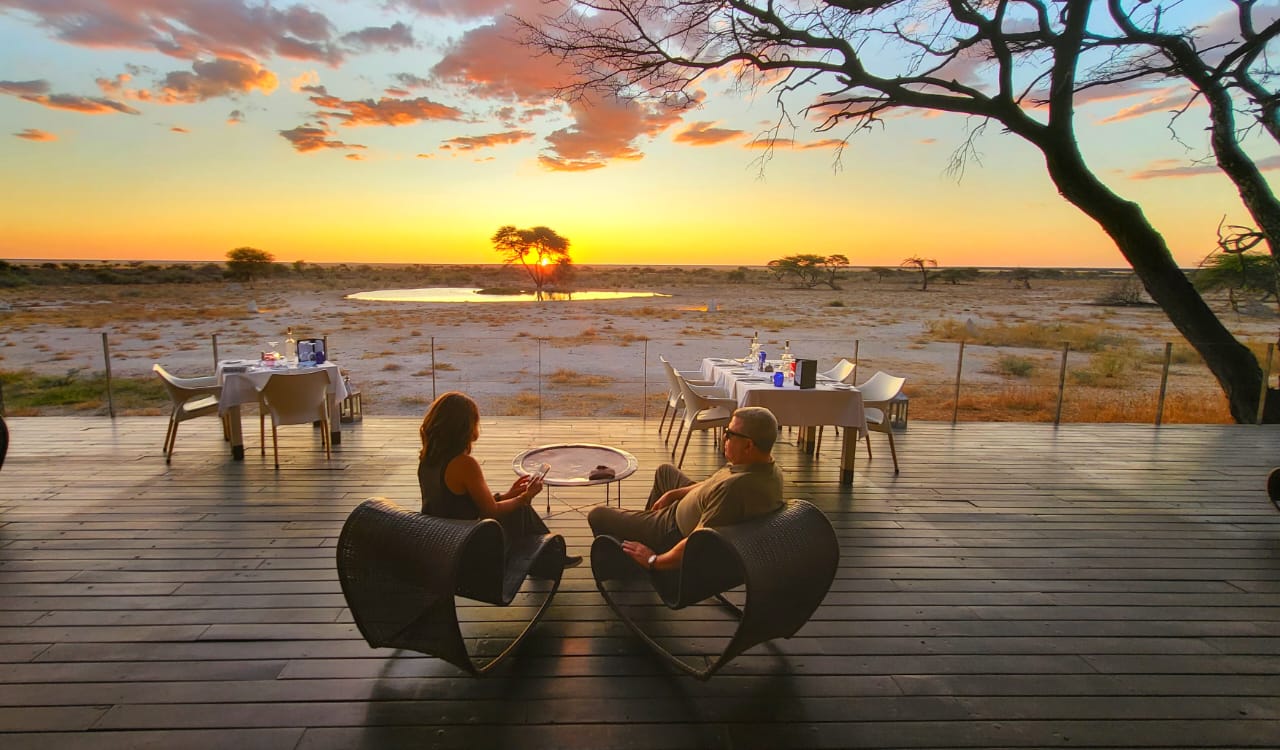
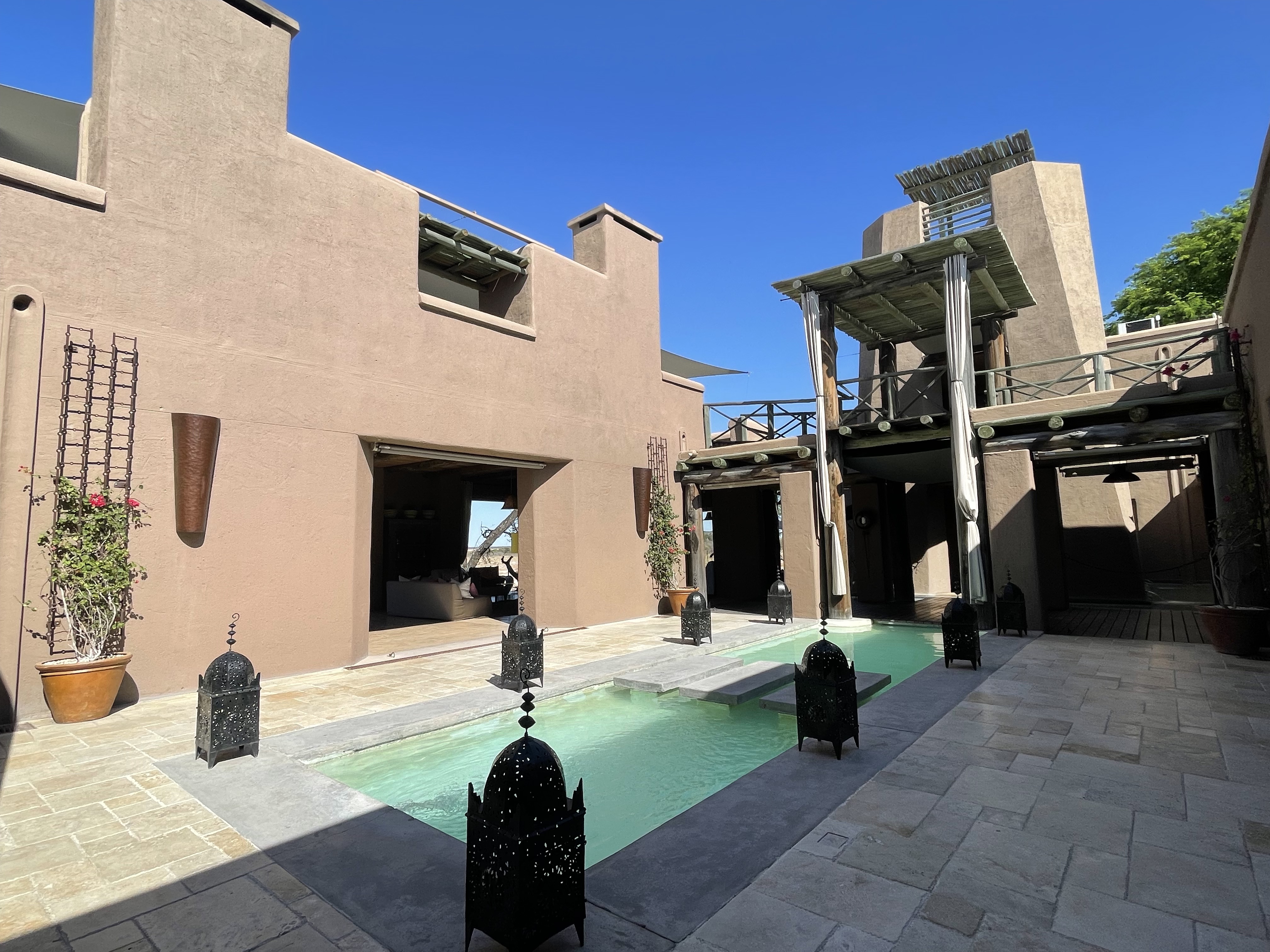
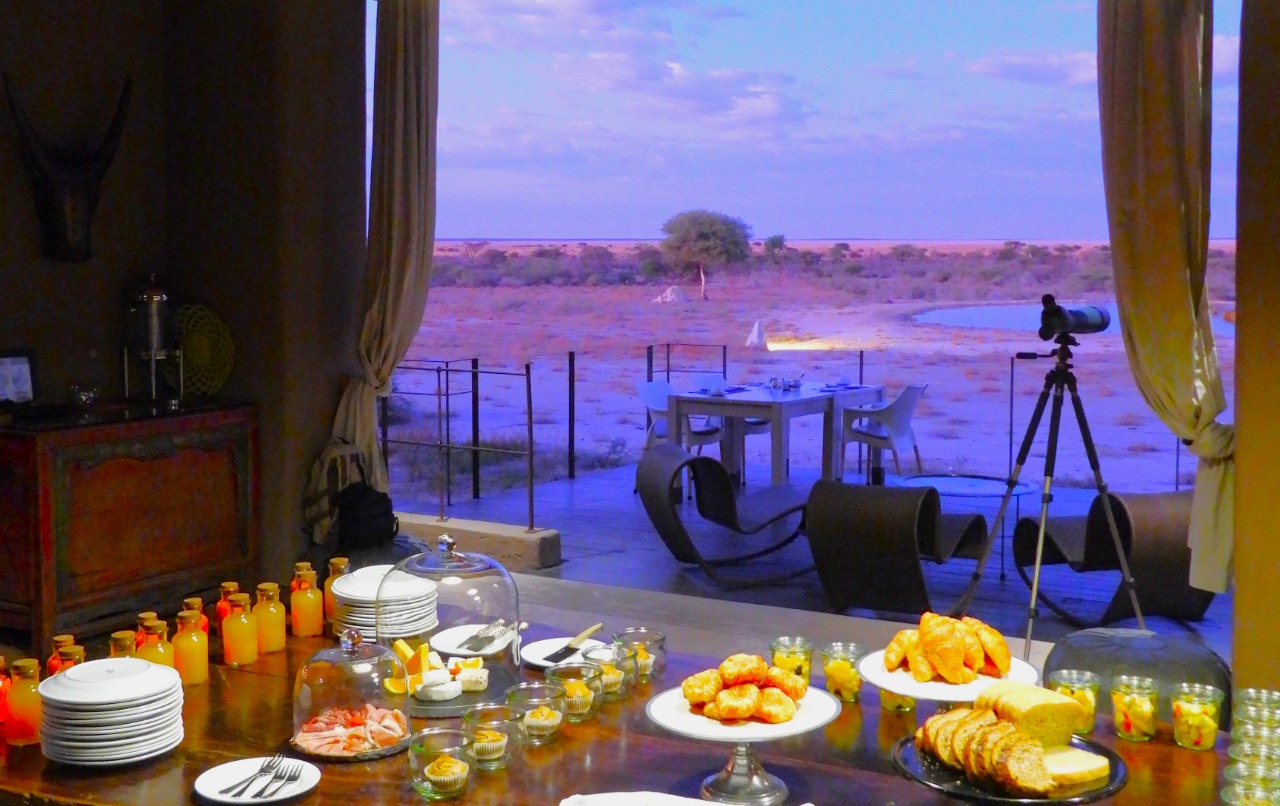
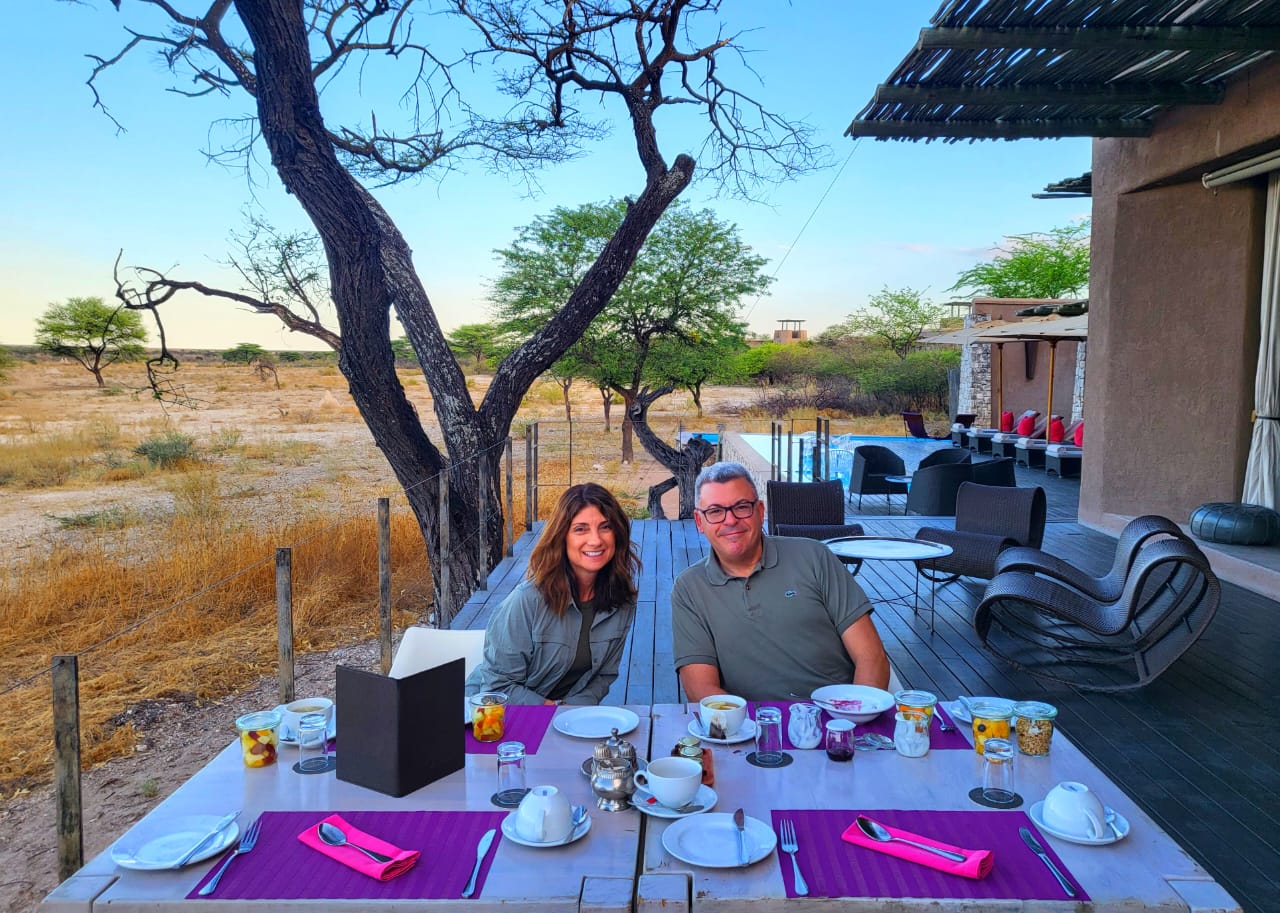
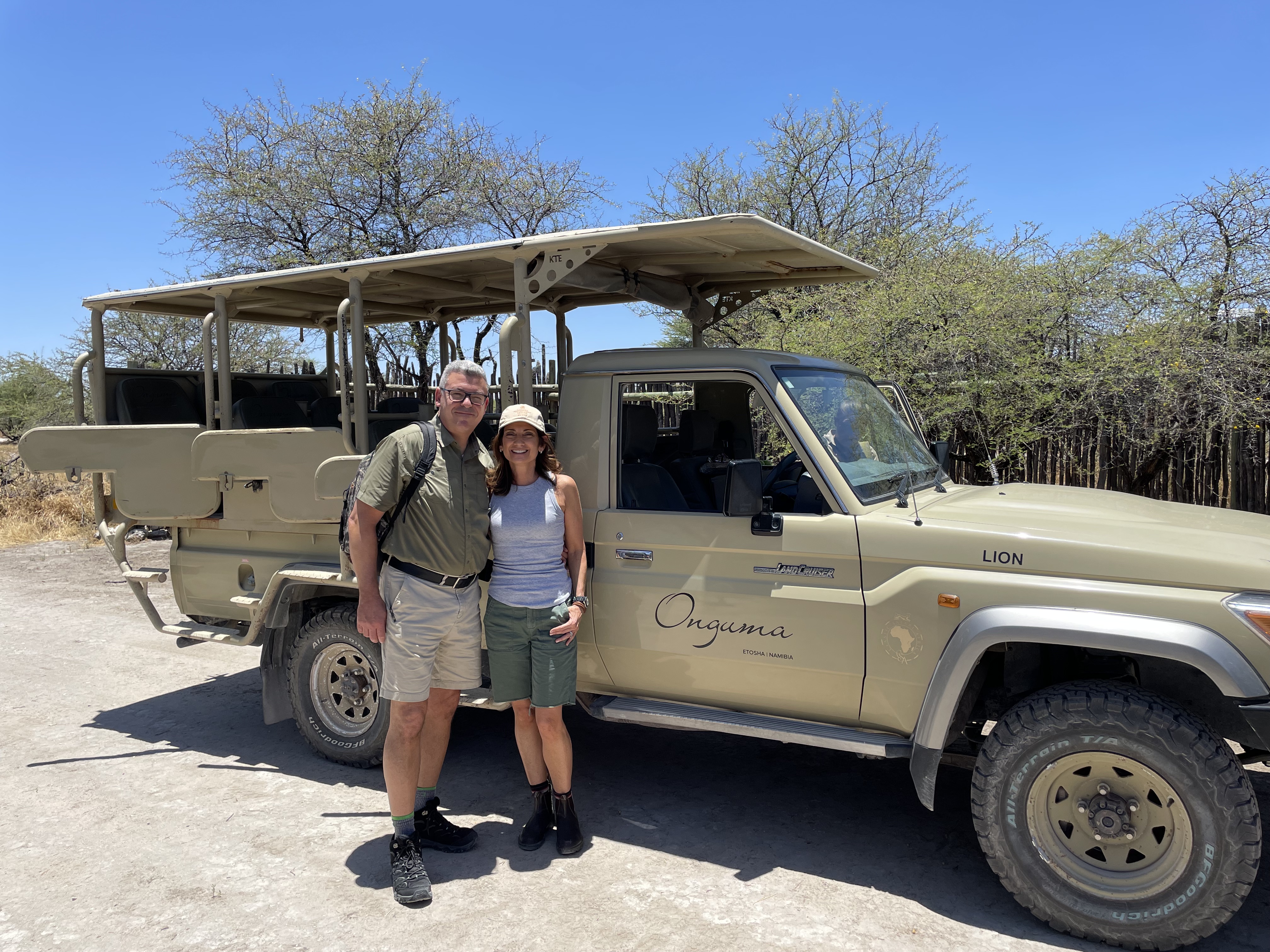
Our accommodations were at Onguma The Fort, located just outside the park. This exceptional property has a classic African feel with a touch of Indian and Moroccan flavors. Eleven private Bush Suites flank the Main Fort building, and all offer unparalleled sunset views of the Etosha Pans, frequently visited by a menagerie of wildlife especially during our evening meals on the lodge deck.

Our days were filled with early morning and late afternoon game drives in an open vehicle, with some time in between to sun ourselves and relax at the pool right off the main lodge courtyard. A big attraction at Onguma is “The Onkolo Hide.” This water-level camouflaged shelter affords guests the opportunity to sit calmly and enjoy the wildlife extremely up close and unobserved. The vantage points give you amazing camera angles.

Namibia is a country that blows away any preconceived notions of what Africa should be, and a visit to Etosha must be included in your itinerary. A gem in Namibia’s crown, this national treasure offers a perfect blend of natural beauty, cultural richness, and unparalleled wildlife encounters. And, a visit to Etosha, not only offers a unique wildlife experience, but it’s an opportunity to support conservation and anti-poaching efforts.

It’s never TOO early to plan your next adventure. Our safari was organized with Micato Safaris, voted top safari outfitter year after year. They ensured our trip went off with out a hitch, with the best guides, accommodations, transportation, and amenities. Email me, mollie@herrickstravel.com and find out about upgrades, complimentary breakfast, special amenities, and VIP service for all Herricks Travel customers. To receive my blogs to your inbox, please enter your email address in the subscriber box, and respond to the confirmation email.

Namibia’s Skeleton Coast “Shipwreck Lodge”

Namibia’s Skeleton Coast “Shipwreck Lodge”

An African safari transcends traditional travel – it is a captivating expedition that offers a unique blend of awe-inspiring landscapes, wildlife encounters, and cultural immersion.

Having visited South Africa, Kenya, and Tanzania, I looked forward to returning to Africa, this time to Namibia, a country that blows away any preconceived notions of what Africa should be. We packed our bags and headed on our adventure with Micato Safaris. A nonstop flight took us from New York to Johannesburg where we met up with our expert safari director, Brian. After an overnight stay at the beautiful resort-like Saxon Hotel, we connected with a short flight to Namibia’s capital city, Windhoek, spending a night at the iconic Weinberg Hotel. This serene estate property was the perfect place to recover from jetlag.

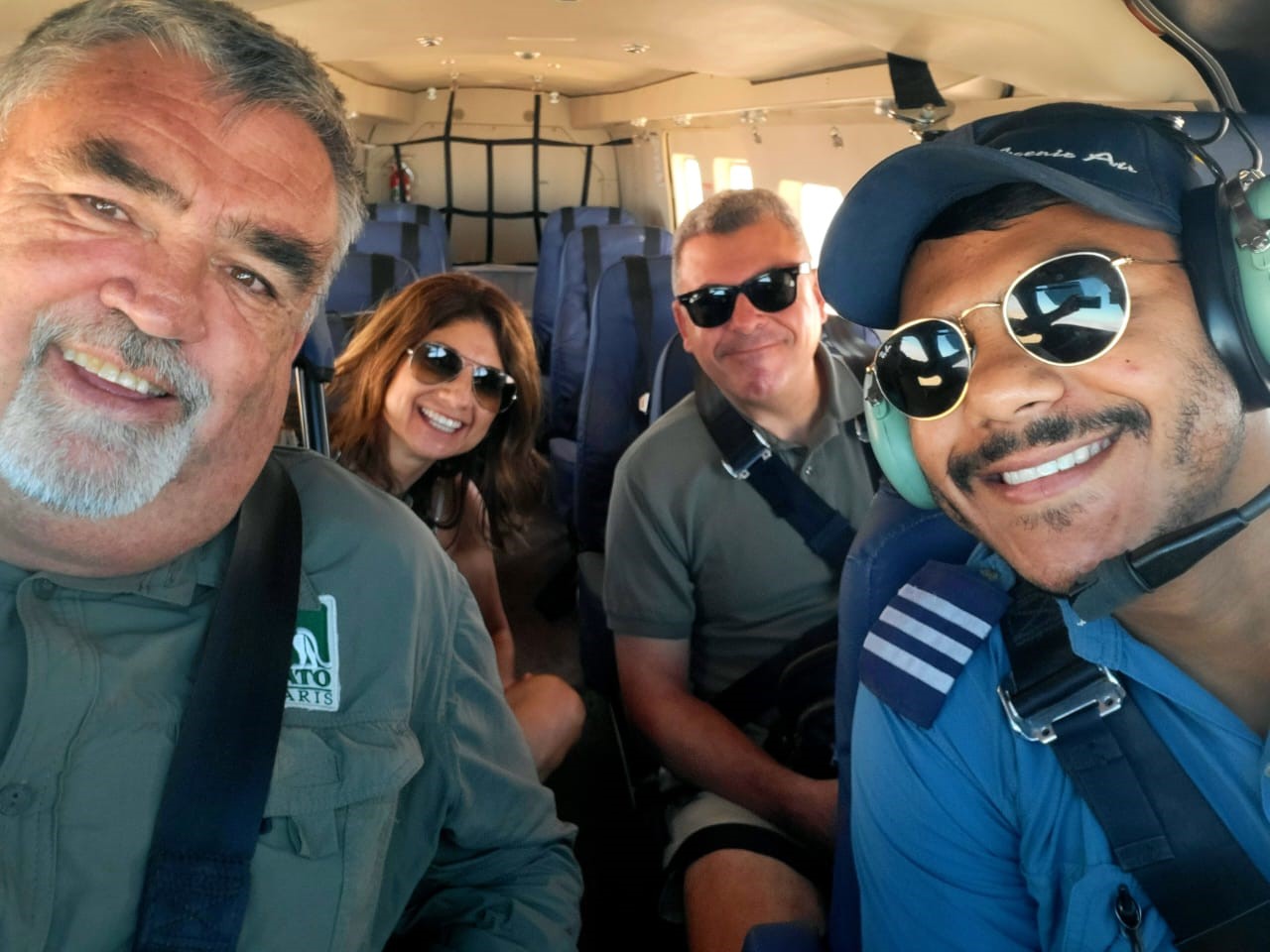
From Windhoek, we flew via Scenic Air light aircraft from lodge to lodge – from Etosha National Park to the Skeleton Coast to Sossusvlei. Our trusted pilot, Cam, made sure we were comfortable in the Kodiak plane throughout our journey, and we were honored to get to know him throughout our two-week trip.

It is indescribable the distinctiveness of this remote, yet well-developed country in the southwestern corner of the continent. Namibia is a land of stark contrasts, where towering sand dunes meet the wild Atlantic Ocean, where traditional tribal customs blend with modern life, and remarkable animal species adapt to a harsh environment.

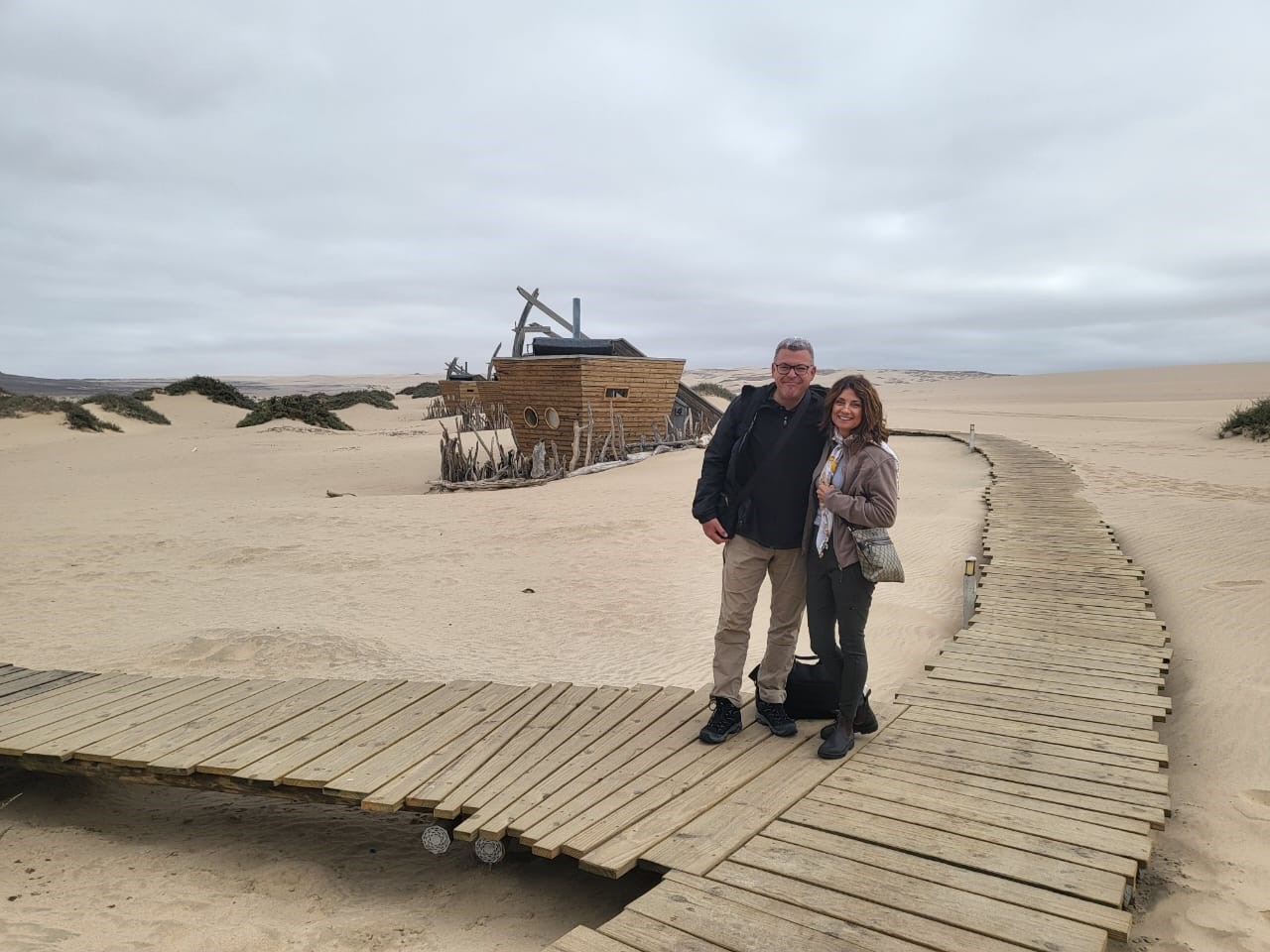
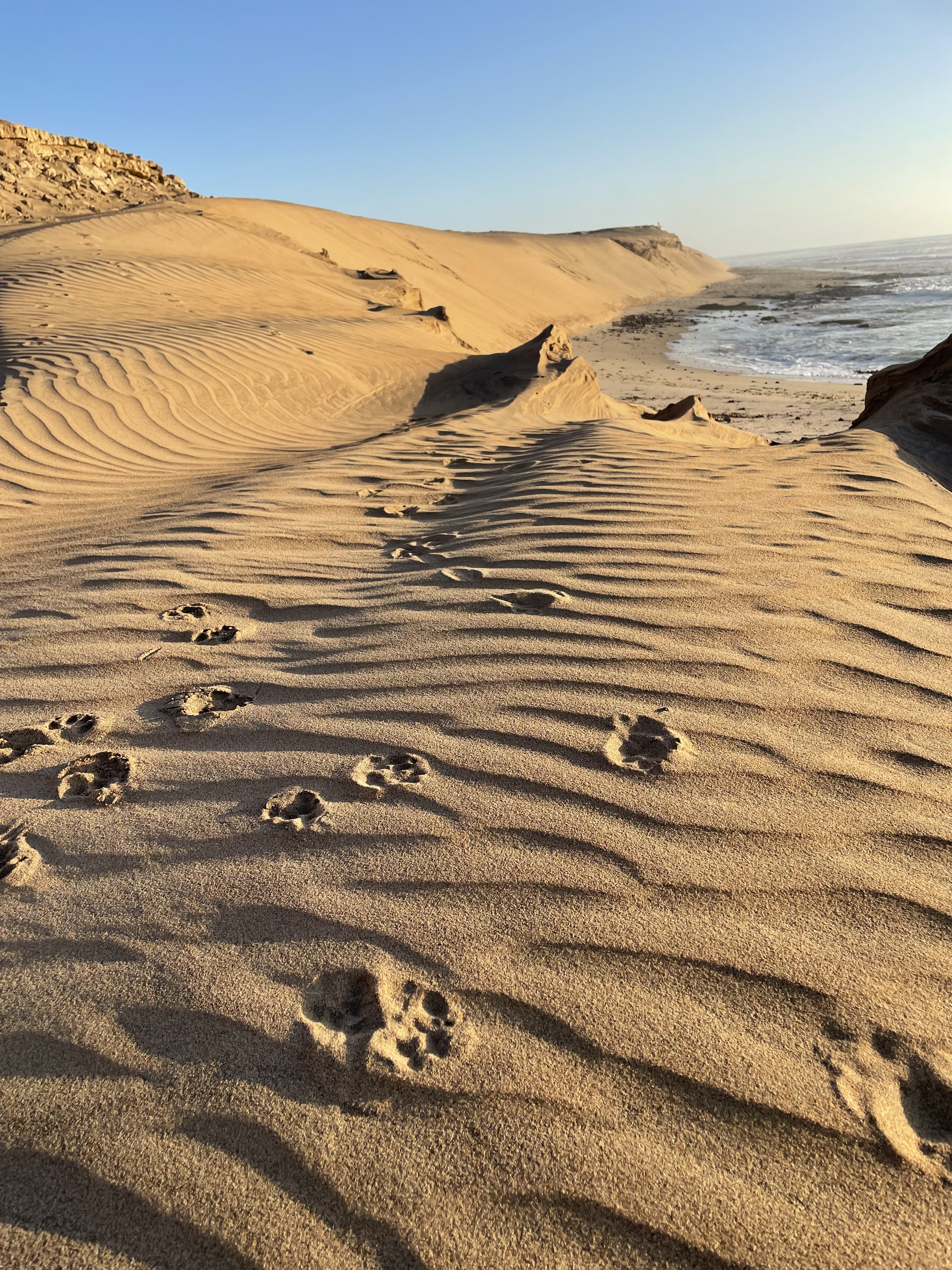
Our itinerary included an unforgettable stay at Shipwreck Lodge, perched on Namibia’s 310-mile-long Skeleton Coast. This revered and feared National Park is a raw, rugged, and remote slice of African wilderness — it earned its name from the countless shipwrecks that wash up on its shores.

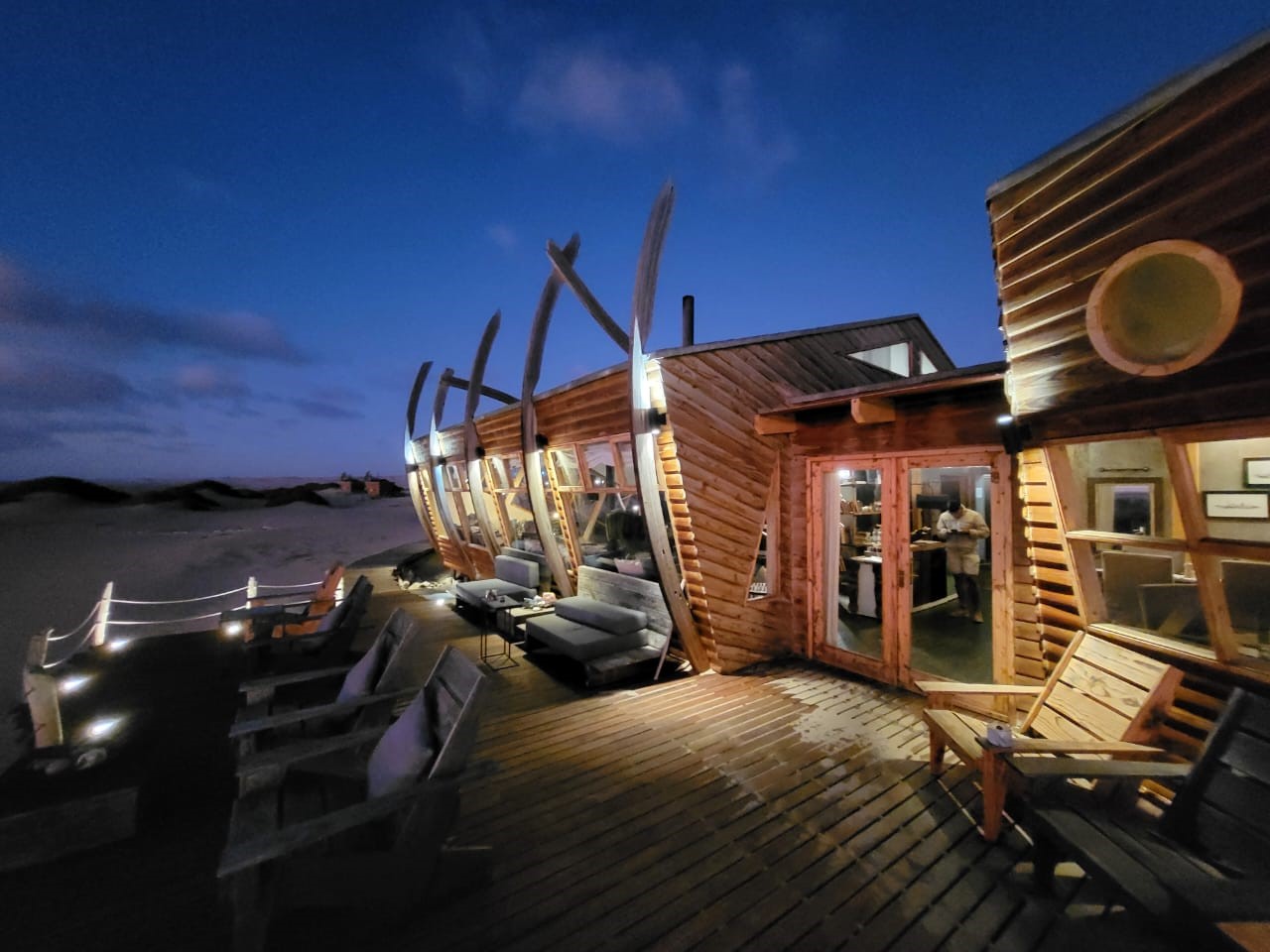
Shipwreck Lodge, which honors the mariners who braved these perilous waters, is an oasis in what is the world’s oldest desert – The Namib. The lodge is uniquely designed to reflect the famous shipwrecks lining the nearby coast. Cabins, nestled between the dunes, with views of the Atlantic Coast, offer a warm and inviting environment that contrasts the harshness of the surrounding area.

Getting here:
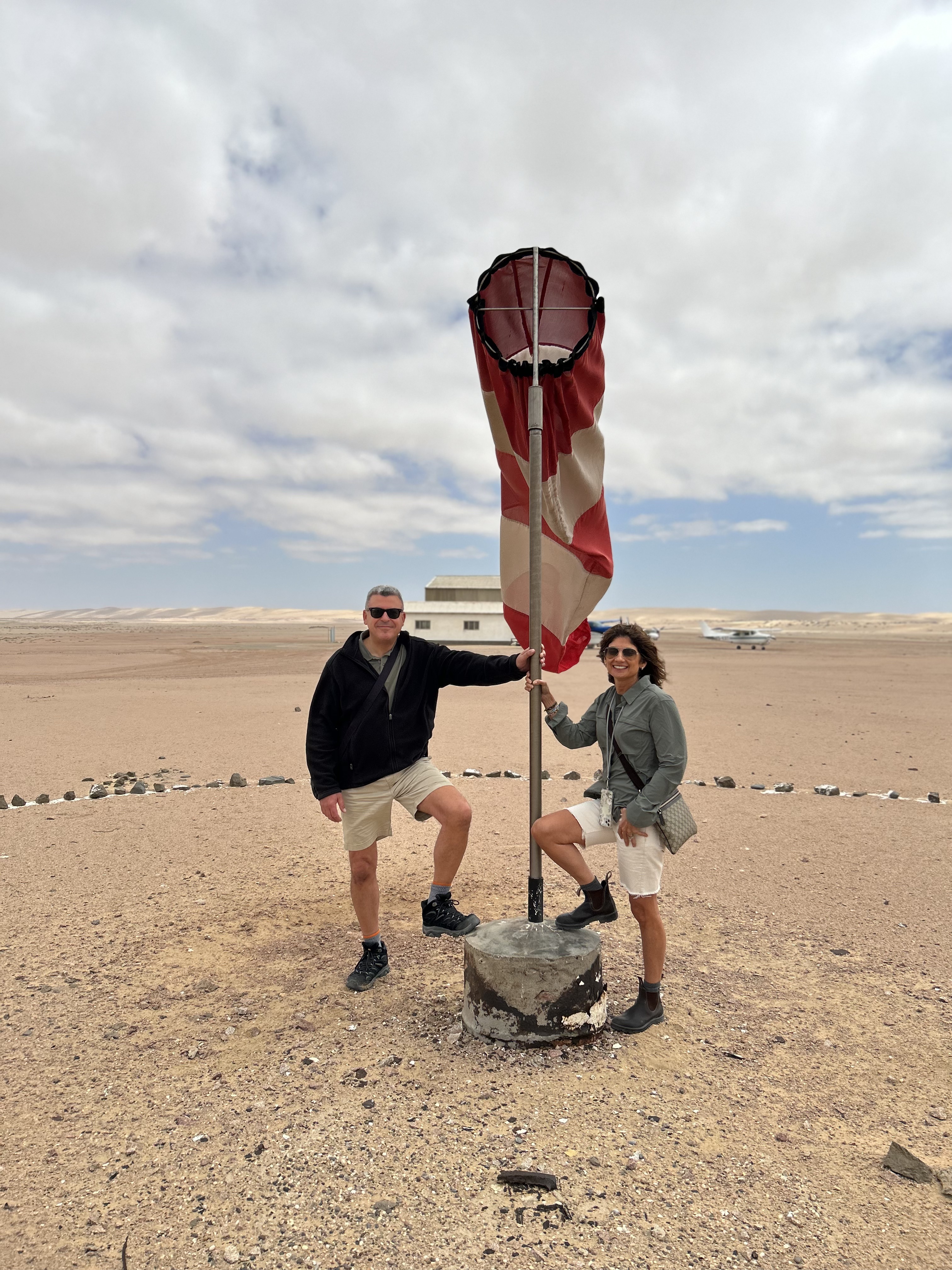
We accessed the lodge via a flight to Möwe Bay, the nearest airstrip. Very surreal — only a simple hanger and a lone, red and white windsock indicates this is an airport – the runway is barely distinguishable from the desert sand. A 45-minute transfer via the lodge’s 4×4 vehicle included a stop at a seal colony and several wrecks perched on the beaches. There is no official “road” to the lodge, only a lightly marked, constantly shifting, sandy path along the dunes.

Accommodations:
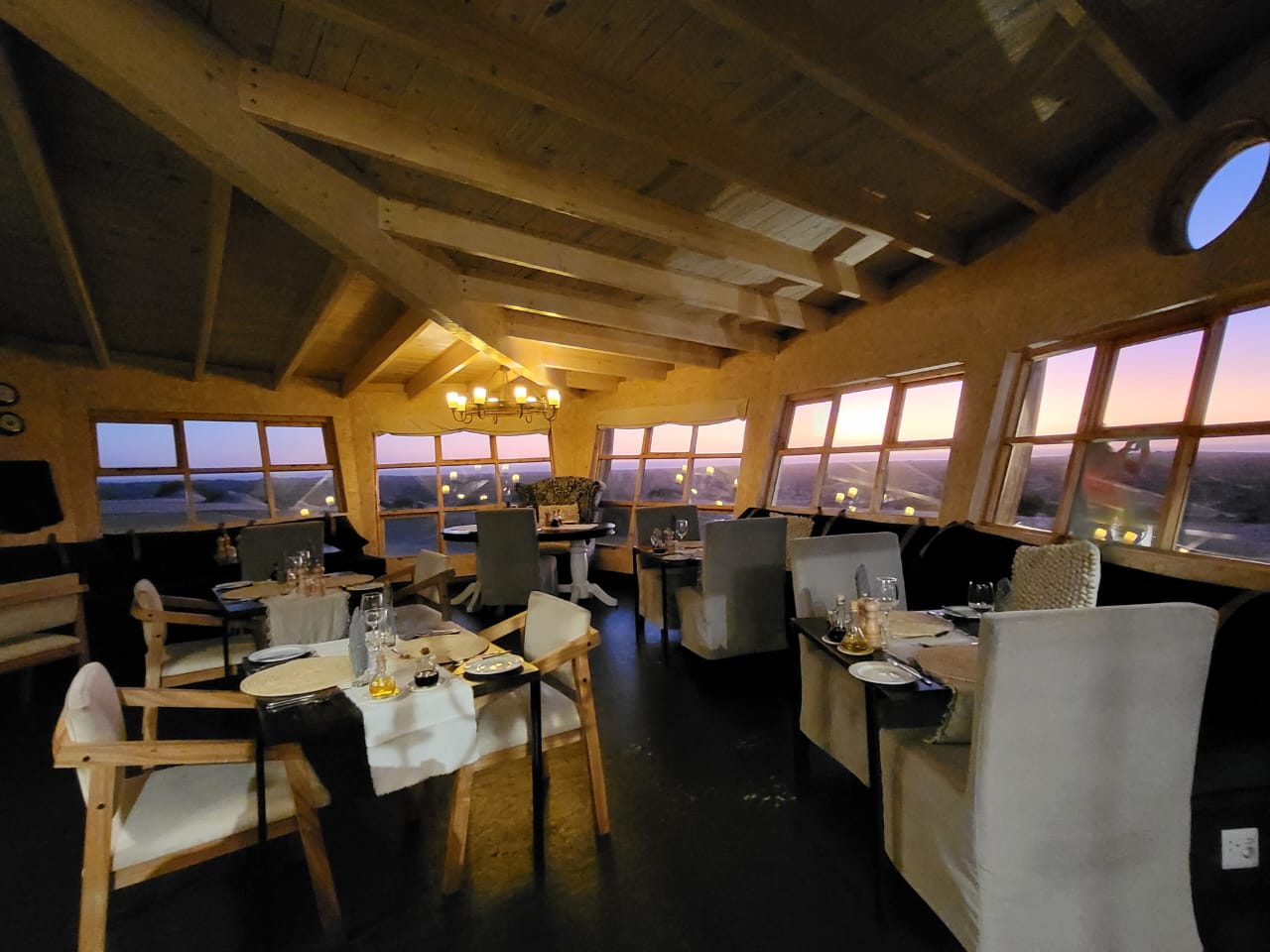
The lodge’s rustic elegance and remote location blend easily to create an atmosphere of tranquility and wonder. Ten cozy, eco-friendly, solar powered, wooden cabins come equipped with a wood burning stove to keep warm on chilly nights. Outside the cabin door is a spacious deck with sturdy Adirondack chairs. In the center of the lodge stands the timber and glass lounge, bar, and restaurant. After day-long game drives, we would settle into cozy cushioned couches and chat with other visitors from around the world. A wraparound deck offered uninterrupted views out to the Atlantic Ocean – a great place to just sit and contemplate life!

Excursions:
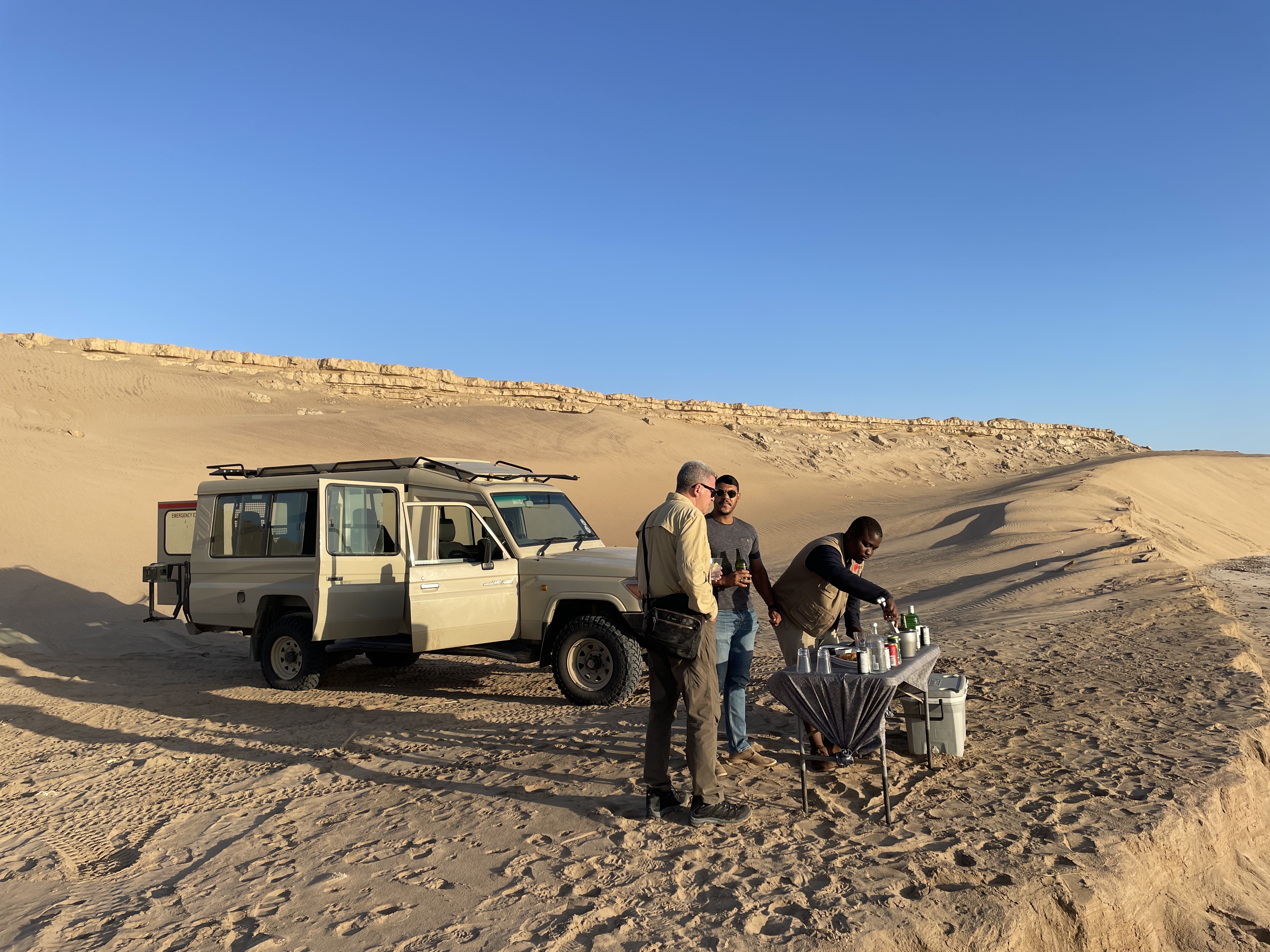
Our first night we joined other lodge guests and drove down to the beach in a 4×4 for a traditional safari “Sundowner.” A delicious display of canapes and gin was set up on a petite table in the sand just steps from the water. As the sun set behind the dunes, we tried to absorb the vastness of this world around us – it was too big to grasp!

On our second day, our guide took us into the dunes just behind the lodge. After a quick lesson, we donned helmets, boarded quad bikes, and then stopped to do some “sandboarding,” taking turns going head or feet first over the edge and then gleefully being driven back up to the top for another run. Afterwards, we formed a neat line of quads and ventured up even higher into the dune-filled world – colossal mountains of sand as far as the eye could see.

On our third day we joined our local guide and explored the scenic Hoarusib River, an often dry, ephemeral river, rimmed by sheer cliffs and narrow canyons. Driving for several hours, we spotted plenty of unique desert dwelling creatures as we followed the riverbed through a constantly changing landscape. We hiked through the russet-hewed Clay Castles which had been carved out for centuries by the flowing water.

Scenic flights:
After our stay we returned to Möwe Bay where we boarded our plane and embarked on a scenic flight over the southern Skeleton Coast to our next stop, Sossusvlei. Our bird’s eye view afforded us a glimpse of the rugged coastline, shipwrecks, and a startling thousand-member flock of pink flamingoes below.

Namibia’s pristine wilderness is an escape from the fast-paced world we live in – it gives you a profound sense of tranquility. This country has made a strong commitment to sustainability in its approach to tourism by protecting its rich biodiversity, reminding us of the importance of safeguarding our precious environment. Lodges and safari operators are deeply committed to tourism that specifically benefits local communities and supports wildlife conservation. Your visit helps contribute to preservation efforts and safeguards these environments for future generations.

It’s never TOO early to plan your next adventure. Email me: mollie@herrickstravel.com and find out about upgrades, complimentary breakfast, special amenities, and VIP service for all Herricks Travel customers. To receive my blogs to your inbox, please enter your email address in the subscriber box, and respond to the confirmation email.

When in Namibia, your eyes can barely absorb all the beauty around you! Check out some videos here below…

Escape to Anguilla

Escape to Anguilla

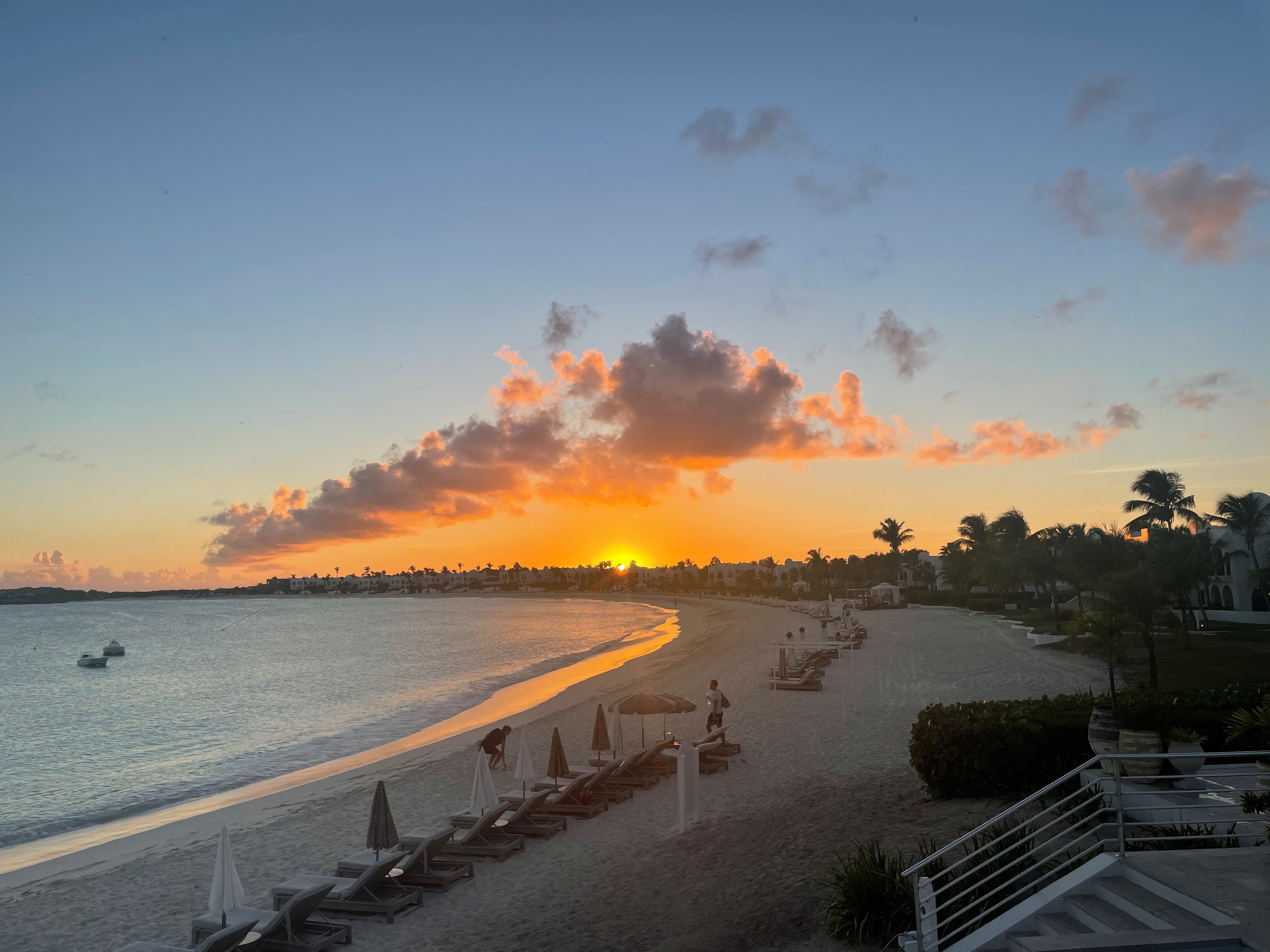
On our recent trip to Anguilla, we met many guests that return to the island year after year. After a week in this eastern Caribbean paradise, it’s not hard to understand! A British Overseas Territory, Anguilla is well known for its pristine beaches, crystal-clear turquoise waters, and powdery white sand beaches. Although it boasts a laid-back vibe, it features plenty of top-notch resorts and restaurants giving you the best of both worlds – an escape from reality without sacrificing service, amenities, and a little pampering. Perfect for families, couples, or multi-generational travel:

How to get there
You have a choice of flying to nearby St. Maarten and taking a 20-minute ferry ride or private boat transfer to Anguilla. Or, connect through a variety of cities, including Miami (American recently started offering nonstops from MIA and JetBlue may be following soon). Island hopper flights or private air can also be arranged from nearby islands.

What to do…
Rent a car: Although you may not be experienced driving on the left-hand side, it is very easy to rent a car and navigate around the island – there are hardly any traffic lights, and most roads are two lanes.

Snorkel and Scuba Dive: There are several snorkel and dive sites that will bring you up close to spectacular ocean life. Seven marine parks encircle the small island, and a Spanish galleon, sunk during the colonial years, is a great spot to explore – its cannons and cargo are still intact.

Day trip to a deserted island: Sandy Island is just off the coast of Anguilla and is a popular spot for a day trip with a beautiful beach, clear waters, and a few beach bars to explore — it’s a great place to be “shipwrecked.” Prickly Pear, an uninhabited island, is perfect for hiking and snorkeling.

Where to stay…
Aurora
: Formerly the CuisinArt Resort which was closed in 2017 due to hurricane damage. Reopened as this all-suite world class resort, Aurora Anguilla boasts spacious ocean front suites and gorgeous multi bedroom villas, hydroponic farming for a true farm to table experience, an outdoor amphitheater, kids and teen clubs, a water park, golf course, well-appointed spa and gym. This graceful, spread-out property never feels crowded. With two gorgeous cove beaches, the property is separated into two sections, the Rendezvous and the Merrywing sides.

Four Seasons: This luxurious resort on Barnes Bay has a Miami-ish hip vibe with streamlined decor, spacious rooms and suites, a world-class spa, and several dining options. The reflecting infinity pool and the sunset bar are showstoppers, especially at the end of the day. Golf course and tennis courts round out the resort’s amenities.

Malliouhana: An Auberge Resort Collection property located on Meads Bay has an eclectic décor with a vibrant mix of celadon blue, mango and saffron accented furnishings. Yoga and fitness classes are offered daily and most rooms have an amazing view of the beautiful turquois water and beach below.

Zemi Beach House: Stunning resort on Shoal Bay on the East End of the island. With a Rum Bar, Cigar Lounge, upscale dining, adults only pool, there’s plenty of adult oriented amenities, but it also offers plenty of family focused services. The resort’s toes in the sand restaurant, 20 Knots, is the perfect place to unwind with drink in hand.

Belmond Cap Juluca: Boutique hotel on a pristine cove beach with lux rooms and suites and several restaurants. A new Guerlain Spa will be open in the next few months. The resort features Mediterranean style rooms many with private terraces and dining with a drop-dead views at restaurants Pimms and Cip’s — named for the hotel’s Italian sister hotel, Cipriani.

Quintessence: This Relais & Chateaux property is perfect for a secluded getaway. Set in a completely renovated tropical grand mansion, the Indonesian elements and lush surrounding gardens puts you in a very Zen state of mind.

Where to eat…
All the resorts listed above have outstanding dining choices and many with a view, so definitely make plans to visit those. Arrive early, grab a seat at one of their bars or lounges, and enjoy the sunset and a local rum cocktail.

Other independent restaurant options: For casual, beachside Caribbean inspired seafood visit Blanchards or Sunshine Shack. More upscale dining with a view can be enjoyed at Veya and Jacala. Or enjoy breakfast, lunch, or sunset dinner at Straw Hat.

It’s never TOO early to plan your next adventure. Email me: mollie@herrickstravel.com and find out about upgrades, complimentary breakfast, special amenities, and VIP service for all Herricks Travel customers. Become a SUBSCRIBER and receive all my latest articles right to your inbox: look for the “subscribe to this blog by email” box and then respond to the follow-up email. For more information on my trip planning services, please click HERE.

Top Seven Reasons to Visit Turks & Caicos

Top Seven Reasons to Visit Turks & Caicos

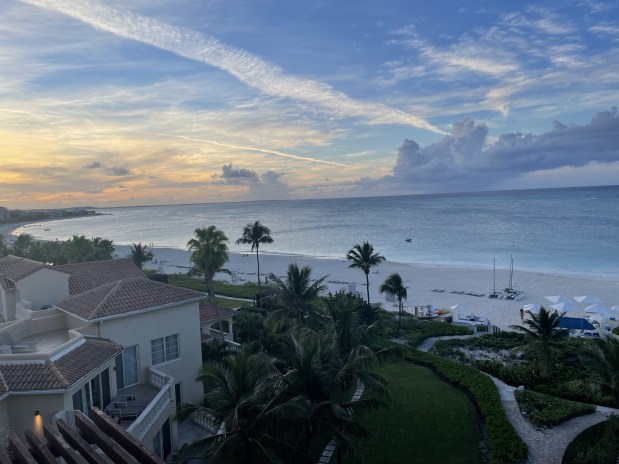
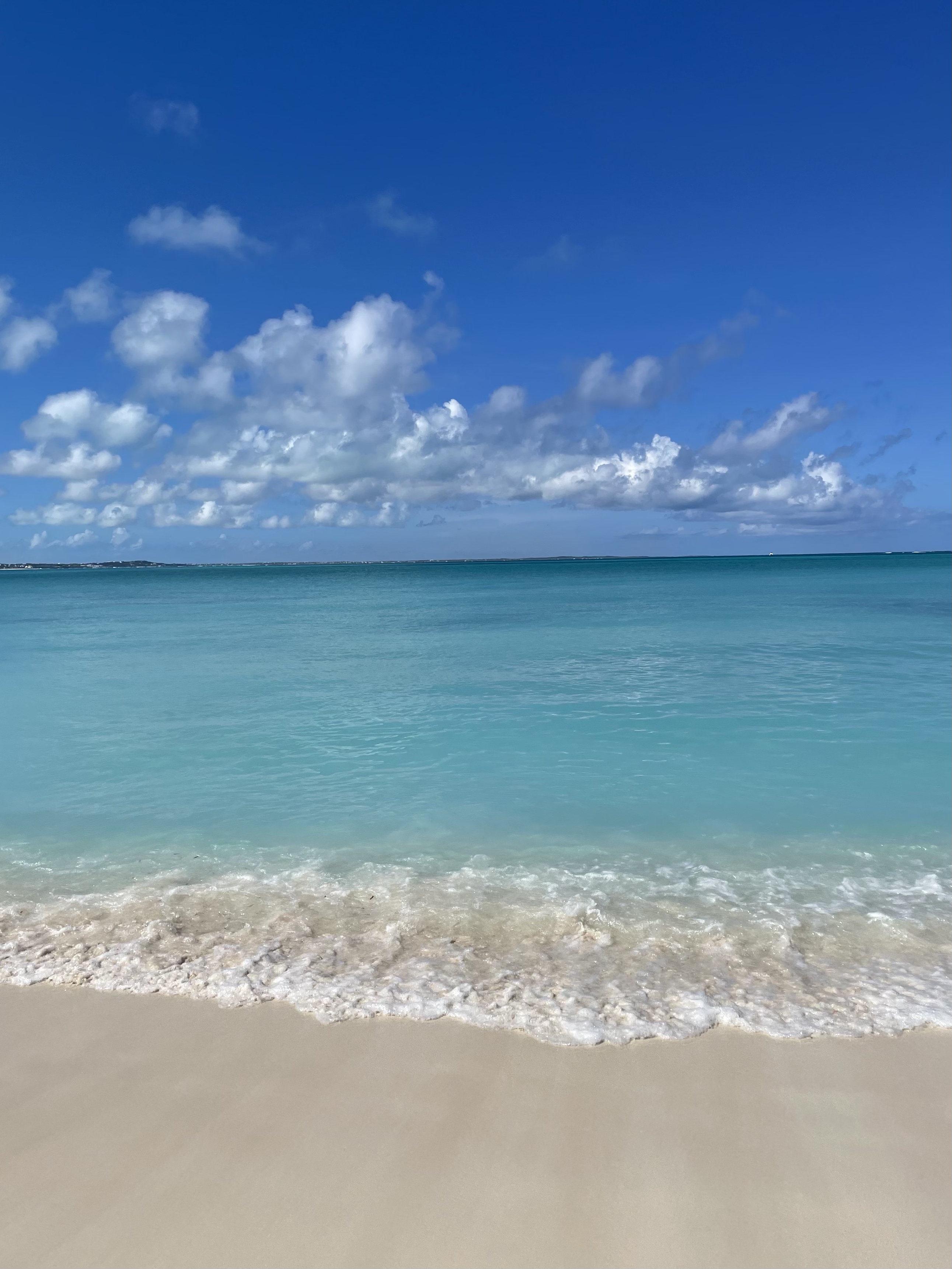
Well known for its turquoise blue waters, Turks & Caicos is the dream destination for all things ocean: snorkeling, kayaking, paddle boarding, fishing, kiteboarding, sailing, and sun tanning. This Caribbean British Overseas Territory is an archipelago of 40 low-lying coral islands in the Atlantic Ocean southeast of the Bahamas. The largest island, Providenciales (Provo) is most well known and most visited due to its pristine white sand Grace Bay Beach and crystal-clear water.

Here are the top seven reasons to visit Turks & Caicos:

Easy access:
Less than a four hour flight from New York, or a ninety-minute flight from Miami, nonstop flights from over 11 U.S. cities land at Providenciales International Airport (PLS). From there, it’s a quick ride to many resorts.

Drivable:
Rental cars are easily picked up right outside the airport, and driving the island is manageable (although on the left side, so be prepared!)

Year-round sunshine:
Turks & Caicos averages 350 days of sunshine a year, and ocean temps stay at around the 80-degree range.

Nature at its best:
Looking for casinos, nightlife, or water parks? You will not find this here – Turks & Caicos’ appeal is getting you up close to nature and the powdery white sand that lines its shores with plenty of secluded, crowd-free beaches.

Abundant wildlife:
An expansive barrier reef protects the coast and supports an abundant animal life including dolphins, turtles, stingrays, and fish, making this the perfect destination for diving and snorkeling excursions. Hop on a stand-up paddle board or launch a kayak to explore the many winding mangrove channels and see first-hand the island’s beauty.

Amazing resorts:
Turks & Caicos natural beauty is complemented by its many first class accommodations. Here are a few of my favorites:

Grace Bay Club: This all-suite property has three distinct offerings: an adults-only section; a family-friendly section; and The Estate, the luxe resort within a resort. The property features a sprawling beach front with open air restaurants and dining for laid back luxury and plenty of elbow room.

Ritz Carlton Turks & Caicos: This newly built luxurious and modern property features beachside dining and pool area, an open-air lobby with a trendy restaurant, bar, and sushi spot, a lux Spa and fitness center plus a kids’ club.

Amanyara: This secluded resort, set in a 18,000-acre nature reserve, has that signature Aman Orient touches throughout. The hotel’s lush tropical pavilions offer quiet seclusion, and the sprawling beach front area overlooks a marine reserve.

Rock House: The island’s newest resort brings Mediterranean cool to the Caribbean. The unique and private hilltop accommodations, some with private plunge pools, are scattered throughout this secluded property. Relax and take in the panoramic views at the 100-foot infinity pool perched on the oceanfront cliff.

Delish Dining:
For a small island, there is no shortage of restaurant choices from world-class gourmet dining (BLT Steak, Coco Bistro, Sui Ren, Grace’s Cottage) to casual local beach restaurants and bars (Mango Reef and Da Conch Shack). Don’t go home without indulging in crispy conch fritters, creamy conch chowder, fresh conch ceviche, and steamed spiny lobster.

It’s never TOO early to plan your next adventure. Email me: mollie@herrickstravel.com and find out about upgrades, complimentary breakfast, special amenities, and VIP service for all Herricks Travel customers.

Become a SUBSCRIBER and receive all my latest articles right to your inbox: look for the “subscribe to this blog by email” box and then respond to the follow-up email.

For more information on my trip planning services, please click HERE.

What to Expect on Safari in Tanzania

What to Expect on Safari in Tanzania

The word “safari” comes from the Swahili language meaning “journey,” but a safari is more than a journey – it’s a life changing and mind-opening experience, and something to definitely move to the top of your bucket list now that international travel has opened up.

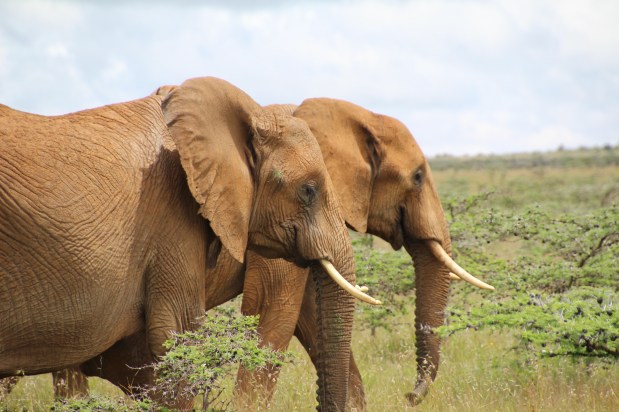
Tanzania offers one of Africa’s most dynamic safari adventures, whether explored on its own or paired with another East African destination. Bordering Kenya to the north, the Indian Ocean to the east, and Rwanda to the west, twenty five percent of Tanzania has been designated as a conservation area. It boasts multiple UNESCO World Heritage sites, the largest national parks and Mt. Kilimanjaro, the highest mountain in Africa. Most travelers come for the Serengeti’s “Great Wildebeest Migration,” the largest movement of animals in the world, but there is plenty of wildlife to view year-round including the big five (elephant, lion, leopard, buffalo, rhino).

On my itinerary, after spending time on safari in Kenya, we flew from Nairobi’s Wilson airport to Kilimanjaro International Airport, Tanzania, and from there, hopped onto a quick flight by bush plane to Lake Manyara Airstrip.

Photo by Leif Blessing on Pexels.com

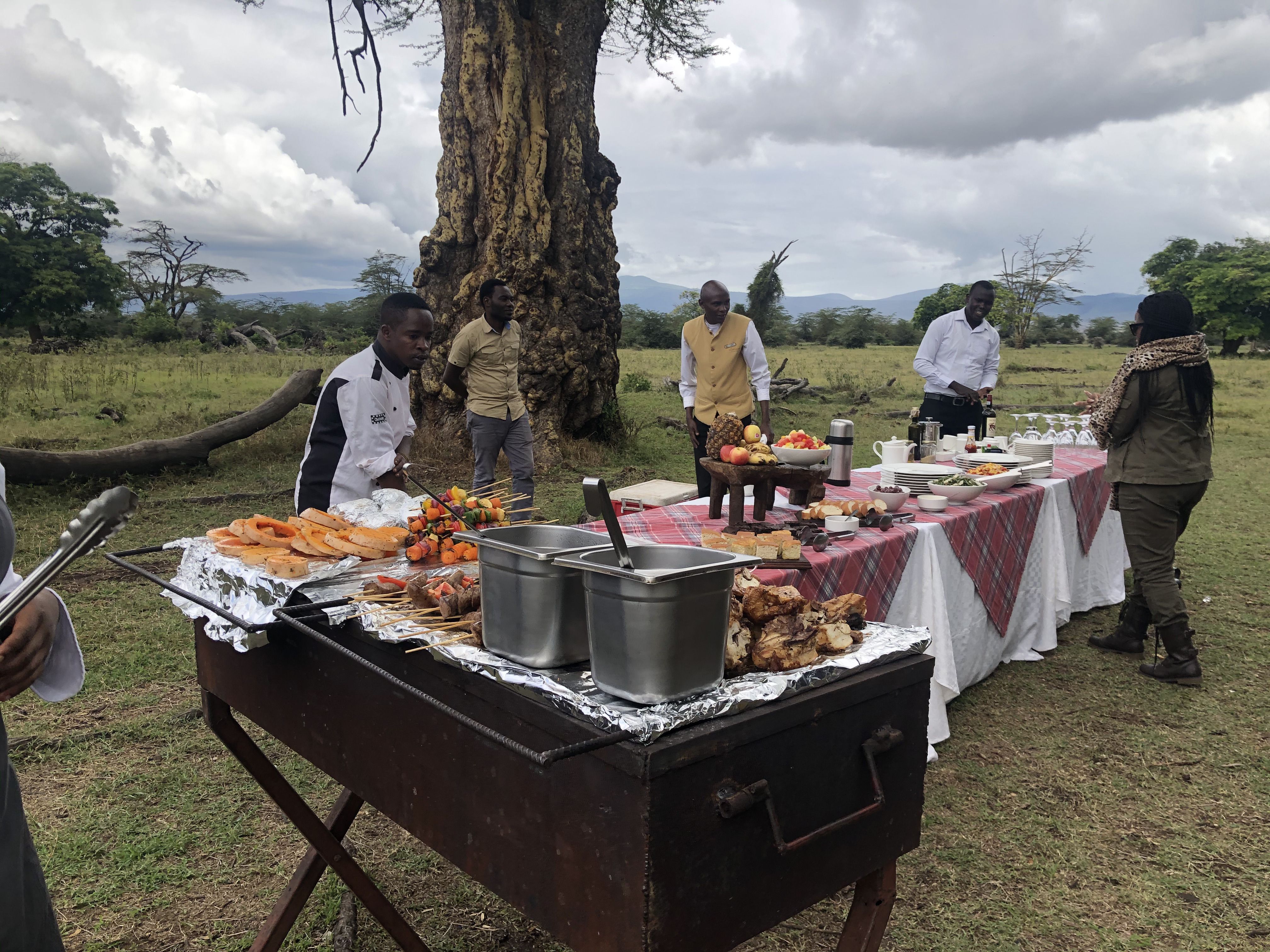
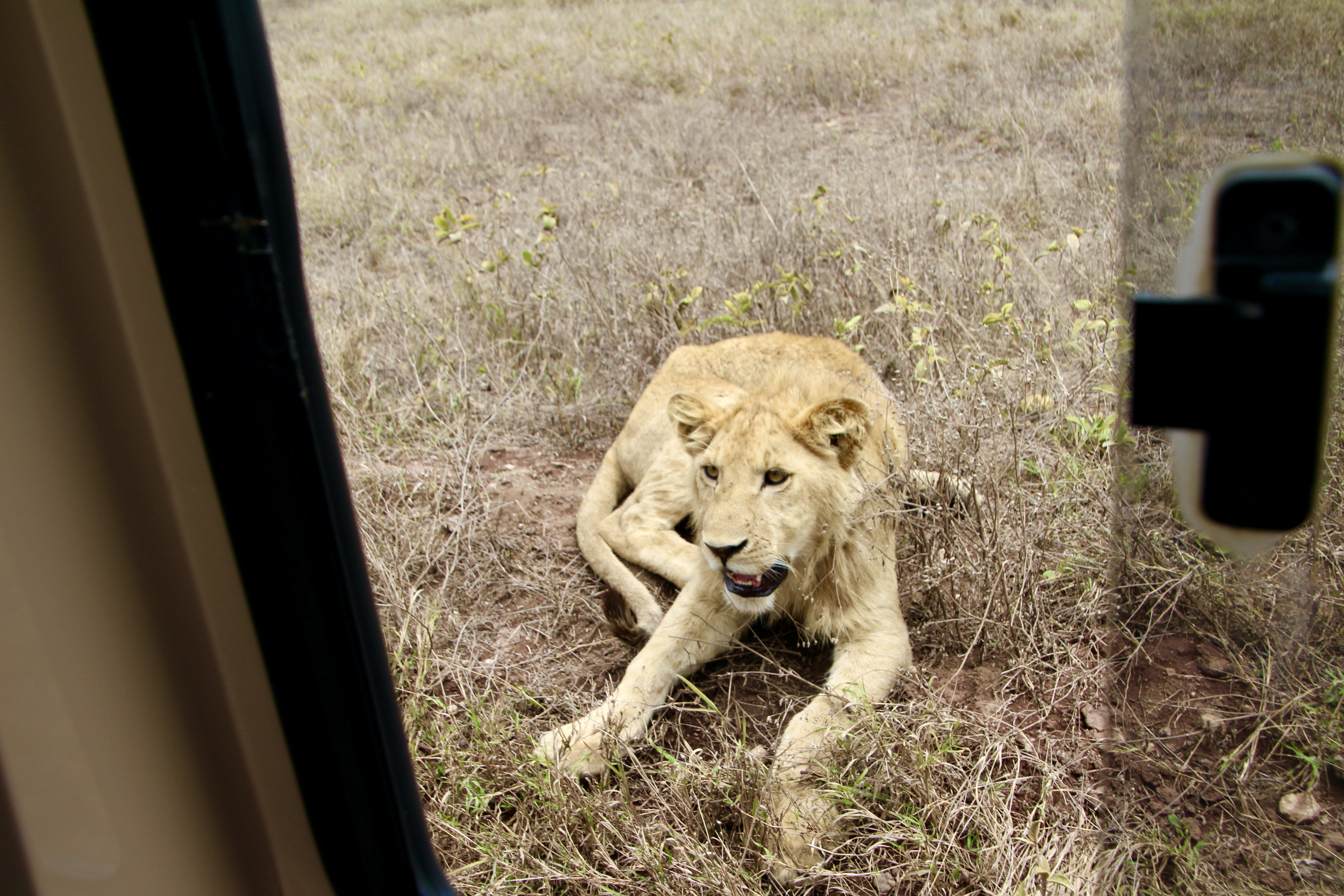
A safari in Tanzania includes six-to-eight-hour daily game drives conducted by a professional guide to designated protected areas in a pop-up roof style 4×4 vehicle. Most safari vehicles come fully equipped with cold beverages, binoculars, charging ports, and wifi. You will become fully immersed in local knowledge about the landscape, flora, and wildlife encountered along the way. Often a “walking safari” can be arranged and a highlight of the day will be lunch enjoyed outdoors “in the bush.”

There are several locations you can include in your Tanzania itinerary based on how much time you have allotted to your trip. Traveling between the various locations will be by 4×4 vehicle or bush plane, depending on travel distances and budget. Here are a few top locations to consider:

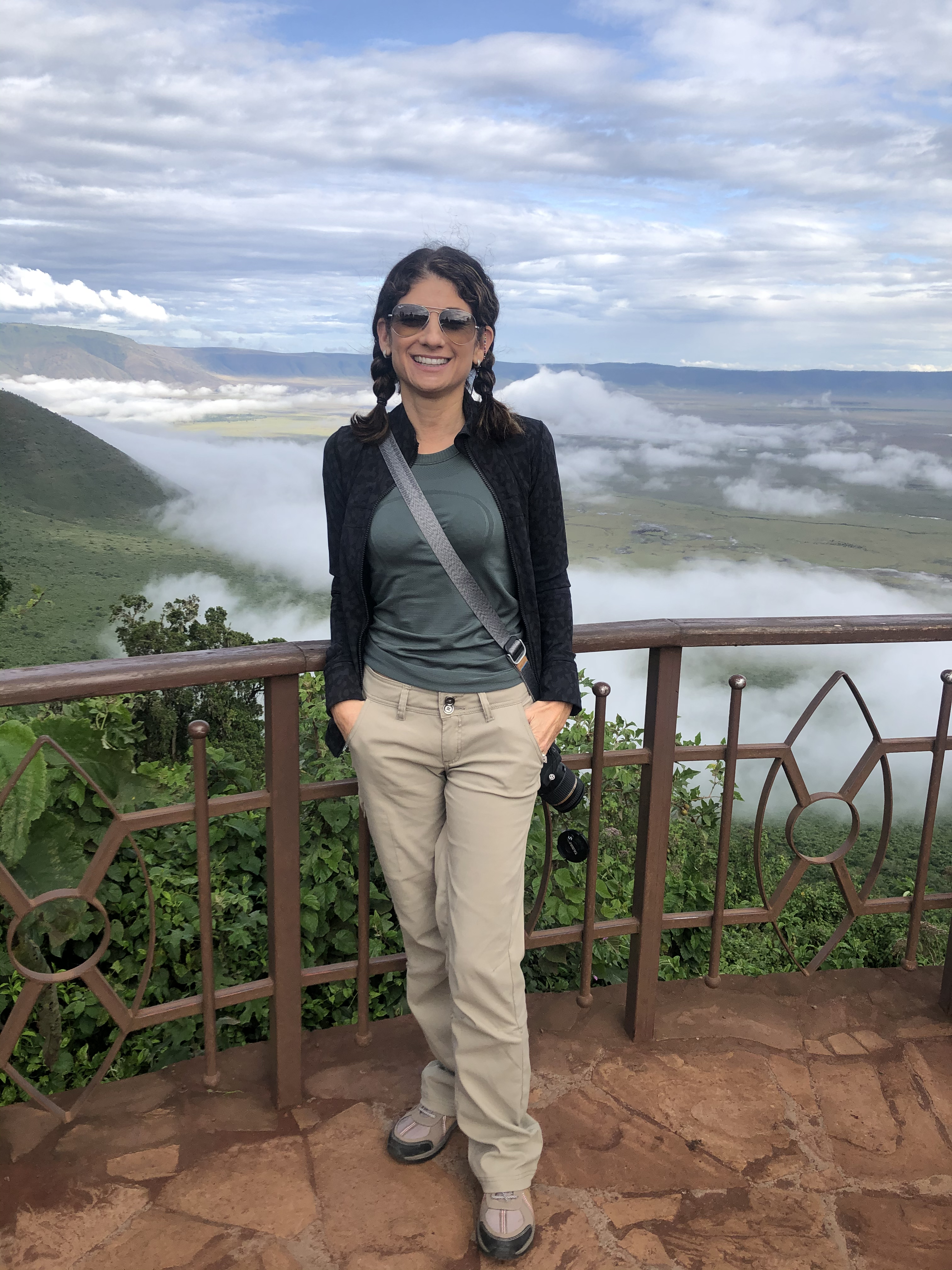
Ngorongoro Crater:
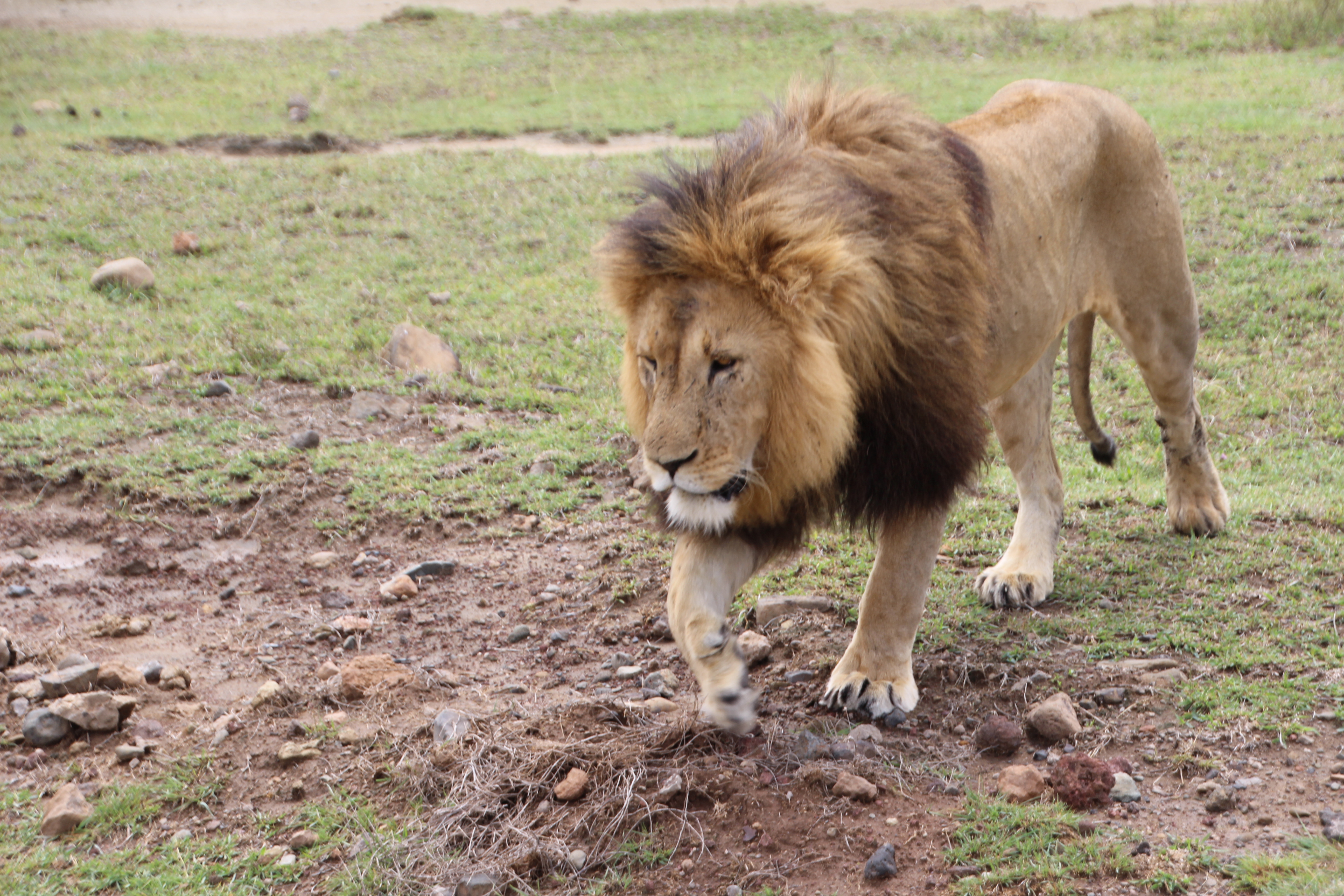
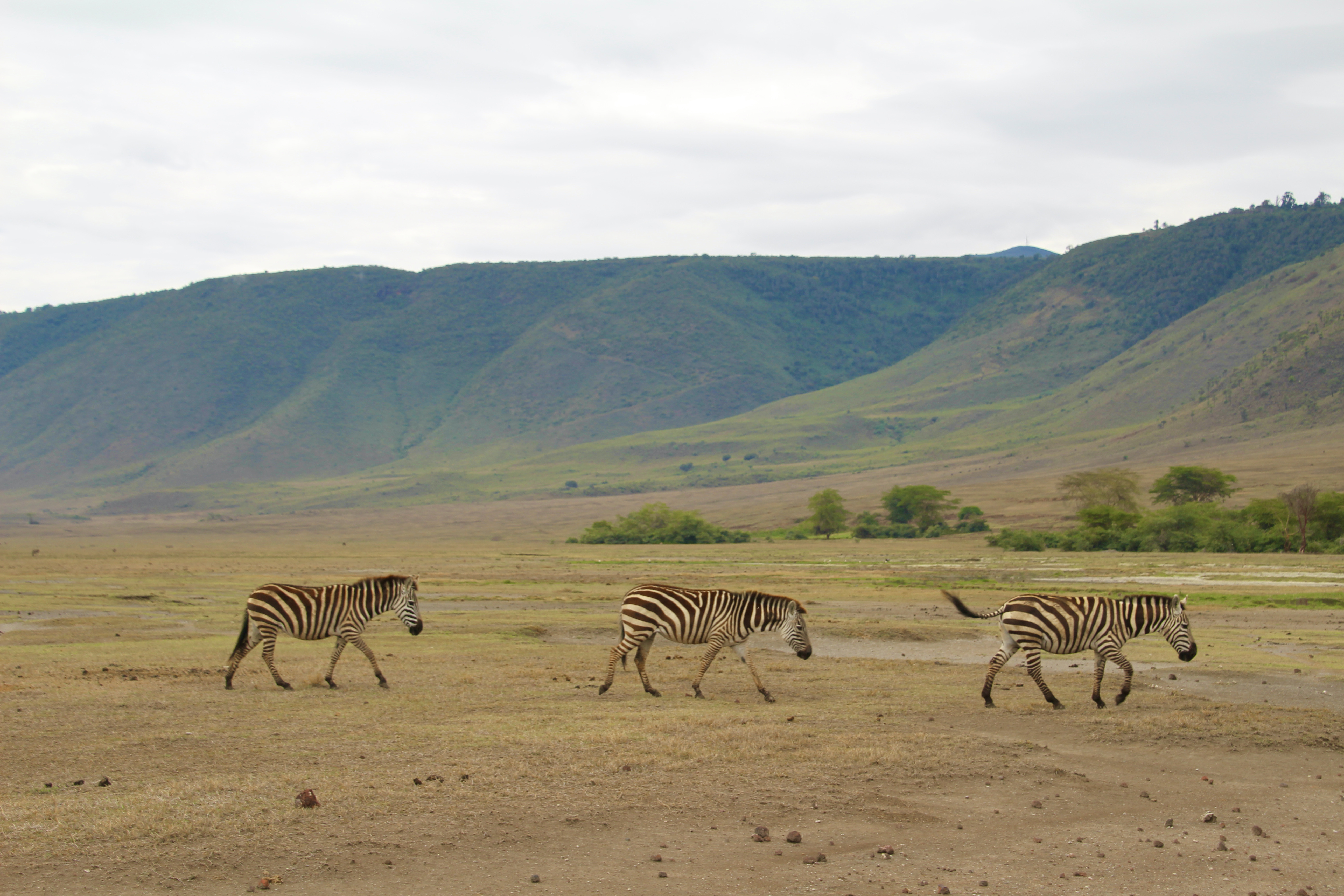
A UNESCO World Heritage site, this three million year old volcanic caldera is known for its incredible population density of animals that call this fertile 100 square mile grazing area home.

Lake Manyara National Park:
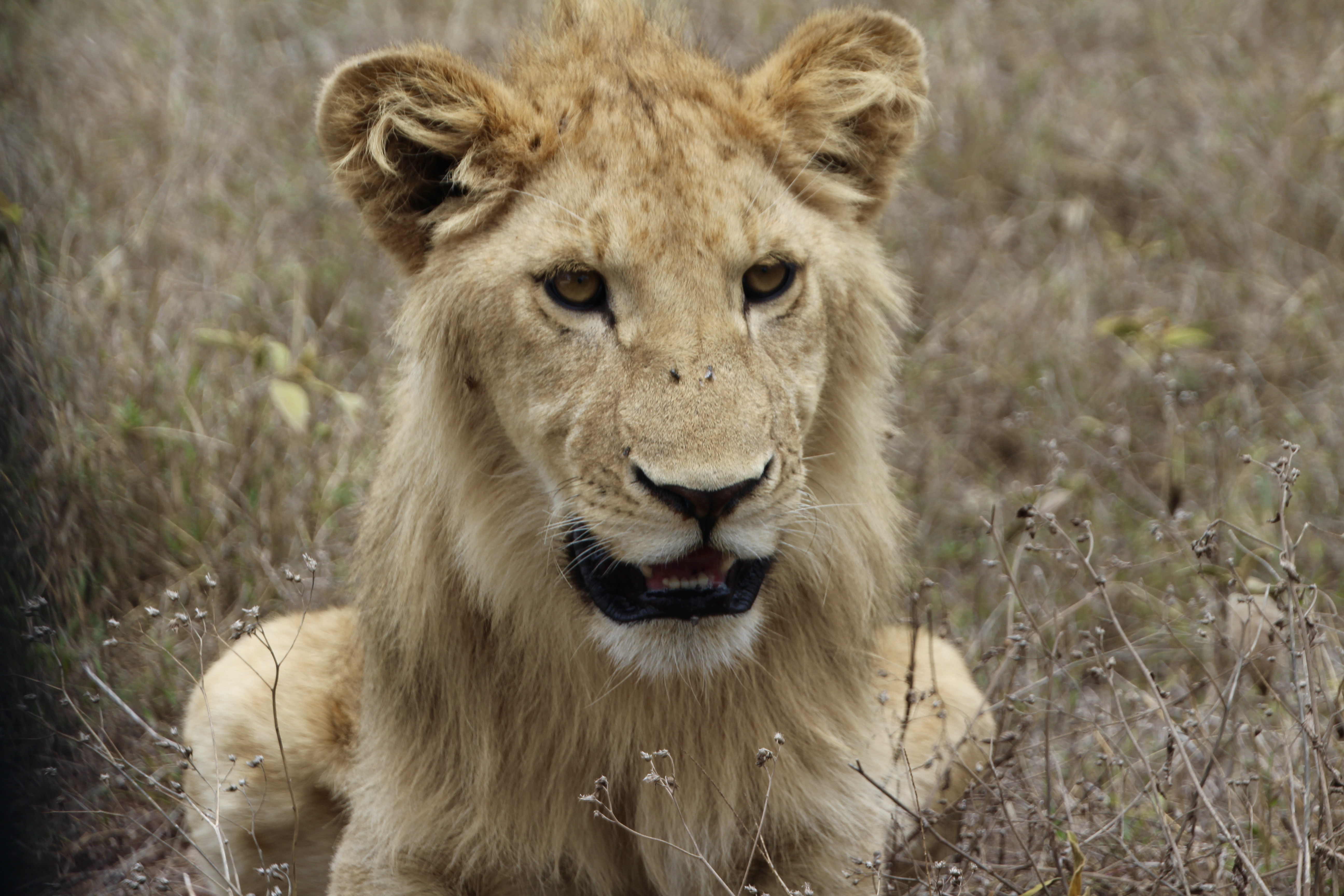
Stretched out at the base of the Rift Valley (a lowland region that forms where Earth’s tectonic plates move apart), its shores are populated by more than 500 bird species including thousands of pink flamingoes. If you look up, you might also catch site of tree climbing lions!

Olduvai Gorge:
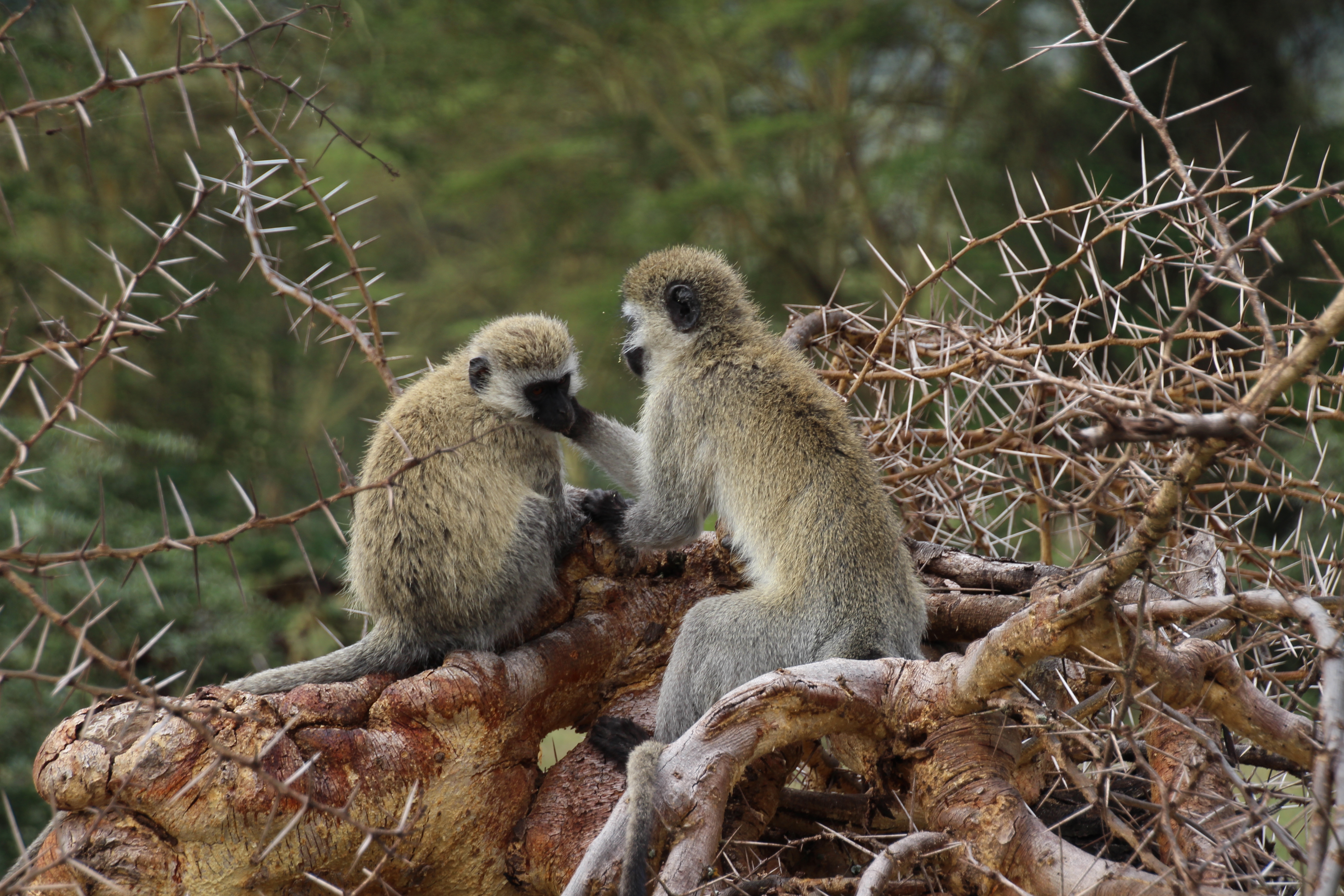
This “Cradle of Mankind” holds the earliest evidence of the existence of our human ancestors. The Leakey family and fellow paleoanthropologists, discovered human fossils dating back two million years. The forest, swamp, and grasslands are home to monkeys, baboon, jackals, spotted hyena, bull elephants, hippo, and dark maned lions.

Tarangire National Park:
Hosts one of the largest populations of elephants in its vast savannah dotted with giant iconic baobab trees. During dry season, herds of zebra, wildebeest, and their predators (lions, cheetahs, leopards) make their way to this area because of its large river, an important water source.

Arusha National Park:
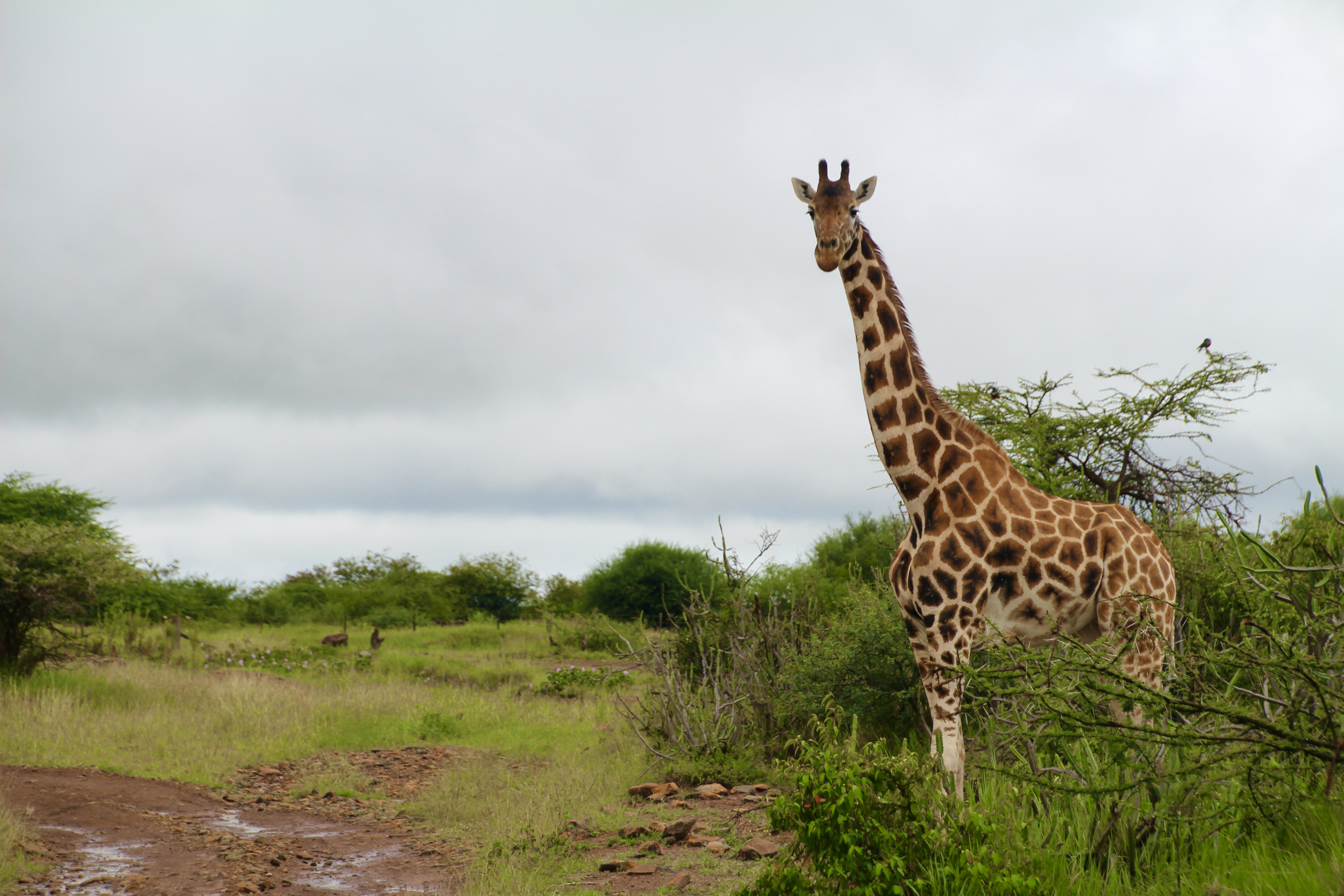
Home to Mount Meru, the second highest peak in Tanzania, a walking safari through the wide open plains will get you up close with giraffes, zebras and Cape buffalo.

Serengeti National Park:
A World Heritage Site and one of the New Seven Wonders of Africa, this park lives up to its ancient Maasai name which means “endless open plains.” The sweeping savannah grasses turn golden in the dry season, then green and dotted with wildflowers in the rainy season. The Serengeti welcomes the constant grazing of large herbivores. Annually, over 1.1 million wildebeest joined by herds of zebra and Thomson’s gazelle, traverse over 800 kilometers. They graze in the southeastern portion and then make their way towards the north in search of more verdant lands. The Serengeti, along with the South Kenyan Mara ecosystem across the border, is where the wildebeest can be viewed by land, chartered plane, or hot air balloon.

Where to stay?
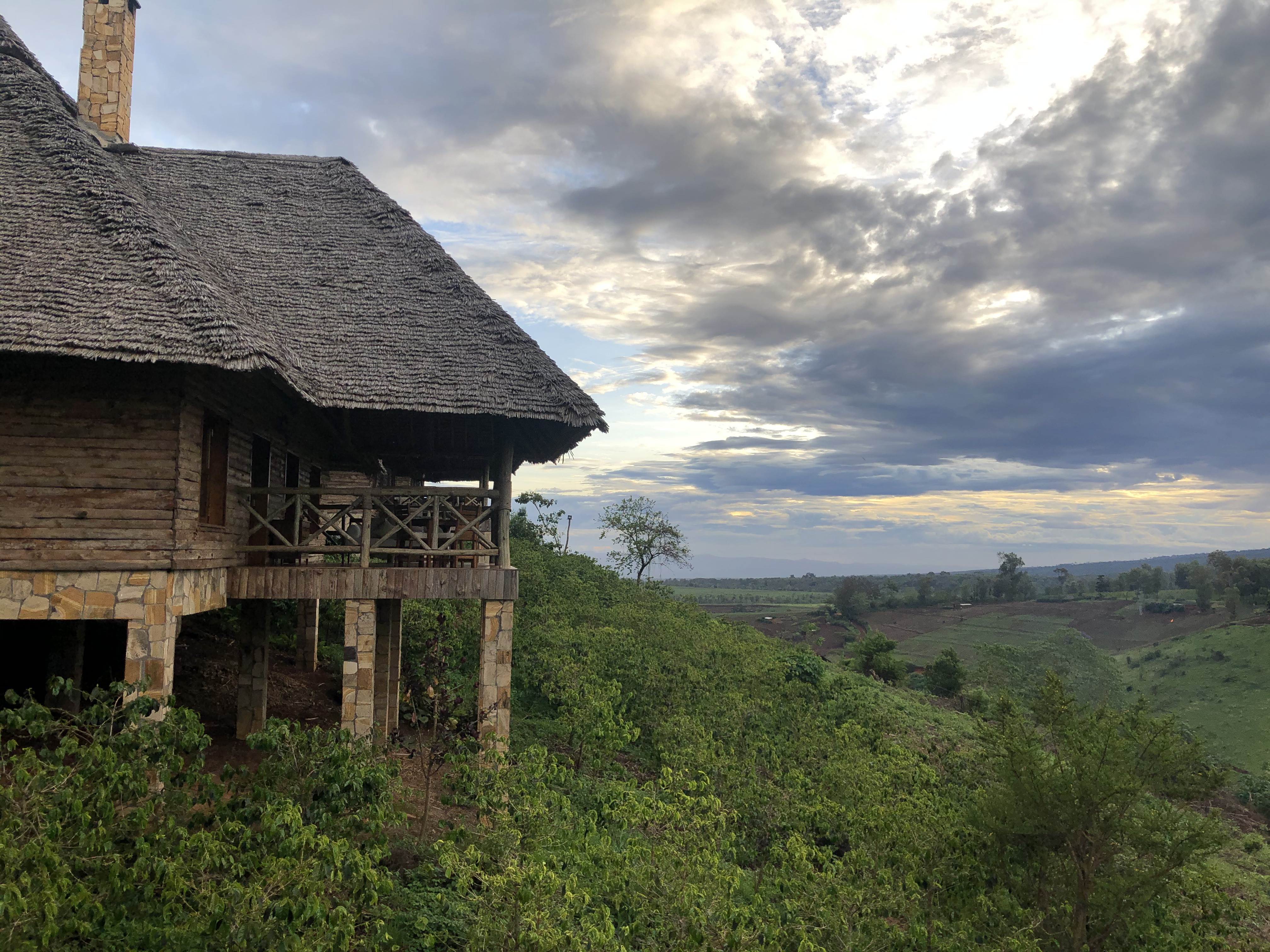
Accommodations in Tanzania include luxury tented lodges, tree houses, small inns, and hotels. Some accommodations are outfitted with private plunge pools and outdoor terraces with panoramic views. As a travel agent, I can help you pick the perfect accommodations for you and family.

Elewana The Manor at Ngorongoro
Neptune Luxury Lodge Ngorongoro
Neptune Luxury Lodge

It’s never TOO early to plan your next adventure. Email me: mollie@herrickstravel.com and find out about upgrades, special amenities, and VIP service for all Herricks Travel customers. Looking for the best of the best Safari experience? Let me help you plan your trip with Micato Safaris, one of the world’s top outfitters, delivering unparalleled service.

Become a SUBSCRIBER and receive all my latest articles right to your inbox: look for the “subscribe to this blog by email” box and then respond to the follow-up email. For more information on my trip planning services, please click HERE.

Asante Sana! (Thank you!)

Safari in The Laikipia Reserve, Kenya

Safari in The Laikipia Reserve, Kenya

A Kenya Safari requires much advance planning, but with the help of a travel agent, the process becomes stress free. As a travel specialist, it’s my job to create a seamless experience from take off to safe return home. My recent article on Safari Planning Basics will help you jump start your itinerary and take this from dream trip to reality. After an overnight stay in Nairobi, hop a bush plane to Maasai Mara for excellent game tracking, and then on to Mount Kenya for a little rest and relaxation. Next stop, a stay in The Laikipia Reserve — the perfect addition to your safari experience.

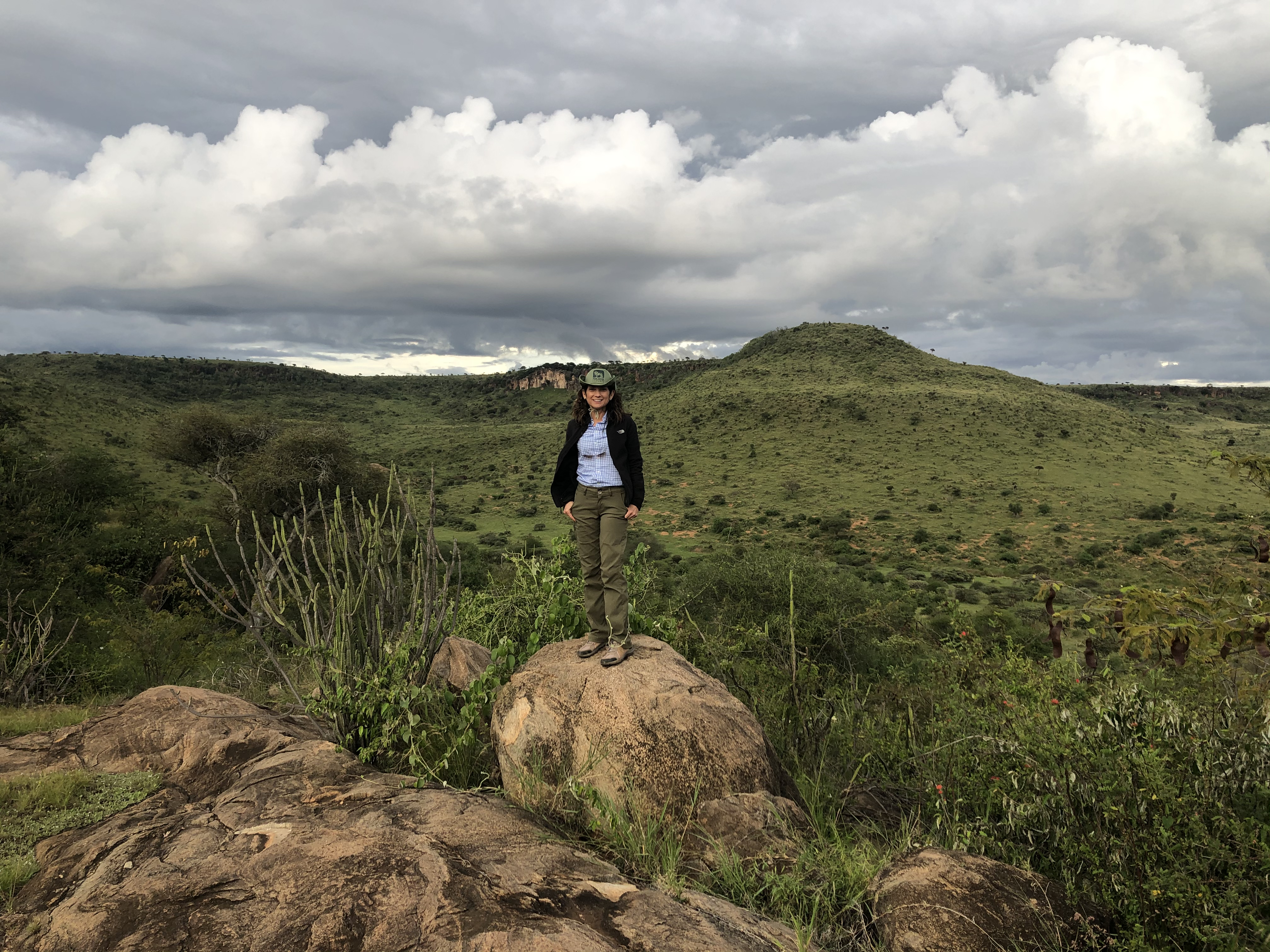
Known for its untamed beauty, The Laikipia Reserve was formed when the ranches of the Colonial era were converted from farming to wildlife. Possessing one of the largest elephant populations in East Africa, it is one of the last strongholds of the endangered black rhino. The plateau has reverted back to its wilderness roots, with a wildlife refuge supporting huge numbers of game including lion, cheetah, leopard, wild dog, impalas, gazelle, and reticulated giraffe.

After arriving by bush plane, we visited the Loisaba Conservation Center, a 56,000-acre wildlife conservancy located within Laikipia. As poachers continue to kill thousands of elephants and giraffes throughout Africa, organizations are banding together to develop strategies to stop the illegal killing of these threatened species. Education is one of these key strategies. The organization aims to become the hub for conservation education in Laikipia for the local community, tourists, and students. The center’s ultimate goal is “to help inform visitors about community-based conservation and how this model, with their support, will help preserve the area’s habitat and the endangered animals that live here.” Through their work, they show how conservation benefits both wildlife and the community.

Located within the reserve, Elewana Loisaba Lodo Springs offers the ultra-private lodge experience with eight private, spacious tented rooms each with impressive views over the valley below. With floor to ceiling windows, wide plank wood floors, oversized bathrooms, expansive decks, and minimalist but sophisticated Africana furnishings, they have more in common with boutique accommodations than their canvas namesake. (Click on this video below for a tour of my accommodations.)

Our days were filled with long morning treks and drives across the savannah as we searched out rhino, dik-dik, eland hartebeest, warthog, and Cape buffalo. The resort arranged breakfast served in the bush, and also offers horseback riding, mountain biking, fishing, and nighttime game drives.

For something REALLY unusual, stay a night or two at the Elewana Loisaba Star Beds. Poised on a rocky outcropping, this lodge features individual thatched roof accommodations with four-poster wooden beds that sit on raised wooden platforms. At night, the beds are slowly rolled out to the outdoor deck for guests to enjoy the most memorable sleep under an endless African sky. The Star Beds are rustic in design and are meant to harmonize with the natural rocky landscape.

It’s never TOO early to plan your next adventure. Email me: mollie@herrickstravel.com, for assistance and find out about upgrades, special amenities, and VIP service for all Herricks Travel American Express/Altour customers regardless of credit card membership. Looking for the best of the best Safari experience? Let me help you plan your trip with Micato Safaris, one of the world’s top outfitters, delivering unparalleled service.

Become a SUBSCRIBER and receive all my latest articles right to your inbox: look for the “subscribe to this blog by email” box and then respond to the follow-up email. For more information on my trip planning services, for assistance with Amex “Pay with Points” and Amex Fine Hotels & Resort Hotels, please click HERE.