Tintswalo, Manyeleti Safari

Tintswalo, Manyeleti Safari

Our recent journey to South Africa opened our eyes and our hearts to a new world. In Cape Town we walked in the footsteps of former President Nelson Mandela and learned of his struggle for freedom and the true definition of leadership (click here for my previous posts on Cape Town). On safari in Sabi Sands we spotted the Big Five and the Magnificent Seven in all their four-legged glory. (Click here for my articles on Sabi Sabi).

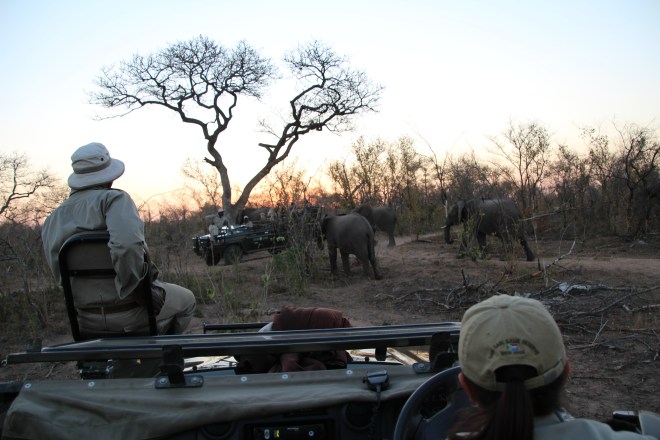
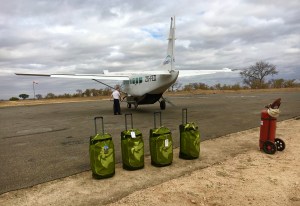
The next leg of our adventure continues here… We flew north by bush plane to Manyeleti, another private game reserve adjacent to Kruger National Park, which is located in the northeastern part of the country, bordering Mozambique and Zimbabwe. We were met at the dirt airstrip by our guide, Alister, and tracker, Pardon, who whisked us off into the bush to our lodge, Tintswalo.

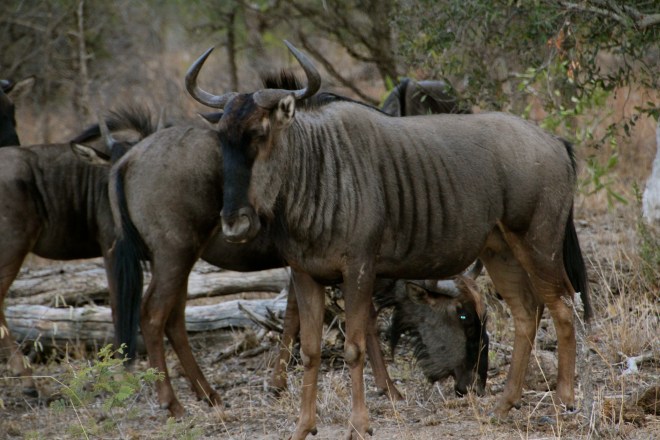
Wildebeast, Tintswalo, Manyeleti

Wildebeest exhibit the largest animal migration in the world

TIntswalo Lodge, Manyeleti

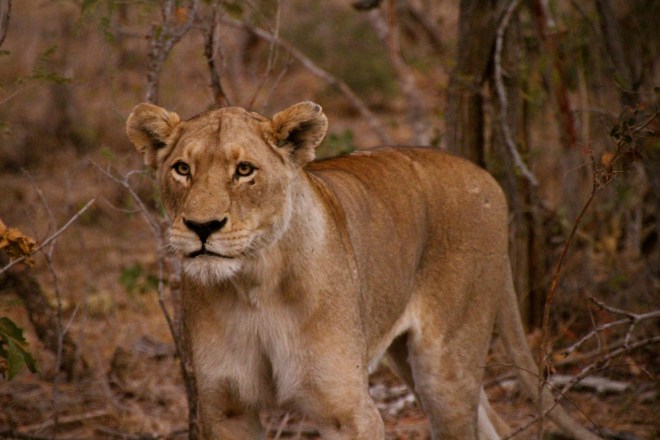
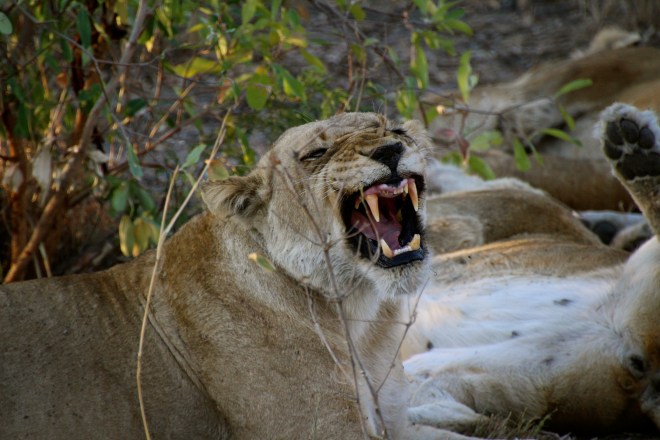
In a pride, all the lionesses are related

Tintswalo, Manyeleti

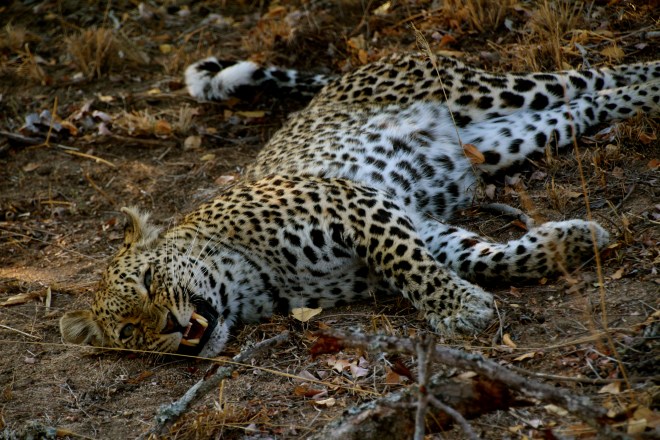
Leopards are nocturnal. During the day , they rest in thick brush or in trees.

Tintswalo, Manyeleti

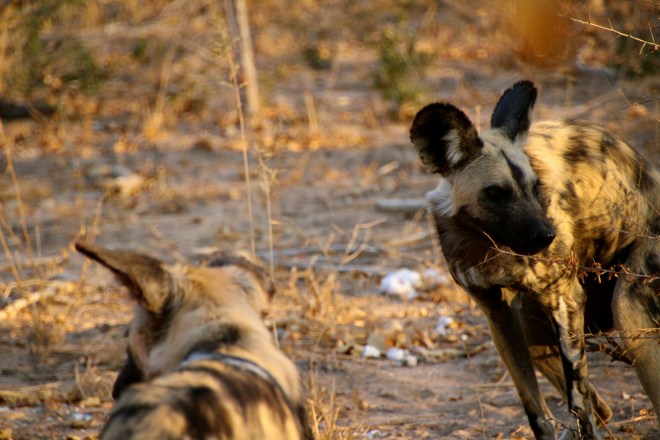
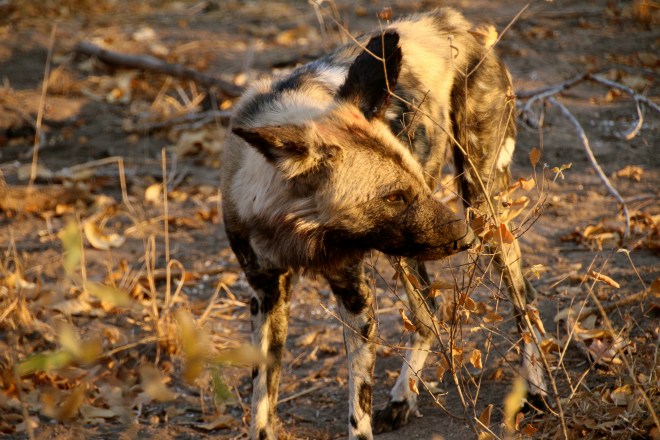
During three days of game drives we caught sight of lions, buffalo, kudu, nyala, zebra, wildebeest, and fox and absorbed lessons in all manner of flora and fauna. The most important, but tragic animal fact we learned? That extreme poaching continues to run rampant in South Africa.

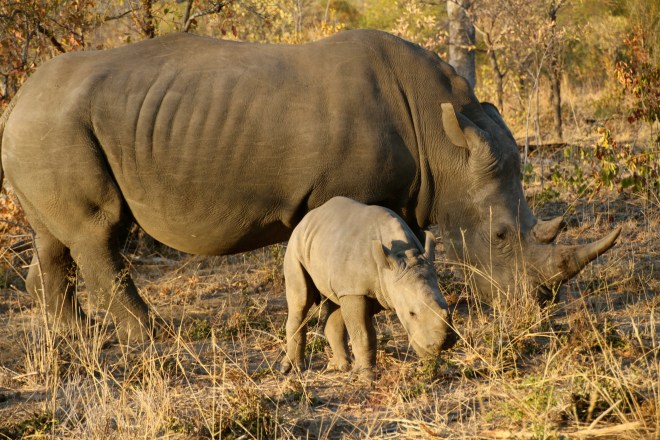
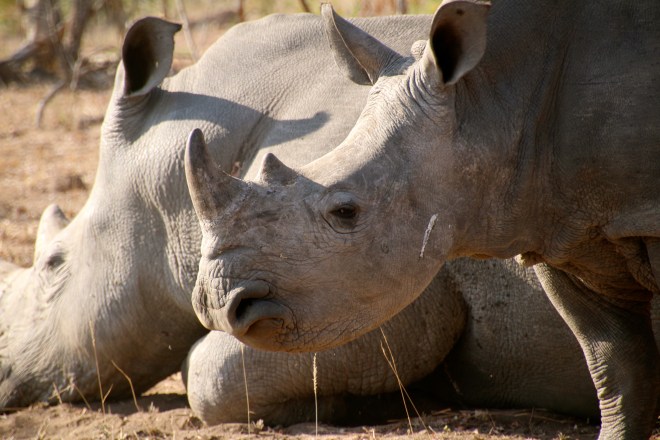
After dinner one evening in the lodge, Alister showed us a heart wrenching video that portrayed the devastating realities of this slaughter. Rhino poaching has escalated in recent years, primarily driven by the demand for its horn, specifically in Vietnam. Often associated with traditional Chinese Medicine, it has evolved into a status symbol displayed to mark success or wealth. Poachers are funded by international criminal organizations that provide sophisticated equipment and substantial bounties to track and kill rhinos. The animal is tranquilized and then the horn is brutally hacked off its snout – the animal left to die a slow and painful death, often in full view of its offspring.

Hoedspruit, South Africa

At the Hoedspruit Center for Endangered Species, orphaned rhinos are nurtured

One afternoon, we visited the nearby Hoedspruit Endangered Species Center to learn more. This unique facility focuses on the conservation and sustainability of rare, vulnerable and endangered species in South Africa. Through education of surrounding communities, tourism, breeding, rehabilitation and anti-poaching initiatives, HESC aims to make a difference in the long-term survival of the planet and its animal inhabitants. The rhino, second largest land mammal after the elephant, specifically has borne the brunt of poaching, which has led to near extinction.

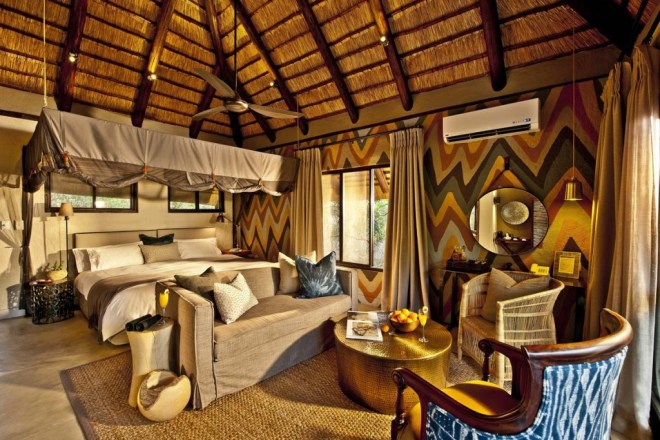
Tintswalo Lodge Suite

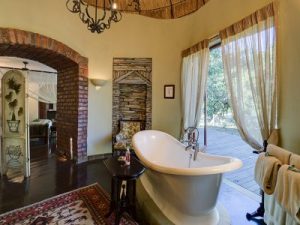
Tintswalo Lodge – suite bathroom

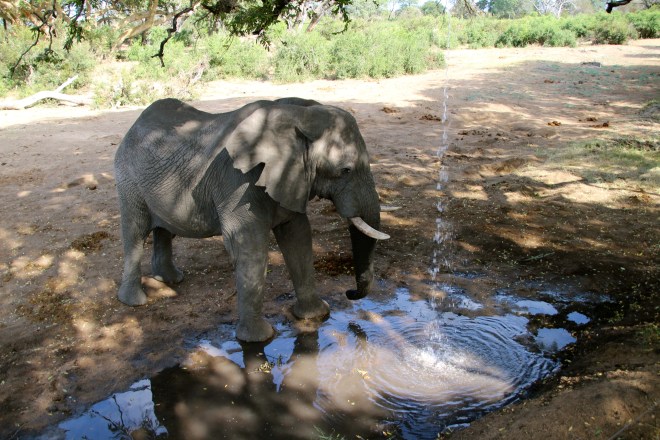
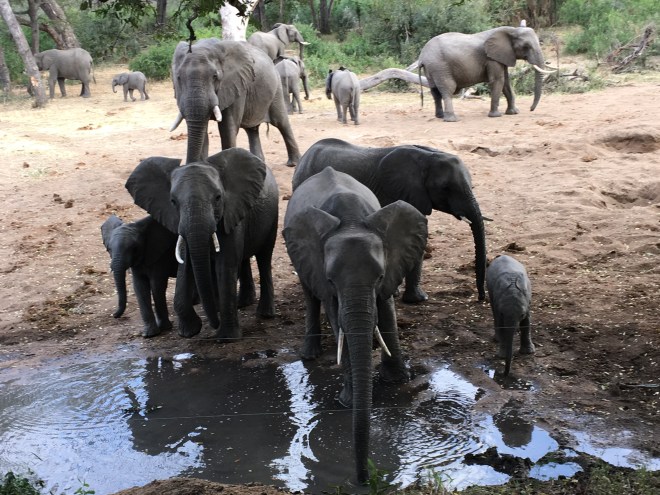
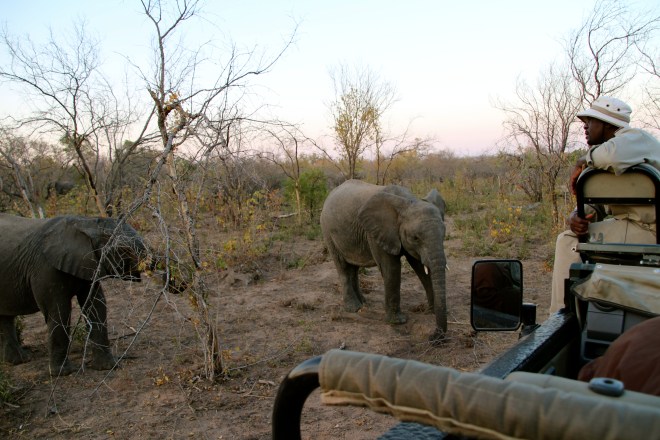
In between our excursions and twice-daily game drives from Tintswalo, we relaxed in our two-bedroom Baines Suite, named for the nineteenth century English artist and explorer.  The suite includes a living room, kitchen, dining room, and chef.  Our boys were delighted when creatures great and small visited the suite’s backyard plunge pool. On occasion, the front desk rang our rooms to alert us that a herd of elephants had arrived for their daily drink at the watering hole located in full view of the restaurant terrace.

Tinstwalo Lodge, Manyeleti

Tintswalo’s suites, all named for 19th century explorers, feature exquisite colonial era decor

Tintswalo, Manyeleti

Tintswalo Lodge, Manyeleti

A Waterbuck visits our suite’s backyard plunge pool

On our last morning, we bid a sad farewell to Tintswalo as we joined the other guests for a “bushveld” breakfast. Our lovely al fresco buffet, laid out along a dry riverbed under the tallest of olive trees, was a symphony of sights and smells — the brewed coffee and roasted bacon mixing pleasingly with the aromas of the surrounding dried brush grasses.

Tintswalo Lodge, Manyeleti

Almost daily, this herd visits the lodge watering hole

Tintswalo Lodge, Mayeleti

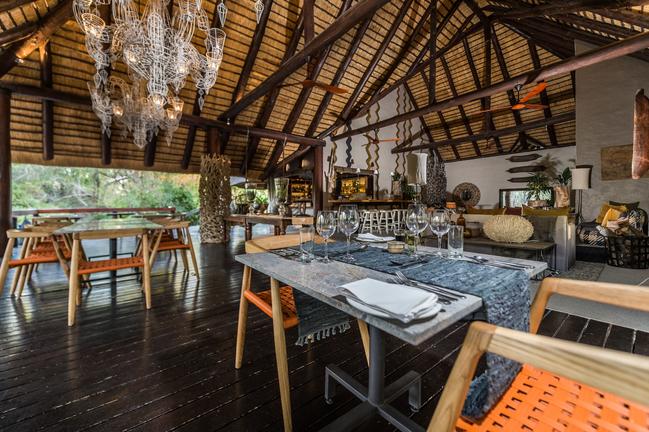
The wooden boardwalk connects all of the lodge’s suites to the main lobby, restaurant, and library

Tintswalo Lodge, Manyeleti

A farewell breakfast in the bush

As we boarded our safari vehicle and headed back to the landing strip to await our flight to Johannesburg, we reflected on our safari experiences, pondered the interdependence of humans and wildlife, and recognized the impact this intertwined relationship has on the world’s survival.

Tintswalo Lodge, Manyeleti

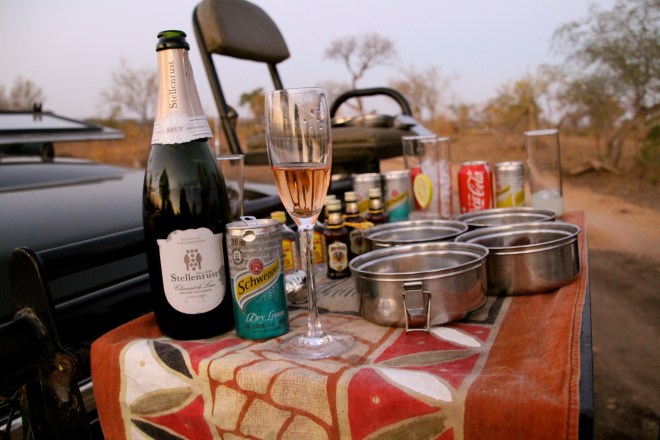
Sundowners at Tintswalo — a highlight of our stay

Check out my son Harris’s video, below, of a herd of Cape Buffalo we encountered during one of our evening game drives. (You can watch all of his adventure and travel videos on his Vimeo Channel – The Suburban Sportsman)

SHerricks Travel American ExpressUBSCRIBERS: to view this complete article online and read my previous articles, use this link: uniquefamilytraveler.com.

To become a SUBSCRIBER, look for the “subscribe to this blog by email” box, and then respond to the follow-up email.

For more information on my trip planning services, please click here.

Herricks Travel American Express


New York Times Travel Show 2017

New York Times Travel Show 2017

New York Times Travel ShowWant to travel the world in a New York minute? Visit the New York Times Travel Show held at Manhattan’s Jacob Javits Convention Center January 28-29, 2017 where you can join thousands of other travelers as they roam the aisles amongst 500 plus destinations and suppliers.

Attend this interactive exhibition and come away with a wealth of knowledge: attend educational seminars, learn about new resorts and hotels, and enjoy international food and entertainment. From Asia to Africa, the United States to the United Kingdom, the world will be at your fingertips.  NY Times Travel Show

The Jacob Javits Convention Center is located on Manhattan’s west side (34th Street and 11th Avenue).

New York Times Travel ShowNeed help putting it all together? Contact me at mollie@herrickstravel.com
I will help you create your unique trip for 2017 and beyond.

Herricks Travel American Express

SUBSCRIBERS: to view this complete article online and read my previous articles, use this link: uniquefamilytraveler.com.

To become a SUBSCRIBER, look for the “subscribe to this blog by email” box, and then respond to the follow-up email.


For more information on my trip planning services, please click here.

Herricks Travel American Express
Sabi Sands Safari

Sabi Sands Safari

When visiting South Africa, the goal is to see the “Big Five” game animals: lion, elephant, buffalo, leopard, and rhinoceros. The term was originally coined by hunters to represent the five species most difficult to hunt on foot, but has since been adopted by the tourism industry to denote optimum viewing experiences.  Adding in two additional animals — the hyena and cheetah –means that you have also achieved the “Magnificent Seven.” Although never a guarantee, we were very fortunate to sight all seven animals during our safari.

My recent articles highlighted my family’s adventure in South Africa — truly a trip of a life time. Our journey began in Cape Town (read recent articles here) where we enjoyed city, wineland, and national park exploration. Next, we hopped a bush plane to reach the next leg of our trip — safari in Sabi Sands (for safari planning tips, click here).  We stayed in Little Bush Camp, located in one of the great private reserves adjacent to Kruger National Park. To read about our experience at this amazing lodge, click here.

Sabi Sabi South Africa

Out of the hundreds and hundreds of photos we snapped, it is impossible to play favorite. So, here are just a few that will give you a small taste of the wild and wonderful creatures we encountered during out travels in Sabi Sabi:

Sabi Sabi South Africa

Sabi Sabi South Africa

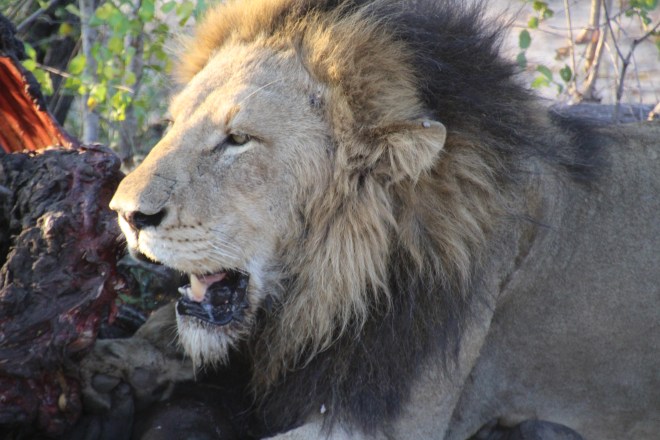
At a kill, a lion tends to gorge himself and can consume up to 25 percent of its body mass in only a few hours. Afterwards, a rest is much needed!

Sabi Sands South Africa

Sabi Sands South Africa

We came upon this matriarchal breeding herd of elephants. The females can be identified by their tusks, which are smaller than the males’.

Sabi Sabi South Africa

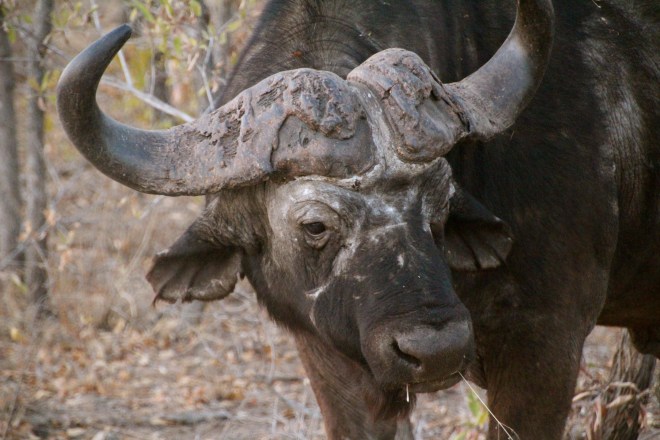
The African Buffalo, also known as the Cape Buffalo, can travel amongst very large herds and can spend up to 18 hours a day foraging and moving.

Sabi Sabi South Africa

The Greater Kudu, noted for its long and twisted antlers, is related to the antelope.

Sabi Sabi South Africa

Sabi Sabi South Africa

Sabi Sabi South Africa

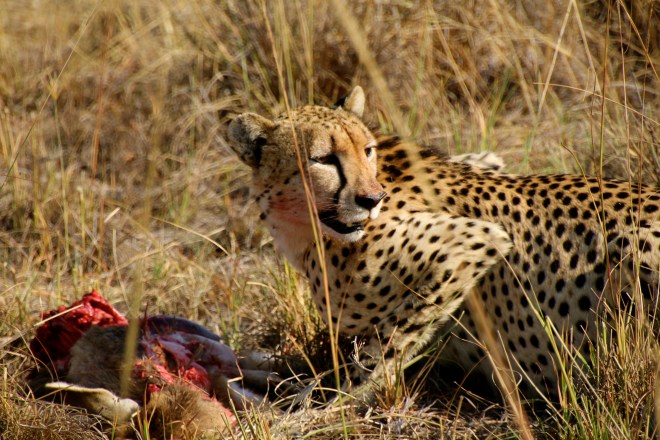
The cheetah is the fastest land animal. We were lucky to catch him at rest, mid-meal.

Sabi Sabi South Africa

The leopard’s whiskers help guide it through the thick vegetation and compliments its excellent night vision making it a lethal predator.

Sabi Sabi South Africa

Sabi Sands South Africa

We witnessed these wild dogs as they pursued an impala. Our safari vehicle could barely keep up with them as they raced through the bush —  the dogs’ initial speeds can top 66 kilometers per hour.

Sabi Sabi South Africa

Sabi Sabi South AfricaSabi Sands South Africa

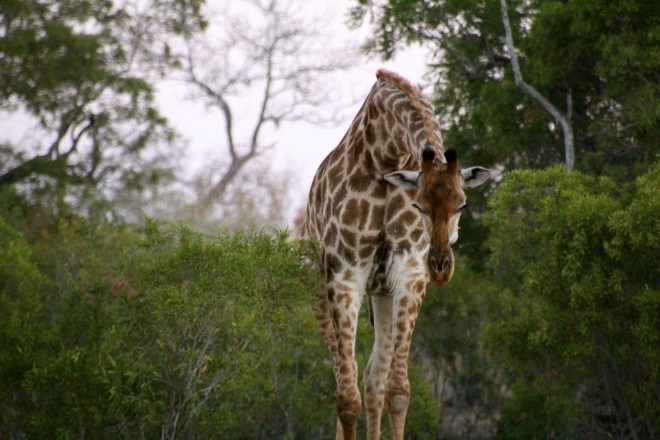
Despite the giraffe’s long neck, it contains only seven vertebrae — the same number as a human and most mammals.

Sabi Sabi South Africa

The hyenas’ bite is the most powerful of all mammals and will crush the thick bones of their prey in order to access the nutritious marrow contained within. Seeing (and hearing!) them in action in the pitch darkness was an intense sight to behold.

Sabi Sabi South Africa

Sabi Sabi South Africa

Sabi Sands South Africa

The beautiful stripes of the zebra actually serve a purpose: to effectively heat and cool the animal.

Sabi Sabi South Africa

Sabi Sabi South Africa

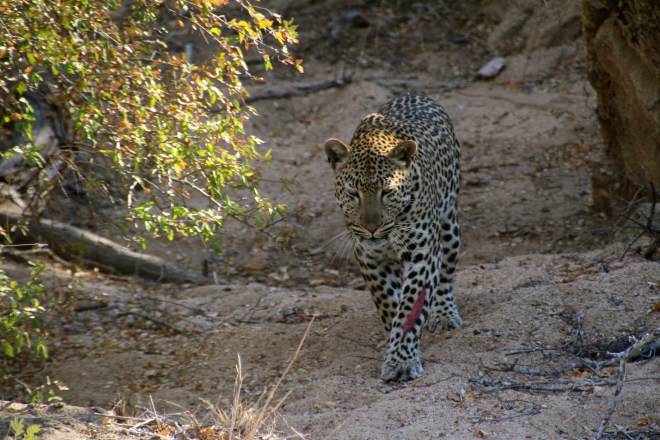
We followed along in our vehicle as this leopard, which had suffered an injury in a fight with another animal, walked the stream bed in search of water.

Sabi Sabi South Africa

Wildebeest have many predators: lion, leopard, cheetah and wild dog.

Sabi Sabi South Africa

All creatures great and small are part of the safari experience. Here a dwarf mongoose peaks out of his home, a repurposed termite mound.

Sabi Sabi South Africa

Hippos cannot float, which is why they are often seen resting in shallow water.

Sabi Sands South Africa

We couldn’t help but name this hornbill “Zazu” in honor of the character in the movie “The Lion King.”

Sabi Sands South Africa Warthog

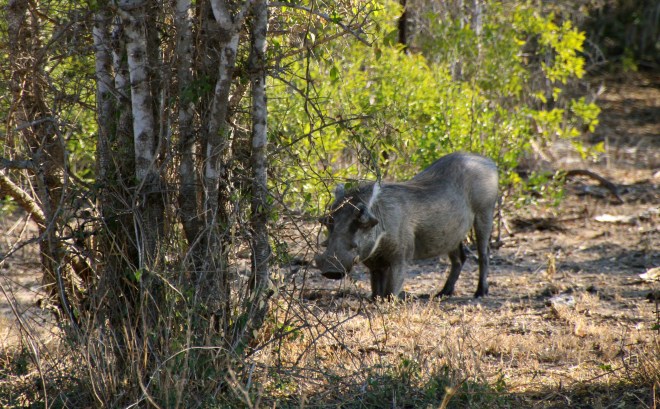
And, not far away we spotted his “Lion King” companion, “Pumbaa,” otherwise known as a warthog.

Sabi Sands South Africa

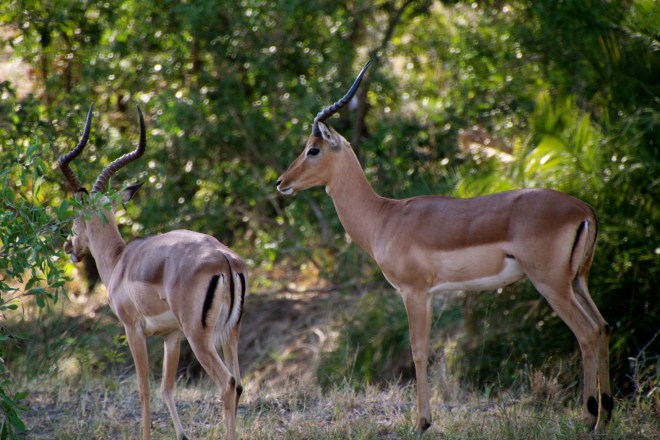
Impalas are known for their characteristic stripes, but only the males have horns.

Sabi Sabi South Africa

Sabi Sabi South Africa

Unfortunately, rhinos are being hunted into near extinction. More about this in an upcoming article highlighting our visit to Tinstwalo Safari Lodge, located in the Manyeleti Private Preserve.


SHerricks Travel American ExpressUBSCRIBERS: to view this complete article online and read my previous articles, use this link: uniquefamilytraveler.com.

To become a SUBSCRIBER, look for the “subscribe to this blog by email” box, and then respond to the follow-up email.

For more information on my trip planning services, please click here.

Herricks Travel American Express
Little Bush Camp, Sabi Sabi

Little Bush Camp, Sabi Sabi

Half way through our South African safari, I knew this trip was unique when my two sons said: “this is THE best vacation!”  I knew exactly what they meant.  Knowing of their travel experience to 37 countries, people always ask: “what’s your favorite destination?”  They could not play favorite … until our recent trip to South Africa.  Combining history and culture, with stunning landscapes and wildlife encounters, this vacation checked all the adventure boxes.  While Cape Town and Johannesburg were a history lesson come alive, safari was nature in four dimensions: big sky, vast plains, majestic creatures, and a spiritual other-worldliness.

I dreamed of Africa… and still am.
Little Bush Camp, Sabi Sabi
After leaving Cape Town (read my recent articles here), we flew to Johannesburg and then hopped a bush plane to the landing strip in Sabi Sands, a private reserve adjacent to Kruger National Park. (For more details on this private reserve, read my article here).   We were met by our safari vehicle and whisked away on dirt roads to Little Bush Camp, a Sabi Sabi lodge comprised of six thatched-roof suites, each with private viewing deck all overlooking the banks of the Msuthlu River.Little Bush Camp, Sabi Sabi

Little Bush Camp, Sabi Sabi

Little Bush Camp, Sabi Sabi

Little Bush Camp Lodge

We were greeted warmly by our hosts and given instructions on safari schedules, dining, and excursions. My husband and I checked into one cottage, and my two sons next door in their own.   Our three days in the bush were a whirlwind of game drives and animal sightings. Awoken by our guide, Aniska, at 6am each morning, we joined our lodge mates by the fireplace in the main lodge for a much needed cup of hot tea and plates of fresh fruit, homemade muffins, and warm scones. At the end of the garden path, we boarded our Land Cruiser, which we shared with a lovely honeymoon couple from Australia.  Our visit was in July (winter in the southern hemisphere), so early mornings were brisk and required extra layers, including wool cap, gloves, and scarf.  Blankets and hot water bottles placed on our seats in the open-top vehicle came in VERY handy.
Little Bush Camp
Little Bush Camp, Sabi Sabi
Our morning drives lasted approximately three hours, after which we would return to the lodge to eat a hearty breakfast and then spend time relaxing and reading in our huts.  Intermittent Wi-Fi and sporadic cell service were a blessing, giving us a chance to really “power down” on this vacation.

Following our alfresco lunch there were activities available: a visit to one of the other Sabi Sabi lodges, an excursion to the local community to learn about their culture and history, or a bush walk on guided walking trails outside the lodge’s perimeter.  Upon our return, we would grab extra fleece jackets and vests (having shed them because the midday sun can be exceptionally strong even in winter) and embark on the evening drive.

Little Bush Camp, Sabi Sabi

In Sabi Sands, the guides can take you off-road into the bush

Sabi Sands, South Africa
Little Bush Camp, Sabi Sabi
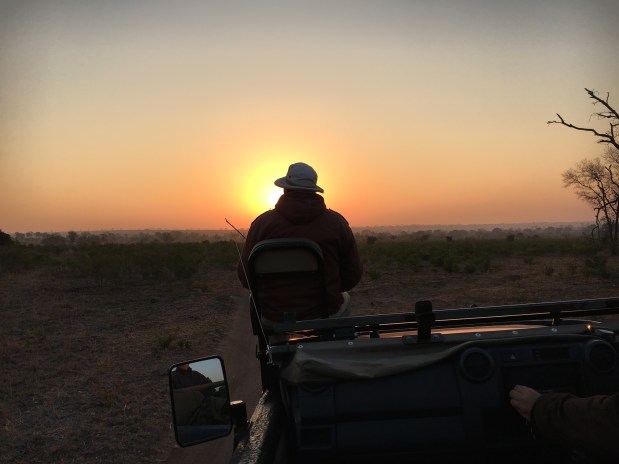
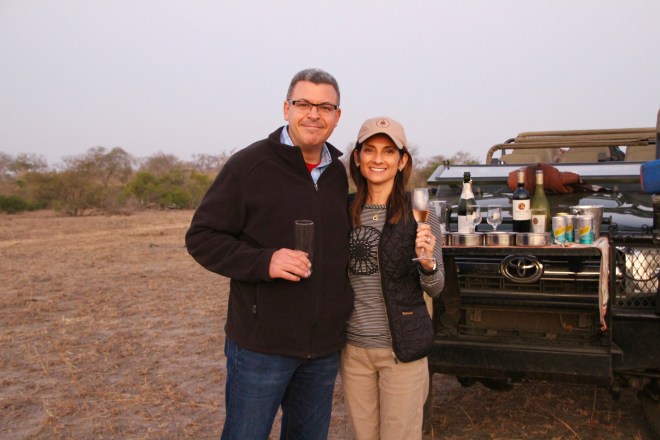
The highlight of the evening drives was “Sundowners,” South Africa’s very civilized version of “Happy Hour.” As dusk arrived, our guide pulled over in an open grassland and set out a lovely spread of snacks and beverages on a fold-down shelf perched on the front of the vehicle. With hiking boots on the ground, we had the opportunity to see, hear, and feel the bush up close as we watched the setting sun.

At nightfall, we drove back to the lodge where we were greeted by a candlelit dinner. We joined our lodge mates and guides at a large family table for an intimate evening of conversation and safari story telling by moonlight. After our meal, exhausted, we retired to our thatched cottages escorted by a guide with a lantern to ward off wandering wildlife. (Leaving your accommodations on your own in the dark is discouraged — the lodge’s fencing only keeps out larger animals like elephants).
Sabi Sabi
Sabi Sabi
Sabi Sabi
Our guide/driver, Aniska, was a “bush baby” who grew up in the local area and was well versed in all creatures great and small. All the lodge guides work together as a team, seamlessly communicating their location and animal sightings by radio so multiple vehicles don’t overwhelm the wildlife.   My sons loved when Aniska went into full “Ferrari safari mode,” racing off to see a unique sighting — wild dogs pursusing a herd of impala or a cheetah devouring its kill — before it disappeared into the bush.

Seated at the very front of our vehicle was Voster, our tracker, who hails from the Shangaan village which abuts the game reserve. These experts are completely in tune with the many clues and hidden signs that animals leave behind, be it foot print or dung heap, and work hand in hand with the guides to track the game and provide you with the up-close wildlife encounters this area is famous for.

Sabi Sabi

Enjoying “Sundowners” with our tracker and guide

One evening, Aniska parked on an empty plain, turned off the vehicle lights, and in the pitch darkness, we gazed up at the pristine night sky — the lack of light pollution allowed for an endless blanket of stars.  With her laser pointer she highlighted the Southern Cross and Milky Way and we even caught a glimpse of the International Space Station silently making its way across the universe.  Wow, how very small we are.

It is hard to put into words all of the sights we saw, each more wondrous than the next. Viewing animals in their natural habitats, existing together (and yes, sometimes eating each other!) truly illustrates the “circle of life” no matter how cliche it sounds — queue the “Lion King” score.  Each night, at bedtime, we scrolled through the hundreds upon hundreds of photos we snapped and reflected on the day’s adventures, so very thankful that it was not just a dream.

Stay tuned for more photos of our animal sightings in Sabi Sands and articles on our second safari stop in Manyeleti Private Reserve plus tips on packing.
Little Bush Camp, Sabi Sabi
SHerricks Travel American ExpressUBSCRIBERS: to view this complete article online and read my previous articles, use this link: uniquefamilytraveler.com.

To become a SUBSCRIBER, look for the “subscribe to this blog by email” box, and then respond to the follow-up email.

For more information on my trip planning services, please click here.

Herricks Travel American Express
South African Safari Logistics

South African Safari Logistics

When planning a South African safari, the name Kruger immediately comes to mind.  This National Park (the size of Wales) is located in the northeastern part of the country, with neighbor Zimbabwe to the north and Mozambique to the east.  It offers popular camping spots and self-drive tours with a variety of accommodations (mostly run by the National Parks board).  However, if you are looking for a more unique, intimate safari experience in South Africa, a stay in one of the adjacent, private reserve areas is the key to a memorable trip of a lifetime.

Map of South Africa

Sabi Sands Private Reserve is a wildlife conservation private reserve, (the oldest privately owned reserve in South Africa) which means it is not available to day-visitors.   Considered part of the Greater Kruger Wildlife Enclave, it covers roughly 250 square miles. A reservation for one of the lodges is required for entry. Sabi Sands derives its name from the two rivers, River Sabi and River Sand, which flow through the savannah and woodland areas that sustain the diverse flora and fauna.   The western perimeter is fenced, however the eastern perimeter (which adjoins Kruger) is 50 kilometers of unfenced border allowing wildlife to roam freely.  This is not a “zoo” – animals are not “fed.” They are existing in their own biodiverse and natural environment (except for water sources that were part of the original agricultural land).  It’s home to the most sought after animal sightings: the Big Five (buffalo, elephant, rhino, lion, leopard), the Magnificent Seven (Big Five plus the wild dog and cheetah), and 300 species of birds.

Sabi Sands South Africa

A safari in Sabi Sands gets you face to face with the the Big Five

Sabi Sands Reserve Map

Sabi Sands Reserve map

Sabi Sands lodges include meals and off-road safari privileges with an experienced guide in a designated Jeep or vehicle. (In Kruger National Park, you must stick to paved roads, which means you cannot follow a stalking leopard into the bush or an wild dog pursing its prey).  It is divided into several privately owned game reserves including Sabi Sabi, Ulusaba, Singita, and Londolozi, each with its own set of individual lodging areas from modest to luxury.  Some are more child-friendly, while others cater to honeymoon couples or small groups.  Some come equipped with private pool, private deck, or connecting suites. Some lodges have only six or eight villas – a more intimate experience – while others offer amenities like a spa, resort pool, or kids club. All provide other activities besides safari, including visits to the local communities and bush walks.

Sabi Sands rhino

Up close and personal with a rhino, one of the Big Five

Leopard in Sabi Sands

Sabi Sands is well known for its leopard sightings

Our stay this past July was in Little Bush Camp located in the Sabi Sabi Private Game Reserve.  Sabi Sabi has four lodges, each with its own distinct style and flavor: colonial themed Selati, family-friendly Bush Lodge, ecofriendly Earth Lodge, and Little Bush Camp, which features six individual huts all nestled on the banks of the Msuthlu river.

How to get to Sabi Sands? There are several choices including taking a scheduled commercial flight from Johannesburg or Cape Town to local airports in Nelspruit (towards the southern area of Sabi Sands) or Hoedspruit (closer to the northern part of Sabi Sands) then transferring to your lodge by vehicle or “bush plane” depending on travel distance.

South Africa, Federal Air

Boarding our bush plane in Joburg

The most efficient way is by chartered flight on Federal Air, based out of OR Tambo airport in Johannesburg, which takes you directly to the various private reserve landing strips (some paved, some not so much) all within Sabi Sands.

After spending several days in Cape Town, (check out my recent articles here) we flew from Cape Town to Johannesburg on a scheduled South African Airways flight then transferred by minivan to a Federal Air flight. Located a short drive from the main airport terminal, Federal Air has its own dedicated lounge with beverages, snacks, and bathrooms.  The aircraft are parked right outside the lounge — no jetway or staircase needed.  Our flight was 1.5 hours nonstop to Sabi Sabi, (there is a possibility for one or two quick stops to drop off or pickup other passengers staying in other areas within Sabi Sands). Be aware that time of flight departure is not confirmed until 24 hours prior, so make sure to include ample layover time in Joburg if making a connecting flight post safari.

Sabi Sabi South Africa

From the Sabi Sands landing strip it was a quick ride by Land Cruiser to Little Bush Camp

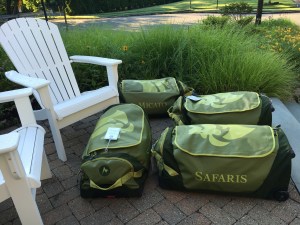
Micato Safaris, South AfricaAlso note that the luggage limit is 44 pounds per person (including carry on) since these are small bush planes (Cessna Grand Caravan or Beechraft 1900 are typical). We used soft-sided, rolling duffels (thank you Micato Safaris!) – hard-sided luggage is not allowed onboard.  Our plane held about 12 passengers and two pilots and was a smooth flight – the only real discomfort was from the lack of bathroom on board, so plan accordingly!

As you plan your South African safari, make sure to check government websites for information on proper shots and malaria pills, or consult with a travel doctor several months prior to departure in order to educate yourself on immunization recommendations.  Also, the South African government now requires that all children under the age of 18 must possess an unabridged version of their birth certificate (along with their passport) reflecting the particulars of the child’s parents. For more information (including documents required for children traveling with only one parent), click here.

Sabi Sands South Africa

More about Cape Buffalo in my next article

Stay tuned for my upcoming article and photos from our stay at Little Bush Camp and Sabi Sabi safari including notes on weather and packing.


SUBSCRIBERS: to view this complete article online and read my previous articles, use this link: uniquefamilytraveler.com.

Herricks Travel American ExpressTo become a SUBSCRIBER, look for the “subscribe to this blog by email” box, and then respond to the follow-up email.

For more information on my trip planning services, please click here.

Herricks Travel American Express


Cape Town’s Best Bets

Cape Town’s Best Bets

As I mentioned in my last post on Table Mountain National Park, no visit to South Africa is complete without a stay in Cape Town. Before you embark on a Kruger safari adventure, set aside a few days for some urban exploration. This coastal city overflows with natural wonders and historic sites so make sure to take time to cover it all:

Table Mountain National Park: Stretching across the Cape Peninsula from city-centered Table Mountain in the north to Cape Point in the south, this national park is exceptionally biodiverse. For more insight, please read my recent article.

V&A Waterfront, Cape Town

Photo-op at the V&A Waterfront

Kirstenbosch National Botanical Garden: Take a stroll on the Tree Canopy Walkway a curved, timber and steel bridge that hovers over the garden’s canopy of trees offering great views of the peninsula. Or, pack a picnic, and head for a hike up Table Mountain, which is easily accessible from here.

Robben Island, Cape Town

Robben Island

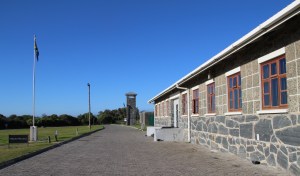
Robben Island: Required reading (or viewing) prior to a trip to South Africa is Nelson Mandela’s “Long Walk to Freedom,” the autobiographical work that chronicles the former president’s life and 27 years imprisoned on Robben Island. This UNESCO Site is accessed by way of ferry originating from the Nelson Mandela Gateway Museum at the V&A Waterfront. The 3.5 hour tour includes the ferry crossing, guided bus tour around the island, and visit to the maximum-security prison and the cell that housed Mandela, the global icon of bravery and freedom. Most memorable part of the tour? Meeting with a former political prison who recounts his own story of imprisonment and life under Apartheid.

Robben Island, Cape Town

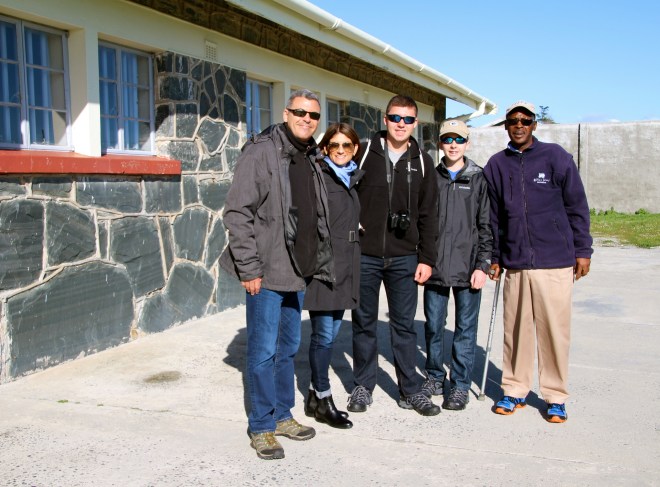
Our tour of Robben Island was led by a former political prisoner

Robben Island, Cape Town

We met with prison guard (and author), Christo Brand, who formed a “friendship behind bars” with Mandela

Hooked on history? Try a Tunnel Tour and get an up close view of the underground canals that date back to 1652 and once served passing ships with fresh water. The District 6 Museum tells the story of citizens forcibly removed from this neighborhood by the Apartheid government. The Heart of Cape Town Museum celebrates the world’s first heart transplant. And, a tour through the Castle of Good Hope, Cape Town’s star-shaped, oldest surviving colonial building, will give you a perspective on the hardships of the city’s earliest days.

V&A Waterfront, Cape Town

Shop, eat, play, and step back in history at V&A Waterfront

V&A Waterfront: Perched on the Atlantic side of the Cape Peninsula, this historic dockland is a busy commercial harbor set in the midst of a bustling entertainment mecca. The Victoria & Alfred Waterfront boasts 450 shops (both local and international brands), 80 eateries, theatres, movies, and more. Visit The Watershed for an eclectic mix of indigenous crafts and the Market on the Wharf for artisanal food, fresh produce, and baked goods. Get out on the water with a boat charter, or catch a helicopter charter for a bird’s eye view of the city. Spend an afternoon at the Two Oceans Aquarium and dip a hand into marine tanks and touch pools, or stop at the predator tank to watch the sharks feed.

Nobel Square: Adjacent to the V&A Market, this square and its statues pay tribute to South Africa’s four Nobel Peace Prize Laureates: Nikosi Albert Luthuli, Archbishop Emeritus Desmond Tutu, and former state presidents FW de Klerk and Nelson Mandela.

Nobel Square Cape Town

Nobel Square

Cape Town Diamond Museum: Located near the V&A Harbor Clock Tower, this “hidden gem” recounts the 1867 Diamond Rush in South Africa and the path a diamond takes from “in the rough” to ring-worthy final product.

Camps Bay: This trendy yet casual seaside resort at the foot of the Twelve Apostles Mountains (just ten minutes from downtown Cape Town) is known as the city’s Riviera and is fringed by a palm tree lined promenade with a thriving mix of sidewalk cafes and boutiques. The long stretch of beach has a tidal pool at the southern end, surfing at the northern end, and in between, a calm spot for swimming.

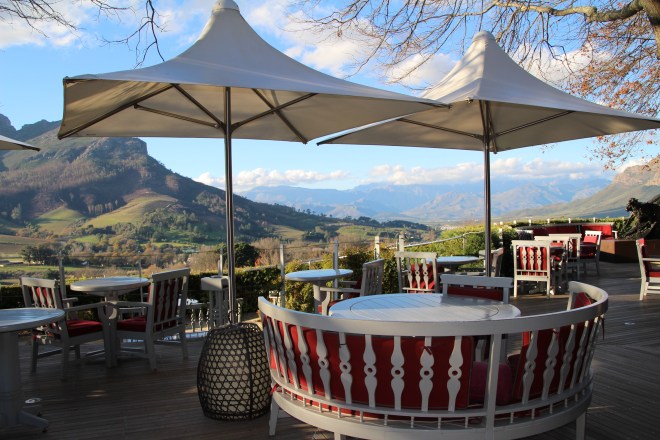
Stellenbosch: Surrounded by the Cape Winelands, this university town is known for its distinct Cape Dutch architecture, oak-shaded streets, and charming shops, patisseries, and artisanal bakeries. Spend the day exploring the never ending vineyard choices that rival California’s Napa Valley. Most notable is exclusive lodge Delaire Graff Winery with its gorgeous mountain views from its patio restaurants. Prefer a chocolate and Brandy tasting? Stop at Waterford Estate or Van Ryn. Continue your wine tasting tour in the vineyards near the village of Franschoek, also regarded for its galleries and antique shops.

Delaire Graff Estate, Cape Town

A gorgeous view from Delaire Graff Estate

Stellenbosch, Cape Town

The vivid mountain vistas of Stellenbosch

Delaire Graff Estate

Visit at sunset to catch those burnt sienna hues

Foodies: Restaurants in Cape Town boast exceptional chefs, locally sourced ingredients, and traditional South African game (including kudu, ostrich, and springbok). Enjoy seafood with a view at Harbor House at the V&A Waterfront. Kloof Street House takes its name from the hip street it resides on. Set in a Victorian building, it features a kitschy interior and brasserie-style menu. The Old Biscuit Mill, located in a formerly industrial area known as Woodstock, is actually a little village with an eclectic mix of farm stalls, artists’ workshops , restaurants, and seasonal festivals. Test Kitchen, is well-known for its inventive menu and creative flavors and ingredients. It’s tough to score a reservation at The Pot Luck Club dubbed “the coolest place in Cape Town,” but it’s worth a try to sample its innovative cuisine. Noordhoek’s Food Barn charms with its laid back, rustic atmosphere and truly farm to table menu. Visit the One & Only hotel for dinner at Reuben’s (in nice weather ask for an outside table overlooking the harbor) and make a stop in the lovely lobby lounge before or after your meal. Visiting Camp’s Bay? Take time for sushi at Paranga on the restaurant’s beach-view terrace.

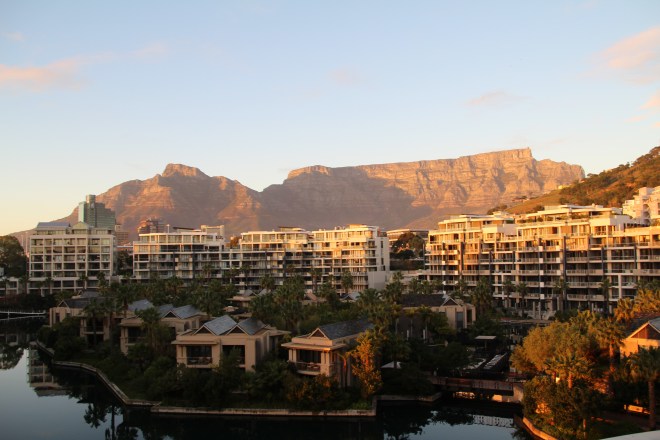
Stay overnite: One & Only Cape Town (in the harbor area), Cape Grace Hotel (waterfront view), Camps Bay Retreat Hotel (set on a four-acre reserve), Twelve Apostles Hotel (borders Table Mountain National Park), and Tinstwalo Atlantic (a chic remote lodge on the shores of the Atlantic).

img_4304STAY TUNED FOR MY NEXT ARTICLE…
“Safari Adventures in South Africa”

For more information on my trip planning services, please click here.Herricks Travel American Express

SUBSCRIBERS: to view this complete article online and read my previous articles, use this link: uniquefamilytraveler.com.

To become a SUBSCRIBER, look for the “subscribe to this blog by email” box, and then respond to the follow-up email.

Best of Cape Town’s Table Mountain National Park

Best of Cape Town’s Table Mountain National Park

Planning your “bucket list” safari to South Africa? Make sure to include a stay in Cape Town, the country’s coastal capital, where African, European, and Asian cultures meet. This city, positioned on the Cape Peninsula, is also (allegedly) where the Atlantic and Indian Oceans meet. This dubious distinction actually goes to Cape Agulhas, which lies further along the coast to the east.  But, despite this cartographical clash, Cape Town and its peninsula remain a “can’t miss” destination, not just for its cultural offerings, but for its abundance of natural attractions.IMG_3892

Table Mountain National Park stretches across the Cape Peninsula from city-centered Table Mountain in the north, to Cape Point in the south. A string of white sand beaches line its 40 kilometer coastline, which meanders along the Atlantic Ocean on the western side to False Bay on the eastern shore.

IMG_3857This 7750-hectare preserve is exceptionally biodiverse – mountain zebras, buck, baboons, ostrich and 250 species of birds all call it home. There are more plant species than in the entire U.K., (including the beautiful and otherworldly national flower, King Protea).  At the southernmost point of the peninsula are three promontories: Cape of Good Hope, Cape Point, and Cape Maclear.

Table Mountain National

Table Mountain National Park South Africa

THINGS TO DO IN TABLE MOUNTAIN NATIONAL PARK

Table Mountain Aerial Cableway: Travel by cable car to the summit of this flat-topped mountain that stands like a beacon high above the city. The five minute ascent takes 65 people along a 1200 meter route in an enclosed capsule that revolves 360 degrees offering everyone a panoramic view.  (But, check the weather– it can be closed from 60-90 days a year due to strong winds. And, even on a sunny day, it will be a few degrees colder at the peak).  You can also take a guided trek by foot – pick from a variety of routes involving walking, hiking, or rope work.  Up top are a café, gift shop, and handy telescopes.

Cape Point Cape Town South AfricaCape of Good Hope Nature Reserve (Cape Point):  At the tip of Cape Peninsula lies Cape Point, a nature reserve and Natural World Heritage Site that lies within Table Mountain National Park.  A navigational landmark, (Portuguese explorer Bartolomeu Dias rounded this tip in 1488) the first lighthouse was completed in 1859. Take the three minute ride in the “Flying Dutchman” funicular (an inclined railway) from the lower station to the upper station – more robust visitors can choose to walk. At the top, if you make the climb up the steep steps to reach the lighthouse, you may catch a glimpse of migrating whales.

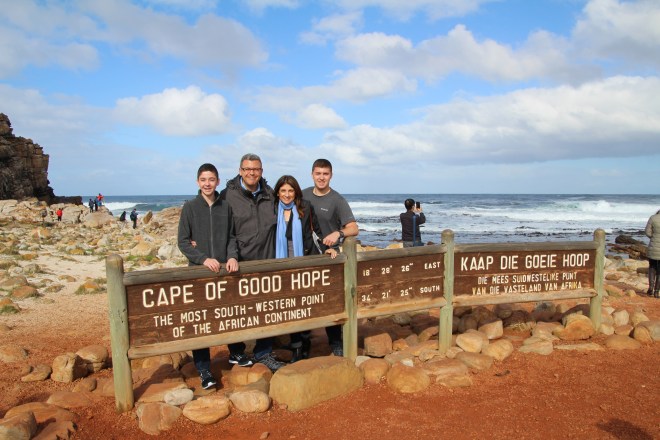
Later, continue a drive down along the main road to Cape of Good Hope to snap a photo with the famous sign positioned at this rocky headland.  And, stop for a bite to eat with a view at the aptly named Two Oceans Restaurant.Cape of Good Hope South Africa

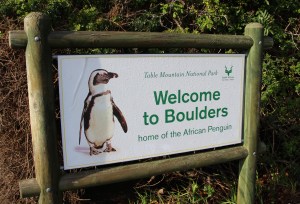
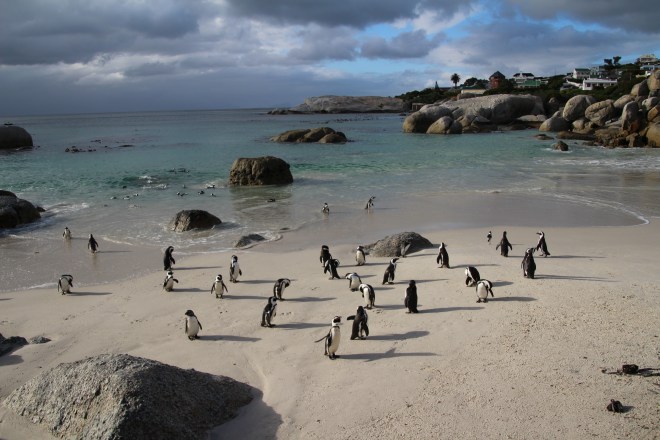
Boulders Beach, Table Mountain National ParkBoulders Penguin Colony: Penguin lovers (like me!) must make a pilgrimage to Boulders Penguin Colony located in Simon’s Town on the eastern side of the peninsula.  Descend down to the waterline along the boardwalk to this sheltered cove ringed by granite boulders and observe the endangered African Penguin in its natural environment. These little tuxedo-clad chaps put on quite a show, diving in the chilly waters and nesting in the dunes.  If the timing is right, you can catch a glimpse of adorable molting chicks. Afterwards, make a stop for tea at Café Penguino – next door is a gift shop with plenty of penguin-themed paraphernalia. Boulders Penguin Colony Cape Town South AfricaBoulders Penguin Colony, Table Mountain National Park

Boulders Penguin Colony, Table Mountain National ParkLion’s Head & Signal Hill: Lion’s Head, the prominent peak just to the right of Table Mountain, has well-marked trails and is a good option when Table Mountain is covered by clouds.  Signal Hill is the smaller flat-topped hill that extends from the lower slopes of Lion’s head.  Both are accessed by Signal Hill Road.

Food Barn, South AfricaA good place to stop for lunch before heading back into Cape Town is Noordhoek, a charming farm village with funky shops, quaint restaurants, and children’s playground.  Make a reservation at Food Barn, which boasts a laid back, rustic atmosphere with a high quality and truly farm to table menu.

Stay tuned for my next post on Cape Town “Best Bets” — sightseeing, shopping, dining, and cultural highlights.

For more information on my trip planning services, please click here.Herricks Travel American Express
SUBSCRIBERS: to view this complete article online and read my previous articles, use this link: uniquefamilytraveler.com.

To become a SUBSCRIBER, look for the “subscribe to this blog by email” box, and then respond to the follow-up email.

NYC’s Must-see Meatpacking District

NYC’s Must-see Meatpacking District

Chelsea Market NYCHeading to Manhattan? Bordered by Gansevoort Street and West 14th Street, from the Hudson River to Hudson Street, the Meatpacking District has all the makings of a perfect weekend escape. It’s where New York City’s foodies, culture-hounds, shoppers, and urban outdoor enthusiasts creatively co-exist.

The distinctive 19th century cobblestone-lined streets, once home to open-air meat markets and meatpacking plants now play host to fashion outlets, art galleries, and nightlife — it’s cutting edge with a hint of historic charm.

FOR ART’S SAKE:
Whitney Museum of American Art: The downtown version of the 50-year-old Upper East Side institution recently opened this 220,000 square foot outpost designed by Renzo Piano, the Pritzker prize-winning architect. His building is a work of art itself with its natural light filled galleries spread out over several floors, outdoor public spaces, and panoramic views of the Hudson and Manhattan skyline.

Milk Gallery: This studio and event space features works by prominent photographers who document the celebrity, fashion, and pop culture worlds.

Whitney Museum of Art

Image courtesy of Whitney Museum of Art

RECREATIONAL:
High Line: This one-mile long public park is built on the elevated railway that originally wound its way above the Meatpacking District. At 35 feet above ground level, it combines plantings with long narrow walkways, and stops for viewing platforms, sundecks, restaurants, and places to sit or stretch out and enjoy the view or occasional performance art.

Hudson River Park: Perched on Manhattan Island’s left coast, this 550-acre park runs all the way from West 59th street in Midtown, to Battery Park in the Financial District. Jog, bike, or just take it all in from one of the waterfront benches and tables.

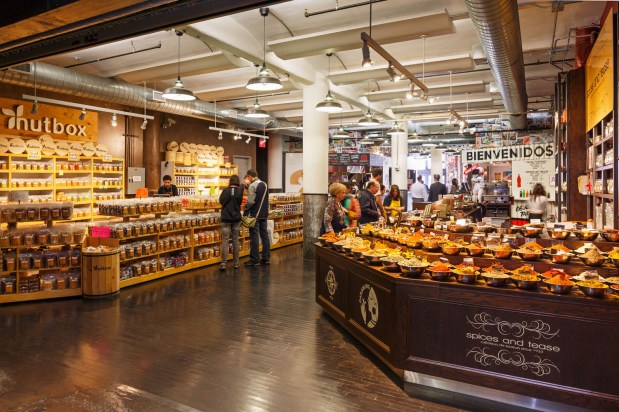
Chelsea Market: Originally the headquarters of the Nabisco Corporation (and birthplace of the Oreo cookie), this 800-foot long concourse is chock full of gourmet food purveyors, boutiques, and a flea market. Load up on sushi and oysters at The Lobster Place and scones at Sara Beth’s bakery.

The High Line New York City

The High Line

RETAIL THERAPY:
Shop high-end designers like Diane Von Furstenberg, Theory, and Alice + Olivia; pick a pair of jeans at Rag & Bone; enjoy understated yet chic Joie; or browse through Jeffrey New York (which started the whole meatpacking retail boom). Boutique shops include lovely Lila P, vintage inspired eyeglass purveyor Warby Parker, and trendy Calypso St. Barth. Techies will appreciate the Samsung 837 Store where “technology and culture collide.” Spend the afternoon amongst interactive art installations, virtual reality simulators, and live performances.

DINE OUT:
There is no shortage of upscale dining choices: Del Posto, Catch, Spice Market, Buddakan, and STK. Or, enjoy a breezy outdoor brunch at Bagatelle, comfort food at Bubby’s, casual Italian at Fig & Olive, and decadent desserts at Sugar Factory. In the mood for margaritas? Try Dos Caminos or Bodega Negra in the Dream Downtown hotel for the best of Mexican fare.

Bagatelle New York City

Brunch at Bagatelle

LATE NIGHT LIFE:
Staying up late? After hours, head up to these rooftop hot spots: Gansevoort’s Zezura at Plunge Bar & Lounge, Dream Downtown’s Ph-D, and the Standard Hotel’s Le Bain.

STAY OVERNIGHT:

Gansevoort Hotel Meatpacking New York City

Gansevoort Hotel’s rooftop oasis

Make your visit to the Meatpacking District a mini vacation with a night or two at the Gansevoort, Standard, Dream Downtown,  and The Maritime Hotel.

For more information on my trip planning services, please click here.

SUBSCRIBERS: to view this complete article online and read my previous articles, use this link: uniquefamilytraveler.com.

To become a SUBSCRIBER, look for the “subscribe to this blog by email” box, and then respond to the follow-up email.Herricks Travel American Express

A Few of my Favorite Travel Things

A Few of my Favorite Travel Things

My recent article, Twelve Packing Tips Every Traveler Should Know, included some indispensable items no traveler should be without.  Here are a few more favorite things that will keep your travels stress-free:

Mini power strip:  Most hotel rooms have a woefully inadequate number of outlets.  Even if you travel with a minimum of electronics, there’s just never enough places to “plug in.”  This mini Power Strip takes one outlet and turns it into three, plus spots for USB chargers.

solar charger

Goal Zero Solar Charger

External battery:  I bought my Mophie external battery at the Apple store, but these can easily be found online. This compact power reserve comes in multiple capacities, it’s lightweight, and can be used to power smart phones and tablets.   My son, on the other hand, swears by his solar charger, Goal Zero Venture 30 Solar Kit, which he purchased for his upcoming sailing trip. I made good use of it on our last family vacation in Antigua — it occupied a sunny spot on my lounge chair for most of the week!

Packing cubes

Packing cubes

Packing Cubes:  I know I mentioned this in my last article, but I just can’t say enough about using these packing cubes for multi-destination trips. Versions can be found at the Container Store, Tumi, and LandsEnd.  Pack similar items together in a cube and easily transfer them from suitcase to hotel dresser drawer and back again.

Noise canceling earphones: Yes, those earbuds are super convenient, but they don’t always block out all that annoying ambient noise on the plane.  Over-the-ear headphones (like Bose) can become VERY pricey, but a basic model like this SONY brand, definitely does the trick at the right price – under $50. (Make sure to throw an extra AAA battery into your carry-on).

Belkin headphone splitter

Belkin headphone splitter

Headphone splitter: This little cable can eliminate many family arguments.  Just insert into tablet, phone, or laptop and two prickly siblings can watch one movie at the same time.  My favorite, the Belkin Rockstar, links up to five headphones to one device.

Wireless keyboard: On second thought, leave that heavy laptop at home and purchase a wireless keyboard if you really need to do some extensive typing while away. These Bluetooth enabled devices can even be hooked up to your smartphone.

Cross-body bag

Cross-body bag

Messenger bag: A lightweight nylon cross-body bag will come in handy on any trip, whether trekking through Costa Rican jungles or pounding the pavement of your favorite European city.

Digital luggage scale:  This device will help you make sure your bags stay within airline luggage requirements. Take it with you on your trip to check your suitcases once they are filled to the brim with all those gifts and souvenirs.

cosmetic bag

Travel cosmetic bag

Travel cosmetic bag: I recently came across this clever Lay and Go” cosmetic bag — its specially designed “lip” around the perimeter keeps makeup from rolling off the counter (especially beneficial on a cruise ship).  Pull on the drawstring and it converts into a sealed soft clutch. (Traveling with kids? Buy the solid color version — it makes a great tote for tiny toys like LEGO’s.)

shoe bag

Nylon shoe bag

Shoe bags: Made from cotton or nylon, these are perfect for keeping shoes from soiling your clothing in your suitcase. I picked up these adorable Cath Kidson shoe bags on my last trip to London, but you can order them from the website, or check out Tumi or LLBean for other options.

Mini first-aid kit:  I keep a mini first-aid kit stored in my son’s luggage at all times. You can even make your own by using a zippered baggie and filling with bandages, gauze pads, cleansing wipes, medical tape, and antibiotic cream.  I also added a small sewing kit and some packets of laundry soap for those equally distressing wardrobe emergencies.

travel wallet

Travel wallet

Ticket organizer/passport wallet: My boys made good use of this wallet when they traveled on their own to the British Virgin Islands for a student SCUBA diving program. It helped them keep track of passports, boarding passes, Global Entry cards, cash, and transfer instructions.  The wrist strap helps keep the wallet close at hand when checking in or presenting documents to customs officials.  Place your cellphone number in a visible location inside just in case you and the wallet get separated.

apple plugs

Apple adapter kit

Adapters and Converters: Electrical systems and outlets vary throughout the world. Check what is required before leaving home and make sure to pack a convertor (which will change the voltage of local electricity to match your device) and adapters (which will reconfigure your plug to match the outlet of the foreign country).  Traveling with Apple products? I highly recommend the World Travel Adapter Kit  — this indispensable and compact kit includes seven interchangeable AC plugs with prongs that fit most outlets around the globe.

For more information on my trip planning services, please click here.

Herricks Travel American ExpressSUBSCRIBERS: to view this complete article online and read my previous articles, use this link: uniquefamilytraveler.com.

To become a SUBSCRIBER, look for the “subscribe to this blog by email” box, and then respond to the follow-up email.

Twelve Packing Tips Every Traveler Should Know

Twelve Packing Tips Every Traveler Should Know

There is a reason they call it the “Art of Packing.” For some, packing is just second nature – a “right-brained” talent that is done on the fly. But for others, it is a skill that must be practiced over and over again, and regrettably never mastered.  In travel, first comes dreaming, next comes planning, and then comes packing.

To help make your packing travails a little less laborious, here are twelve quick tips:

CARRY-ON LUGGAGE:  The first rule for carry-on luggage is to check with your airline’s website to find out specific dimensions for carry-on sizes, so you are not caught off-guard at the last minute and forced to gate-check your luggage.

– Passports and travel documents should go in your carry on, not checked luggage, and make copies just in case. Bring your driver’s license even if you aren’t taking a driving trip – it’s a good backup form of identification to have on hand.

– A large scarf or pashmina can do triple duty as pillow, blanket and fashion statement.

– Always keep an airline-friendly one-quart zipper baggie packed with your essentials ready to go: hand sanitizer, sanitizing wipes (to tidy up tray tables and arm rests), lip balm & moisturizer (for those extremely dry cabins), nasal spray, and air sickness pills for turbulence or those dreaded circling, holding patterns.  Make sure all liquids are less than 3.4 ounces.

– Request extra prescription medication to bring with you in case of travel delays.

luggageCHECKED LUGGAGE: Make sure all luggage is clearly tagged with your contact information, and add a colorful ribbon to the handle to help separate your bags from the sea of suitcases.

– Create a packing list and begin the packing process early. The week before your trip, start collecting items and place in a spare room or in an empty, plastic laundry basket.

– Think in terms of the “layered look” when planning your wardrobe.

– Never pack valuable items in checked luggage (money, electronics, jewelry, travel documents, and prescriptions).

– Making several stops on your itinerary? Purchase zippered pouches or “packing cubes” to separate clothing items by type. (See tumi.com or thecontainerstore.com). The pouches can easily be lifted from the suitcase and placed in hotel drawers and then back again.

– Always pack one or two clothing items for the opposite weather of where you are traveling because you never know how the temperature can change.  Heading to Miami? Bring a sweater or warm wrap. Leaving for London? Take a few tank tops or camisoles to wear under a blazer.

– Do not lock bags unless using a TSA-approved lock that can be opened by an agent, or risk your locks being broken if bags are selected for screening. Concerned about your zipper accidently coming undone without the lock? Thread a baggie twist tie through the two side-by-side zipper pulls and mate them together.

– Place all liquids in plastic bags before packing in luggage. And, pack a few extra bags, especially large white garbage bags, to use for wet bathing suits, sandy shoes, laundry, or liquid souvenirs like wine or olive oil.

– Make sure not to over-pack —  always leave room for gifts and souvenirs!

Herricks Travel American ExpressFor more information on my trip planning services, please click here.

SUBSCRIBERS: to view this complete article online and read my previous articles, use this link: uniquefamilytraveler.com.

To become a SUBSCRIBER, look for the “subscribe to this blog by email” box, and then respond to the follow-up email.