Top Attractions in Muscat: Your Oman Travel Guide

Top Attractions in Muscat: Your Oman Travel Guide

Planning a trip to Dubai? I highly recommend a side trip to Oman, the under the radar destination, just a short one-hour flight or four-hour drive from Dubai International Airport.

Having recently re-watched prolific chef and traveler, Anthony Bourdain’s, CNN “Parts Unknown” Oman Episode, I jumped at the opportunity to spend a few days in this very distinct, Arabian Peninsula country prior to our stays in Dubai and the Maldives.

Capital city, Muscat, is a great base for a relatively crowd-free (for now) exploration of this 2,000-year-old country with a rich and layered history. Nestled between the rugged Hajar Mountains and the marine life-rich Gulf of Oman, Muscat has served as a strategic port due to its natural harbor – a vital trade route between East and West. Inhabited over the centuries by Persians, Portuguese, and Ottomans, the mix of cultures have all left their mark on the city’s architecture and heritage.

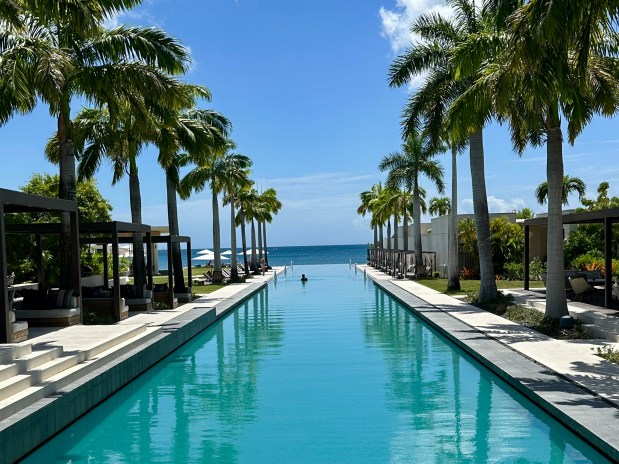
In the late 20th century, Muscat underwent a rapid modernization while still preserving its authentic identity – white-washed buildings, grand mosques, and bustling souqs sit alongside low-rise modern structures and international cultural centers. Cooler months November through April are an ideal time to visit. There are plenty of top-notch hotels: Mandarin Oriental, The Chedi, and St. Regis, where we enjoyed beach front accommodations and plenty of indoor and outdoor international dining choices. We spent a day with our extremely hospitable local Omani guide who gave us an insider view of this distinctive city with a significant expat population and a culture that is welcoming to visitors from countries and religions around the globe.

WHAT TO SEE:
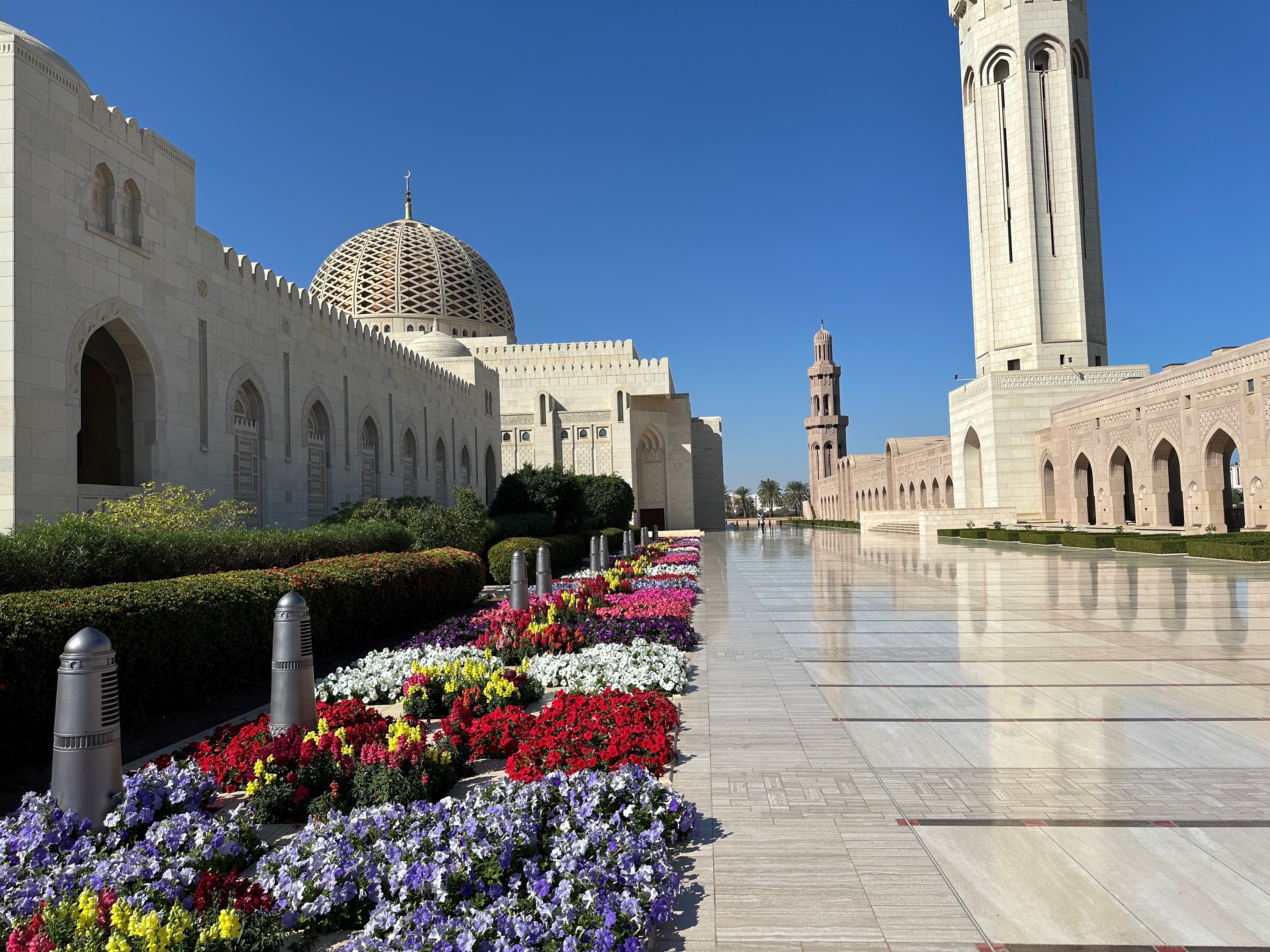
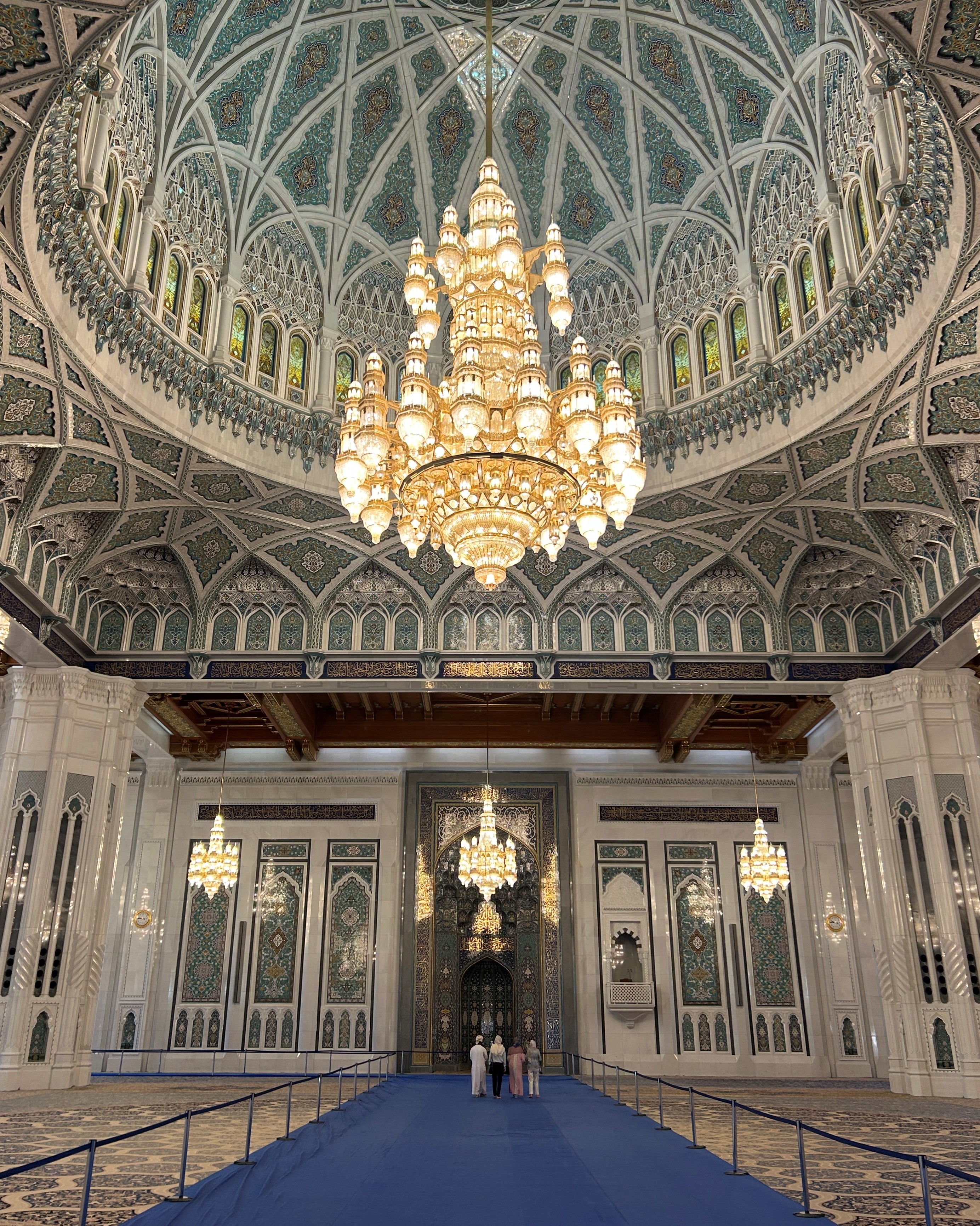
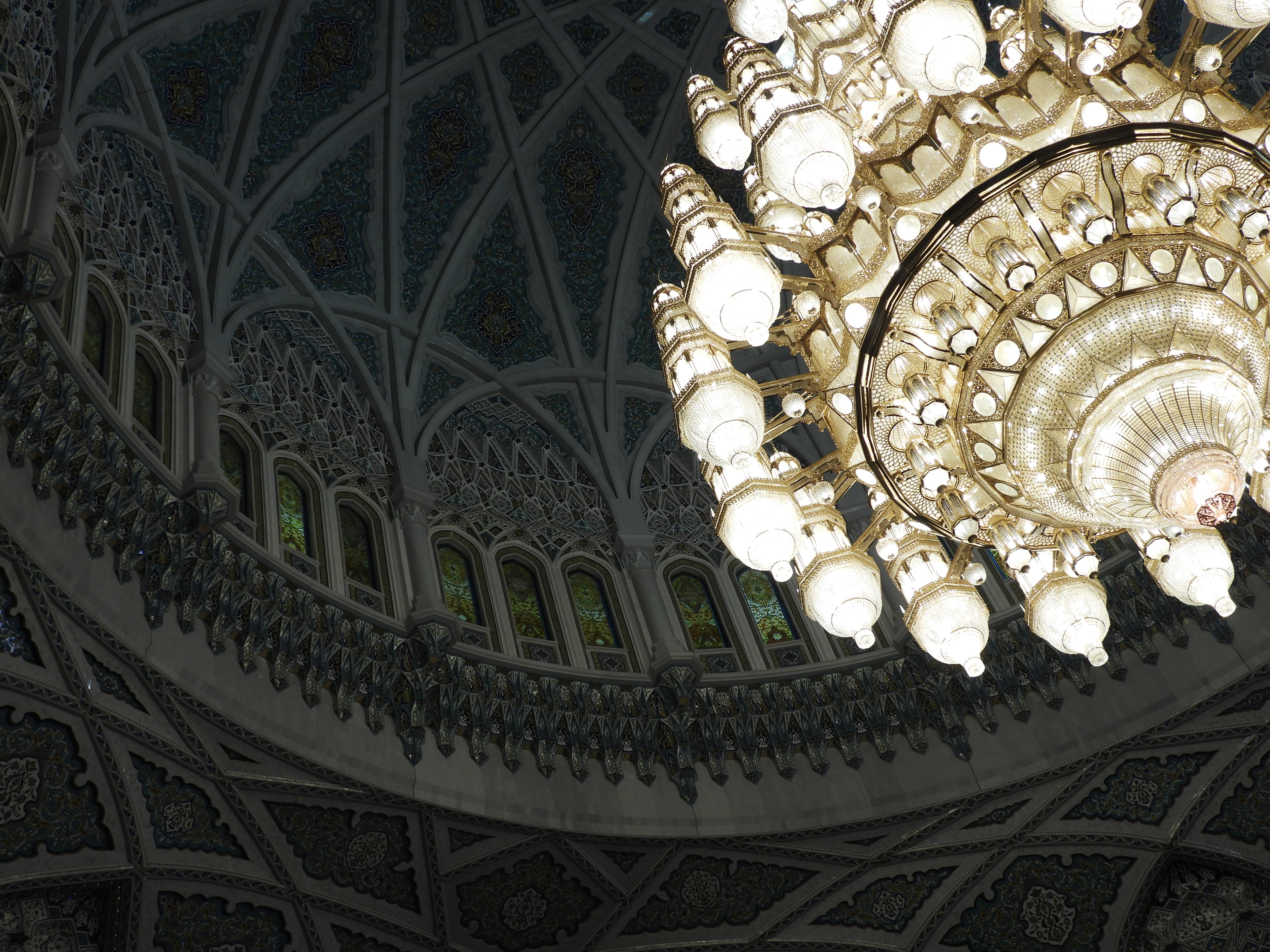
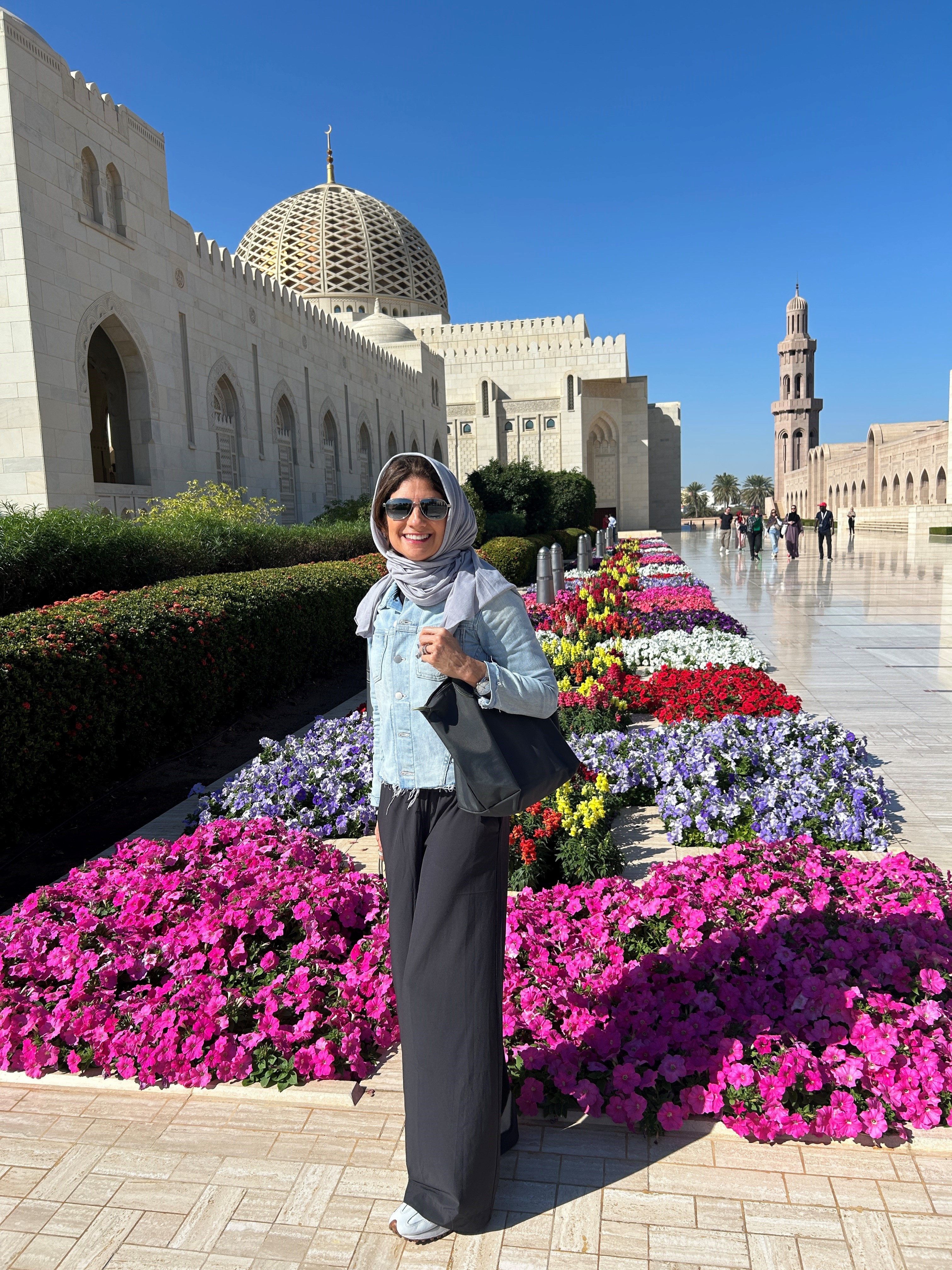
Sultan Qaboos Grand Mosque: A stunning architectural masterpiece, this iconic landmark showcases a harmonious blend of Islamic, Middle Eastern, and Omani design elements. The white and honey-tone Indian sandstone, luminous Carrera marble facade, 50-meter-high dome, and 90-meter minarets reflect the fusion of traditional design with modern craftsmanship. Inside is the world’s largest hand-woven Persian carpet and above you hangs an immense eight-ton, 600,000 crystal Swarovski chandelier. Get there early to enjoy a more crowd free experience. Appropriate dress code should be observed at this site.

Appropriate dress was required when visiting the Mosque

Royal Opera House: This premier venue was the first modern opera house built on the Arabian Peninsula. Traditional pink desert limestone facades and intricate carved mahogany screens blend with European design influences and modern theatre technology. Ringed by sprawling plazas and colorful formal gardens filled with clipped hedge mazes, tree lined promenades, and dense carpets of vibrant purple petunias, the exterior is as dramatic as the marble and gold-leaf inlayed interiors.

Outside the stately Opera House

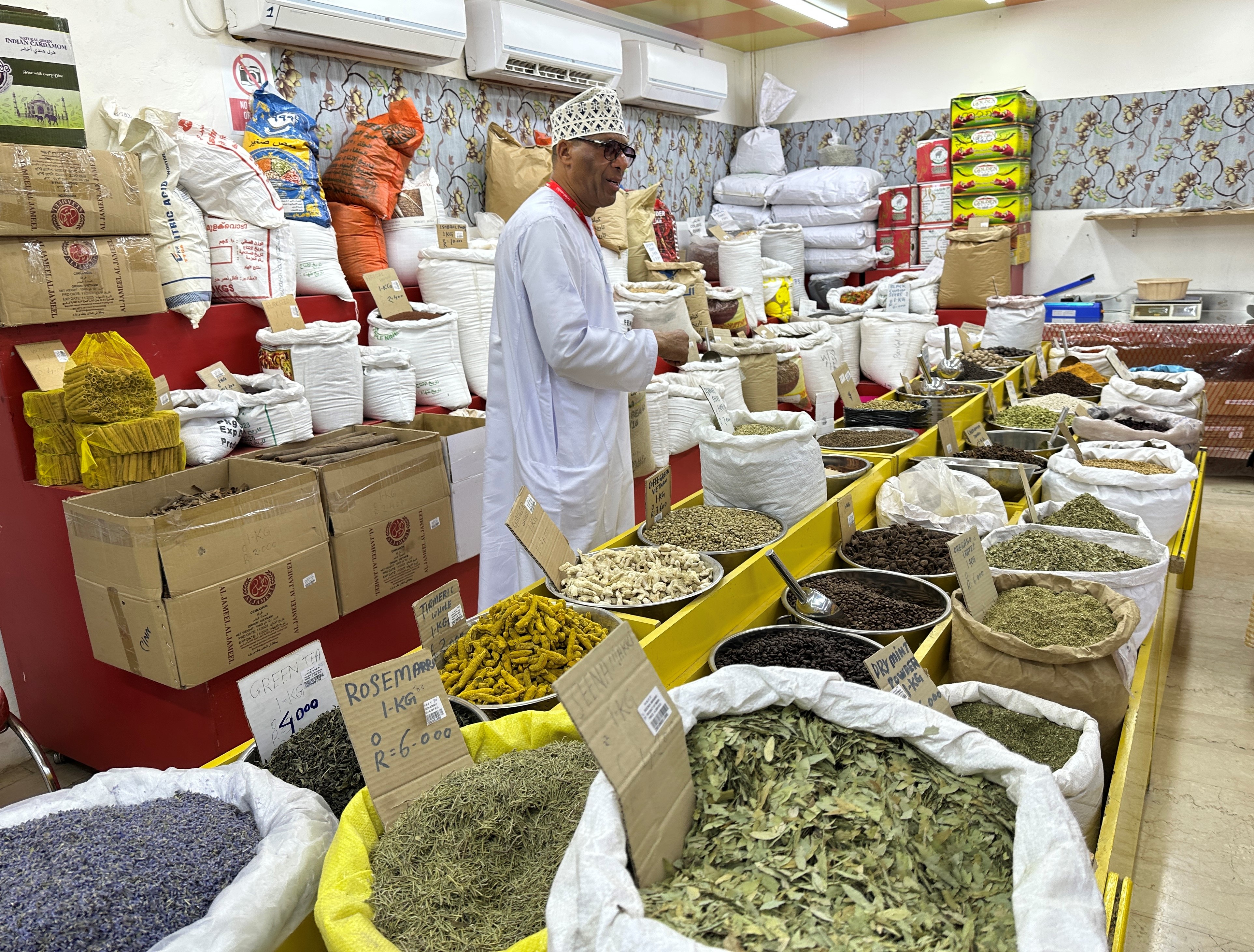
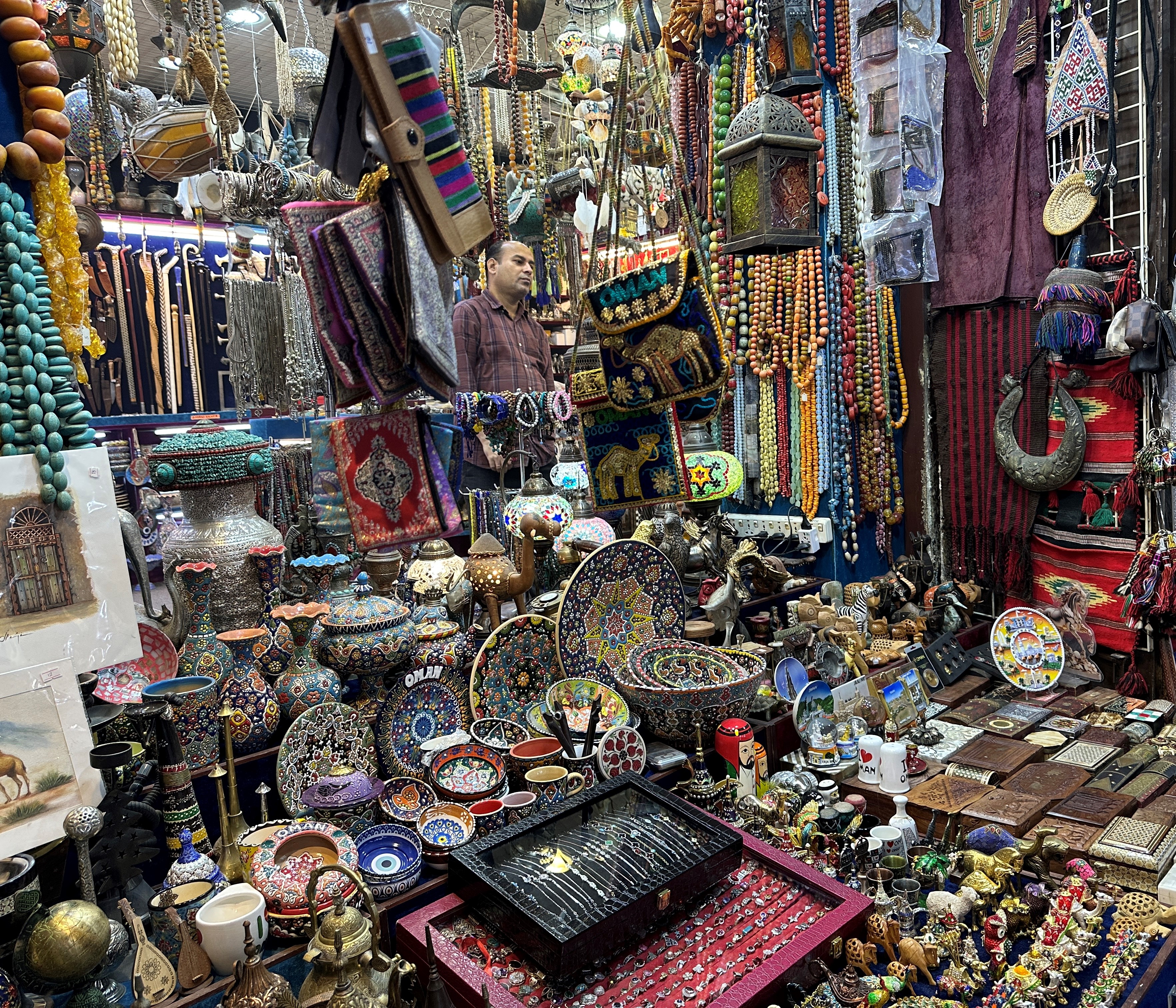
Mutrah Souq: Explore the narrow lanes of this traditional bazaar (one of the world’s oldest) filled with the scent of frankincense, the shimmer of gold jewelry, the glint of handcrafted silver, and textiles in every vivid hue. Everything from perfumes to pashminas can be found with modern shops and cafes rounding out the experience. Bargaining is welcomed!

Corniche Walk: A walk on this seaside four-mile waterfront promenade on the Gulf of Oman will lead you to the centuries old Portuguese Fort. Along the way explore palm tree shaded cafes, bustling seafood stalls, marble tiled pathways, and panoramic views of the luxury cruise ships and traditional masted dhows that dot the bustling port.

Mutrah Fish Market: Since my sons have been avid fisherman since they were small, a visit to a fish market is included on many of our travels. Nestled on the northern end of the Corniche, this market is a must-see for all things piscine. A hive of local activity, over 100 fish selling merchants come together alongside dozens of fruit and vegetable sellers in an adjacent building. Visit in the morning when the fishermen unload their bounty and vendors meticulously clean and proudly display their catch of the day: tuna, prawns, lobster, dorados, and king fish to name just a few.

Al Alam Palace: Nestled in the heart of Old Muscat, this ceremonial residence of the Sultan of Oman, is a dazzling example of contemporary Islamic architecture. Its bold gold and royal blue façade, flanked by elegant and tapered columns creates a regal impression. While the interior remains off limits to visitors, the grand ornamental gates and landscaped gardens are worth a visit to get a glimpse of Oman’s royal heritage.

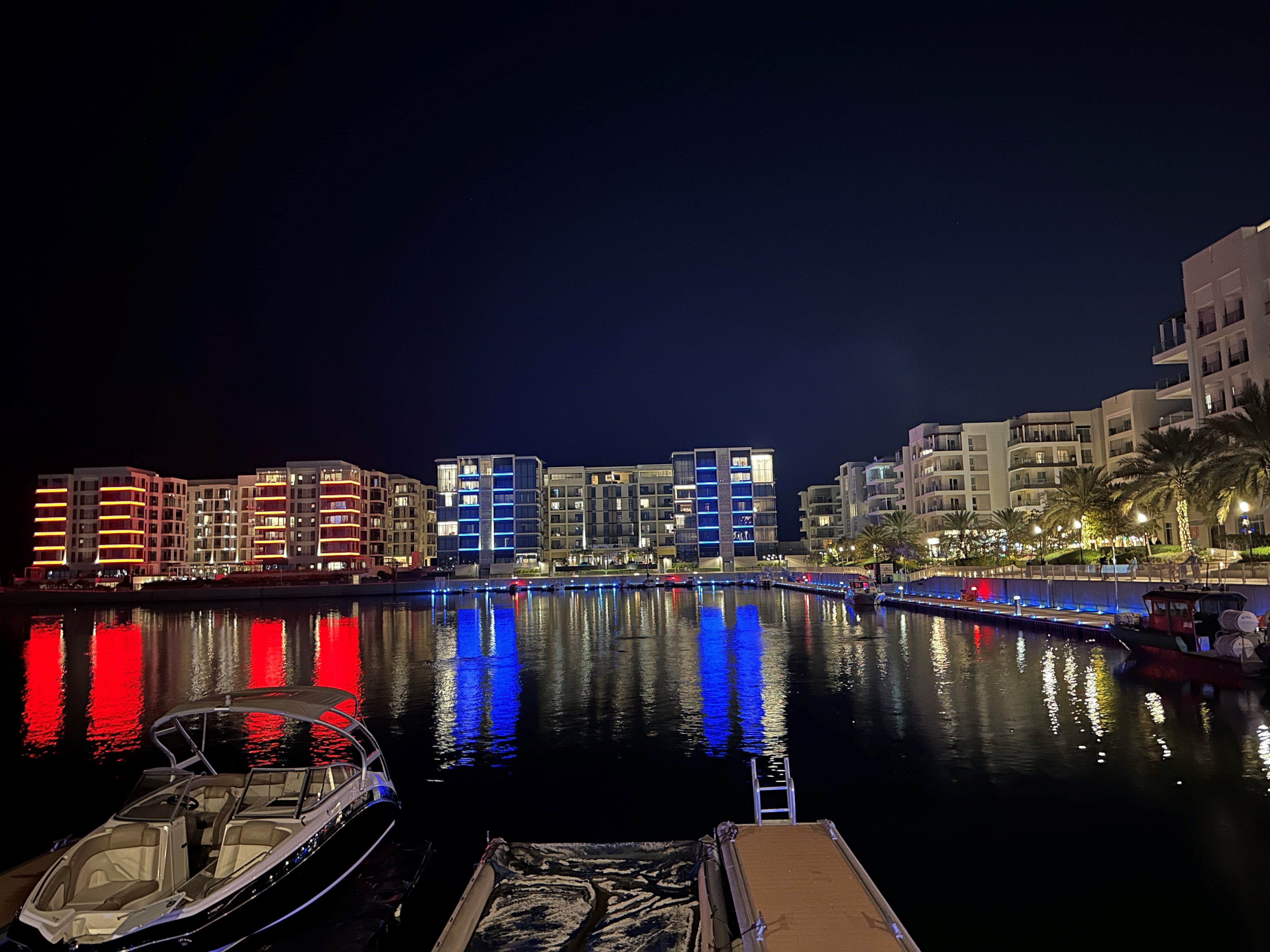
Al Mouj Muscat: Our hotel, the St. Regis Al Mouj was conveniently located adjacent to this vibrant waterfront destination. The Walk is a lively marina promenade lined with stylish cafes, bustling plazas, boutiques, and waterfront restaurants. The Marina is home to over 400 berths, and the launching point for water-themed adventures: dolphin watching cruises, snorkel trips, jet skiing, fishing and scuba charters.

Al Mouj Marina, Muscat

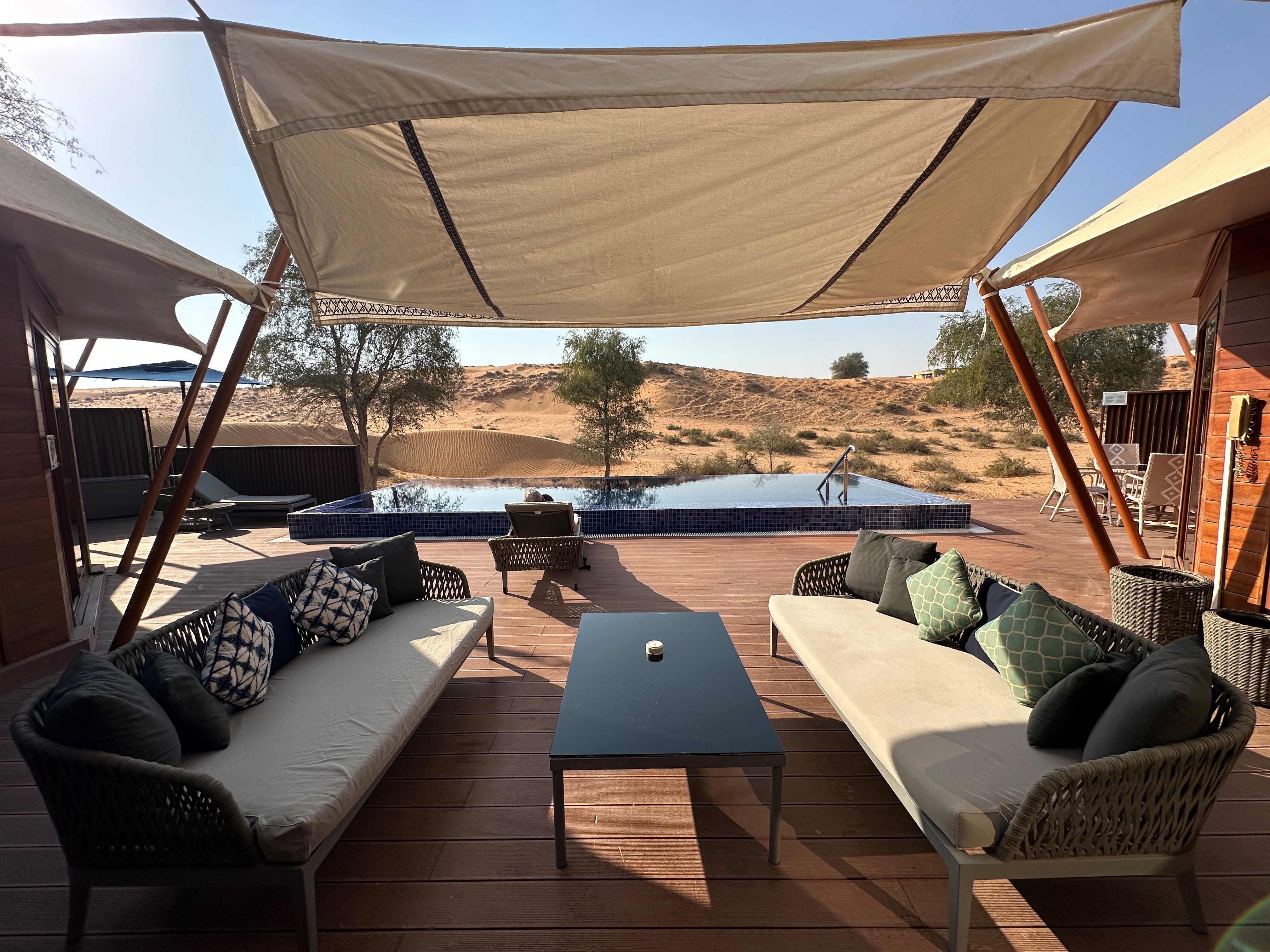
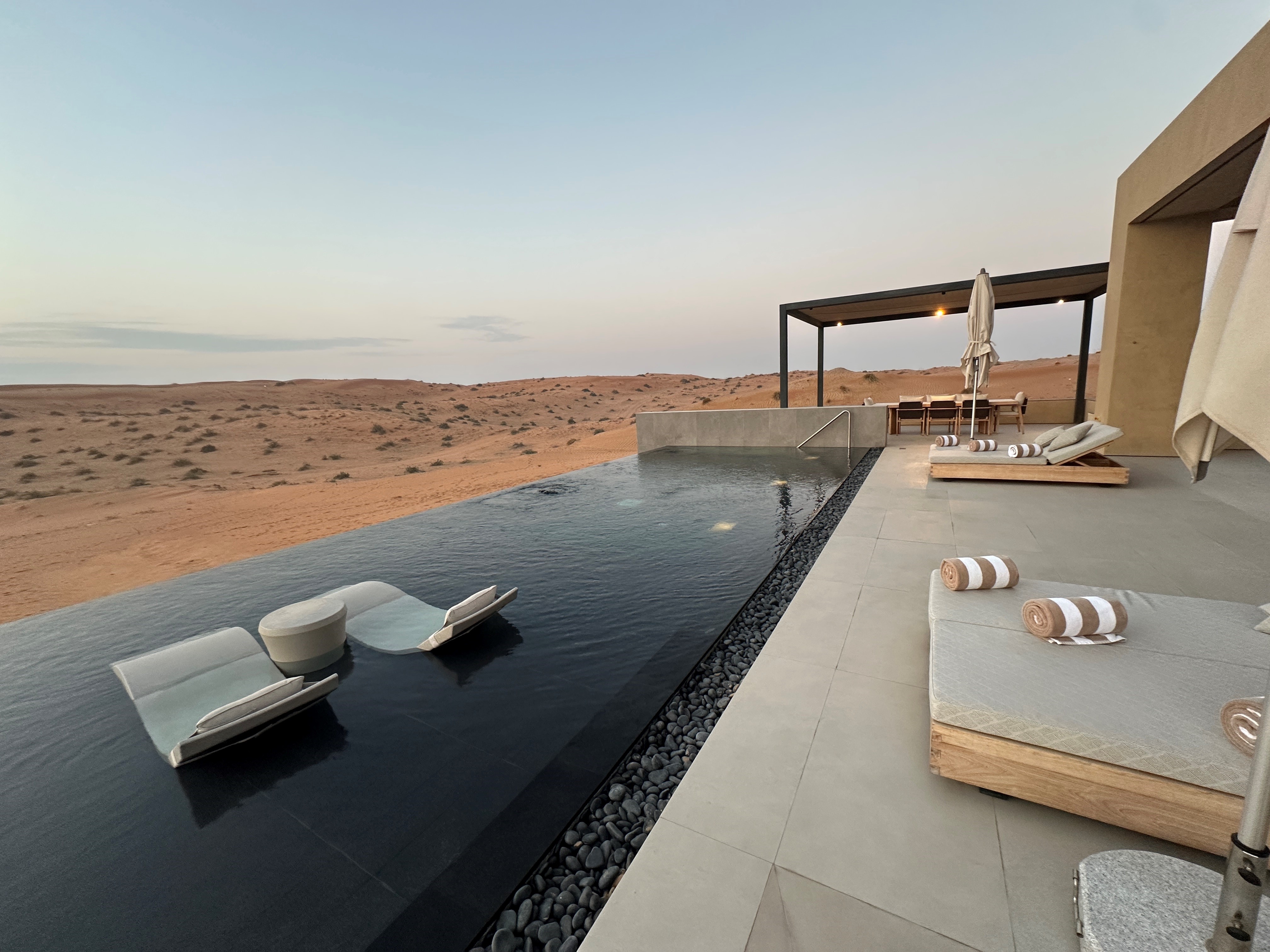
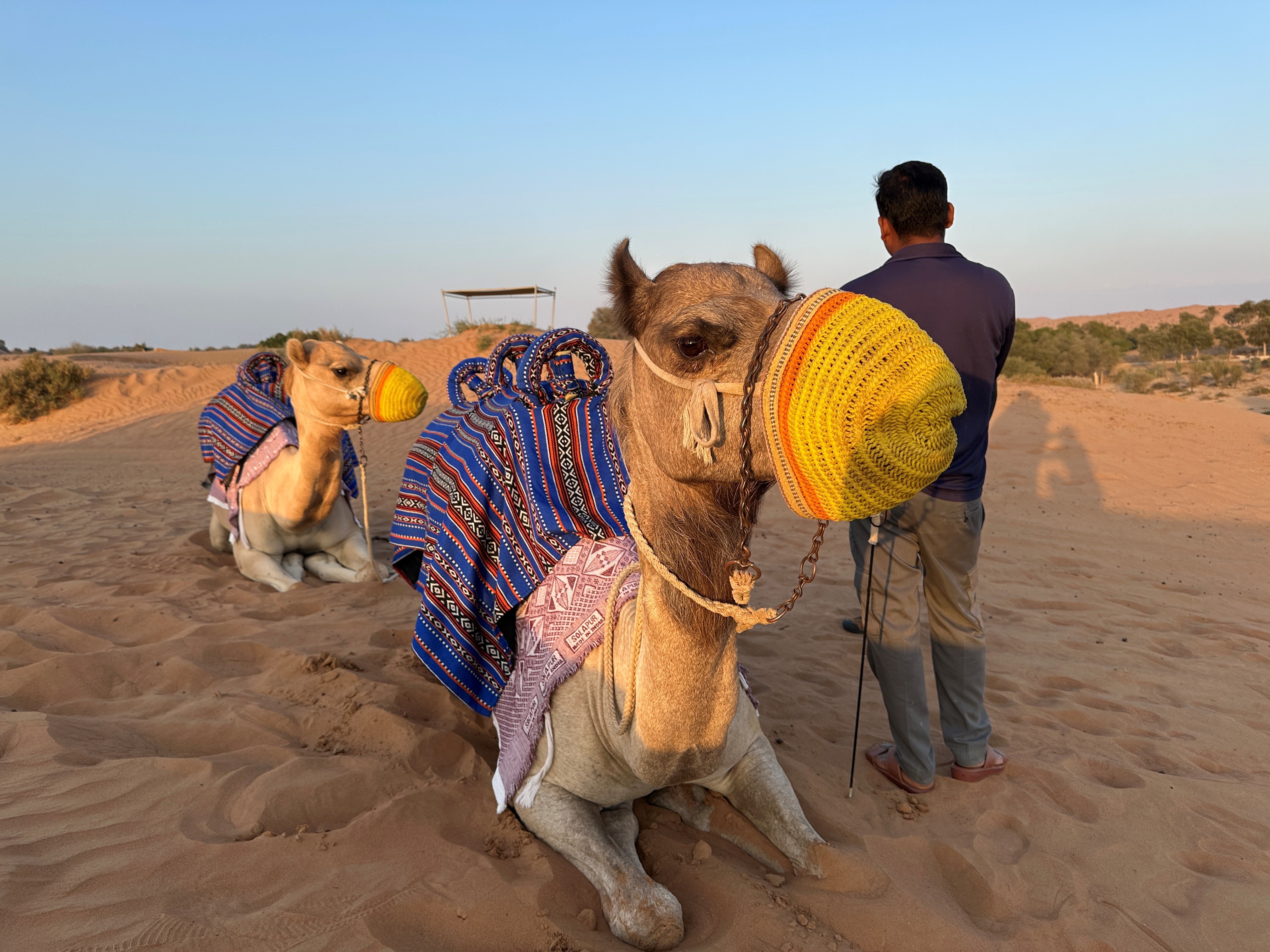
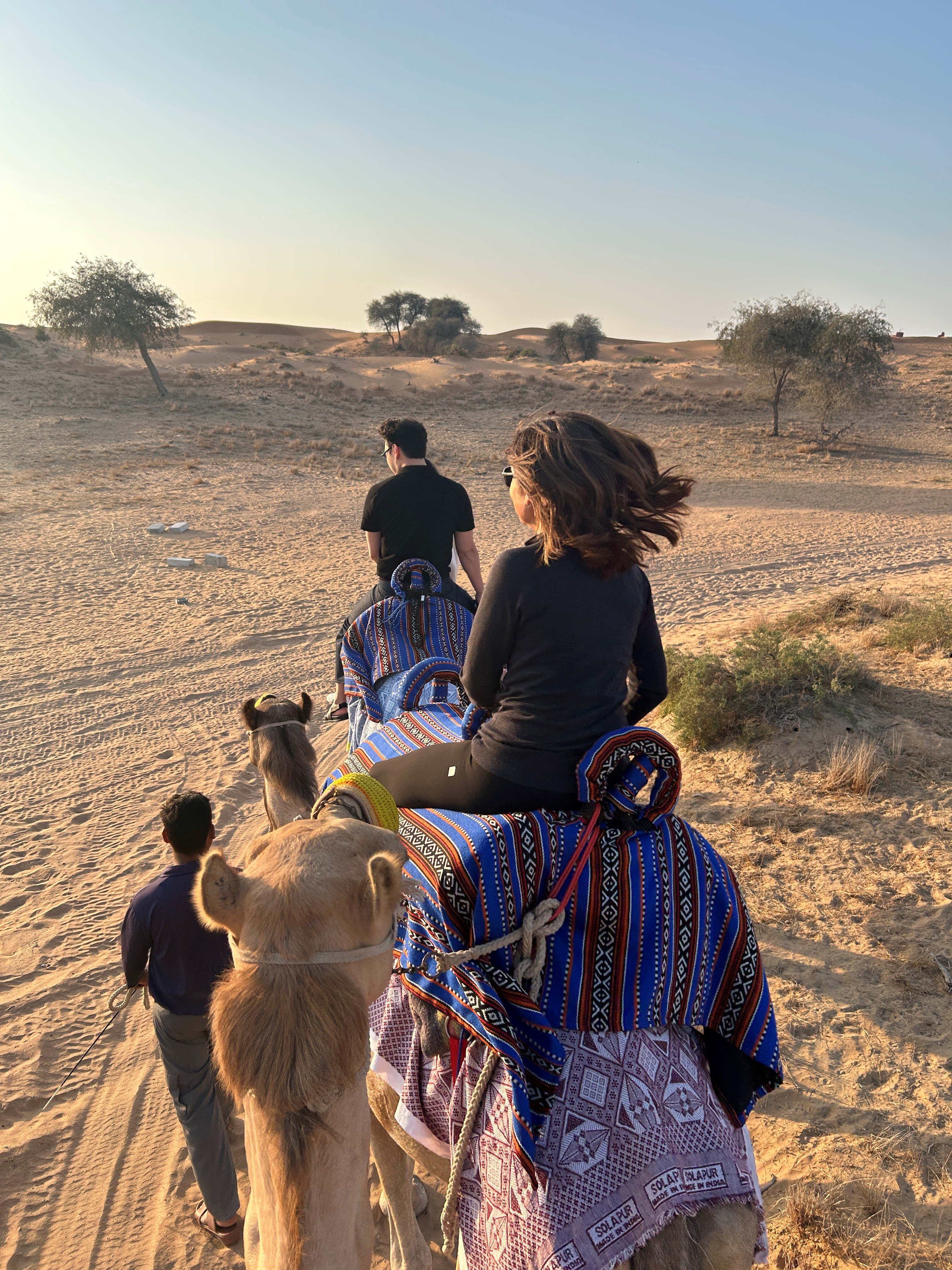
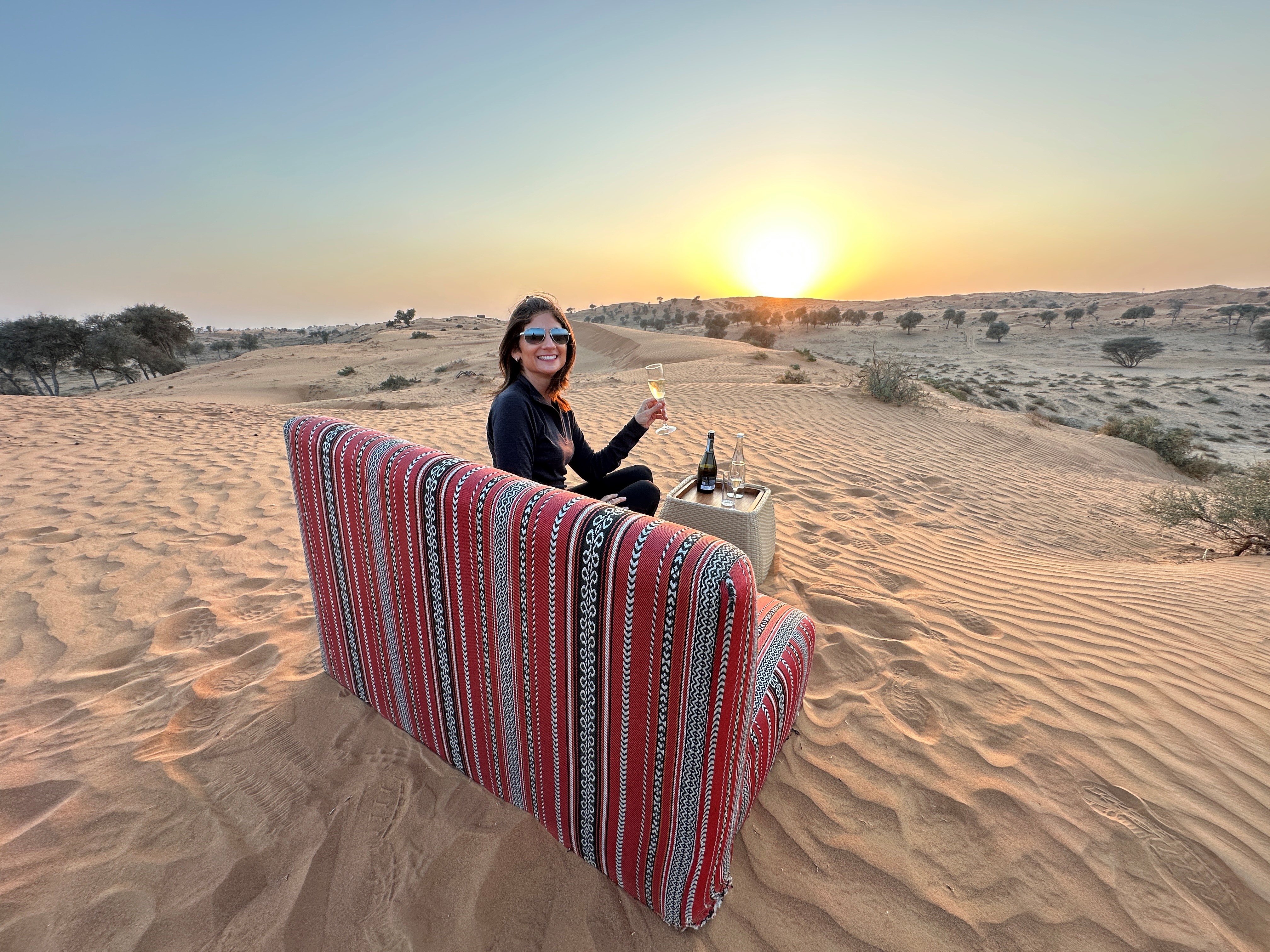
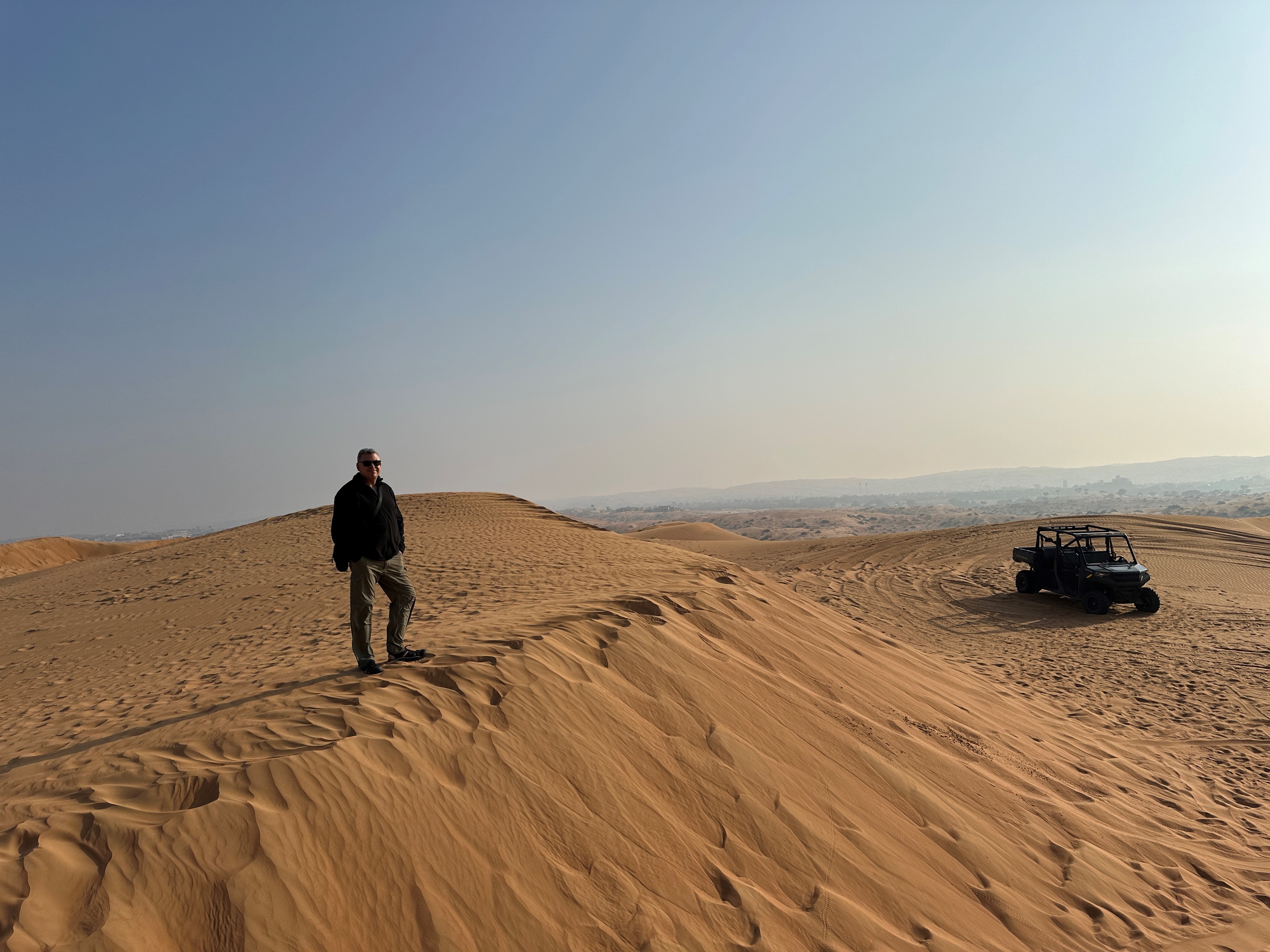
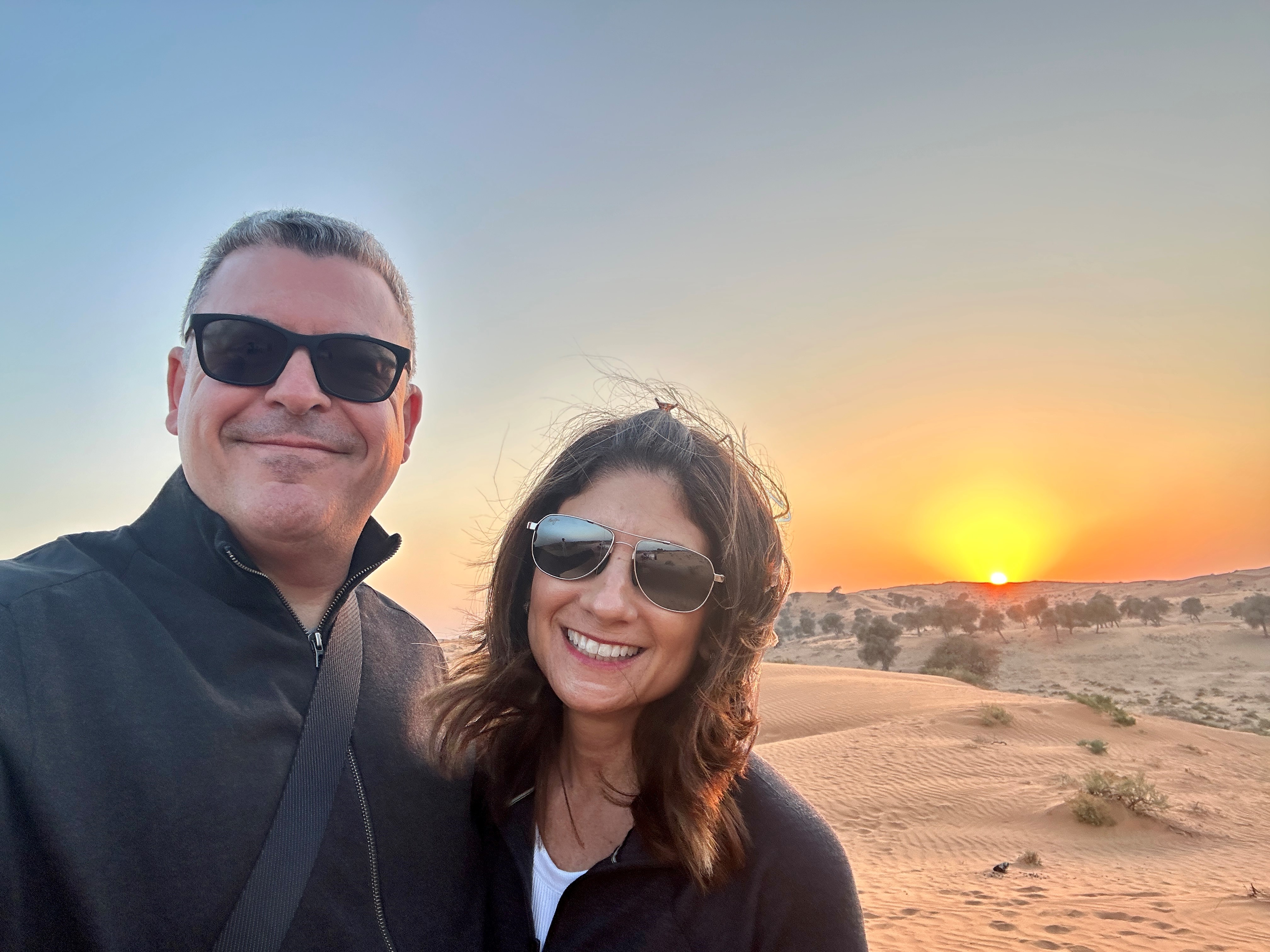
Day trip outside the city: Include a full-day excursion outside the city to the rugged Hajar Mountains and the sweeping sands of the Wahiba Desert for a taste of Oman’s natural beauty and traditional Bedouin hospitality. Book a 4×4 adventure through the winding mountain passes, explore picturesque villages, or Wadi Ghul, known as the “Grand Canyon of Arabia.” Head south to the golden dunes of the Sharqiya Sands and ride a camel, sandboard, or watch the sunset. Visit a hidden wadi and take a refreshing dip in an emerald pool ringed by date palms.

Click here to check out all my destination articles, Mollie Mandell, Travel Agent, Herricks Travel.

It’s never TOO early to plan your next adventure. Email me, mollie@herrickstravel.com to inquire about upgrades, complimentary breakfast, special amenities, and VIP service for all Herricks Travel customers. To receive my blogs to your inbox, please enter your email address in the subscriber box, and respond to the confirmation email.

Vietnam and Cambodia: Discover the Mekong River Journey

Vietnam and Cambodia: Discover the Mekong River Journey

You can easily spend several weeks traveling throughout Vietnam and Cambodia. There is so much to discover. For first time travelers to this corner of Southeast Asia, I highly recommend a Mekong River cruise –it combines luxury accommodations, cultural immersion, and seamless travel.

Click here, to read all of my recent travel articles online on my travel blog. Mollie Mandell, Travel Agent with Herricks Travel

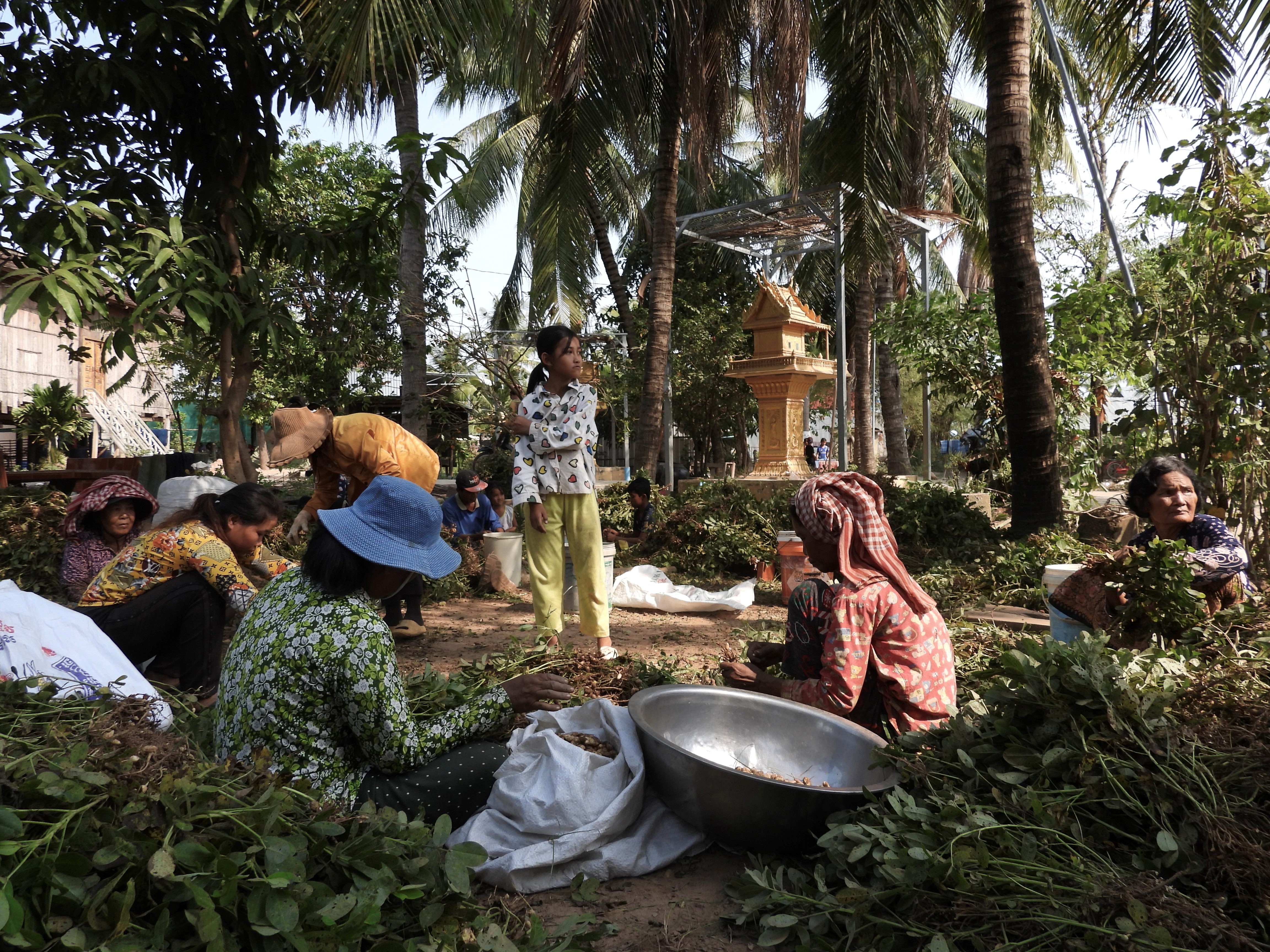
The Mekong River, one of Southeast Asia’s most vital waterways, flows through Vietnam and Cambodia and shapes the culture, economy, and daily life of millions. Originating in Tibet, the river travels over 2,700 miles before reaching the South China Sea. In Cambodia it passes through capital city, Phnom Penh, and winds through Vietnam, creating a vast network of tributaries, rice paddies, and floating villages which serve as the “Rice Bowl” of Vietnam. This region, known for its vibrant markets, lush landscapes, and biodiversity, provides a glimpse of traditional river life. All along the Mekong you will experience bustling modern cities, colorful temples, and authentic rural villages – it is a lifeline for trade and cultural exchange between the two countries.

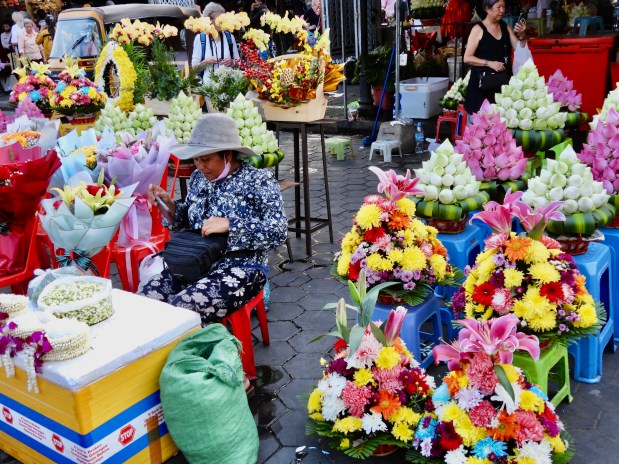
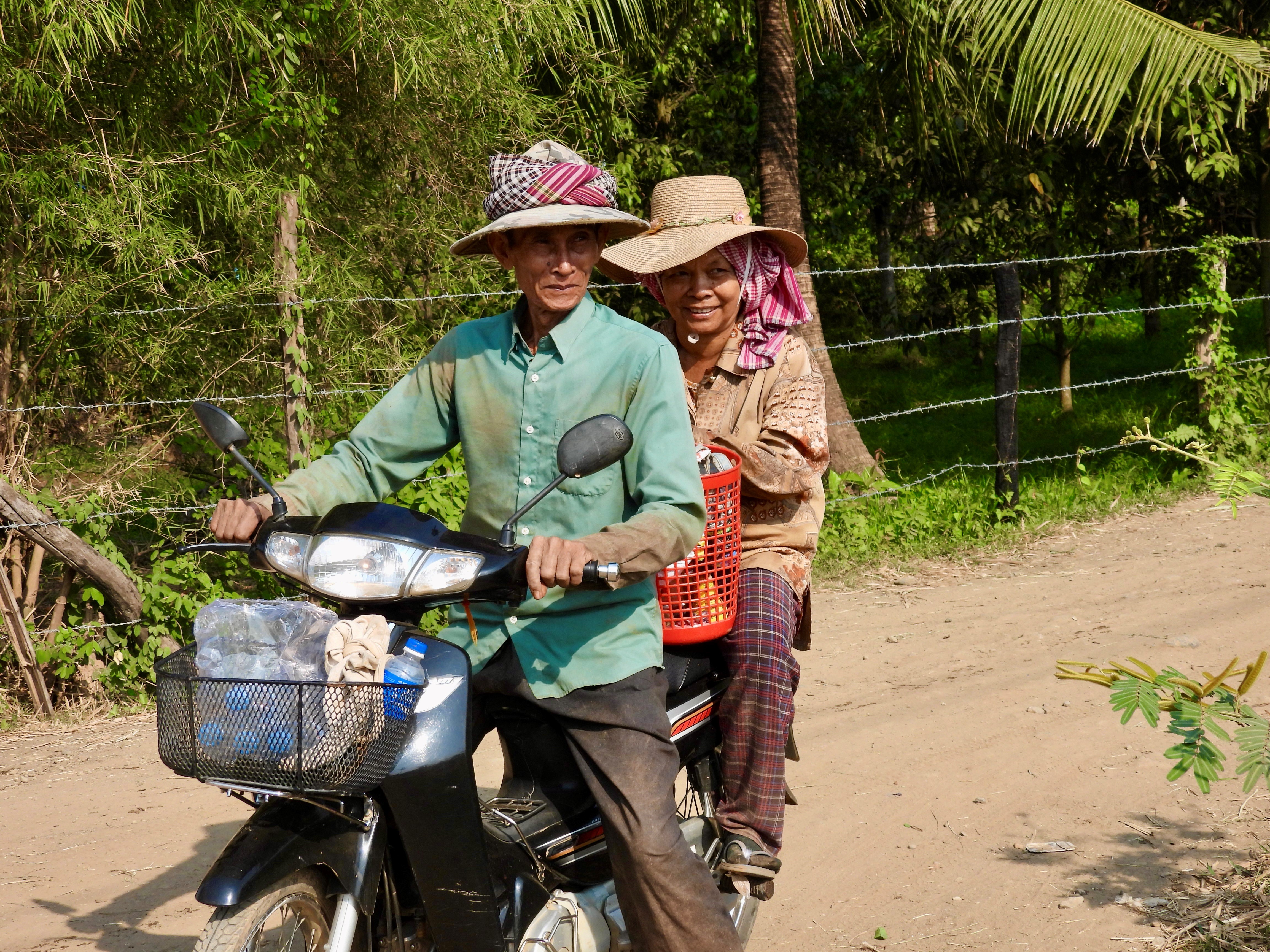
A small ship river cruise allows you to journey through these fascinating countries without the hassle of unpacking and packing. Breathtaking views of lush landscapes and floating markets, the scent of jasmine blossoms filling the air of a Buddhist Monastery, the rich taste of locally made pho, and the laughter of curious children greeting you in traditional villages are experiences easily encountered on a river boat cruise. Each day brings new adventures in places untouched by mass tourism allowing you to engage with local artisans and learn centuries-old traditions.

Our recent itinerary with AmaWaterways included intimate and immersive experiences, providing us with opportunities to connect with local people, and create meaningful vacation memories.

A brief summary of the stops on a Mekong River itinerary:

Ho Chi Minh City: After a pre trip to Singapore, we flew into Ho Chi Minh City, Vietnam, formerly known as Saigon, and home to the infamous Chu Chi Tunnels. We enjoyed a three day pre-cruise hotel stay prior to our transfer to port city, My Tho, about an hour from the downtown area.


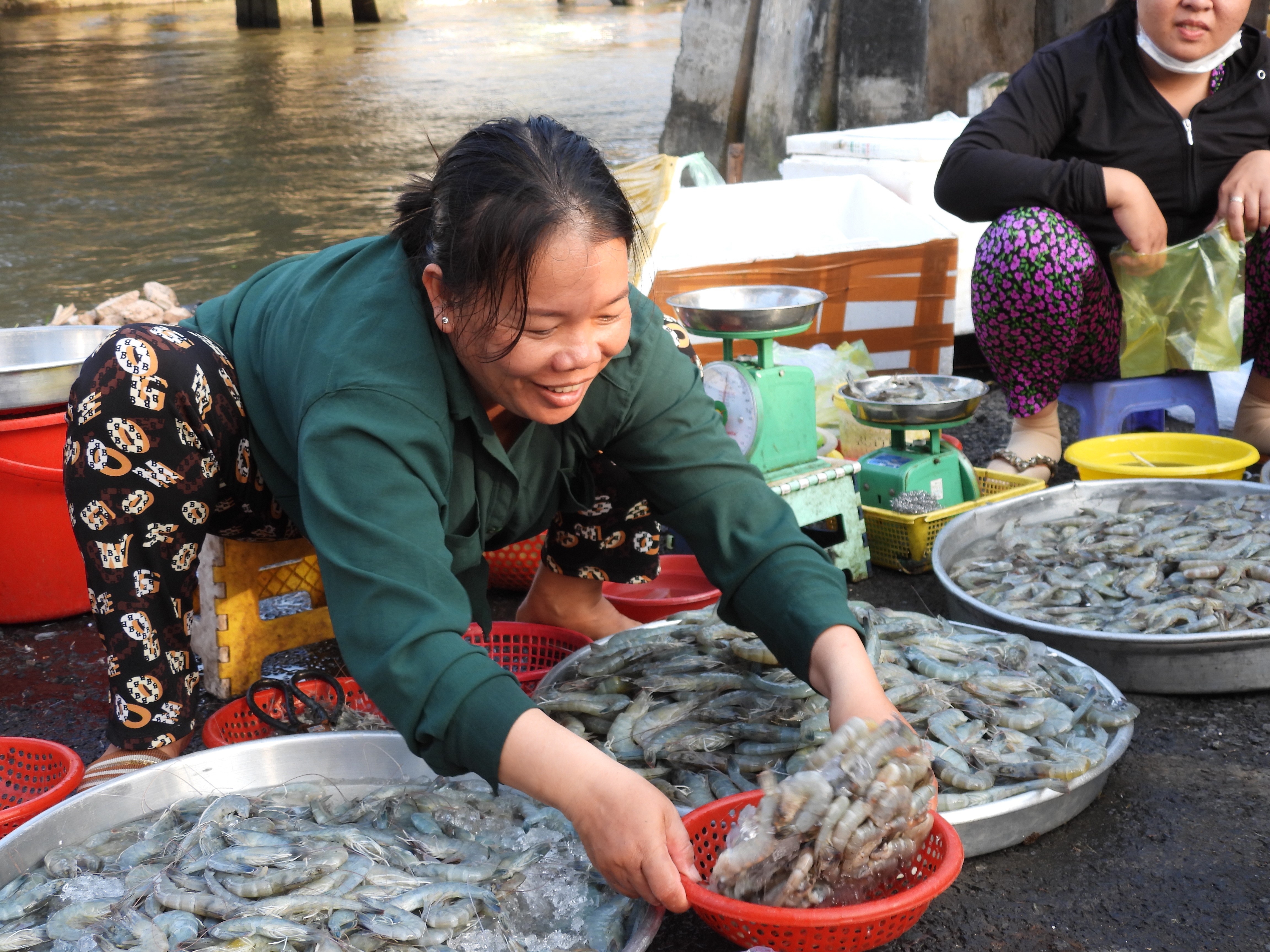
Cai Be: our first port, this town presented a colorful array of fruit sellers, river fishermen, and vibrant riverside commerce. Our excursion included a visit to local workshops to witness their handiwork first hand.

Sa Dec: the highlight of this picturesque town is a visit to their beyond bustling market.

Tan Chau: known for its exceptional silk production in centuries-old workshops.

Smiling faces will welcome you to idyllic Evergreen Island, a hidden-away rural community.

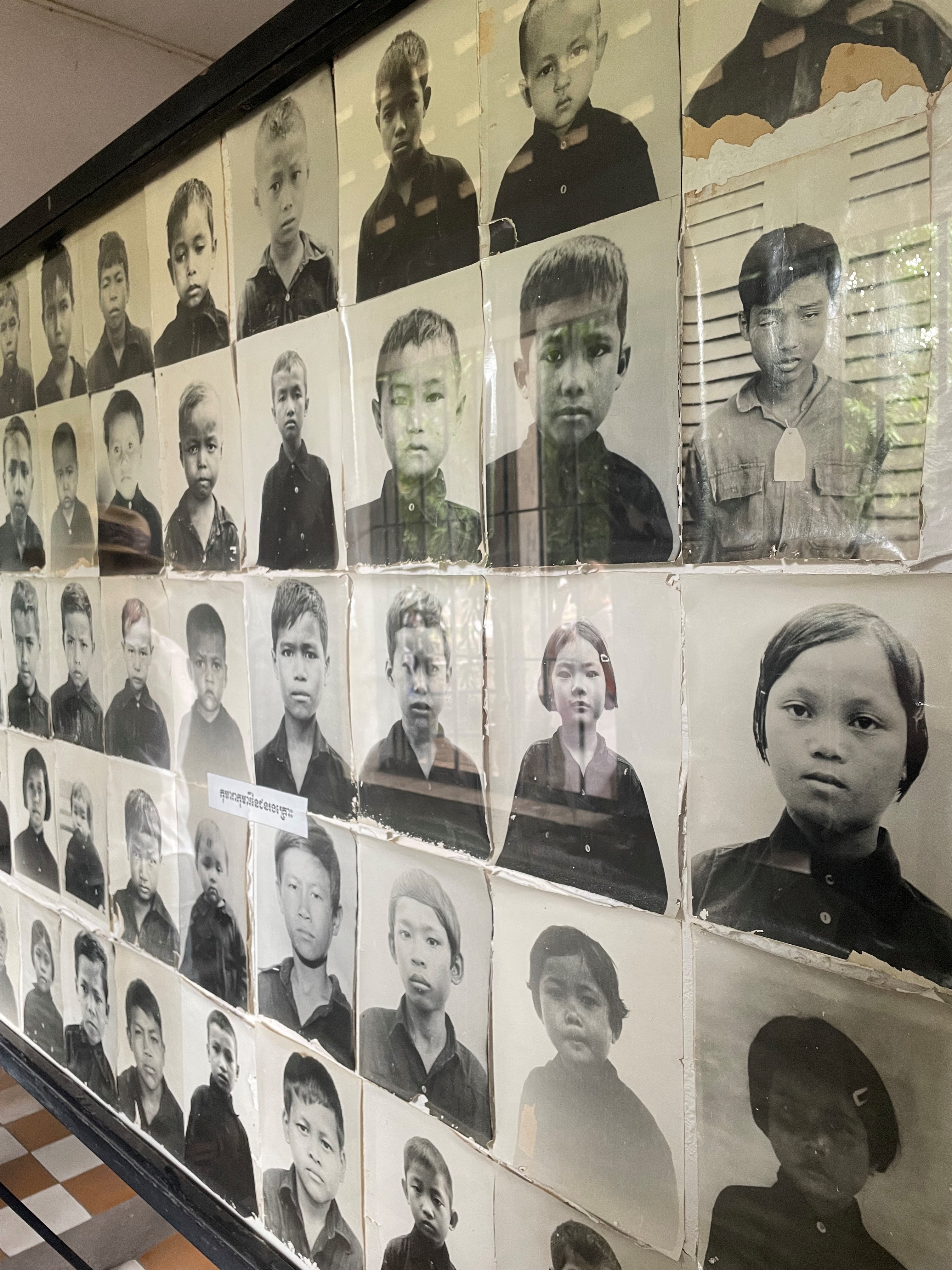
Phnom Penh: Capital city of Cambodia, a modern and lively city and home to the Oudon Buddhis Monastery and Royal Palace. Sadly, also the site of the Tuol Sleng Prison and the Killing Fields.

The Tuol Sleng Prison and the Killing Fields: where two to three million people were killed by the Communist Party of Kampuchea during the Khmer Rouge rule from 1975 to 1979.
This gentleman, a survivor of the grim S21 Detention Center and the Khmer Rouge, told his personal story and signed copies of his autobiography.
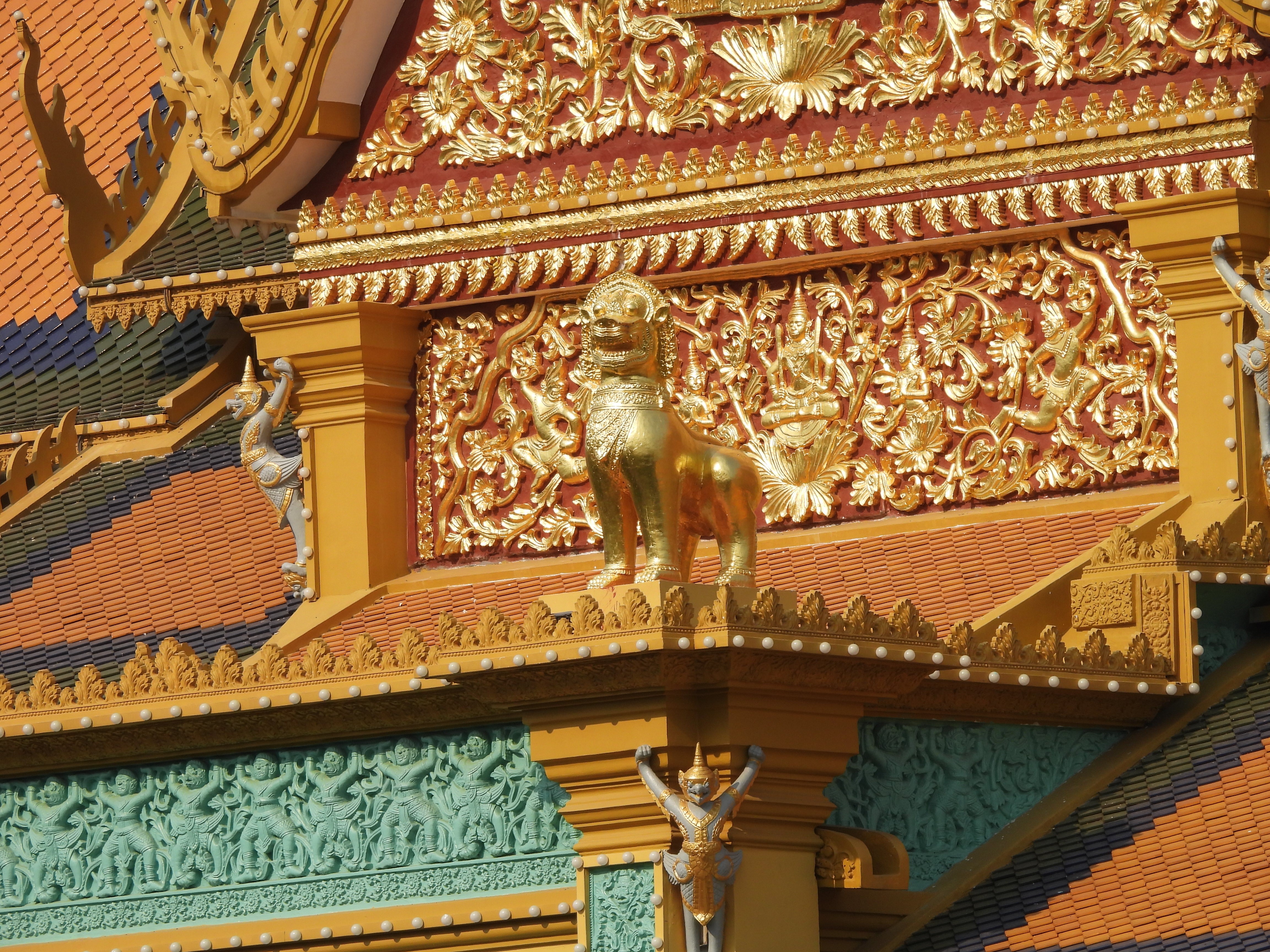
Silver Pagoda, Phnom Penh
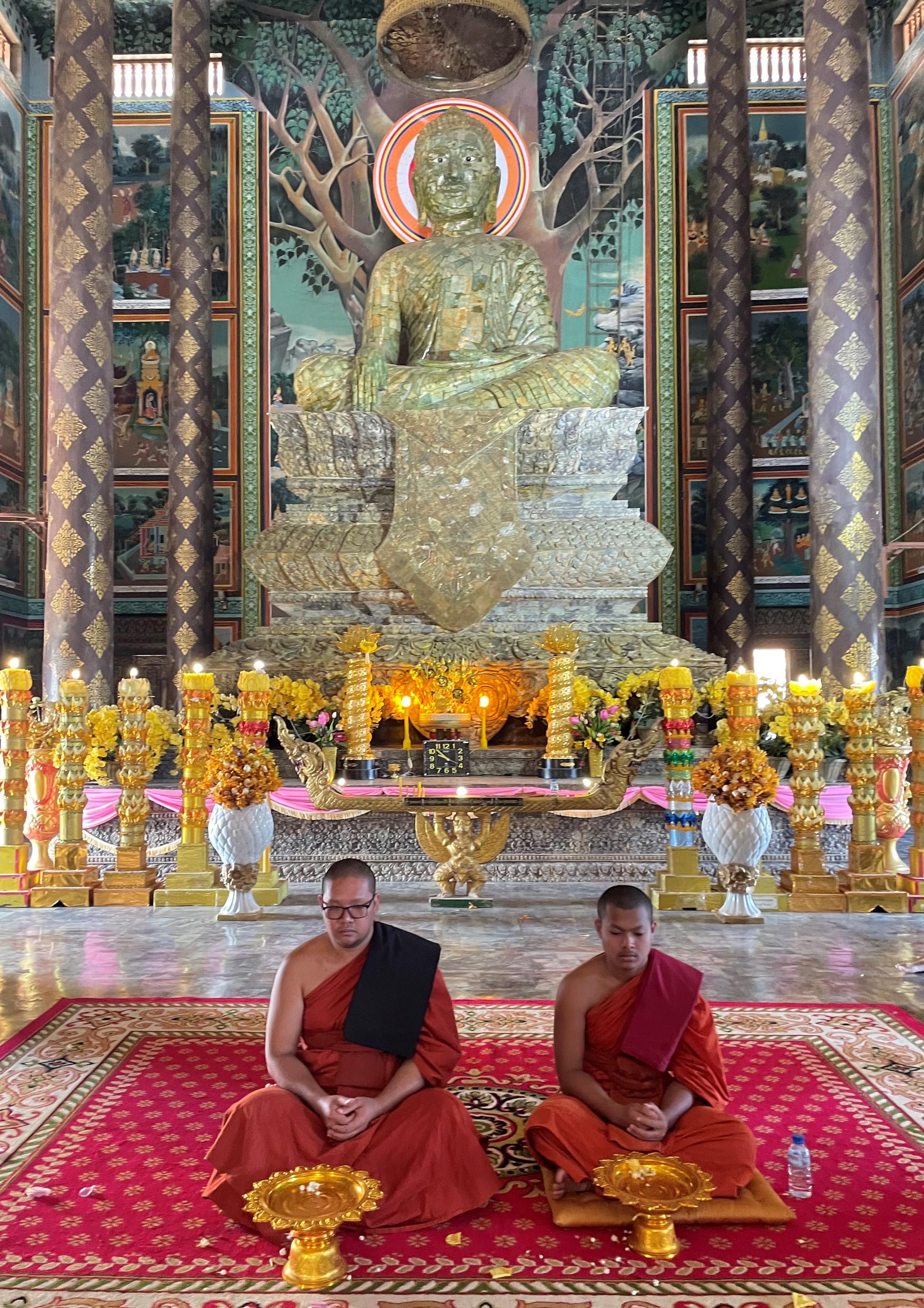
At the Oudong Monastery, we were treated to a a memorable Buddhist Blessing Ceremony.
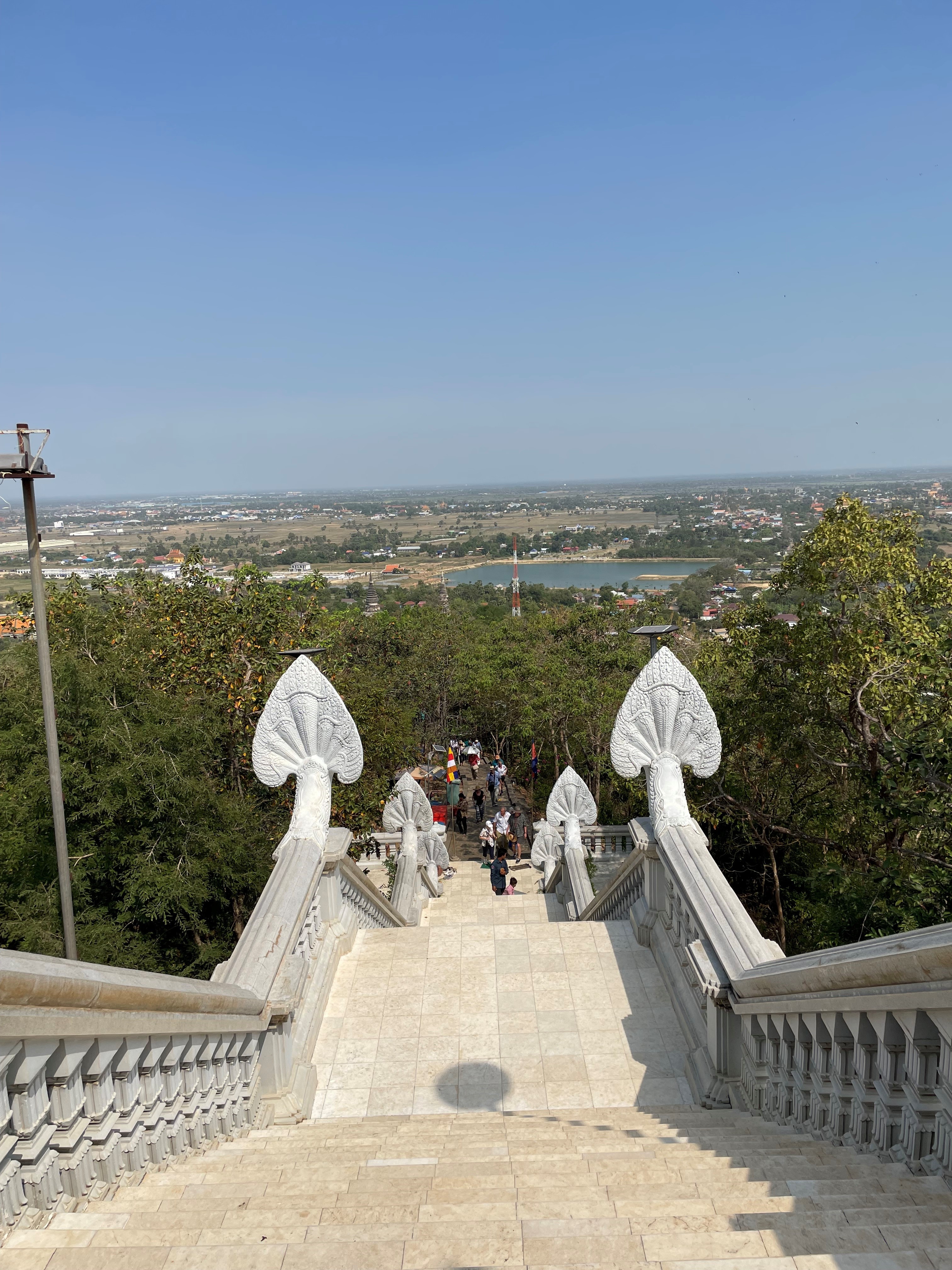
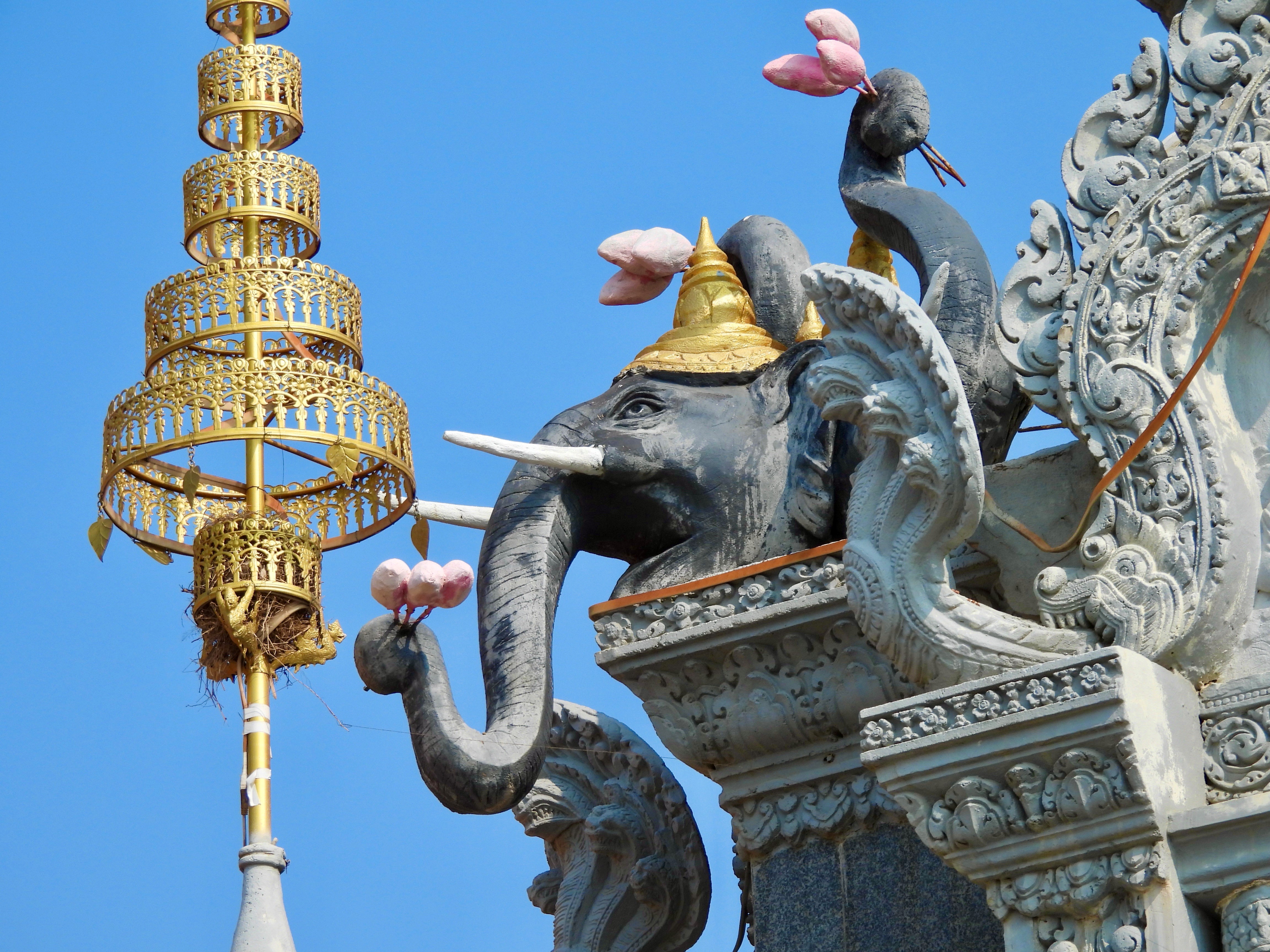
509 steps will take you to the top of Oudong Mountain to see the Preah Sakyamoni Chedi, which is said to house relics from the Buddha himself.


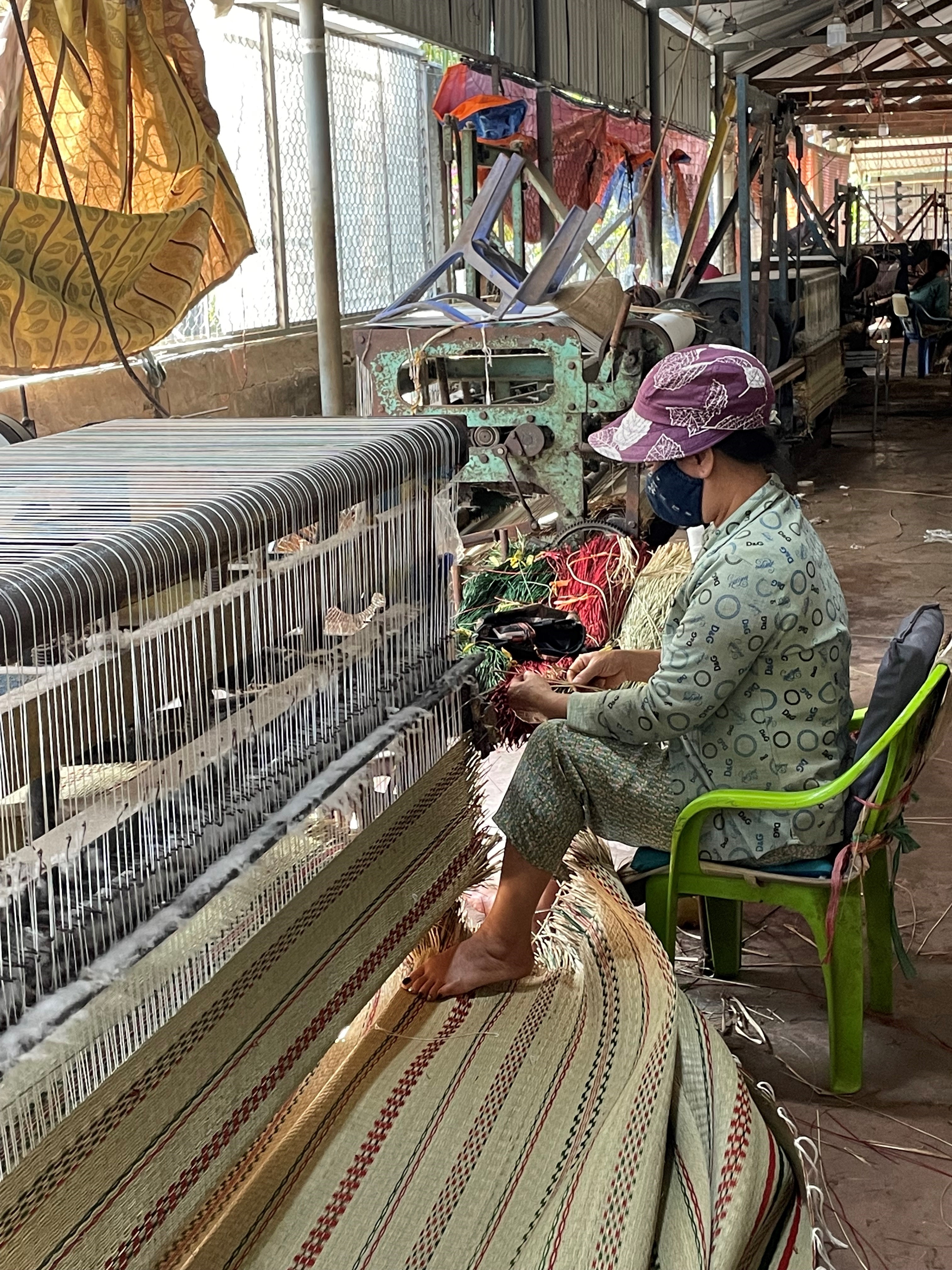
Oknhatey Village: a beautiful island well known for its Silk Weaving.
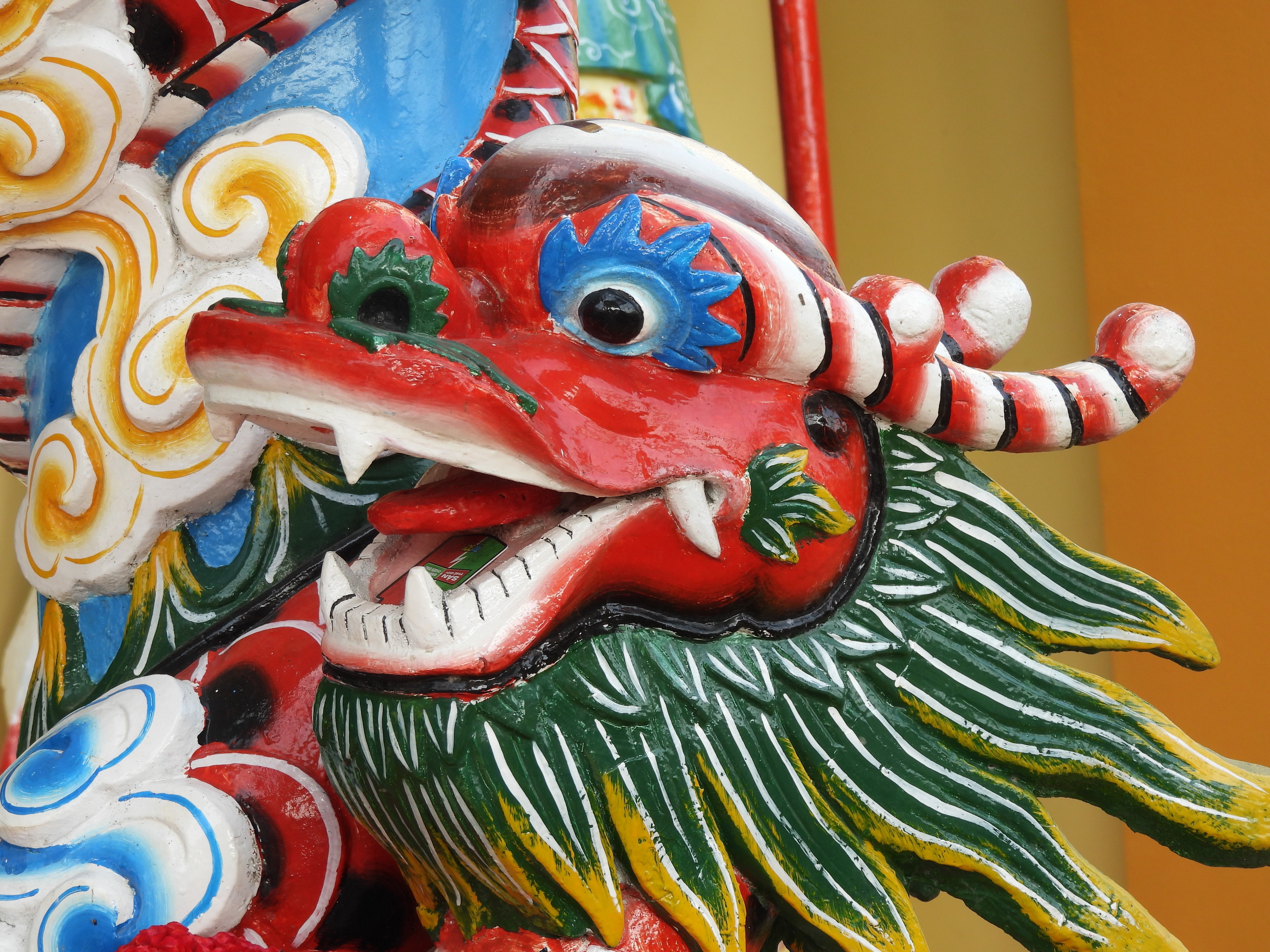

Angkor Ban: Angkor Ban a village of colorful wooden homes.


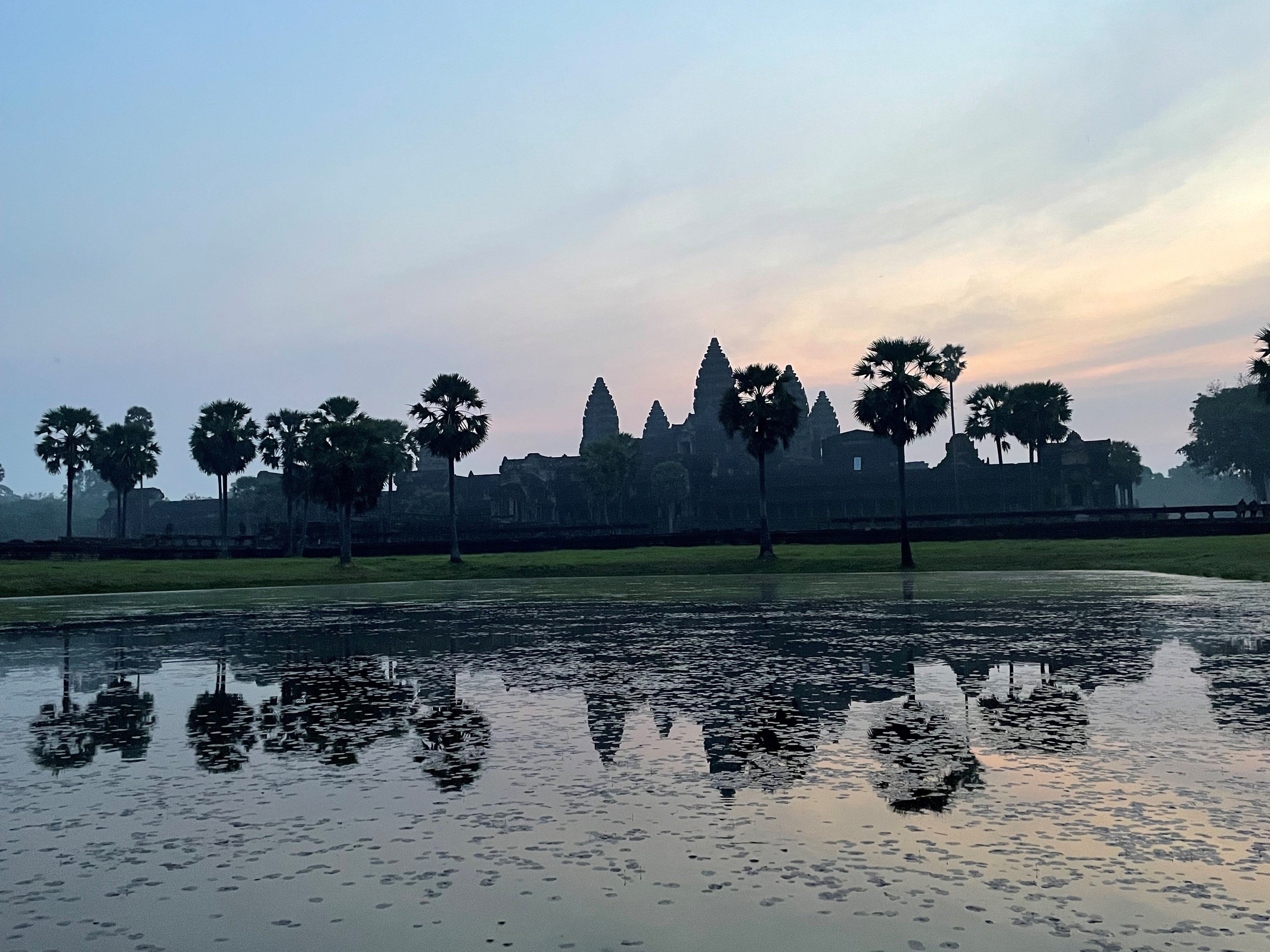
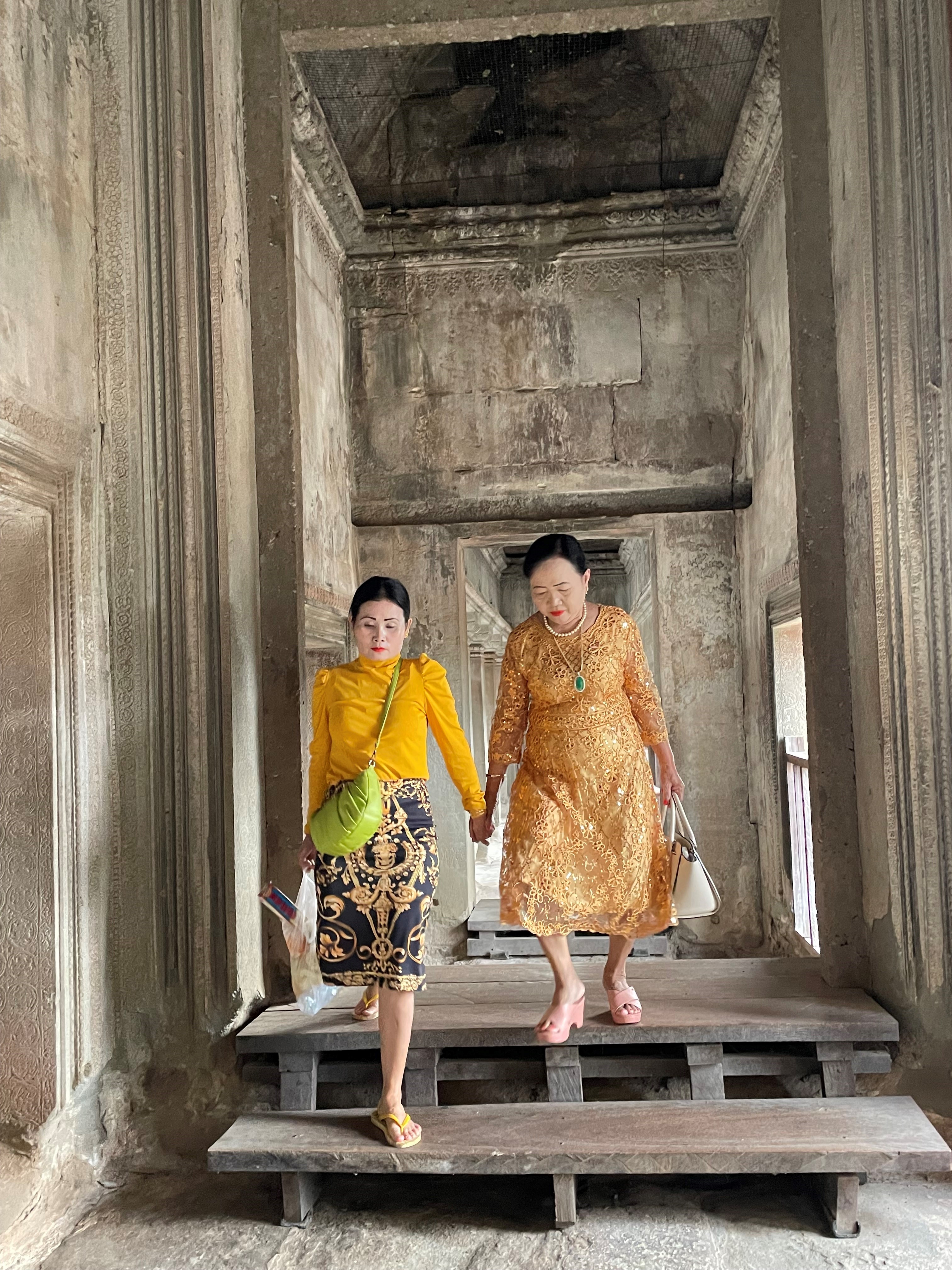
Siem Reap: Sunrise excursion to Angkor Wat Archaeological Park and UNESCO World Heritage site.

It’s never TOO early to plan your next adventure. Email me, mollie@herrickstravel.com to inquire about upgrades, complimentary breakfast, special amenities, and VIP service for all Herricks Travel customers. To receive my blogs to your inbox, please enter your email address in the subscriber box, and respond to the confirmation email.

Click here, to see all of my recent travel articles.

Namibia’s Etosha National Park

Namibia’s Etosha National Park

Namibia takes its name from the world’s oldest and most impressive deserts — The Namib. Along with the famous Skeleton Coast, (check out my previous article here), Etosha National Park must be included on your Namibia safari itinerary. This southwestern African nation is bordered by South Africa, Zambia, and Botswana. A wildlife haven nestled in the heart of Namibia, the expansive park, covering over 22,000 square kilometers, is a paradise for nature enthusiasts and safari lovers. The park is not only a wildlife hotspot but also a place that reflects Namibia’s rich cultural tapestry — the local communities surrounding Etosha, including the Ovambo, Himba, and Herero people, contribute to the park’s cultural diversity.

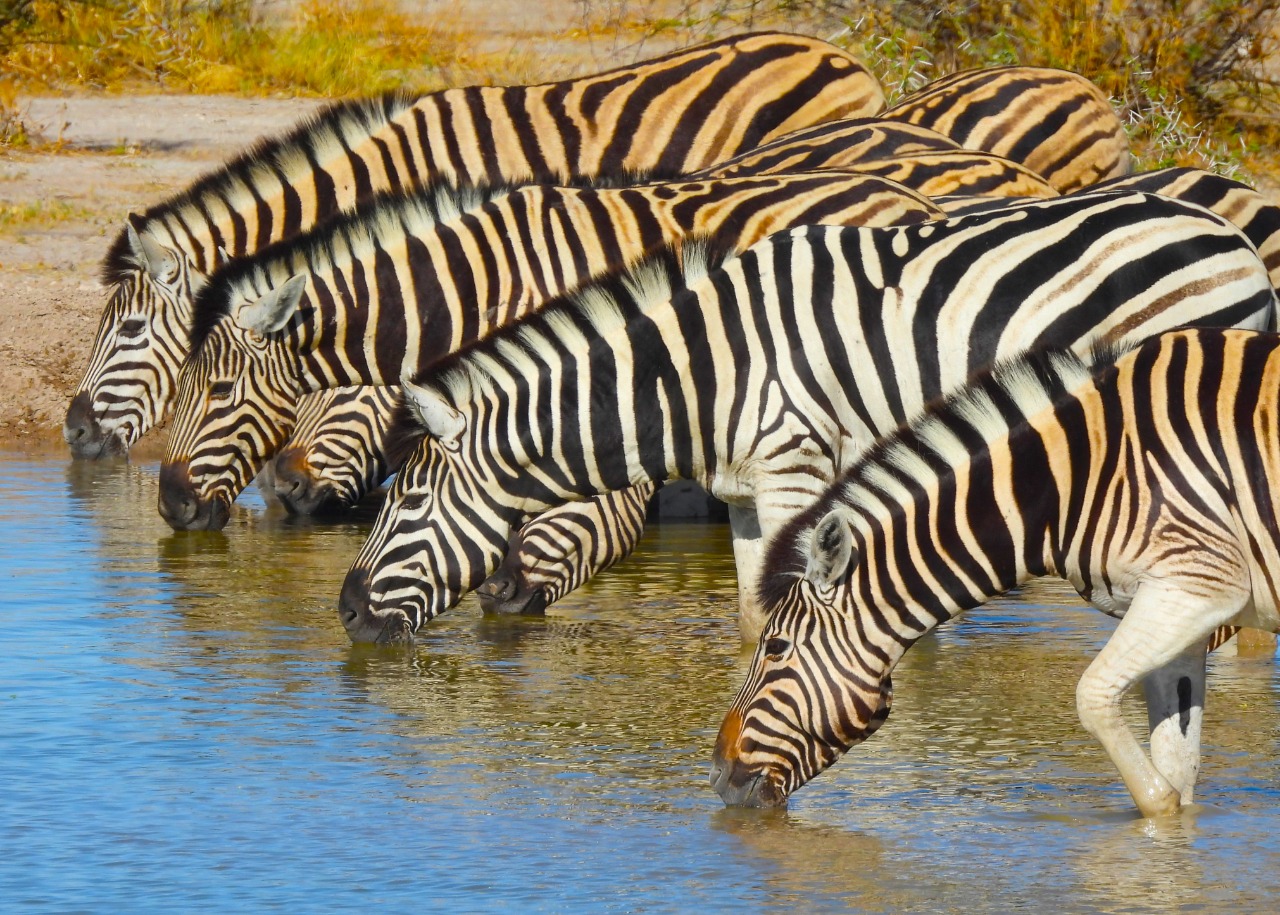
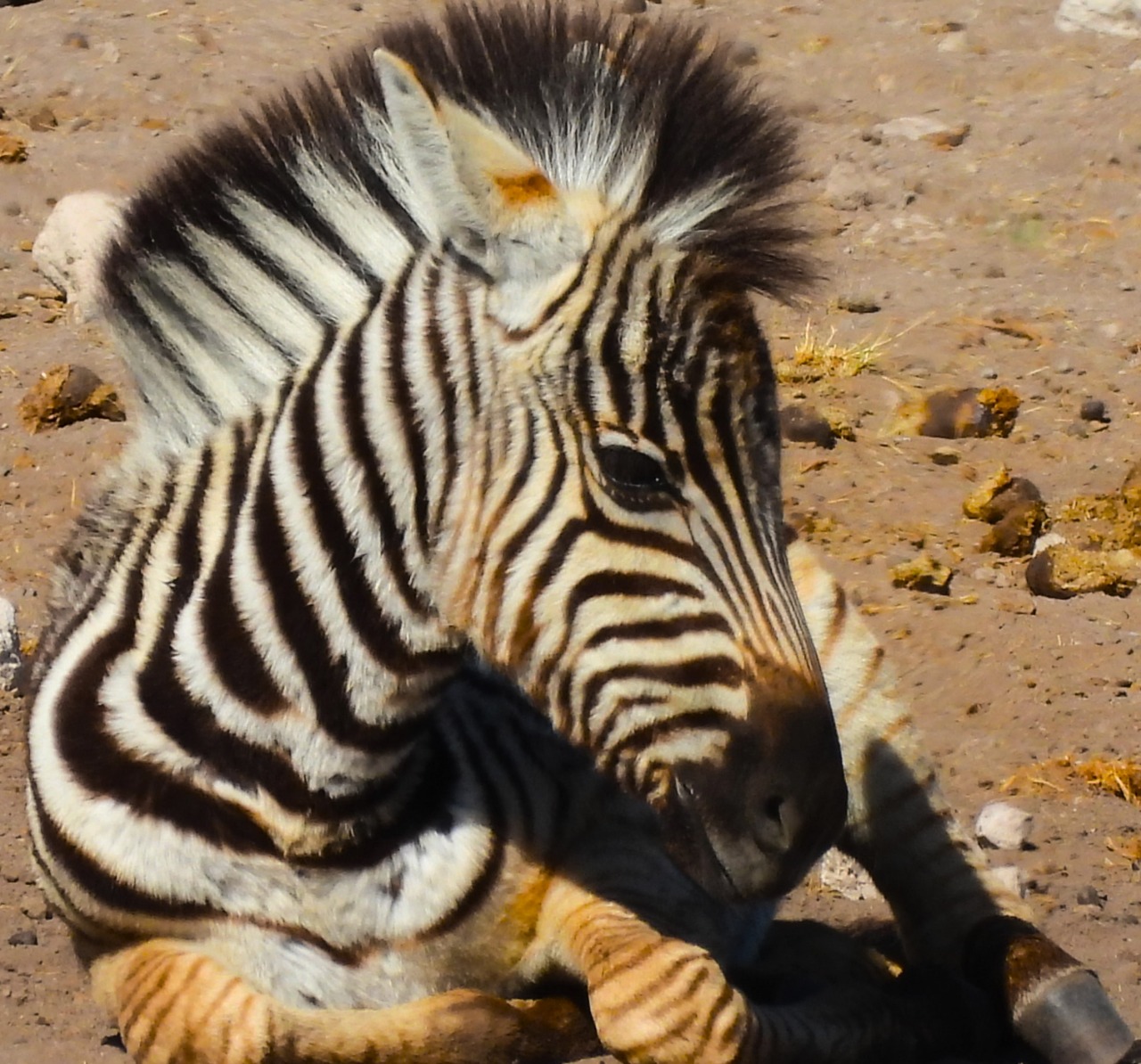
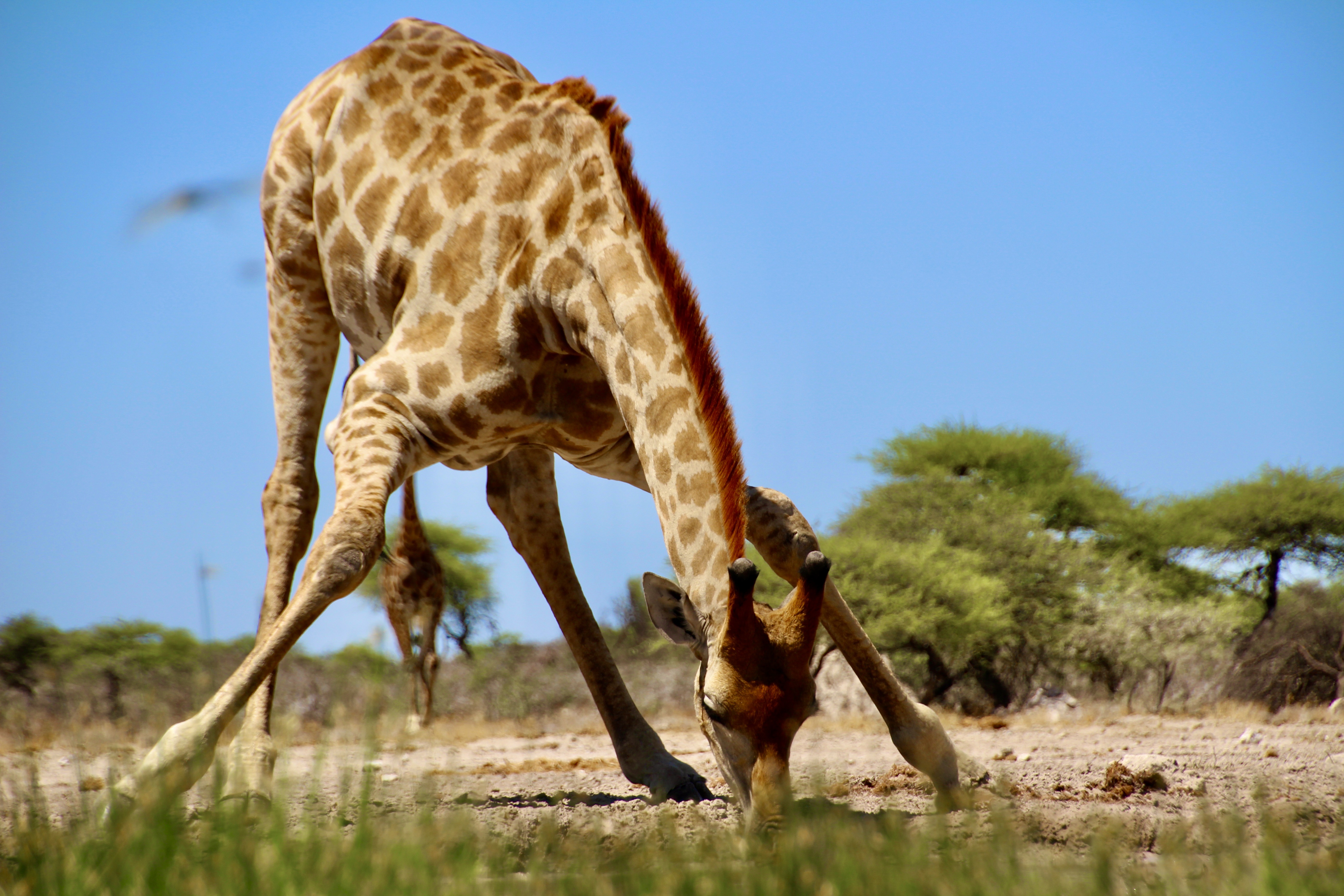
Etosha is renowned for its incredible wildlife and is home to four of the Big Five – elephants, lions, leopards, and rhinos – plus, plenty of giraffes, zebras, wildebeests, and numerous antelope and bird species. Etosha’s waterholes are a prime location for observing the animals as they gather to quench their thirst, providing unparalleled opportunities for wildlife photography.

To reach Etosha National Park, we flew on Scenic Air in a Kodiak Turbo Prop from capital city Windhoek, having spent the night after arriving via a short commercial flight from Johannesburg.

At the heart of the park lies the vast Etosha Pan, an otherworldly expanse of shimmering white salt. During the dry season, the pan is a striking contrast to the arid savannah, creating a surreal landscape that stretches as far as the eye can see and functions as the focal point for both wildlife and visitors alike.

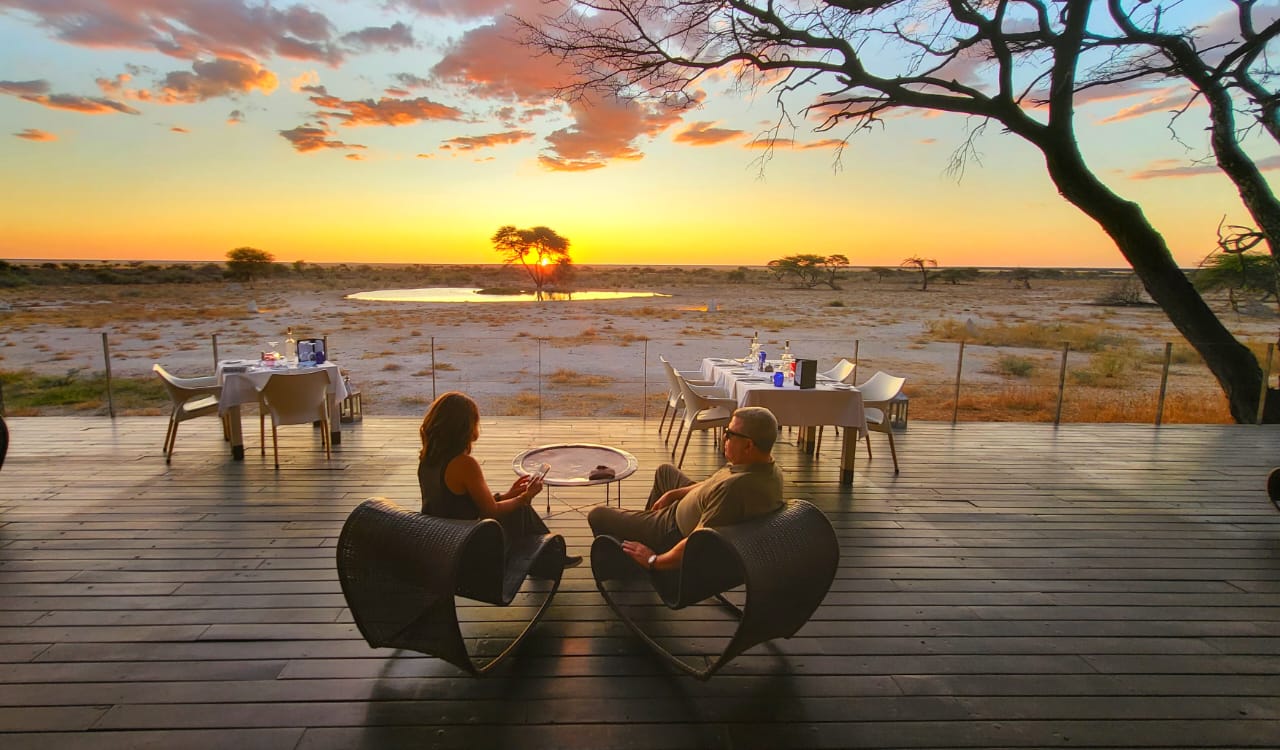
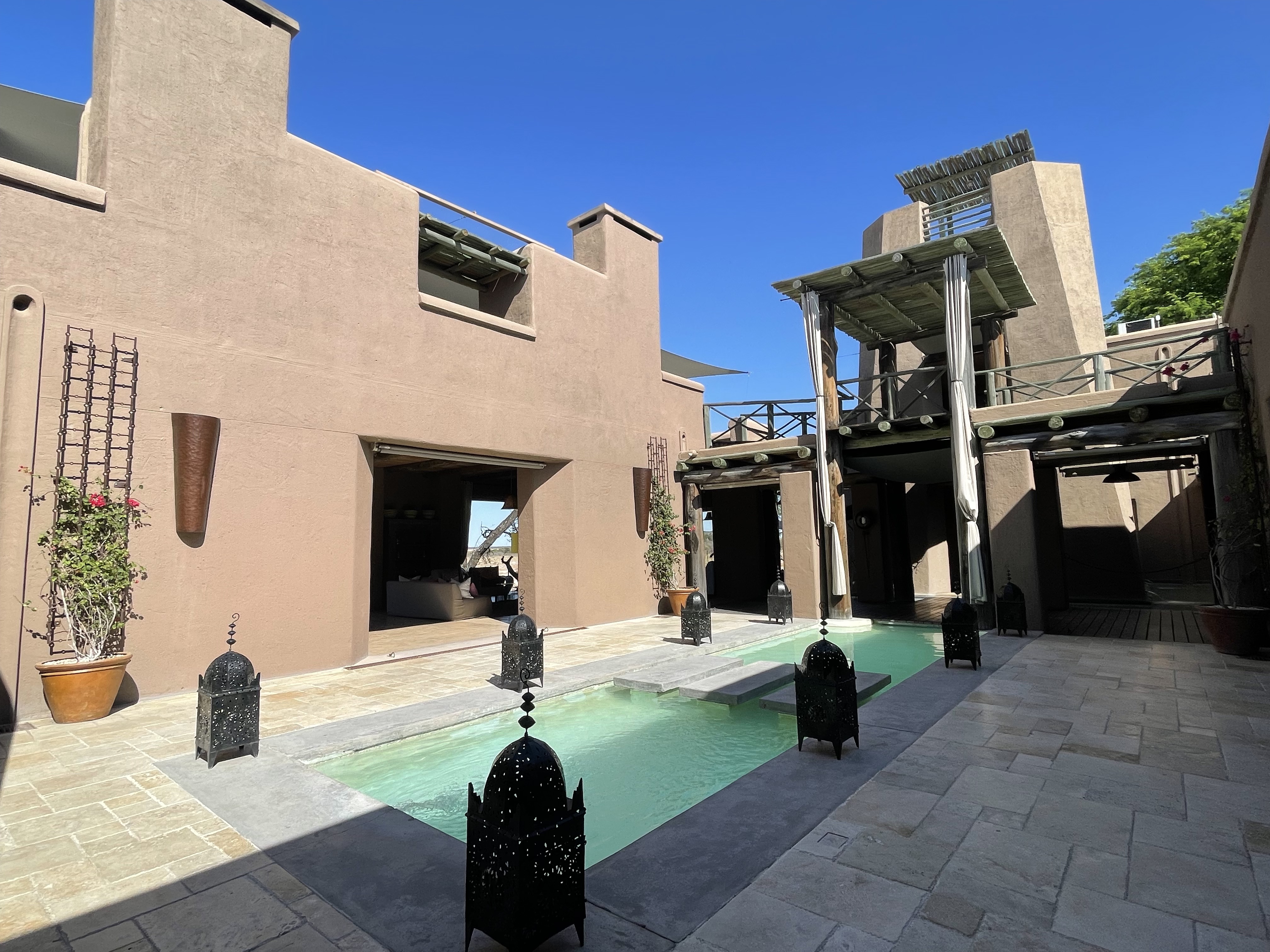
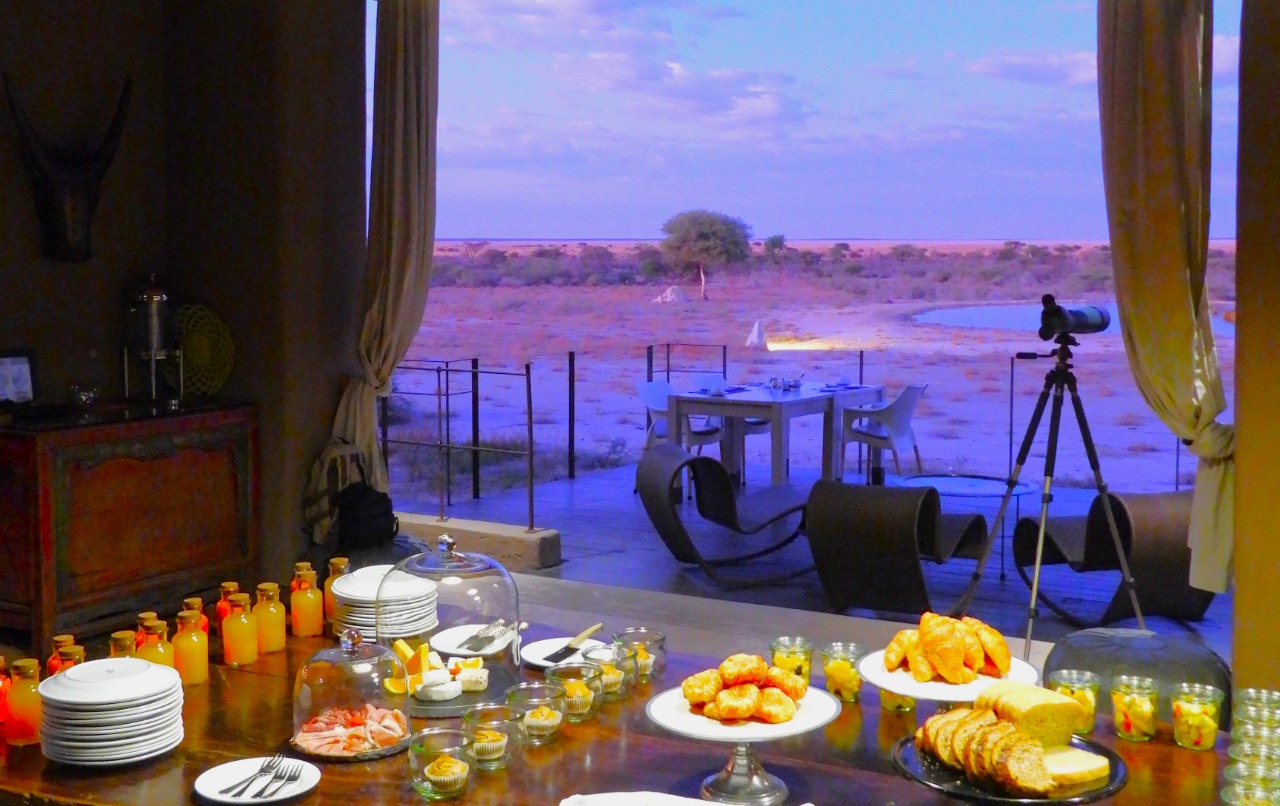
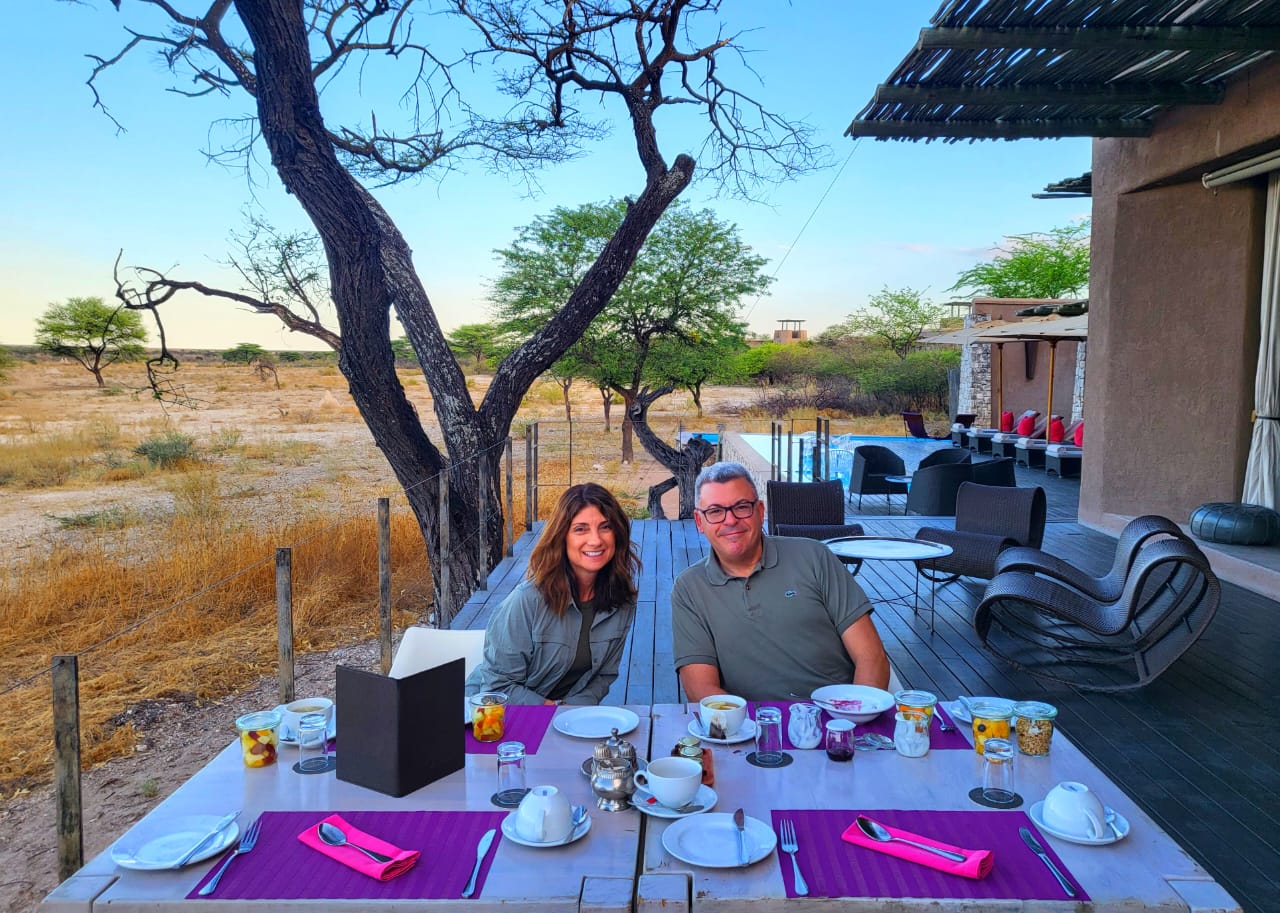
Our accommodations were at Onguma The Fort, located just outside the park. This exceptional property has a classic African feel with a touch of Indian and Moroccan flavors. Eleven private Bush Suites flank the Main Fort building, and all offer unparalleled sunset views of the Etosha Pans, frequently visited by a menagerie of wildlife especially during our evening meals on the lodge deck.

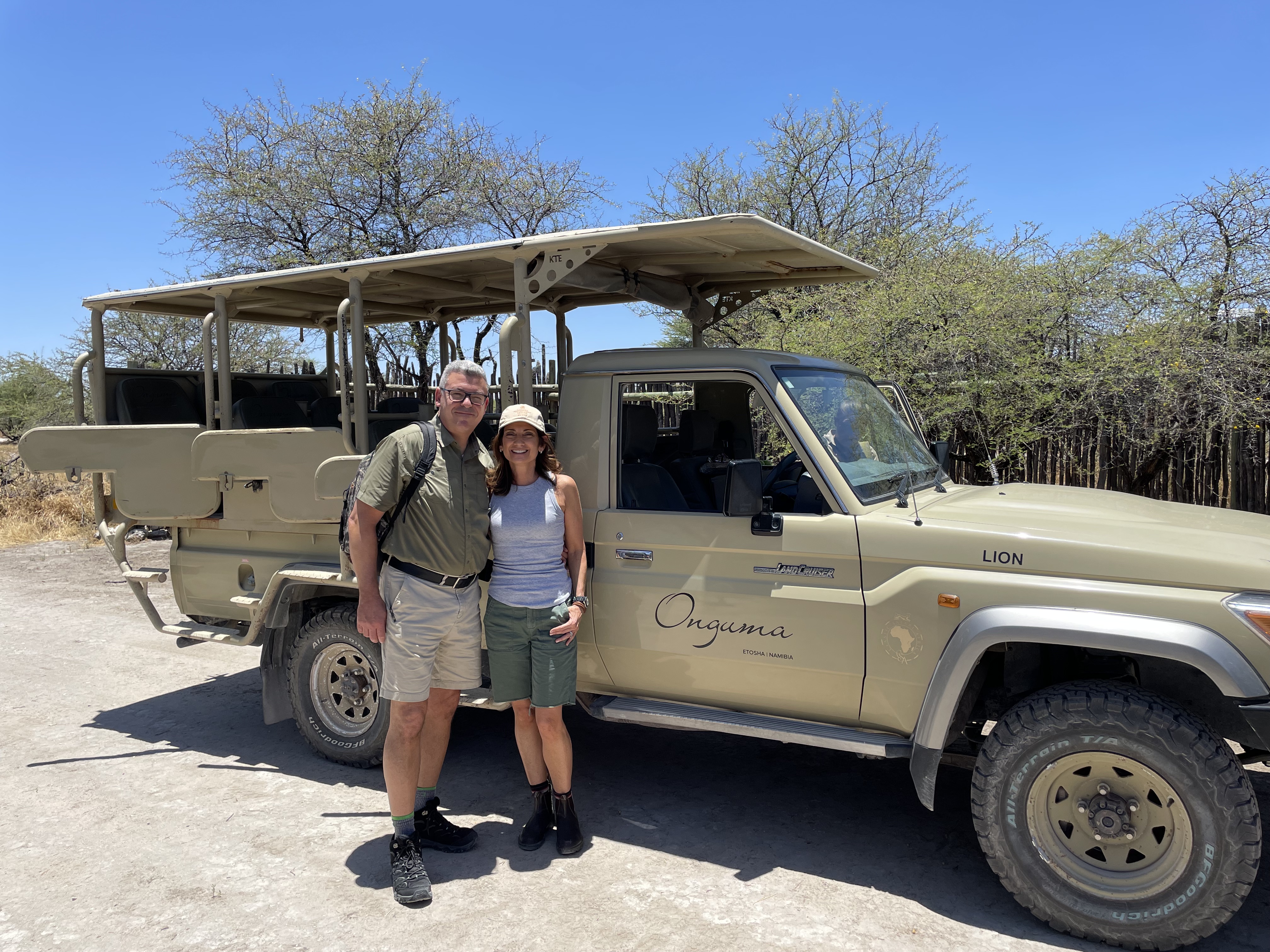
Our days were filled with early morning and late afternoon game drives in an open vehicle, with some time in between to sun ourselves and relax at the pool right off the main lodge courtyard. A big attraction at Onguma is “The Onkolo Hide.” This water-level camouflaged shelter affords guests the opportunity to sit calmly and enjoy the wildlife extremely up close and unobserved. The vantage points give you amazing camera angles.

Namibia is a country that blows away any preconceived notions of what Africa should be, and a visit to Etosha must be included in your itinerary. A gem in Namibia’s crown, this national treasure offers a perfect blend of natural beauty, cultural richness, and unparalleled wildlife encounters. And, a visit to Etosha, not only offers a unique wildlife experience, but it’s an opportunity to support conservation and anti-poaching efforts.

It’s never TOO early to plan your next adventure. Our safari was organized with Micato Safaris, voted top safari outfitter year after year. They ensured our trip went off with out a hitch, with the best guides, accommodations, transportation, and amenities. Email me, mollie@herrickstravel.com and find out about upgrades, complimentary breakfast, special amenities, and VIP service for all Herricks Travel customers. To receive my blogs to your inbox, please enter your email address in the subscriber box, and respond to the confirmation email.