
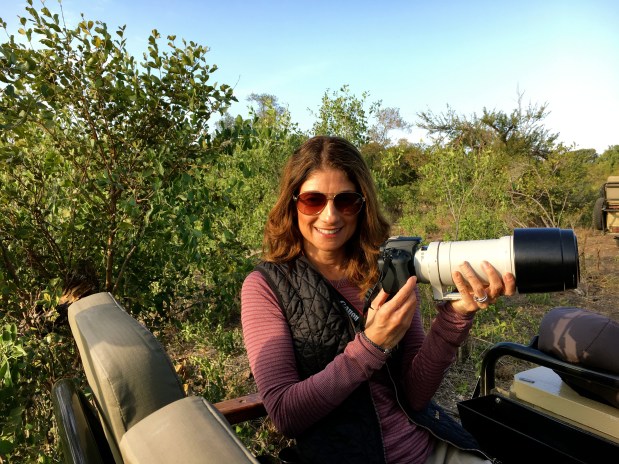
Our recent journey to South Africa opened our eyes and our hearts to a new world. In Cape Town we walked in the footsteps of former President Nelson Mandela and learned of his struggle for freedom and the true definition of leadership (click here for my previous posts on Cape Town). On safari in Sabi Sands we spotted the Big Five and the Magnificent Seven in all their four-legged glory. (Click here for my articles on Sabi Sabi).
The next leg of our adventure continues here… We flew north by bush plane to Manyeleti, another private game reserve adjacent to Kruger National Park, which is located in the northeastern part of the country, bordering Mozambique and Zimbabwe. We were met at the dirt airstrip by our guide, Alister, and tracker, Pardon, who whisked us off into the bush to our lodge, Tintswalo.
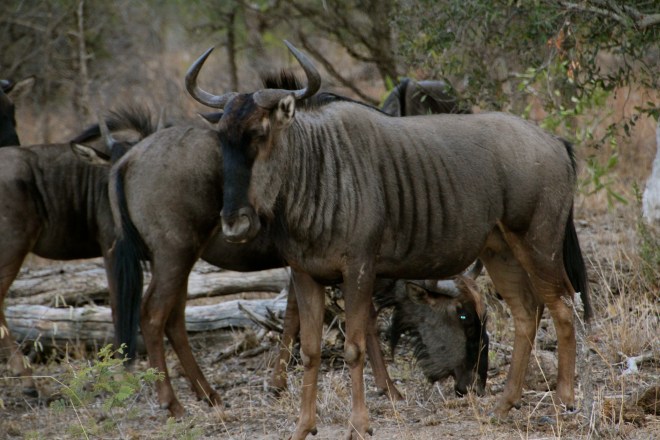
Wildebeest exhibit the largest animal migration in the world
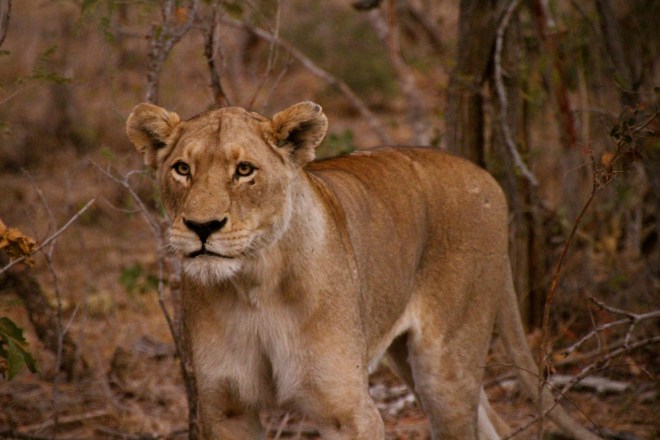
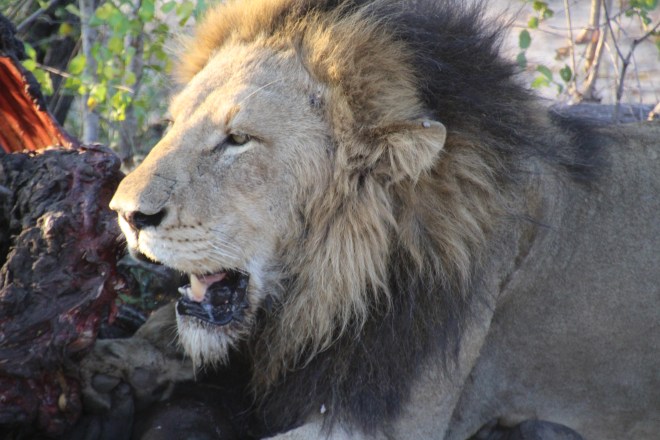
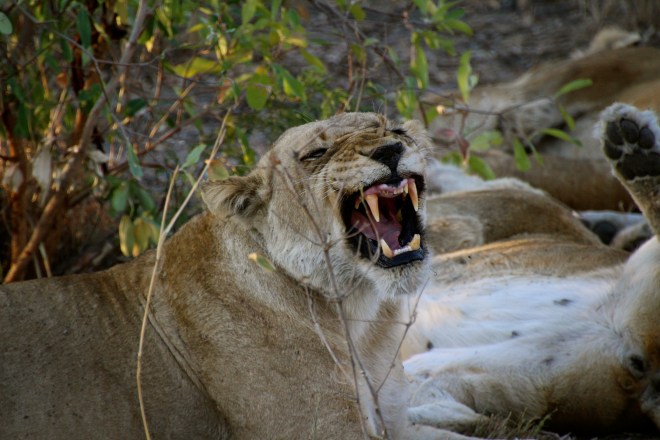
In a pride, all the lionesses are related

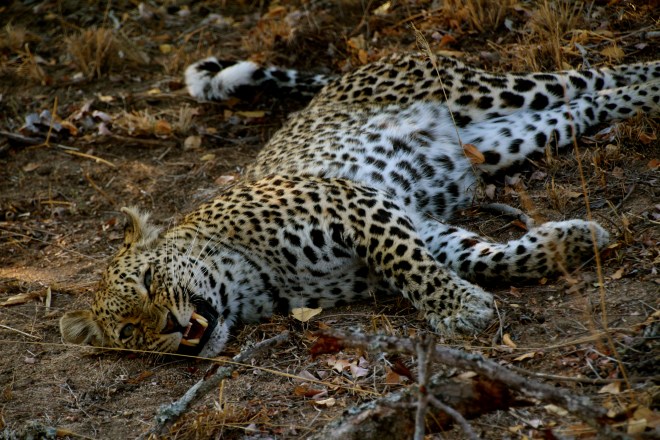
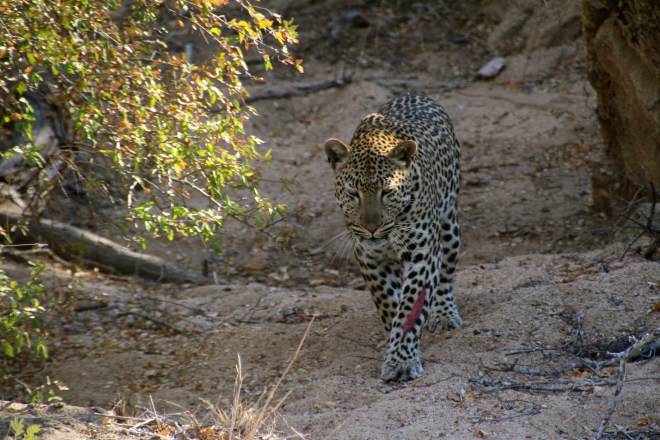
Leopards are nocturnal. During the day , they rest in thick brush or in trees.
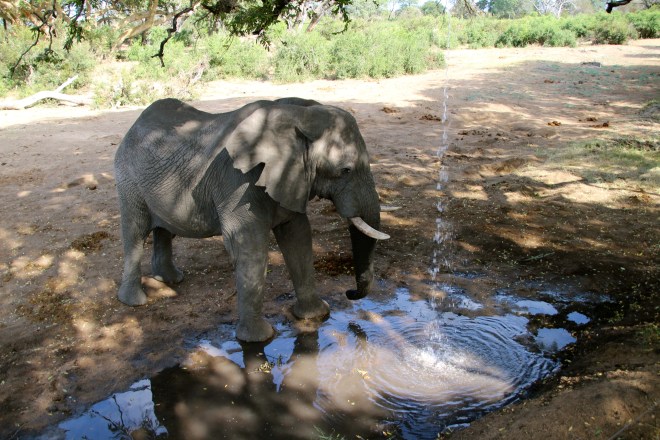
During three days of game drives we caught sight of lions, buffalo, kudu, nyala, zebra, wildebeest, and fox and absorbed lessons in all manner of flora and fauna. The most important, but tragic animal fact we learned? That extreme poaching continues to run rampant in South Africa.
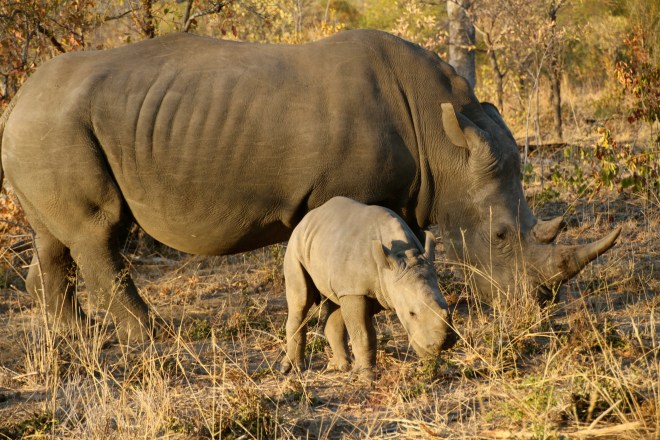
After dinner one evening in the lodge, Alister showed us a heart wrenching video that portrayed the devastating realities of this slaughter. Rhino poaching has escalated in recent years, primarily driven by the demand for its horn, specifically in Vietnam. Often associated with traditional Chinese Medicine, it has evolved into a status symbol displayed to mark success or wealth. Poachers are funded by international criminal organizations that provide sophisticated equipment and substantial bounties to track and kill rhinos. The animal is tranquilized and then the horn is brutally hacked off its snout – the animal left to die a slow and painful death, often in full view of its offspring.

At the Hoedspruit Center for Endangered Species, orphaned rhinos are nurtured
One afternoon, we visited the nearby Hoedspruit Endangered Species Center to learn more. This unique facility focuses on the conservation and sustainability of rare, vulnerable and endangered species in South Africa. Through education of surrounding communities, tourism, breeding, rehabilitation and anti-poaching initiatives, HESC aims to make a difference in the long-term survival of the planet and its animal inhabitants. The rhino, second largest land mammal after the elephant, specifically has borne the brunt of poaching, which has led to near extinction.
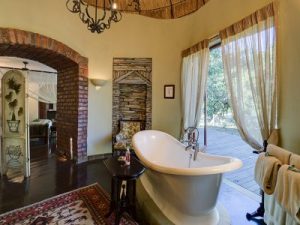
Tintswalo Lodge – suite bathroom
In between our excursions and twice-daily game drives from Tintswalo, we relaxed in our two-bedroom Baines Suite, named for the nineteenth century English artist and explorer. The suite includes a living room, kitchen, dining room, and chef. Our boys were delighted when creatures great and small visited the suite’s backyard plunge pool. On occasion, the front desk rang our rooms to alert us that a herd of elephants had arrived for their daily drink at the watering hole located in full view of the restaurant terrace.

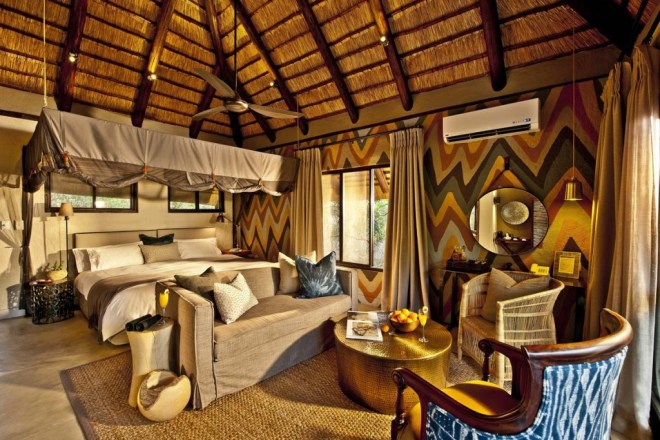
Tintswalo’s suites, all named for 19th century explorers, feature exquisite colonial era decor


A Waterbuck visits our suite’s backyard plunge pool
On our last morning, we bid a sad farewell to Tintswalo as we joined the other guests for a “bushveld” breakfast. Our lovely al fresco buffet, laid out along a dry riverbed under the tallest of olive trees, was a symphony of sights and smells — the brewed coffee and roasted bacon mixing pleasingly with the aromas of the surrounding dried brush grasses.
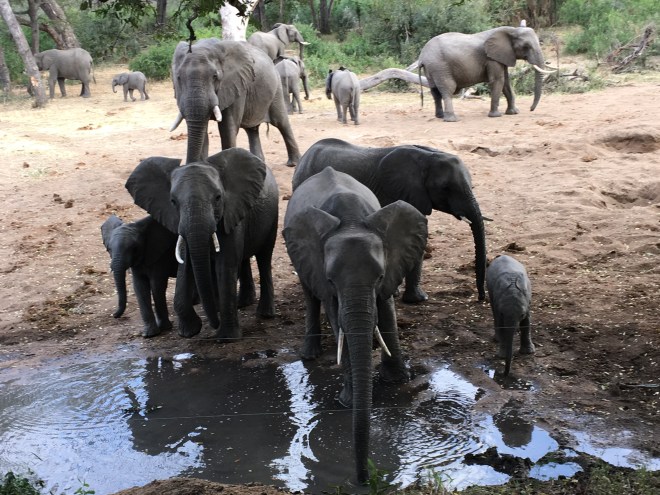
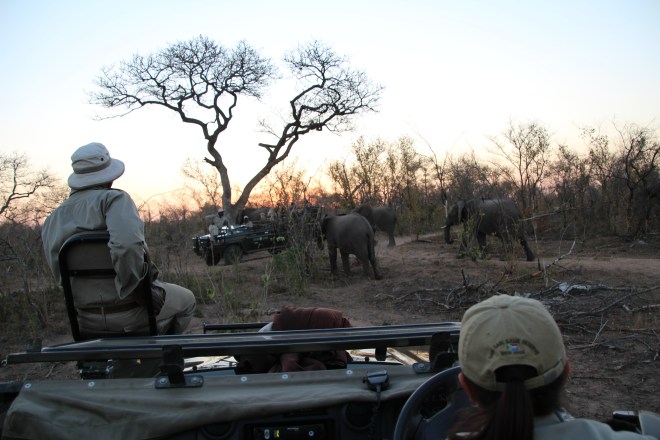
Almost daily, this herd visits the lodge watering hole

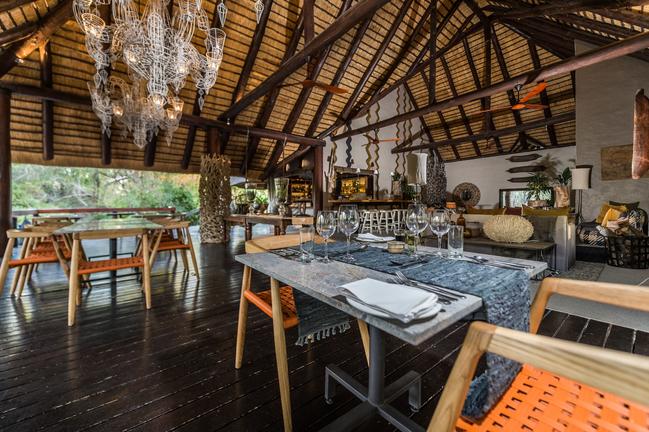
The wooden boardwalk connects all of the lodge’s suites to the main lobby, restaurant, and library

A farewell breakfast in the bush
As we boarded our safari vehicle and headed back to the landing strip to await our flight to Johannesburg, we reflected on our safari experiences, pondered the interdependence of humans and wildlife, and recognized the impact this intertwined relationship has on the world’s survival.

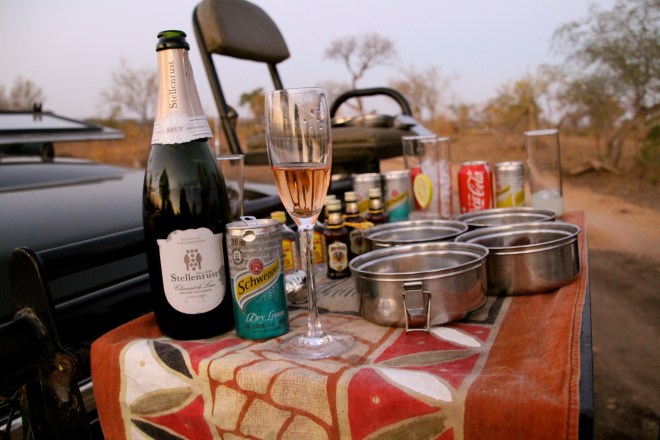
Sundowners at Tintswalo — a highlight of our stay
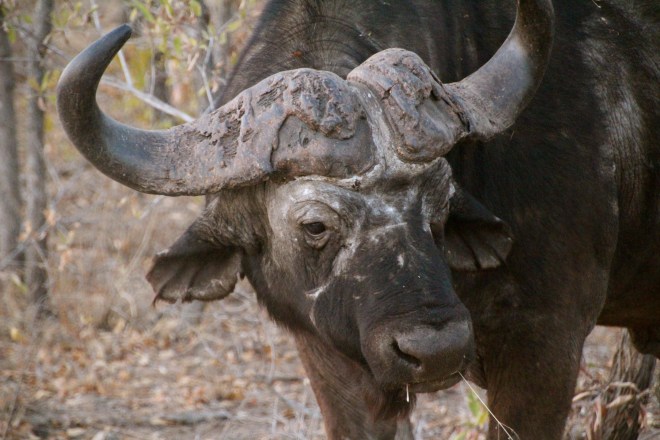
Check out my son Harris’s video, below, of a herd of Cape Buffalo we encountered during one of our evening game drives. (You can watch all of his adventure and travel videos on his Vimeo Channel – The Suburban Sportsman)
SUBSCRIBERS: to view this complete article online and read my previous articles, use this link: uniquefamilytraveler.com.
To become a SUBSCRIBER, look for the “subscribe to this blog by email” box, and then respond to the follow-up email.
For more information on my trip planning services, please click here.
Herricks Travel American Express











 UBSCRIBERS: to view this complete article online and read my previous articles, use this link: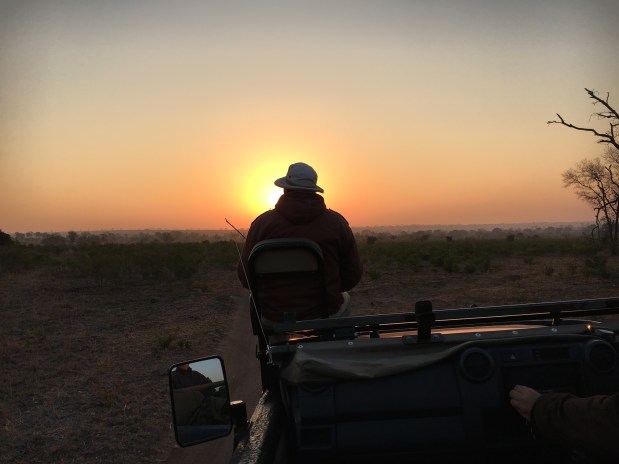










 STAY TUNED FOR MY NEXT ARTICLE…
 This 7750-hectare preserve is exceptionally biodiverse – mountain zebras, buck, baboons, ostrich and 250 species of birds all call it home. There are more plant species than in the entire U.K., (including the beautiful and otherworldly national flower, King Protea). At the southernmost point of the peninsula are three promontories: Cape of Good Hope, Cape Point, and Cape Maclear.

 Cape of Good Hope Nature Reserve (Cape Point): At the tip of Cape Peninsula lies Cape Point, a nature reserve and Natural World Heritage Site that lies within Table Mountain National Park. A navigational landmark, (Portuguese explorer Bartolomeu Dias rounded this tip in 1488) the first lighthouse was completed in 1859. Take the three minute ride in the “Flying Dutchman” funicular (an inclined railway) from the lower station to the upper station – more robust visitors can choose to walk. At the top, if you make the climb up the steep steps to reach the lighthouse, you may catch a glimpse of migrating whales.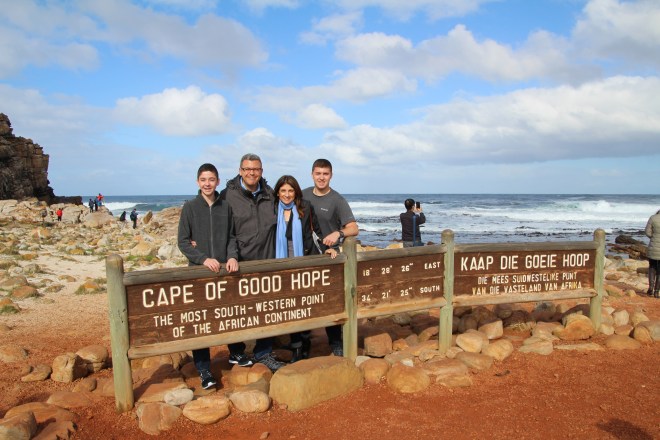
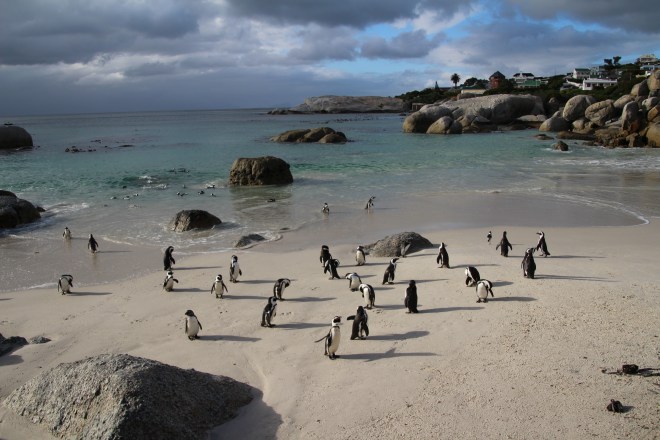
 Boulders Penguin Colony: Penguin lovers (like me!) must make a pilgrimage to Boulders Penguin Colony located in Simon’s Town on the eastern side of the peninsula. Descend down to the waterline along the boardwalk to this sheltered cove ringed by granite boulders and observe the endangered African Penguin in its natural environment. These little tuxedo-clad chaps put on quite a show, diving in the chilly waters and nesting in the dunes. If the timing is right, you can catch a glimpse of adorable molting chicks. Afterwards, make a stop for tea at Café Penguino – next door is a gift shop with plenty of penguin-themed paraphernalia.

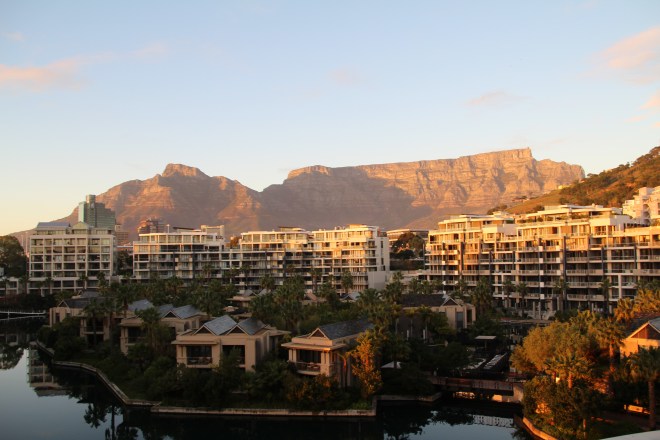
 Lion’s Head & Signal Hill: Lion’s Head, the prominent peak just to the right of Table Mountain, has well-marked trails and is a good option when Table Mountain is covered by clouds. Signal Hill is the smaller flat-topped hill that extends from the lower slopes of Lion’s head. Both are accessed by Signal Hill Road.
 A good place to stop for lunch before heading back into Cape Town is Noordhoek, a charming farm village with funky shops, quaint restaurants, and children’s playground. Make a reservation at
  unique family traveler