

Namibia takes its name from the world’s oldest and most impressive deserts — The Namib. Along with the famous Skeleton Coast, (check out my previous article here), Etosha National Park must be included on your Namibia safari itinerary. This southwestern African nation is bordered by South Africa, Zambia, and Botswana. A wildlife haven nestled in the heart of Namibia, the expansive park, covering over 22,000 square kilometers, is a paradise for nature enthusiasts and safari lovers. The park is not only a wildlife hotspot but also a place that reflects Namibia’s rich cultural tapestry — the local communities surrounding Etosha, including the Ovambo, Himba, and Herero people, contribute to the park’s cultural diversity.
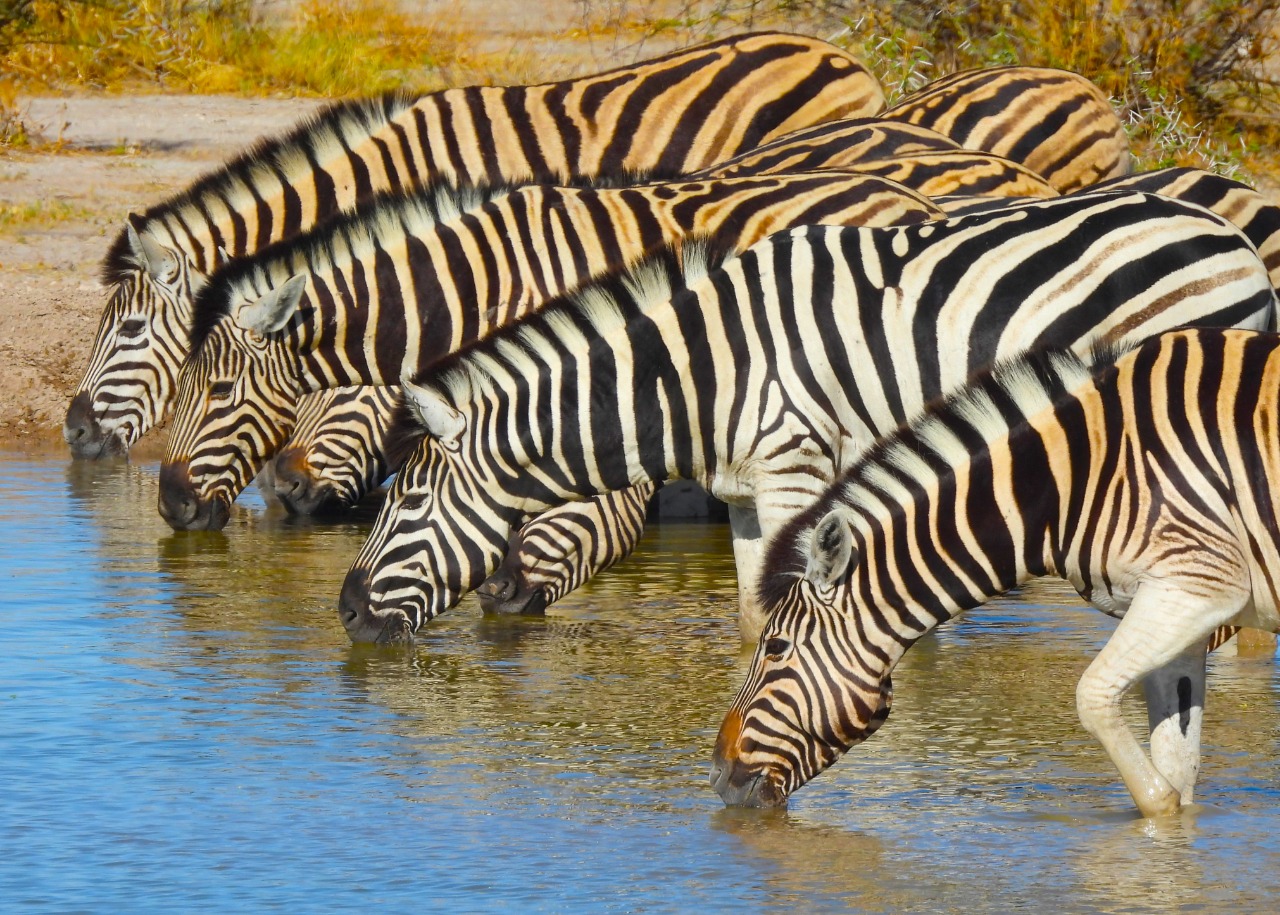
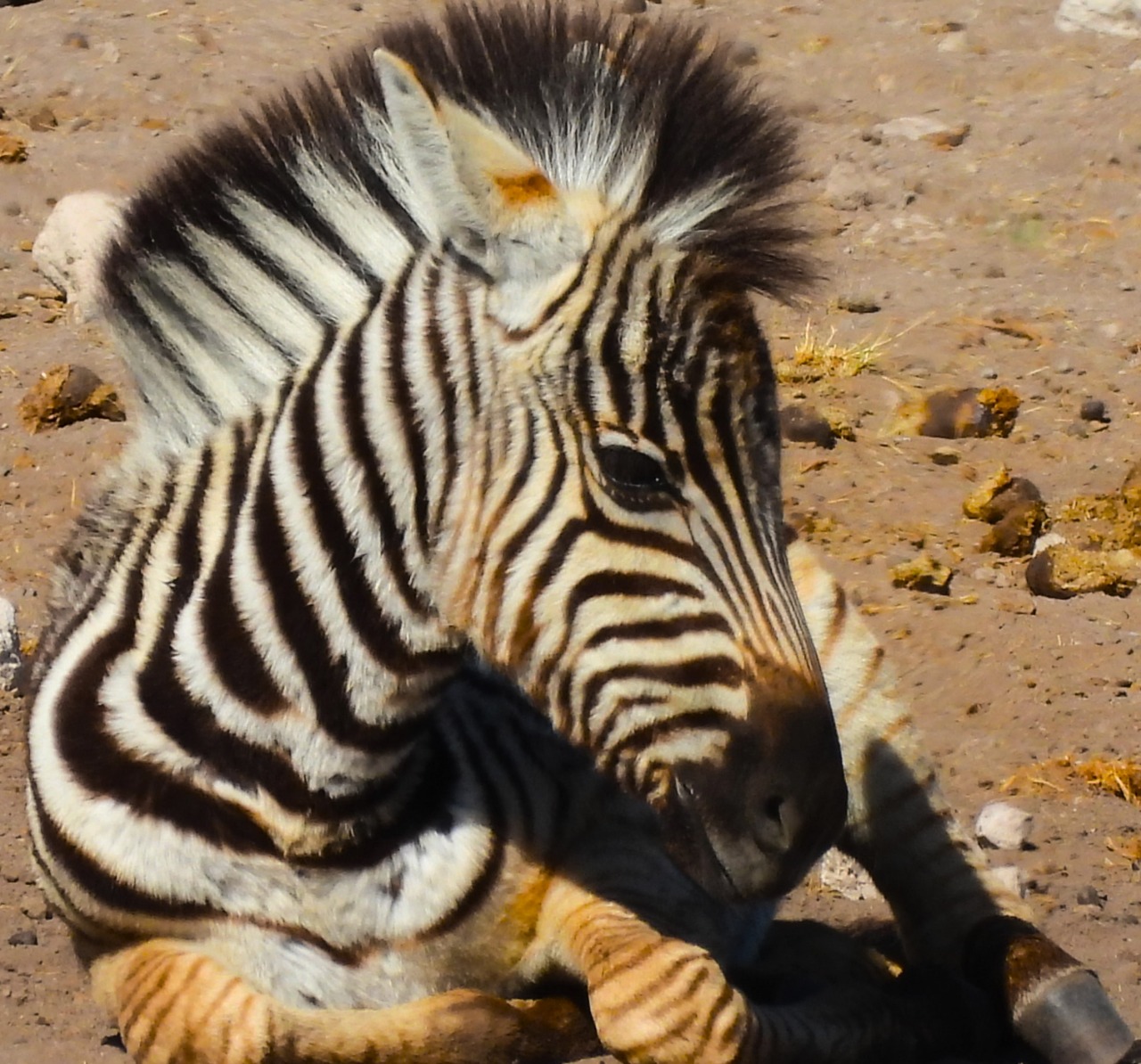
Etosha is renowned for its incredible wildlife and is home to four of the Big Five – elephants, lions, leopards, and rhinos – plus, plenty of giraffes, zebras, wildebeests, and numerous antelope and bird species. Etosha’s waterholes are a prime location for observing the animals as they gather to quench their thirst, providing unparalleled opportunities for wildlife photography.
To reach Etosha National Park, we flew on Scenic Air in a Kodiak Turbo Prop from capital city Windhoek, having spent the night after arriving via a short commercial flight from Johannesburg.

At the heart of the park lies the vast Etosha Pan, an otherworldly expanse of shimmering white salt. During the dry season, the pan is a striking contrast to the arid savannah, creating a surreal landscape that stretches as far as the eye can see and functions as the focal point for both wildlife and visitors alike.


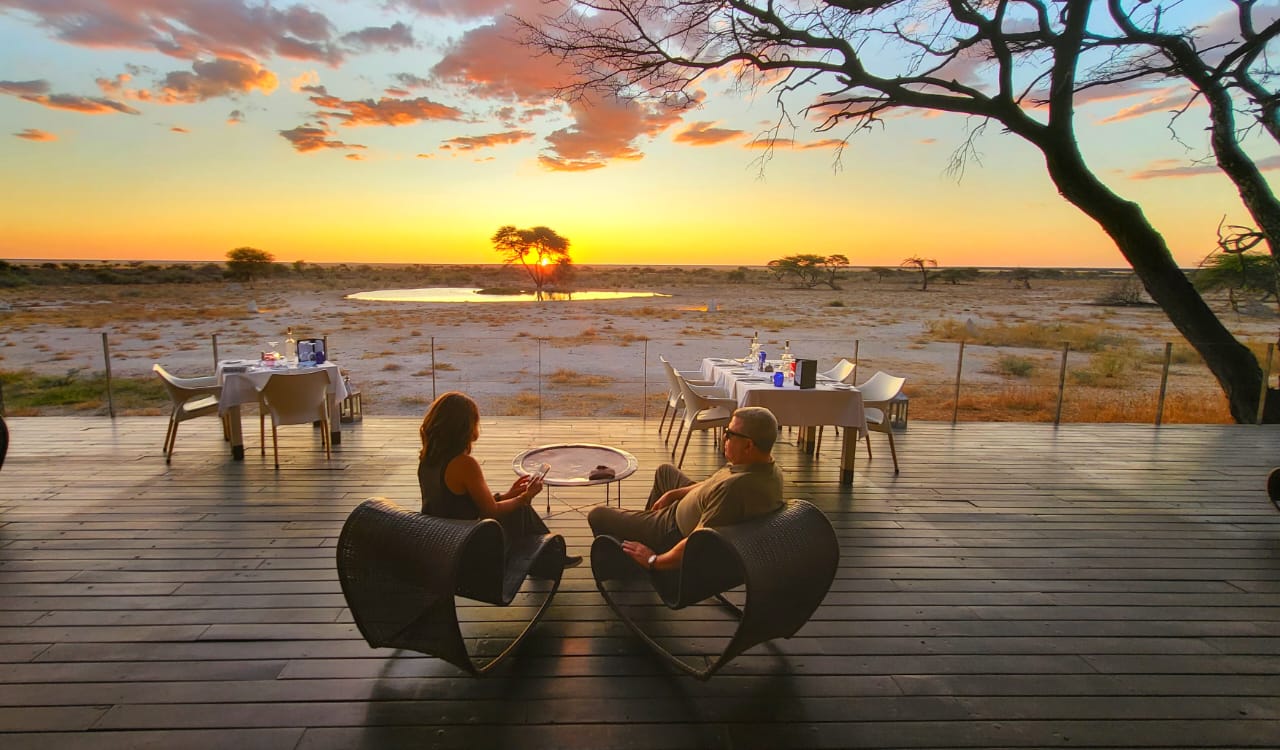
Our accommodations were at Onguma The Fort, located just outside the park. This exceptional property has a classic African feel with a touch of Indian and Moroccan flavors. Eleven private Bush Suites flank the Main Fort building, and all offer unparalleled sunset views of the Etosha Pans, frequently visited by a menagerie of wildlife especially during our evening meals on the lodge deck.

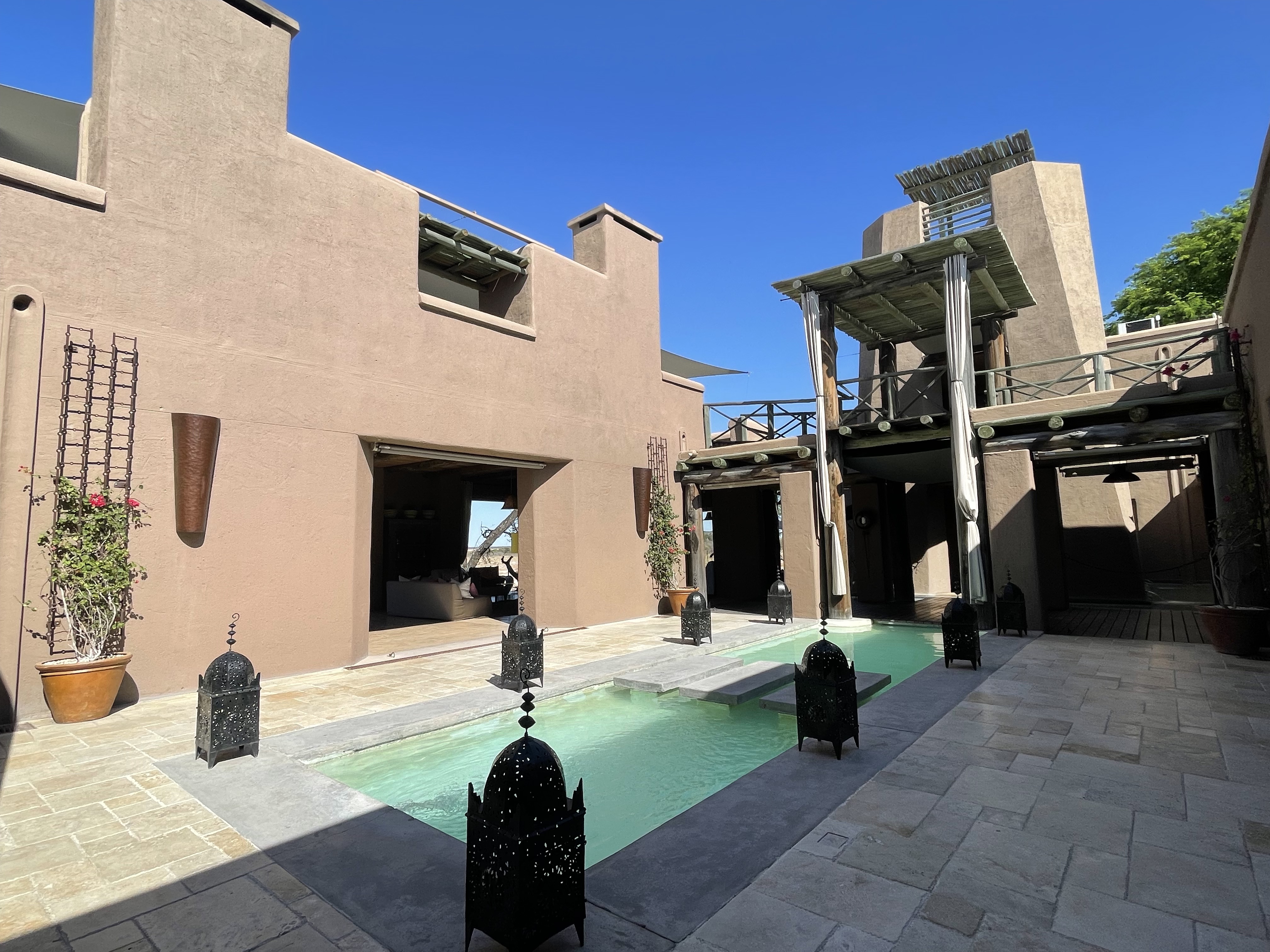

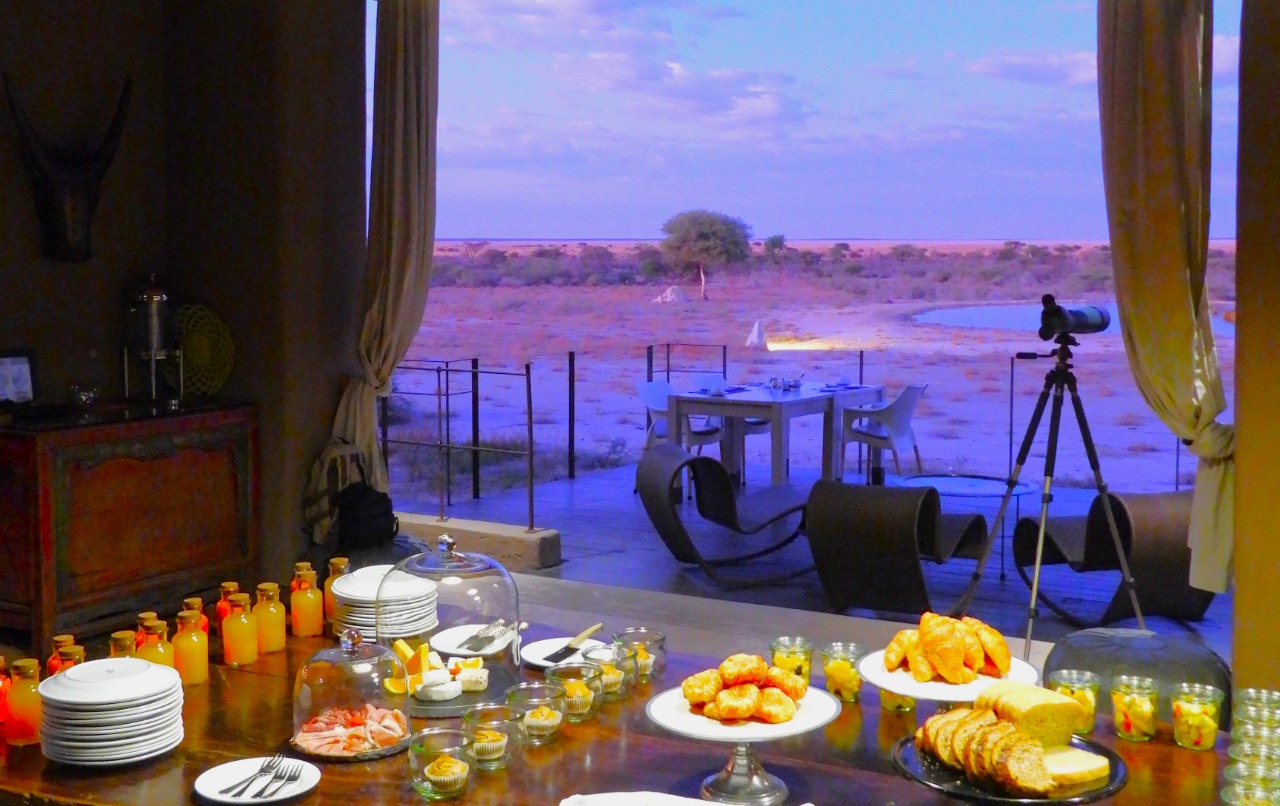
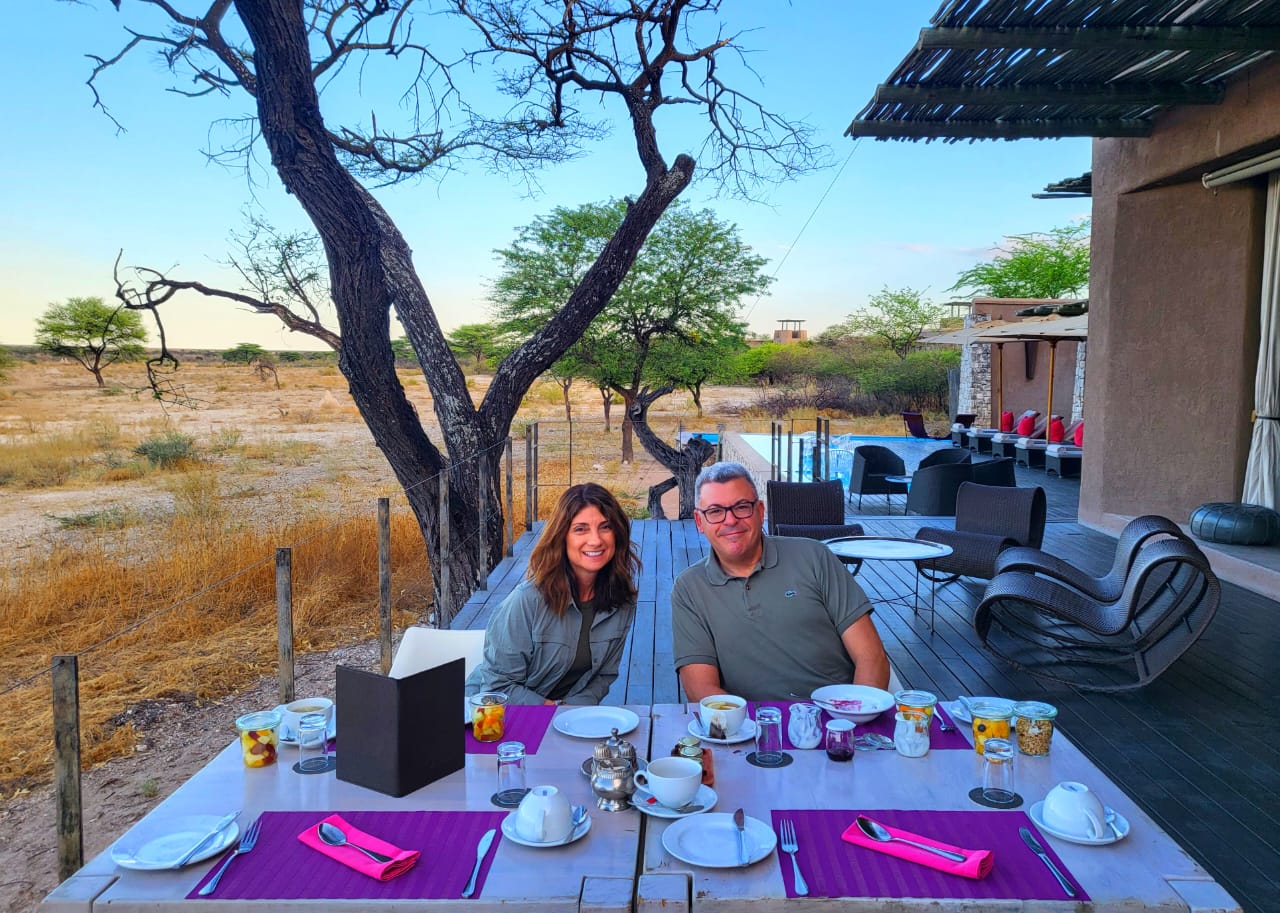
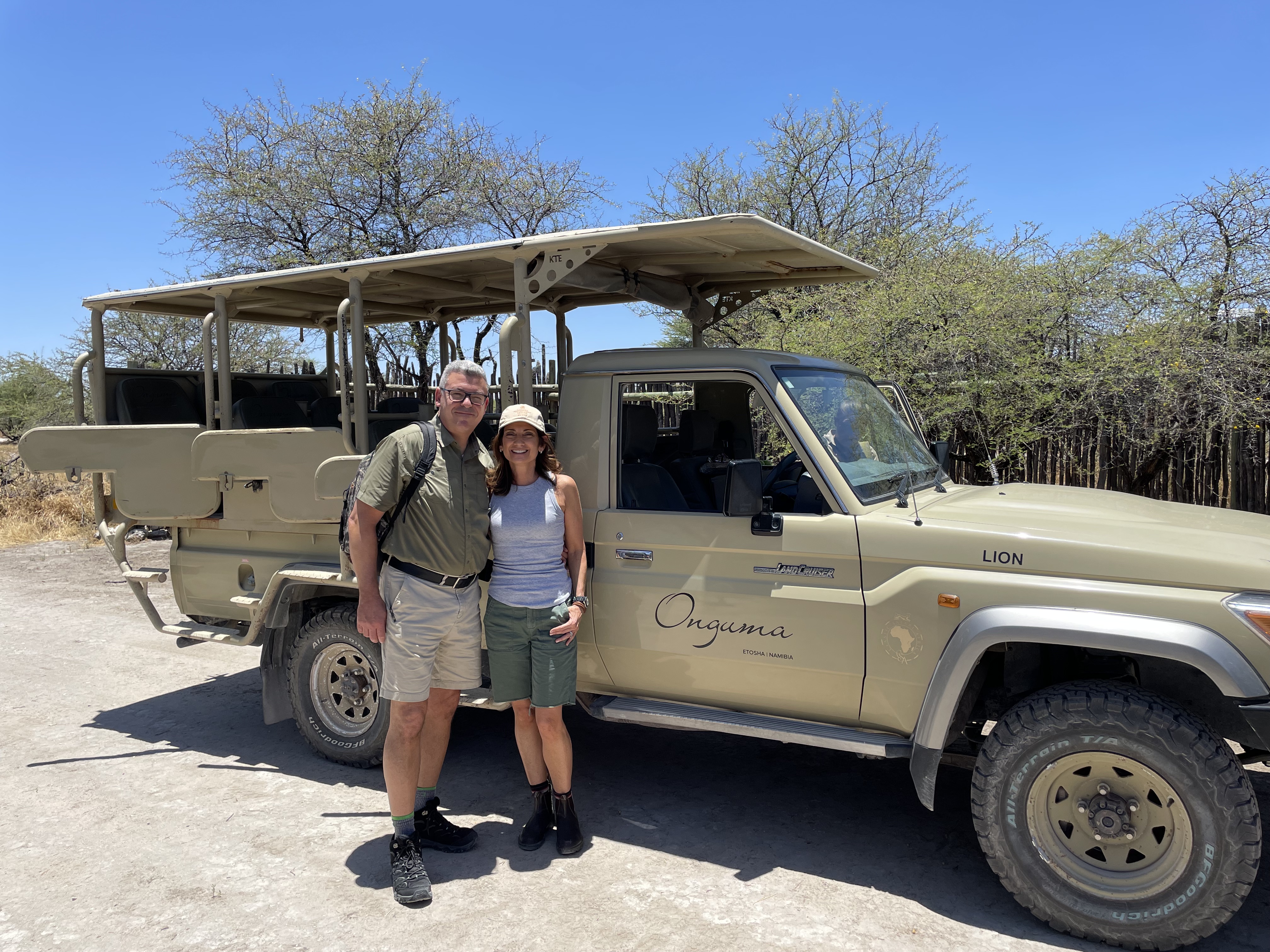
Our days were filled with early morning and late afternoon game drives in an open vehicle, with some time in between to sun ourselves and relax at the pool right off the main lodge courtyard. A big attraction at Onguma is “The Onkolo Hide.” This water-level camouflaged shelter affords guests the opportunity to sit calmly and enjoy the wildlife extremely up close and unobserved. The vantage points give you amazing camera angles.
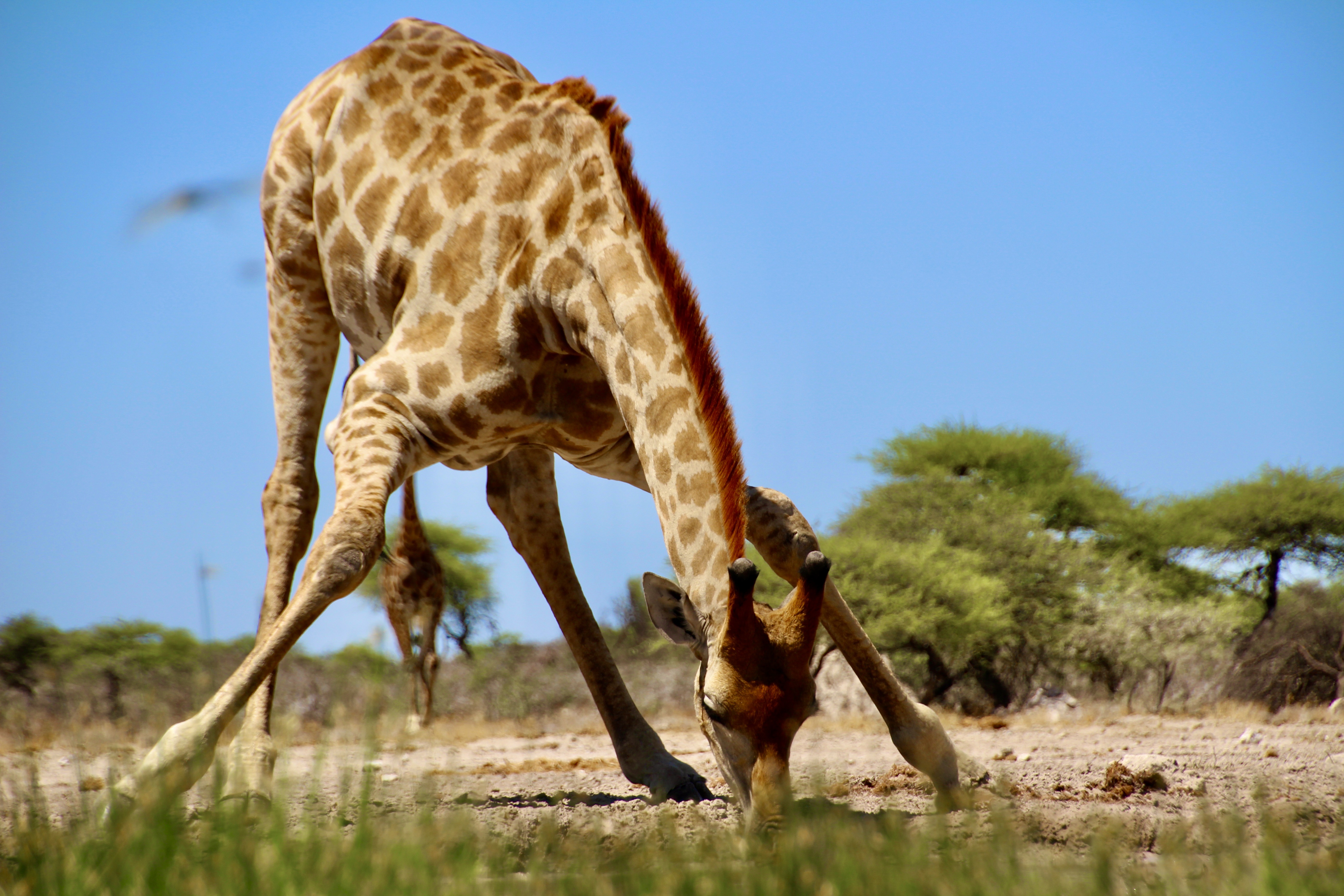


Namibia is a country that blows away any preconceived notions of what Africa should be, and a visit to Etosha must be included in your itinerary. A gem in Namibia’s crown, this national treasure offers a perfect blend of natural beauty, cultural richness, and unparalleled wildlife encounters. And, a visit to Etosha, not only offers a unique wildlife experience, but it’s an opportunity to support conservation and anti-poaching efforts.
It’s never TOO early to plan your next adventure. Our safari was organized with Micato Safaris, voted top safari outfitter year after year. They ensured our trip went off with out a hitch, with the best guides, accommodations, transportation, and amenities. Email me, mollie@herrickstravel.com and find out about upgrades, complimentary breakfast, special amenities, and VIP service for all Herricks Travel customers. To receive my blogs to your inbox, please enter your email address in the subscriber box, and respond to the confirmation email.

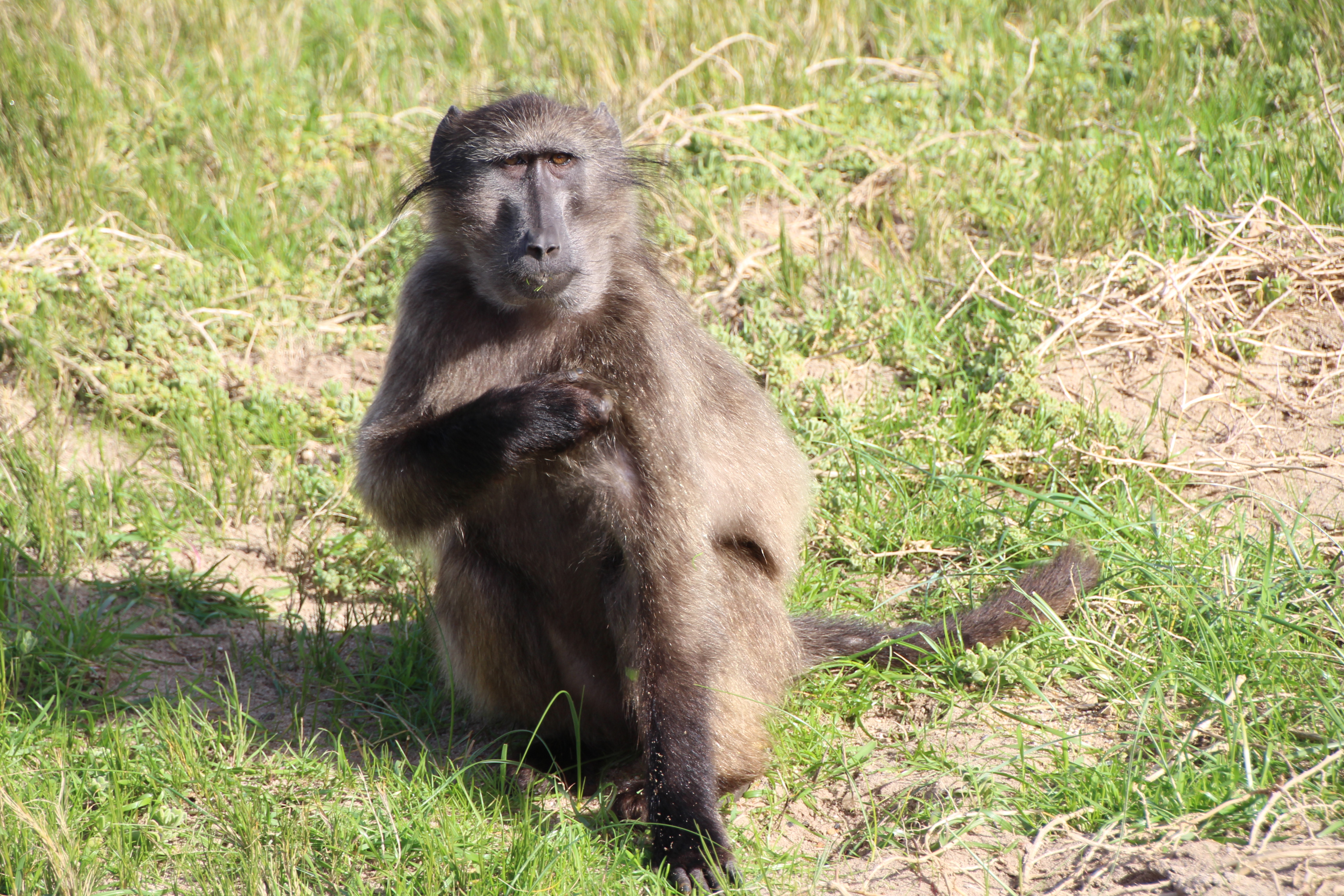
 This 7750-hectare preserve is exceptionally biodiverse – mountain zebras, buck, baboons, ostrich and 250 species of birds all call it home. There are more plant species than in the entire U.K., (including the beautiful and otherworldly national flower, King Protea). At the southernmost point of the peninsula are three promontories: Cape of Good Hope, Cape Point, and Cape Maclear.
 Cape of Good Hope Nature Reserve (Cape Point): At the tip of Cape Peninsula lies Cape Point, a nature reserve and Natural World Heritage Site that lies within Table Mountain National Park. A navigational landmark, (Portuguese explorer Bartolomeu Dias rounded this tip in 1488) the first lighthouse was completed in 1859. Take the three minute ride in the “Flying Dutchman” funicular (an inclined railway) from the lower station to the upper station – more robust visitors can choose to walk. At the top, if you make the climb up the steep steps to reach the lighthouse, you may catch a glimpse of migrating whales.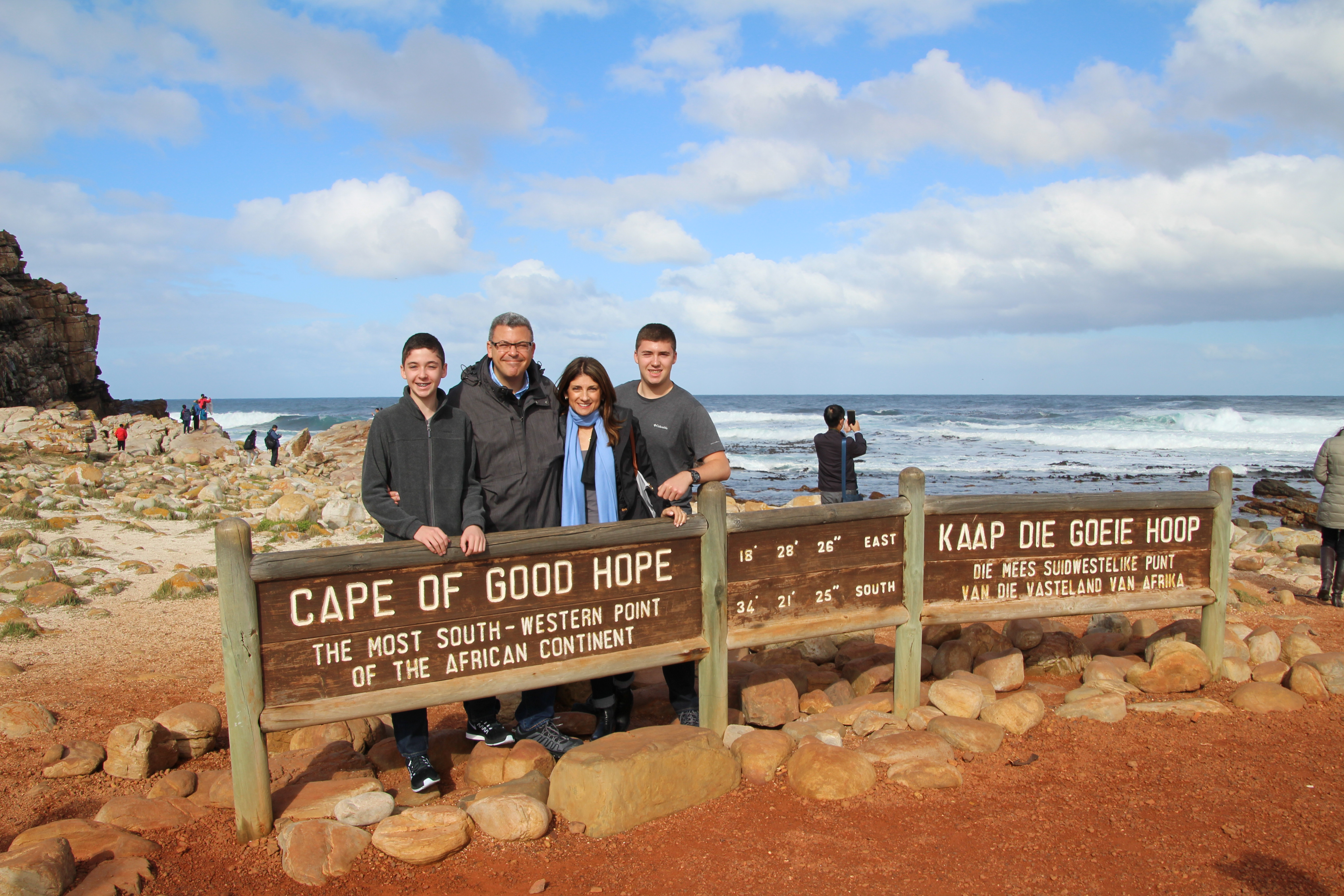
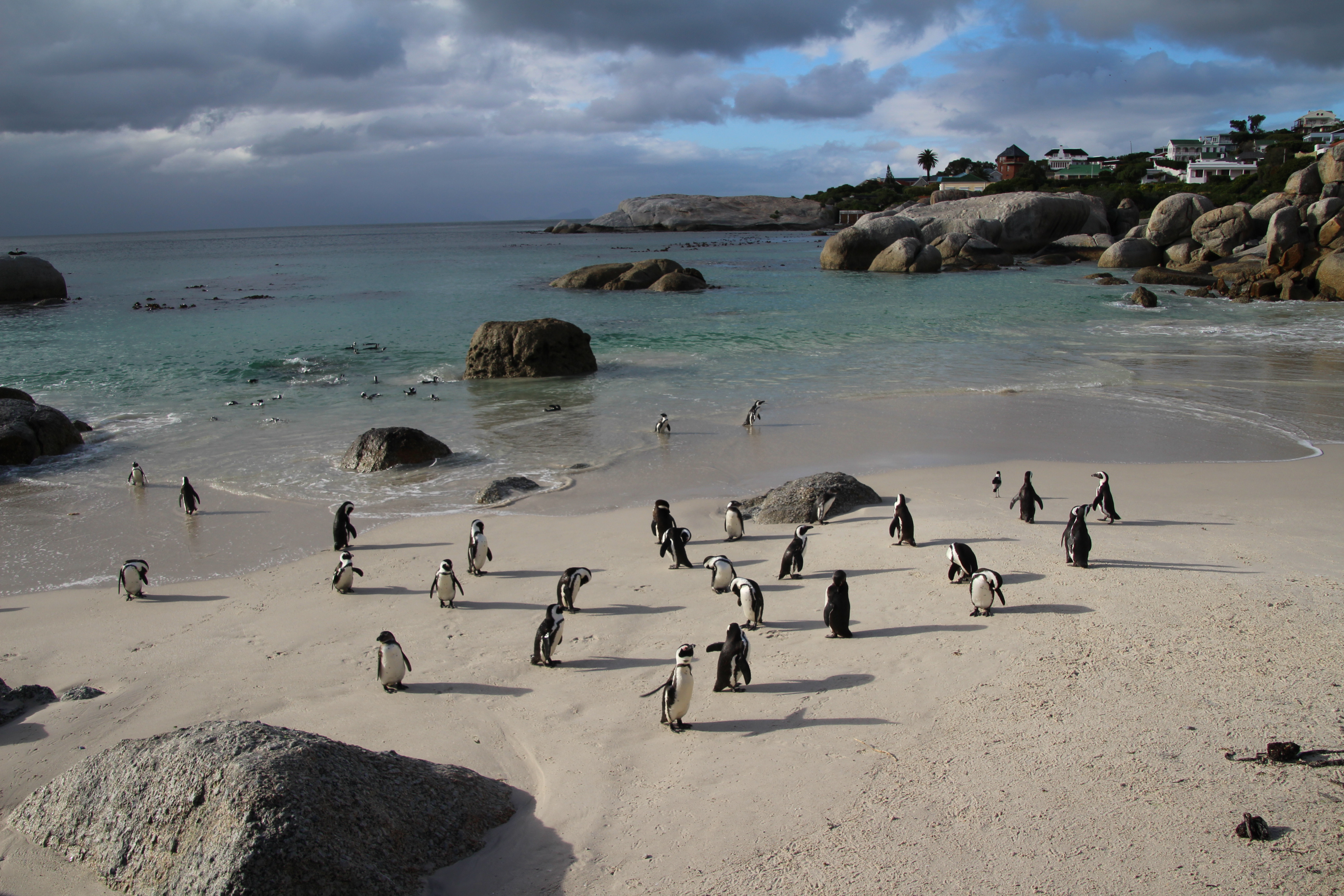
 Boulders Penguin Colony: Penguin lovers (like me!) must make a pilgrimage to Boulders Penguin Colony located in Simon’s Town on the eastern side of the peninsula. Descend down to the waterline along the boardwalk to this sheltered cove ringed by granite boulders and observe the endangered African Penguin in its natural environment. These little tuxedo-clad chaps put on quite a show, diving in the chilly waters and nesting in the dunes. If the timing is right, you can catch a glimpse of adorable molting chicks. Afterwards, make a stop for tea at Café Penguino – next door is a gift shop with plenty of penguin-themed paraphernalia.

 Lion’s Head & Signal Hill: Lion’s Head, the prominent peak just to the right of Table Mountain, has well-marked trails and is a good option when Table Mountain is covered by clouds. Signal Hill is the smaller flat-topped hill that extends from the lower slopes of Lion’s head. Both are accessed by Signal Hill Road.
 A good place to stop for lunch before heading back into Cape Town is Noordhoek, a charming farm village with funky shops, quaint restaurants, and children’s playground. Make a reservation at
 unique family traveler