A Few of my Favorite Travel Things

A Few of my Favorite Travel Things

My recent article, Twelve Packing Tips Every Traveler Should Know, included some indispensable items no traveler should be without.  Here are a few more favorite things that will keep your travels stress-free:

Mini power strip:  Most hotel rooms have a woefully inadequate number of outlets.  Even if you travel with a minimum of electronics, there’s just never enough places to “plug in.”  This mini Power Strip takes one outlet and turns it into three, plus spots for USB chargers.

solar charger

Goal Zero Solar Charger

External battery:  I bought my Mophie external battery at the Apple store, but these can easily be found online. This compact power reserve comes in multiple capacities, it’s lightweight, and can be used to power smart phones and tablets.   My son, on the other hand, swears by his solar charger, Goal Zero Venture 30 Solar Kit, which he purchased for his upcoming sailing trip. I made good use of it on our last family vacation in Antigua — it occupied a sunny spot on my lounge chair for most of the week!

Packing cubes

Packing cubes

Packing Cubes:  I know I mentioned this in my last article, but I just can’t say enough about using these packing cubes for multi-destination trips. Versions can be found at the Container Store, Tumi, and LandsEnd.  Pack similar items together in a cube and easily transfer them from suitcase to hotel dresser drawer and back again.

Noise canceling earphones: Yes, those earbuds are super convenient, but they don’t always block out all that annoying ambient noise on the plane.  Over-the-ear headphones (like Bose) can become VERY pricey, but a basic model like this SONY brand, definitely does the trick at the right price – under $50. (Make sure to throw an extra AAA battery into your carry-on).

Belkin headphone splitter

Belkin headphone splitter

Headphone splitter: This little cable can eliminate many family arguments.  Just insert into tablet, phone, or laptop and two prickly siblings can watch one movie at the same time.  My favorite, the Belkin Rockstar, links up to five headphones to one device.

Wireless keyboard: On second thought, leave that heavy laptop at home and purchase a wireless keyboard if you really need to do some extensive typing while away. These Bluetooth enabled devices can even be hooked up to your smartphone.

Cross-body bag

Cross-body bag

Messenger bag: A lightweight nylon cross-body bag will come in handy on any trip, whether trekking through Costa Rican jungles or pounding the pavement of your favorite European city.

Digital luggage scale:  This device will help you make sure your bags stay within airline luggage requirements. Take it with you on your trip to check your suitcases once they are filled to the brim with all those gifts and souvenirs.

cosmetic bag

Travel cosmetic bag

Travel cosmetic bag: I recently came across this clever Lay and Go” cosmetic bag — its specially designed “lip” around the perimeter keeps makeup from rolling off the counter (especially beneficial on a cruise ship).  Pull on the drawstring and it converts into a sealed soft clutch. (Traveling with kids? Buy the solid color version — it makes a great tote for tiny toys like LEGO’s.)

shoe bag

Nylon shoe bag

Shoe bags: Made from cotton or nylon, these are perfect for keeping shoes from soiling your clothing in your suitcase. I picked up these adorable Cath Kidson shoe bags on my last trip to London, but you can order them from the website, or check out Tumi or LLBean for other options.

Mini first-aid kit:  I keep a mini first-aid kit stored in my son’s luggage at all times. You can even make your own by using a zippered baggie and filling with bandages, gauze pads, cleansing wipes, medical tape, and antibiotic cream.  I also added a small sewing kit and some packets of laundry soap for those equally distressing wardrobe emergencies.

travel wallet

Travel wallet

Ticket organizer/passport wallet: My boys made good use of this wallet when they traveled on their own to the British Virgin Islands for a student SCUBA diving program. It helped them keep track of passports, boarding passes, Global Entry cards, cash, and transfer instructions.  The wrist strap helps keep the wallet close at hand when checking in or presenting documents to customs officials.  Place your cellphone number in a visible location inside just in case you and the wallet get separated.

apple plugs

Apple adapter kit

Adapters and Converters: Electrical systems and outlets vary throughout the world. Check what is required before leaving home and make sure to pack a convertor (which will change the voltage of local electricity to match your device) and adapters (which will reconfigure your plug to match the outlet of the foreign country).  Traveling with Apple products? I highly recommend the World Travel Adapter Kit  — this indispensable and compact kit includes seven interchangeable AC plugs with prongs that fit most outlets around the globe.

For more information on my trip planning services, please click here.

Herricks Travel American ExpressSUBSCRIBERS: to view this complete article online and read my previous articles, use this link: uniquefamilytraveler.com.

To become a SUBSCRIBER, look for the “subscribe to this blog by email” box, and then respond to the follow-up email.

Twelve Packing Tips Every Traveler Should Know

Twelve Packing Tips Every Traveler Should Know

There is a reason they call it the “Art of Packing.” For some, packing is just second nature – a “right-brained” talent that is done on the fly. But for others, it is a skill that must be practiced over and over again, and regrettably never mastered.  In travel, first comes dreaming, next comes planning, and then comes packing.

To help make your packing travails a little less laborious, here are twelve quick tips:

CARRY-ON LUGGAGE:  The first rule for carry-on luggage is to check with your airline’s website to find out specific dimensions for carry-on sizes, so you are not caught off-guard at the last minute and forced to gate-check your luggage.

– Passports and travel documents should go in your carry on, not checked luggage, and make copies just in case. Bring your driver’s license even if you aren’t taking a driving trip – it’s a good backup form of identification to have on hand.

– A large scarf or pashmina can do triple duty as pillow, blanket and fashion statement.

– Always keep an airline-friendly one-quart zipper baggie packed with your essentials ready to go: hand sanitizer, sanitizing wipes (to tidy up tray tables and arm rests), lip balm & moisturizer (for those extremely dry cabins), nasal spray, and air sickness pills for turbulence or those dreaded circling, holding patterns.  Make sure all liquids are less than 3.4 ounces.

– Request extra prescription medication to bring with you in case of travel delays.

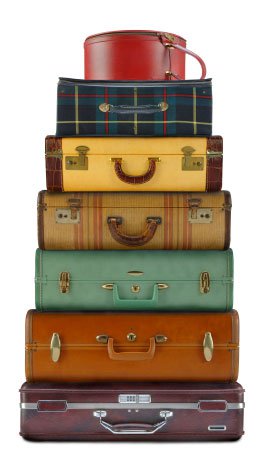
luggageCHECKED LUGGAGE: Make sure all luggage is clearly tagged with your contact information, and add a colorful ribbon to the handle to help separate your bags from the sea of suitcases.

– Create a packing list and begin the packing process early. The week before your trip, start collecting items and place in a spare room or in an empty, plastic laundry basket.

– Think in terms of the “layered look” when planning your wardrobe.

– Never pack valuable items in checked luggage (money, electronics, jewelry, travel documents, and prescriptions).

– Making several stops on your itinerary? Purchase zippered pouches or “packing cubes” to separate clothing items by type. (See tumi.com or thecontainerstore.com). The pouches can easily be lifted from the suitcase and placed in hotel drawers and then back again.

– Always pack one or two clothing items for the opposite weather of where you are traveling because you never know how the temperature can change.  Heading to Miami? Bring a sweater or warm wrap. Leaving for London? Take a few tank tops or camisoles to wear under a blazer.

– Do not lock bags unless using a TSA-approved lock that can be opened by an agent, or risk your locks being broken if bags are selected for screening. Concerned about your zipper accidently coming undone without the lock? Thread a baggie twist tie through the two side-by-side zipper pulls and mate them together.

– Place all liquids in plastic bags before packing in luggage. And, pack a few extra bags, especially large white garbage bags, to use for wet bathing suits, sandy shoes, laundry, or liquid souvenirs like wine or olive oil.

– Make sure not to over-pack —  always leave room for gifts and souvenirs!

Herricks Travel American ExpressFor more information on my trip planning services, please click here.
SUBSCRIBERS: to view this complete article online and read my previous articles, use this link: uniquefamilytraveler.com.

To become a SUBSCRIBER, look for the “subscribe to this blog by email” box, and then respond to the follow-up email.

The Art of Packing

The Art of Packing

The Art of Packing, Herricks Travel American Express & St. JohnPlease join me at my travel-themed customer event at the St. John boutique in the Americana, Manhasset, Long Island, New York on January 28th.

Join Herricks Travel American Express and St. John for the “Art of Packing” on Thursday, January 28th, between 12Noon and 4pm. Hear up-to-the-minute destination advice and packing tips with key styles from the latest collection, and enter to win a weekend stay in Manhattan and a St. John gift certificate.  For more information and to RSVP, you can email me, mollie@herrickstravel.com. Hope to see you there!

Herricks Travel American ExpressFor more information on my trip planning services, please click here.

SUBSCRIBERS: to view this complete article online and read my previous articles, use this link: uniquefamilytraveler.com.

To become a SUBSCRIBER, look for the “subscribe to this blog by email” box, and then respond to the follow-up email.

New York Times Travel Show 2016

New York Times Travel Show 2016

Planning to be in New York City this weekend? Are you looking for detailed, first-hand information on hot spots, far-flung, or favorite destinations? If you plan to be in the New York City area on January 9-10th, I would recommend that you take time out to visit the New York Times Travel Show at the Jacob Javits Convention Center on Manhattan’s West Side (34th Street and 11th Avenue). You can browse over 500 exhibitor booths and learn first hand information about cities, countries,  and destinations from all across the globe. It also happens to be a fun day out with the family — the show includes international cultural presentations, food tastings, family activities, cooking demonstrations, and a well-stocked travel bookstore.
Need help putting all this information together? If you are ready to plan a unique trip for you or your family, contact me at mollie@herrickstravel.com. For more information on my trip planning services, please click here.

SUBSCRIBERS: to view this complete article online and read my previous articles, use this link: uniquefamilytraveler.com.

To become a SUBSCRIBER, look for the “subscribe to this blog by email” box, and then respond to the follow-up email.

Best of Kowloon

Best of Kowloon

Kowloon Peninsula, the northern portion of Hong Kong connected to mainland China, has become an ever expanding mecca for shopping, the arts, and entertainment. A British Colony since 1860, Hong Kong was returned to China in 1997. A cosmopolitan center, Kowloon is tightly packed and endlessly bustling with a close proximity to the international airport and the cruise ship terminal.

Although its mostly populated by Cantonese speaking Chinese, other cultures are represented in the mix: Thai, Indian, Indonesian, Filipino, and Nepalese, making for a thoroughly international city. Often labeled “more Chinese” than its island companion located just across Victoria Harbor, a visit to Hong Kong should include time spent in both areas. (Check out my recent article,”Best of Hong Kong Island,” for plenty of tips to complete your trip).

TOP KOWLOON SIGHTS

Tsim Sha Tsui: This vibrant district in the southern tip of Kowloon is a major tourist hub chock full of restaurants, museums, and performance spaces. It’s Hong Kong’s most cosmopolitan corner and host to the highest concentration of hotels. Take a walk down the Waterfront Promenade to the Avenue of the Stars (like Hollywood’s walk of fame), where local film stars are memorialized in the pathway. (The statue of Bruce Lee gets the most attention from selfie-stick wielding tourists.) Climb the stairs near the Clock Tower to the elevated observation deck to get face to face with Hong Kong’s iconic view.

Wong Tai Sin Temple Hong Kong

Colorful Wong Tai Sin Temple

Wong Tai Sin Temple: Built in traditional Chinese style, this famous Taoist temple boasts grand red pillars, a soaring golden roof adorned with blue friezes, bright yellow latticework, and detailed multi-colored carvings. Stop and have your fortune told by soothsayers working just outside the temple entrance.

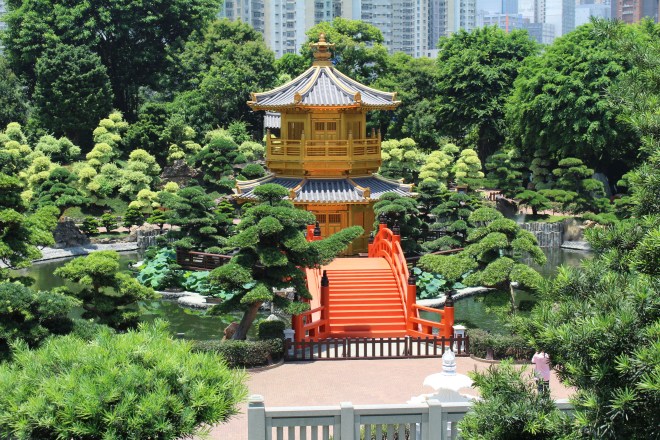
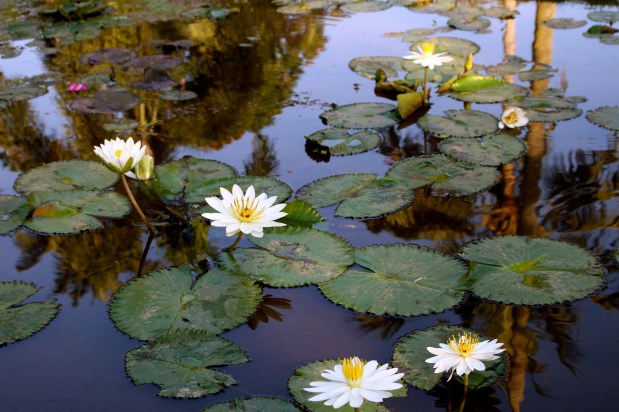
Chi Lin Nunnery & Nan Lian Garden: This Tang Dynasty-style Buddhist complex is the largest in East Asia. Nuns have lived onsite since 1937, but the present structure opened in 1998—built completely of wood without using any metal nails. The grand compound includes Buddhist halls and a tranquil lotus pond-filled garden at the main entryway. The most impressive statue, the massive, golden Sakyamuni Buddha, rests on a lotus altar in the Main Hall. Across the road, Nan Lian Garden is hands down the most beautiful and tranquil Chinese garden in Hong Kong. Its winding paths take you past classically styled ornamental rocks, pavilions, water features, and rare, sculptured trees.

Nan Lian Garden

Hong Kong gem — Nan Lian Garden

MUSEUMS:

Traveling with kids? There are plenty of museums to keep them busy. The Science Museum: this technology and science focused museum with a flight simulator and loads of interactive exhibits, will keep kids of all ages engaged. The iconic, egg-shaped Space Museum houses the planetarium, Hall of Astronomy, Omnimax and 3D theatres. Recently undergoing major construction, check the website for its grand reopening. The Museum of History documents the story of Hong Kong, from its ancient origins to the end of colonial rule. The Museum of Art, Hong Kong’s largest public art gallery, mixes traditional and contemporary paintings, calligraphy, and photography – temporarily closed for a major renovation, it is slated to open in 2018. Hong Kong Cultural Center: Adjacent to the Star Ferry, this multipurpose performance center has a revolving schedule of Philharmonic performances, ballet, musicals, and children’s programming – holiday times brings the celebrated “Nutcracker.”

SHOPPING

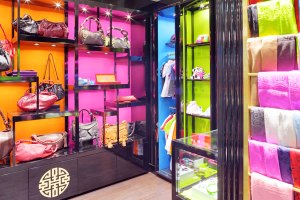
Shanghai Tang: This unique men’s and women’s outfitter specializes in collections representing a modern chinoiserie style blending rich fabrics and traditional Shanghainese tailoring in novel, up-to-the-minute designs. Bright, saturated colors are a hallmark.

Shanghai Tang, Hong Kong

Shanghai Tang

Harbour City: A walk through this cruise ship terminal will lead you to three shopping malls which comprise this massive complex stretching for 500 meters along Canton Road. Yes, many of the 450 retail locations are those you see in the U.S. or European malls, but there are some unique shops, some great dining choices (50 of them!), and on a hot and humid Hong Kong day, nothing beats browsing in this blocks-long, air-conditioned oasis.

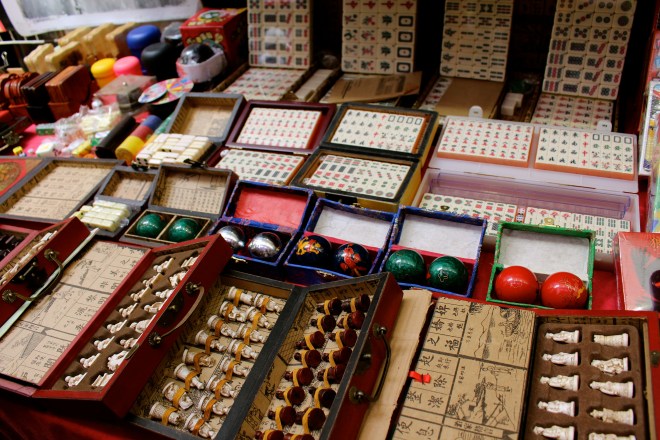
Temple Street Night Market: A popular street bazaar named for the Tin Hau temple located center stage stimulates the senses with fortune tellers, opera performers, and street food hawkers interspersed with endless displays of trinkets, tea ware, electronics, watches, menswear, and antiques.

Markets Hong Kong

Trinkets, chess pieces, and mah jongg sets on display in Kowloon’s outdoor markets

Ladies Market: Located at Tung Choi Street, this is the place to find inexpensive women’s clothes, from lingerie to shoes. It’s especially good for jeans and accessories, men’s and kids’ clothing, as well as toys and knick-knacks.

Flower Market, Hong Kong

Flower Market

Jade Market: Visit the Jade Market in Yau Ma Tei at the junction of Kansu and Battery Streets to browse 450 stalls selling jade of all types, shapes, sizes and prices. Believed to bestow magical properties, wearing jade provides a triple benefit: good health, good luck, and protection from evil spirits.

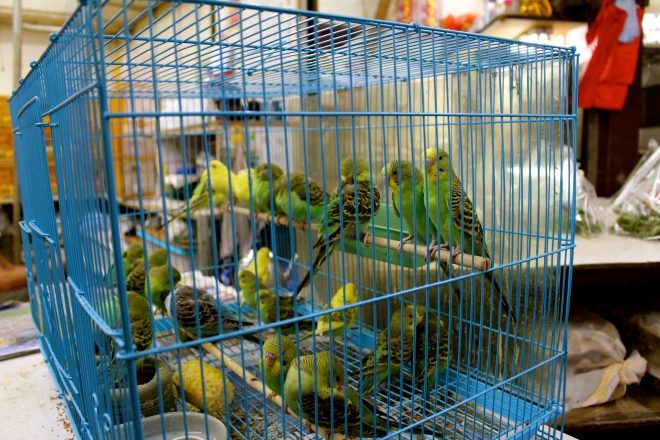
Bird Garden: Nestled into Yuen Po Street, this charming Chinese-style garden and tribute to the age-old avian hobby includes some 70 songbird stalls. Beautifully crafted bamboo cages and bottomless bins of live crickets are also for sale. Nearby, the Flower Market peddles everything from Dutch tulips to exotic orchids, and on Tung Choi Street, stop at the Goldfish Market to gaze at aquariums, corals, and exotic fish.

Bird Garden

Song bird enthusiasts will be enthralled with Kowloon’s Bird Garden

RESTAURANTS:

Overseas visitors soon realize that the Chinese food they encounter in their countries bears little resemblance to what is served in Hong Kong. Cantonese dim sum (dumplings steamed in bamboo baskets) are delicious light as air morsels meant to be shared—authentic local places are plentiful. Many menus, although only in Chinese, come equipped with user friendly photos, so pointing can be a very effective way of ordering. Beyond Cantonese choices, there’s a substantial cosmopolitan culinary scene: Southeast Asian cultures are well represented — Malaysian, Thai, and Singaporean.

Dim Sum, Hong Kong

Dim Sum translates to “little heart”

Cuisine Cuisine: There are two outposts of this well regarded restaurant, one in Kowloon (with sweeping views of the Harbor) and one on Hong Kong Island. Mastering the “36 Chinese Cooking Methods,” they offer a genuine Cantonese dining experience with dishes prepared with seasonal ingredients and traditional, time-honored recipes.

Serenade: With a panoramic, harbor view, this bustling Cantonese restaurant is conveniently located right above the Cultural Center and offers an array of stir-fry and dim sum served from traditional trolleys.

Hutong: Dine in the evening at this northern Chinese restaurant to make the most of the dramatic views and the nightly multimedia light show over the harbor. Settle into the funky, vintage Hong Kong vibe and enjoy a signature Chinese menu with a contemporary twist.

Afternoon Tea, Peninsula, Hong Kong

Digging in to Afternoon Tea at the Peninsula

Afternoon Tea at Peninsula Hotel: Make a stop a this iconic, colonial era hotel’s, high ceilinged lobby for an elegant afternoon of tea and finger sandwiches, savory pastries, and raisin scones served with clotted cream and strawberry preserves. Hint: although the often lengthy queue for afternoon tea starts at 2pm, (first come, first served), if you sit at a table earlier (around 1:30pm) and order an appetizer from the lunch menu, you can promptly switch to the tea menu when it commences.

DAY TRIPS:

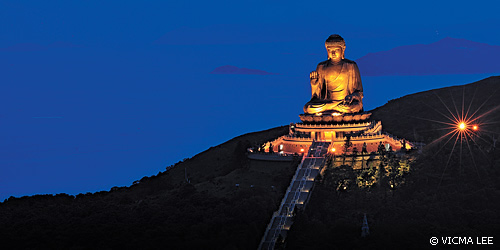
Lantau Island: Take a ferry to Hong Kong’s largest island – home to Disneyland and the city’s international airport. Its south coast is ringed by beaches, and its mountainous center region boasts the red, orange and gold Po Lin Monastery, and the bronze Tian Tan Buddha, known affectionately as the “Big Buddha.” A long flight of steps takes you up to the statue’s base and rewards you with expansive views of the city.

Big Buddha, Lantau Island, Hong Kong

Lantau Island’s Tian Tan Buddha

Macau: Originally a Portuguese colony, it was returned to China in 1999 becoming, like Hong Kong, a Special Administrative Region (SAR). Once a sleepy outpost, it is now known as the “Vegas of the East.” There’s lots of pizzazz provided by international mega-casinos, but pockets of graceful southern European charm can still be found. Accessible by ferryboat or four-hour car ride, an ongoing massive construction project consisting of 26 miles of bridges and tunnels will eventually link Hong Kong to Macau (trimming the ride to 45 minutes).

Herricks Travel American ExpressReady to plan a unique trip for you or your family? Contact me at mollie@herrickstravel.com. For more information on my trip planning services, please click here.

SUBSCRIBERS: to view this complete article online and read my previous articles, use this link: uniquefamilytraveler.com.

To become a SUBSCRIBER, look for the “subscribe to this blog by email” box, and then respond to the follow-up email.

Best of Hong Kong Island

Best of Hong Kong Island

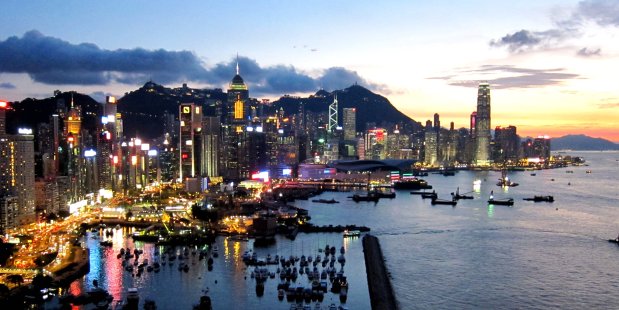
When planning a visit to Hong Kong, a common question is usually asked – where to stay – Hong Kong Island or Kowloon? First time visitors often head right to Kowloon (the peninsula area connected with China’s mainland) because of its easy access from the cruise ship terminal. Hong Kong Island, which lies just south across Victoria Harbour, is the city’s economic center with a bit of soul. It features a mix of sites from soaring towers to stylish Soho. Thanks to several tunnels and bridges and the Star Ferry connecting the two areas, it’s even easier than ever to crisscross from one to the other and explore both locations in one trip.

Hong Kong IslandHong Kong Island’s Central District is know for its tightly packed financial hub. It’s heavy on international banks, but light on historical buildings. For gallery hopping or antique browsing, visit Lan Kwai Fong and Soho. Sheung Wan is more traditional but still hip, while Wan Chai beckons visitors to its nightlife and shopping mecca, Causeway Bay. By contrast, the island’s more serene, and less inhabited southern coast, is ringed with harbors and sandy beaches.

Hong Kong Island

Aberdeen Harbor on Hong Kong Island’s southern coast

CENTRAL, WESTERN AND THE PEAK

Star Ferry: A fifteen-minute journey on this iconic ferry across Victoria Harbor is a great way to take a photo op of the city skyline and surrounding mountain view. Tip: go in the evening to catch the nightly multimedia, Symphony of Lights Laser Show.

Lan Kwai Fong and Soho: These trendy areas are known for their stylish galleries and eclectic boutiques, modern cuisine, and chic drinking spots lined up on Hollywood Road.

Mid-levels Escalator: Take a ride on this unique people mover, which runs between the Central and Western Districts (it was completed in 1993 at a cost of HK$245 million). With 20 separate sections covering 800 meters (2,625 feet) it’s undoubtedly the world’s longest outdoor escalator system. Designed to ease the jam-packed traffic below, it begins at 100 Queen’s Road Center.

Ladder Street: You won’t need to hit the gym if you take a climb up this 19th century street, named for its steep stone steps that zigzag from Caine Road to Hollywood and Queen’s Roads.

Man Mo Temple: This Taoist temple with its dramatic curling incense dangling from the ceiling is one of the city’s oldest temples. Dedicated to the gods of war and literature, it was built in 1847 during the colonial era. Wander through the otherworldly, smoke-filled rooms and shake prayer-sticks from a bamboo container and have your fortune read by the resident soothsayers.

Man Mo Temple, Hong Kong Island

Incense coils hang dramatically from the ceiling of the Man Mo Temple

Hong Kong Park: Although almost exclusively manmade, this eight-hectre park is worth a visit. Wander through the Aviary, home to over 90 different species of birds, stop in the Museum of Tea Ware, or check out the t’ai chi practitioners early in the morning.

Sheung Wan: Crossing into this neighborhood brings you into the more traditional and residential areas of Hong Kong Island. Stop on Man Wa Lane to see the chop-makers — craftsmen who create Chinese character name stamps from blocks of stone that serve as a signature on official documents. Since it only takes about an hour (and they will translate the names into Chinese for you), they make a great souvenir or gift.

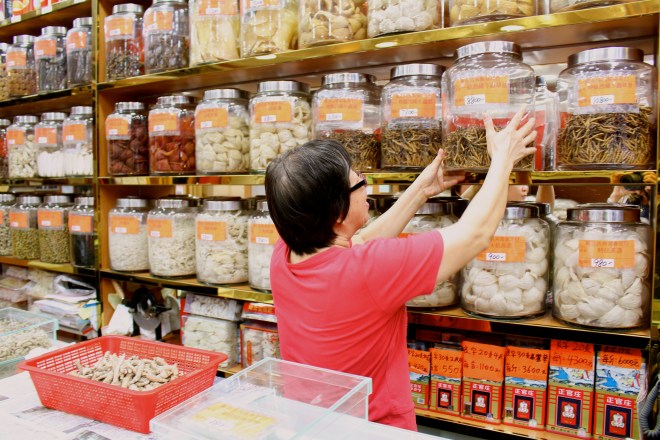
Des Vouex Road West: Known as the center of Chinese medicine trade in Hong Kong, this area is where all manner of herbs, ancient remedies, dried extracts, and animal parts can be purchased. Nearby streets Wing Lok and Ko Shing specialize in ancient Chinese tonic foods, ginseng, and bird’s nest, believed to hold the key to a longer life, increased energy, and a glowing complexion – who wouldn’t want that!

Hong Kong Island

A vendor on Des Voeux Road shows off caterpillar and other ancient remedies used in the medicinal trade

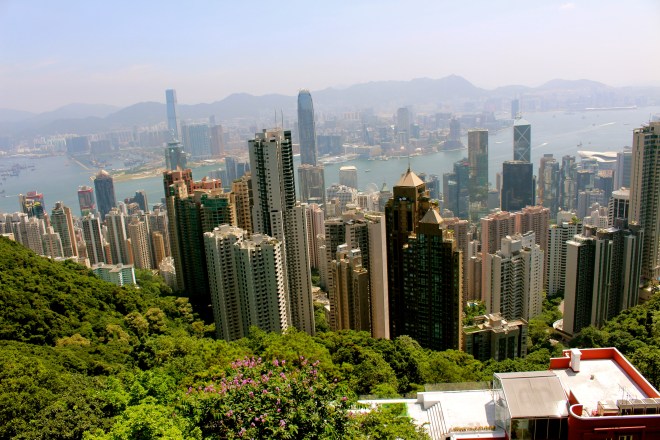
Peak Tram: This almost vertical ride takes you straight up to Victoria Peak, the highest point on the island. Built 125 years ago, it’s Asia’s oldest funicular. An eight-minute trip rewards you with amazing views of Kowloon and Victoria Harbor and on a clear day, a glimpse of mainland China. Walk the nature paths and then wander through Victoria Peak Gardens.

Victoria Peak, Hong Kong Island

Victoria Peak’s stunning views of Hong Kong Island and Kowloon across the harbor

WAN CHAI AND CAUSEWAY BAY

Causeway Bay: Not far from the metropolitan center of Wan Chai (located on the northern shore of the island) is one of Hong Kong’s most impressive shopping complexes, Causeway Bay — a place to dine and shop late into the night. Nearby is the area’s own bustling “Times Square,” a mega mall with 14 floors of international shops, restaurants, and a cinema.

Happy Valley Racecourse: The first horse race was held here in 1846 and it continues to be a main attraction and home to the Hong Kong Jockey Club. Its vast stands can accommodate over 55,000 spectators. Stop by the complex’s Hong Kong Racing Museum for some historical perspective and pick up a few tips on famous trainers, jockeys, and horses.

THE SOUTH SIDE

Aberdeen: A harbor with an urban feel, its surrounding waters are filled with hundreds of wooden fishing boats, junks (ancient Chinese sailing ships), sampans (flat bottomed wooden boats), and yachts all bobbing in the natural typhoon shelter. Once a quaint fishing village, it has evolved into a high-rise filled town. Take a half-hour Sampan Tour from Aberdeen Promenade to get a close up view of life on the water. If you have time, stop for lunch at the famous floating restaurant Jumbo, which resembles an ornately decorated Imperial Palace.

Jumbo Seafood, Hong Kong Island

A Sampan ride will take you past famous Jumbo Floating Restaurant

Stanley Market: On the southern coastline of Hong Kong Island is this lively open-air market offering traditional handicrafts and locally made clothes and accessories at bargain prices. Maybe it’s a bit touristy, but it’s a great place to pick up last minute gifts and knick-knacks at reasonable prices. (My kids can never resist an opportunity to haggle!)

Stay tuned for my article on Kowloon.  Header image courtesy of Wikimedia commons.

Herricks Travel American ExpressReady to plan a unique trip for you or your family? Contact me at mollie@herrickstravel.com. For more information on my trip planning services, please click here.

SUBSCRIBERS: to view this complete article online and read my previous articles, use this link: uniquefamilytraveler.com.

To become a SUBSCRIBER, look for the “subscribe to this blog by email” box, and then respond to the follow-up email.

Twelve Top Travel Apps

So, you’ve contacted your travel agent, booked a trip, and packed your bags, but are you really ready to go? Before you leave, take a moment to download these useful travel apps that will help make your vacation a smooth and stress free adventure. Load them up (and sign into your personal accounts when required) while you’re at home where the Wi-Fi is much faster and safer.

Airline apps: There’s one for just about every airline: American, Delta, JetBlue, United, etc. Enter your frequent flyer numbers and flight information. Many allow you to check in, pay for bags, change your seat, check for upgrades, and display your boarding pass.

LoungeBuddy: Not all airport lounges are exclusively for first class flyers. This app allows you to check out more than 2,000 lounges in 600 airports, and determines which you can access. Enter the details of your trip, airline status and membership, or premium credit card info (like Amex Platinum) and it will let you know which lounges you can visit for free or for a one-time fee. Includes lounge hours and locations.

WhatsApp: This international calling and messaging app allows you to call someone around the world for free as long as that person also installs the app – no hidden costs or international fees.  It even saves incoming messages when your phone is off.  Easy to use, your contacts are transferred from your phone’s address book.

Currency Convertor: There are plenty of them out there — pick one that’s free and you are ready to go from pounds to pesos, and dollars to dinars.

Sky Guide: This is not specifically a travel app, but we use this whenever we are out of the New York area and visiting a place with less light pollution. Satisfy your inner amateur astronomer and identify all those heavenly bodies you can only see in a truly dark sky. The app uses your device’s own GPS to know which direction you are pointing your phone to immediately reveal a map of the stars, constellations, galaxies, and planets, above and below the horizon.

OpenTable: This online, real-time restaurant reservation app is available in many cities around the globe, and includes reviews and a frequent dining program. Search by location, date, time, cuisine, or price range.

Amex App: This one is for the American Express card, but most credit cards will have an app to help you keep track of spending, pay your bill, check your reward benefits, and most importantly, provide you with immediate fraud alerts if your card has been stolen or compromised while traveling.

Ride Share Apps: Uber and Lyft are the go to ride share companies in many countries, but before you depart the U.S., research what the best version for your destination. There may be a preferred local choice.

Car rental apps: a convenient way to keep track of your car rentals and member status while on the road

Translator apps: when time matters, get quick translations that sound natural.

Train apps: download the train app for your destination to keep on top of schedule and track changes.


Ready to plan a unique trip for you or your family? Contact me at mollie@herrickstravel.com. For more information on my trip planning services, please click here.

SUBSCRIBERS: to view this complete article online and read my previous articles, use this link: uniquefamilytraveler.com.

To become a SUBSCRIBER, look for the “subscribe to this blog by email” box, and then respond to the follow-up email.

Header image courtesy of m.vank

Bali’s Unforgettable Ubud

Bali’s Unforgettable Ubud

Bali, IndonesiaNo visit to Bali is complete without a visit to its geographic, spiritual, and cultural heart – Ubud. Go there first to absorb the essence of Bali before hitting the island’s famous beaches. This bustling bamboo and banyan tree-lined town of Hindu temples, galleries, cafes, boutiques, and yoga retreats completely embodies the Balinese experience. Extensive development defines Denpasar (the capital city), but natural beauty and authentic traditions can be found by getting off the beaten track and into the island’s enlightened center. For the Hollywood version of Bali, rent the film Eat, Pray, Love (or read the memoire) and plan your own journey of discovery.

Sacred Monkey Forest, Bali, IndonesiaBali is part of the Republic of Indonesia (a sprawling archipelago of over 17,000 islands), with the Bali Sea to the north and Indian Ocean to the south. Just eight degrees south of the equator, its climate is tropical with a dry season from April to October. Although it’s a small island (about the size of Delaware or Costa Rica), it’s densely populated and very diverse: lush jungles, rice terraces, and towering volcanoes dot the interior; coral reefs and sprawling sand  beaches (in Nusa Dua, Jimbarin and Semniyak) dot its coasts.
Rice Terraces, Bali

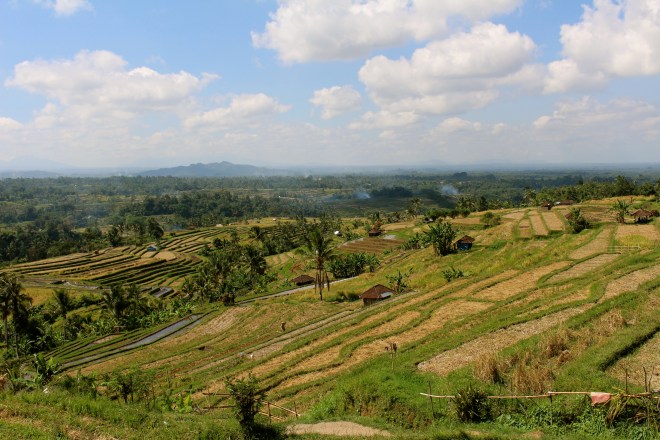
Bali’s emerald green rice terraces are worth a visit

Rice Farming, Bali

Rice seedlings are nurtured in seed beds and then replanted

The Balinese people, a mix of Malay and Polynesian, with Indian, Chinese, and Arab culture blended in, are a welcoming people with a passion for authentic experiences – food, music, and dance are all intertwined with everyday life. Most adhere to Balinese Hinduism, (while the rest of Indonesia is predominately Muslim). Dedicated to family and ritual, a stable economy affords them the ability to take time out to practice the arts. Many tourists visit the island primarily to load up on Balinese teak wood furniture, sculpture, and handicrafts, sending it back to their home countries by container ship.

Of course, Bali offers outdoor aficionados all the essential land and sea adventures: hiking, white water rafting, cycling, jungle trekking, SCUBA, snorkeling, and surfing lessons. But, a visit to Ubud is what distinguishes Bali from other tropical isles.
BEST OF UBUD:

Ubud Market: Located at the intersection of Jalan Raya Ubud and Monkey Forest Road, it’s filled with handicrafts, souvenirs, clothing, fabrics, woven baskets and more. My boys always love an opportunity to bargain!

Threads of Life: This textile arts center sells authentic, handmade, natural-dyed Indonesian textiles, especially those featuring the famous Ikat technique, a weaving process that utilizes tie-dyed yarns.

Blue Stone Botanicals: An aromatherapy shop featuring products that are 100% natural and sustainable. Stock up on body balms, essential oils, and room sprays made from pure Balinese rainwater in delectable fragrances like lemongrass ginger, sweet orange, and bergamot, all in charming, gift-able packaging.

Biasa: Beautiful and high quality (but not high cost) Balinese clothing utilizes pure silk and linen materials and natural dying methods — hand woven and stitched by local artisans.

Bintang Supermarket: It’s always fun to stop at a local supermarket while traveling abroad. We picked up small souvenirs and locally grown spices and exotic produce like dragon fruit, snake fruit, Balinese oranges, and passion fruit and of course, pilsner-type Bintang Beer.

John Hardy: This famous, international jewelry designer is headquartered in Ubud. Call ahead for a pre-arranged tour: explore the open air workshop and design center, organic farm, and enjoy lunch prepared in their traditional Balinese kitchen joined by artisans and designers, and of course, a visit to the jewelry boutique.

Puri Saren Agung: Just across the street from the Ubud Market, this well preserved, Balinese-style palace was the home of the royal family that ruled from the late 1800’s to WWII. At night, dance performances are held in the central courtyard.

Puri Saren Agung, Bali

Puri Saren Agung

Museum Puri Lukisan: This museum of painting preserves and exhibits traditional and modern Balinese arts and, if you are interested in purchasing artwork while in Bali, this is a good place to become educated in the various styles before visiting the many local galleries.

Waring Babi Guling Bu Oka: Come to this simple, local café for an authentic and filling suckling pig lunch served in a rattan bowl with heaps of steamed rice, spicy vegetables, and secret sauce.

Batan Waru: Authentic Indonesian restaurant in the heart of Ubud with indoor/outdoor seating. Favorite dishes include delicious Lemper Ayam (sticky rice and shredded chicken wrapped in grilled banana leaf), local favorite Nasi Campur (mixed plate of rice, red chili chicken, sate, long beans, and prawn fritters) and Bebek Goreng (Peking duck).

Sacred Monkey Forest, Ubud

Adorable residents of the Sacred Monkey Forest

Sacred Monkey Forest: Walk along a paved path through this lush forest preserve and temple complex and see the macaques up close and personal. Make sure to keep shiny objects, food and water bottles hidden lest have them snatched by these fearless and mischievous creatures! The Balinese hold these long-tailed monkeys in high esteem – they are believed to guard the temples against evil spirits.

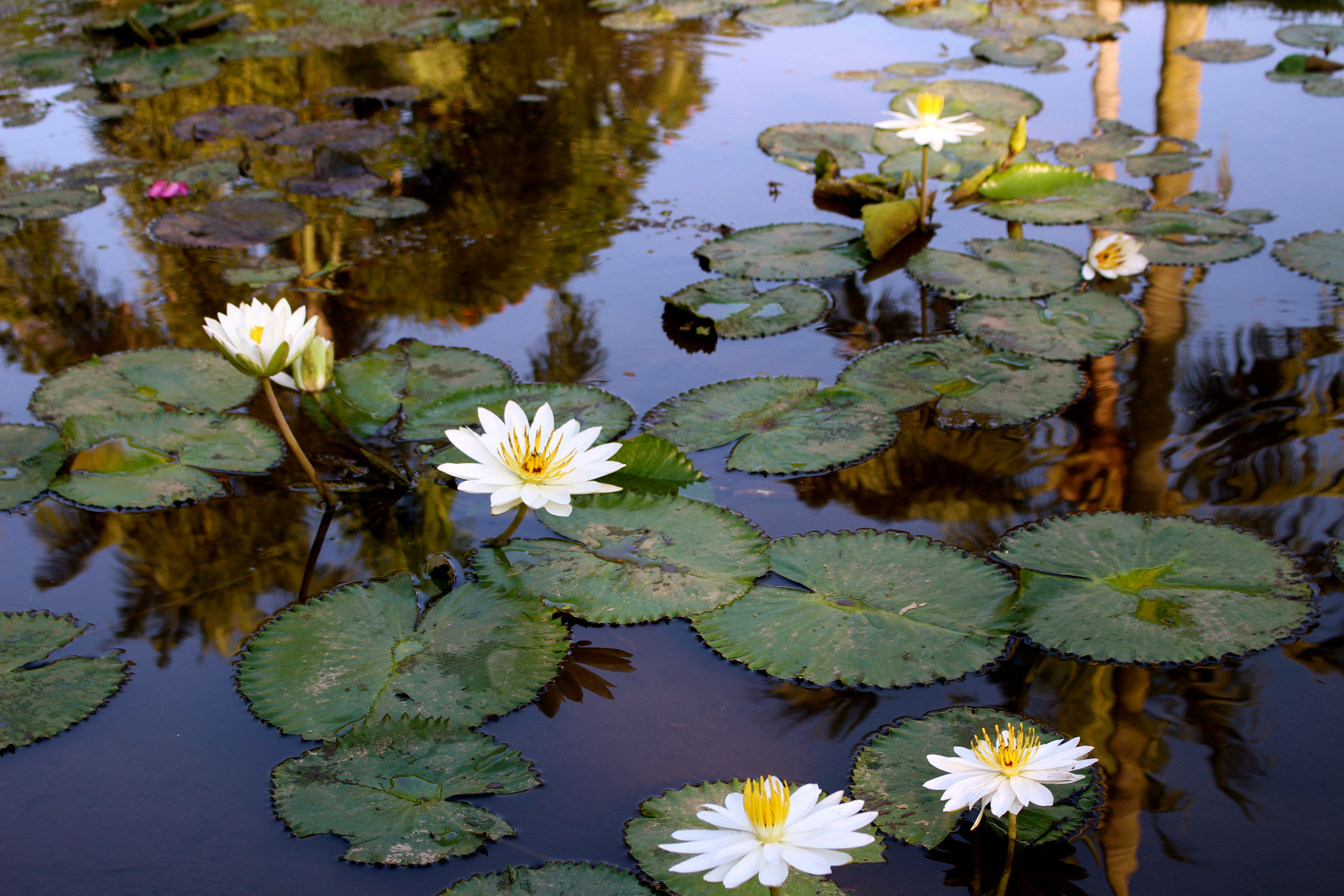
Four Seasons Bali at Sayan: Located in a lush valley beside the Ayung River, the resort’s palm-tree lined winding paths take you past rice paddies, herb gardens, and lotus ponds, and features spacious suites and private villas with open-air living areas and plunge pools. Resort activities include Indonesian cooking classes, AntiGravity Yoga (with bespoke hammocks to support bodies of all ages and abilities into inverted postures), sunset meditation, and traditional Balinese healing sessions.

Four Seasons Sayan Bali

Villa photo courtesy of Four Seasons Sayan

Viceroy Hotel: This small, boutique, all-villa property, owned by an Austrian/Australian family, overlooks the Valley of the Kings and the Petanu River with distant views of volcano Mount Batur. Villas, exquisitely decorated and appointed with artwork by local craftsmen, include private heated pools and outdoor living space with cozy day beds. Come before sunset to take in the views while sipping a cocktail at the handsome resort bar and stay for dinner at CasCades, an open-pavilion restaurant serving modern European cuisine.

Viceroy Hotel Bali

Terrace Pool Villa photo courtesy of Viceroy Bali

EXCURSIONS FROM UBUD:

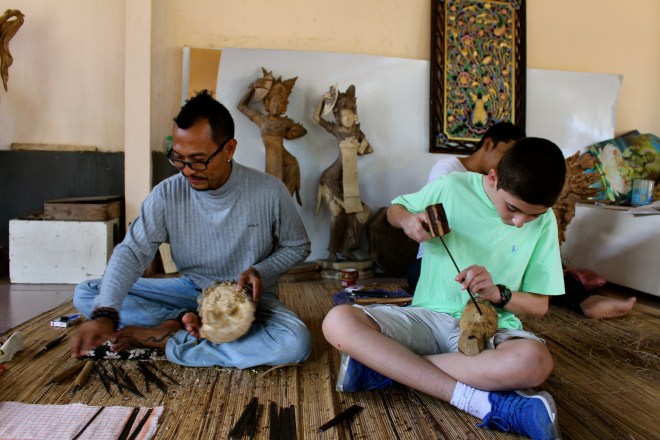
South of Ubud… Take a trip to Celuk, the center for metal craftsmanship and stop at Prapen, a silversmith boutique that preserves traditional Indonesian techniques. Visit Bali Bidadari to witness the ancient art of Batik, a delicate process that includes drawing, waxing and dyeing of fabric — a source of national pride. Take time out for a Luwak coffee tasting at Subak Bali Agro Plantation. Under the green canopy of palm and papaya trees, sample locally grown coffees and teas like coconut, ginger, or ginseng in your own private, breezy, grass-roof hut. For a hands-on experience, visit Sari Rejeki and take a turn at wood carving. Their gallery sells exquisite furniture, sculpture, and wall décor crafted from an impressive selection of wood varietals. The moat-ringed Royal Temple of Mangwi, Pura Taman Ayun, (which translates to “beautiful garden”) lives up to its name with landscaped terraces, broad canals, and soaring pagodas.

Batik, Bali, Indonesia

Batik artisans at work

Wood carving, Bali, Indonesia

My son tries his hand at wood carving

Pura Taman Ayun, Bali

Pura (Temple) Taman Ayun

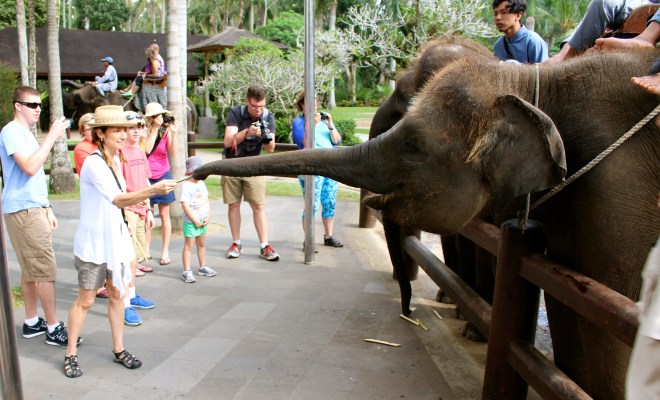
Elephant Safari Park, Bali

A friendly feeding at the Elephant Safari Park

Elephant Safari Park, Bali

North of UbudElephant Safari Park & Lodge features animals primarily rescued from the effects of Sumatra’s deforestation. Here you can touch, hand-feed, and take a ride in a teak wood chair atop a gentle giant as it winds its way through the cool jungles of Taro. Rice marks the daily rhythms of life in Bali, and in the central highland’s Jatiluwih Rice Terraces you can witness the preservation of these traditional farming methods along with a breathtaking view, 2,700 feet above sea level. Throughout the island, you will see the tiny offerings (little trays of flowers or petals) set upon the ground, made to the deities to ensure a good harvest, indicative of the Balinese nature-based worship and daily devotional beliefs.

Luwak Coffee Plantation

Roasting coffee beans at Subak Bali Agro Plantation

Luwak Coffee Plantation, Bali

Indulge in an alfresco coffee and tea tasting

Planning a stop in Nusa Dua? Include a stay at The St. Regis Bali. This gorgeous beach front resort on the shores of the Indian Ocean, offers Balinese inspired suites and villas, a meandering lagoon pool, lush manicured gardens, a luxurious spa, and a Kids Learning Center (with a varied program of classes in art, music, culture and cuisine).

Offerings, Bali

Daily petite offerings are made to appease the gods

Travel tip: Singapore, only a two-hour flight away, makes the perfect vacation destination companion to Bali. Click here to read my recent article on Singapore.


Ready to plan a unique trip for you or your family? Contact me at mollie@herrickstravel.com. For more information on my trip planning services, please click here:

SUBSCRIBERS: to view this complete article online and read my previous articles, use this link: uniquefamilytraveler.com.

To become a SUBSCRIBER, enter your email address (top, right hand side of the blog or scroll to the bottom if using a cell phone) and then respond to the follow-up email.

Singapore: A City-State of Contrasts

Singapore: A City-State of Contrasts

IMG_3015Singapore offers all of Asia in one island. Its cultural fabric weaves together immigrants of Chinese, Indian, and Malaysian descent – their warm hospitality a common thread. All have brought along their indigenous food, religion, and tradition – on display in their respective cultural centers.  Racial diversity married to ethnic tolerance is the key to this city-state’s phenomenal success.

Separated from Malaysia by the Straits of Johor, this petite island republic measures only 26 miles east/west and 14 miles north/south.  A former British colony, it gained independence from Malaysia in 1965.  Once considered just a “stopover,” Singapore has developed into a world-class, modern city, thanks to former Prime Minister Lee Kuan Yew, who dedicated his three-decade term to economic development and social programing resulting in this feat of urban planning.

Marina Bay Sands Hotel, Singapore

Singapore’s architectural wonder, Marina Bay Sands, with its sky-high park, stands tall over the harbor area.

Clean and orderly, but not lacking in character and flavor, this compact, walkable city-state is where sophisticated infrastructure sidles up to traditional British colonial-era architecture.  Once seen as overbearing and labeled a “fine” city, because of its harsh monetary penalties for littering, spitting, and gum chewing, rules have lightened, but streets still remain pristine.

Year round, Singapore’s climate offers little variation, but November and January can be rainier. Only 80 miles from the equator, temps range in the 70-80’s; it’s humid but not unbearable, with comfortably cooler nights.

BEST OF SINGAPORE:

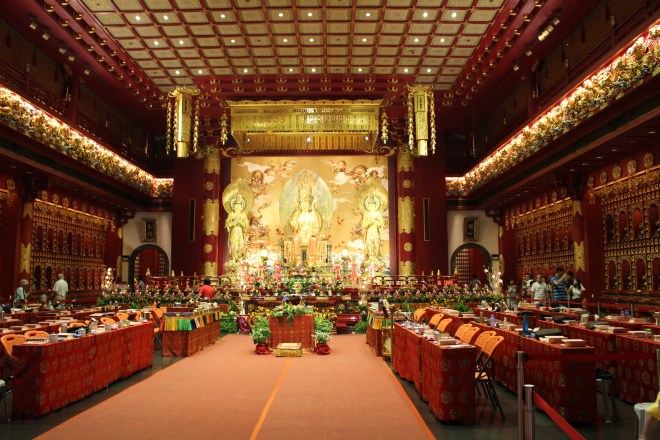
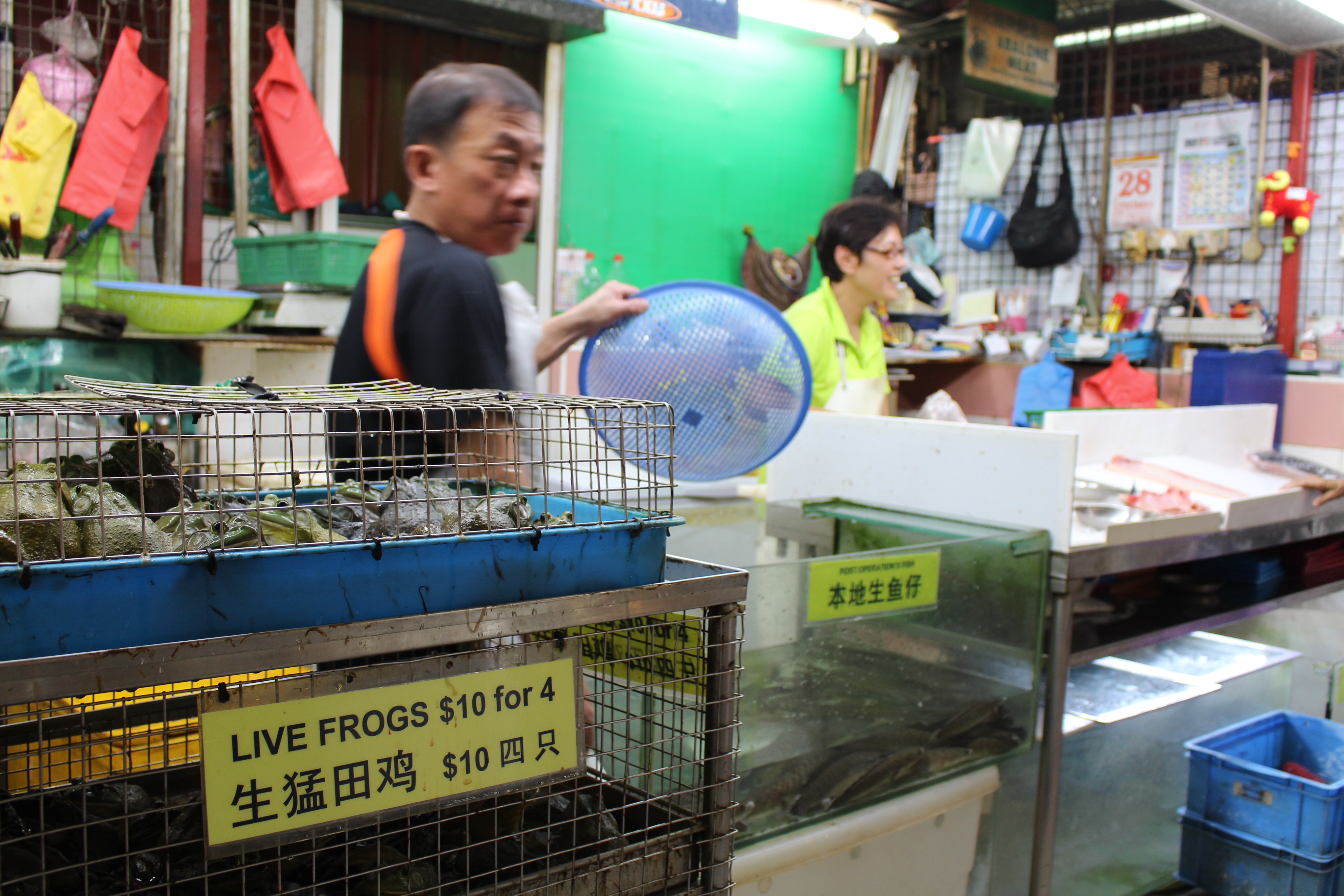
Chinatown: Experience traditional and authentic Singaporean Chinese life. The five-story, Tang-dynasty, Buddha Tooth Relic Temple is said to be the home of the Buddha’s left canine tooth – the temple’s opulent, gold encrusted décor definitely deserves a walk-through.  Shop Chinatown Marketplace with its vibrant vegetable and fruit stands, cheap, quick meals, and action-packed wet market where all manner of meat, fowl, and fish are bought and sold.  Chinatown’s pedestrian zone presents peddlers offering accessories and souvenirs – trinkets, chopsticks, and tea sets. For lunch, visit Sin Swee Kee for a simple but delicious Hainanese Chicken Rice meal: steamed and slow cooked in broth, served with rice and soup – it’s a national dish of Singapore.

Buddha Tooth Relic Temple, Singapore

Chinatown’s elaborate Buddha Tooth Relic Temple

Chinatown, Singapore

Chinatown’s pedestrian zone charms shoppers of all ages

Chinatown Marketplace, Singapore

A fishmonger displays the day’s catch at Chinatown Marketplace

Chinatown Marketplace, Singapore

Fish, fowl & amphibian — all for sale at Chinatown Marketplace

Little India:  Browse the Arcade for colorful saris, flower garlands, silk fabrics, gold jewelry, jasmine and spices, and have a temporary, henna tattoo inked in intricate designs on your hand. Shop 24-hour Mustafa Center and snack on roti prata (grilled flour pancakes served with vegetable or meat curry).  Visit Hindu temple, Sri Mariamman Temple, (know for its fire walking ceremony), and gaze up at its ornate, colorful gopuram (Dravidian-style, pyramid-shaped sandstone towers).

Little India, SIngapore

In Little India, vendors display flower garlands used in Hindu burial ceremonies

Sri Mariamman Temple, Singapore

Sri Mariamman Temple’s iconic and ornate gopuram

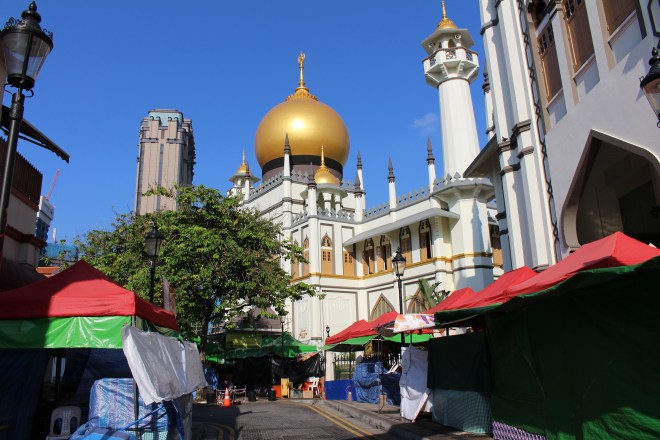
Kampong Glam: The Malay neighborhood is a gathering place for immigrants from Malaysia, Indonesia, and the Middle East and the impressive, newly restored, golden-domed Sultan Mosque is its center piece.   Arab Street and Haji Lane are lined with Mediterranean restaurants, two-story shop houses, bazaars, and local designer’s quaint boutiques. Stop in Jamal Kazura Aromatics for bespoke fragrances and aromatic oils presented in glass perfume bottles imported from Egypt.  Indulge in a cup of Teh Tarik or Bubble Tea (sweetened milk tea mixed with tapioca), elaborately “pulled” from high above – this perfectly mixes and cools the beverage.

Kampong Glam, Singapore

The Sultan Mosque, the centerpiece of Kampong Glam

Kampong Glam, Singapore

Jamal Kazura Aromatics mixes up essential oils sourced from around the globe

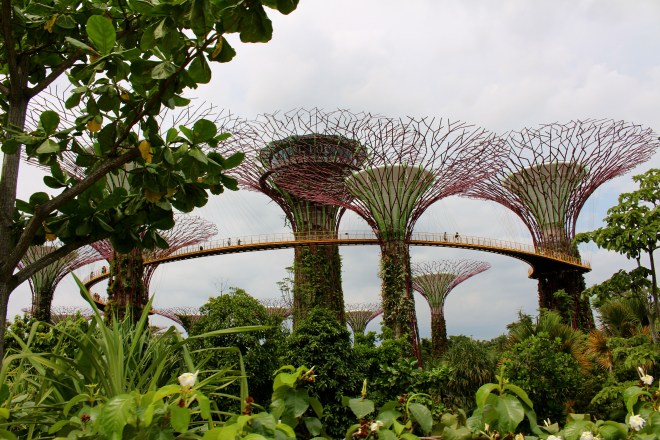
Gardens by the Bay: A horticulturist’s dream, this national garden includes over 250 acres of reclaimed land dotted with 18 giant, 16-story, Supertrees (giant vertical gardens designed to harvest solar energy); two glass biomes conservatories, the Flower Dome (world’s largest greenhouse) home to plants from the cool-dry Mediterranean and subtropical regions, and the cool-misty Cloud Forest with its world’s largest indoor waterfall and 35-metre mountain. Take a walk on the Skyway – it connects the Supertrees and offers an infinite high-rise view.  At night, the trees come to life with a light and sound show. The tram and audio tour offers easy access to the whole complex, which also boasts plenty of dining options and a children’s garden with water features.

Gardens by the Bay, Singapore

Gardens by the Bay as seen from Marina Bay Sands Skypark

Gardens by the Bay Supertrees, Singapore

Gardens by the Bay’s Supertrees and Skyway

The Flower Dome at Gardens by the Bay, Singapore

The Flower Dome at Gardens by the Bay

The Cloud Forest at Gardens by the Bay, Singapore

The Cloud Forest at Gardens by the Bay

Marina Bay Sands Hotel: The triple-towered, 2,500-room skyscraper is topped by a miracle of engineering—the three-acre, cantilevered, SkyPark complete with landscaped gardens, infinity pool, bars, restaurants, and observation deck.  It’s big enough to fit four and a half A380 jumbo jets!  Dine at Sky on 57 (Singapore’s celebrity chef Justin Quek’s modern twist on traditional Asian) and stay late to enjoy a cocktail and watch the sunset and city lights from the outdoor terrace of Flight Bar & Lounge.  Back down on terra firma, is the hotel’s casino, theatres, convention center, Marina Bay Shoppes, and Museum of ArtScience.

Marina Bay Sands, Singapore

Marina Bay Sands’ amazing rooftop infinity pool

Marina Bay Sands, Singapore

Check Marina Bay Sands’ website to purchase tickets to the Observation Deck for a sky-high Singapore view

Orchard Road: Stroll along this tree-line boulevard which packs 22 malls into a mile and a half. The place to seek out international brands and electronics, and the underground connecting tunnels are a great place to escape the midday heat.

Waterfront Promenade: A continuous walkway links up a necklace of attractions:  Collyer Quay, Marina Center & Bayfront areas. Don’t miss Singapore’s mascot, the Merlion (it “mashes up” the head of a lion with the body of a fish) — it stands guard over the marina area.

Promenade, Singapore

The Harbor Promenade – the perfect path

River Cruise:  Board a Bumboat (a small vessel used to ferry provisions in Singapore’s historic trading port), cruise along the Singapore River, and make several stops along the way. Visit the Asian Civilizations Museum for an excellent history lesson and enjoy legendary Chili Crab at Jumbo Seafood at Riverwalk.  Boat Quay and Clarke Quay offer plenty of international, al fresco dining choices along the river. Or, enjoy a cup of tea (or a pint!) at elegant Fullerton Hotel, a 19th century, iconic-columned landmarked building.

River Cruise, Singapore

The River Cruise take you past Marina Bay Sands and all of Singapore’s sights

Jumbo Seafood, Singapore

Dig in to Chili Crab at Jumbo Seafood

Sentosa: This touristy resort island packs an entertainment punch: Universal Studios theme park, Resorts World, Adventure Cove Waterpark, S.E.A. Aquarium (register for a behind the scenes VIP tour and Aquarist for a Day program), and lovely sand beaches.

For kids of all ages: Visit Singapore Zoo (over 2,800 animals set in a lush tropical rainforest setting); Singapore Flyer (165-meter observation wheel); Night Safari (get up close and personal with 2,500 nocturnal creatures like Malayan Tigers and Asian Rhinos); Botanic Gardens (including the 60,000- species National Orchid Garden).  Or, cross the border to LEGOLAND Malaysia (passport and possible Visa required).

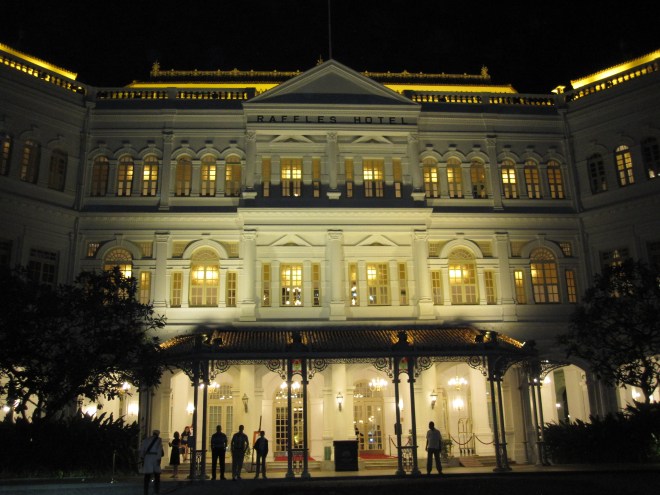
Hotels: Located in the Marina area are the Mandarin Oriental (atrium-style, excellent breakfast, and outdoor rooftop pool) and the Ritz Carlton; Four Seasons and Singapore Marriott located near Orchard Road.  Don’t miss 19th century Raffles Hotel and sip a celebrated Singapore Sling at the hotel’s Long Bar!

Raffles Hotel, Singapore

No visit to Singapore is complete without a stop at Raffles Hotel

Travel tips: Fly into Singapore’s Changi Airport, the “World’s Best Airport.”  Bali, only a two-hour flight away, makes the perfect vacation destination companion to Singapore. Click here to read my recent article on Bali.

Ready to plan a unique trip for you or your family? Contact me at mollie@herrickstravel.com. For more information on my trip planning services, please click here.

SUBSCRIBERS: to view this complete article online and read my previous articles, use this link: uniquefamilytraveler.com.

To become a SUBSCRIBER, enter your email address (top, right hand side of the blog or scroll to the bottom if using a cell phone) and then respond to the follow-up email.

Israel’s Desert Delight

Israel’s Desert Delight

cropped-img_82131.jpgA recent New York Times article highlights how Israel has managed to overcome one of its many challenges—drought—through sophisticated desalination methods and country-wide curbs on water consumption, enabling this country to thrive despite the fact that the Negev Desert takes up 60% of its land mass. (California, take note!)

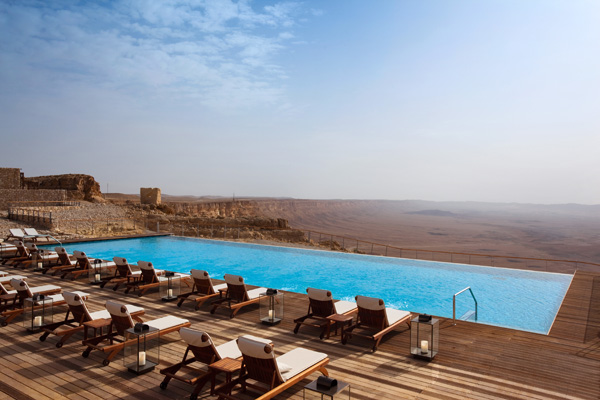
The article also serves as the perfect travel promotion with its accompanying photo of the Beresheet Hotel’s glistening sky blue pool overlooking sprawling Makhtesh Crater!

Photo credit: Uriel Sinai, NY Times

Makhtesh Crater, photo credit: Uriel Sinai, NY Times

A visit to Israel will most likely include stops in the Golan Heights (its mountainous northern region); Jerusalem (its religious and historical heart), and Tel Aviv (its entertainment and cultural hub). But, for something entirely different, you might want to include a stay in the desert.

The Makhtesh Crater is one of Israel’s often over-looked natural attractions. Located in Mitzpe Ramon, (a two-hour drive south of Tel Aviv, and a one-hour 45 minute trip north from Eilat), this 25-mile long, five-mile wide crater, is the world’s largest erosion cirque (valley) and features fossil, rock, and volcanic formations that date back 220 million years. With a depth of 1,650 feet, it was formed not from the impact of a meteorite, but from water and climatic forces. Stop at the newly opened Mitzpe Ramon Visitor Center for interactive exhibits and a quick geology lesson. (There is also a touching memorial to Ilan Ramon, the Israeli astronaut who lost his life in 2003 when the Shuttle Columbia disintegrated upon re-entering the earth’s atmosphere).

Beresheet Hotel, Mitzpe Ramon, Israel

View of the crater, photo credit: Isrotel

Perched on the edge of the towering cliffs that slope down into Makhtesh Ramon, is the Beresheet Hotel. It provides guests with an exceptional view into this dramatic landscape and ancient dwelling place, with enough amenities – spa, indoor and outdoor pools, tennis courts, movie theatre and children’s club—to make this trip a complete pampered adventure.

Beresheet Hotel, Mitzpe Ramon, Israel

Beresheet Hotel, Mitzpe Ramon. Photo credit: Isrotel

Rough it during the day with guided Jeep tours of the crater and its environs to learn about the geological history of the crater, the Negev Desert’s diverse wildlife and the ancient civilization that called it home. Plenty of other diverse activities in the area will keep you busy: cycling tours, hot air balloon flights, nighttime safaris, desert photography classes, alpaca farms, and wine tasting. At the end of the day, cool off in the hotel’s pool, perfectly perched on the cliffs above the heart-shaped Makhtesh Crater and take in the wondrous sights of this geological gem.

[Header photo credit: Isrotels]

Ready to plan a unique trip for you or your family? Contact me at mollie@herrickstravel.com. For more information on my trip planning services, please click here.

SUBSCRIBERS: to view this complete article online and read my previous articles, use this link: uniquefamilytraveler.com.

To become a SUBSCRIBER, enter your email address (top, right hand side of the blog or scroll to the bottom if using a cell phone) and then respond to the follow-up email.

On your way home from Israel, why not make a stop in Istanbul — it’s only a two-hour flight from Tel Aviv. Click here to read my recent article: Istanbul: Where East Meets West.